



Sports Injury Narratives Reveal Deeper Team Resilience Challenges
- Unexpected player setbacks expose critical organizational adaptation strategies


























Overview
The recent sports news cycle unveils a compelling narrative of organizational resilience and strategic adaptation through unexpected challenges. While the news items primarily focus on the Kansas City Chiefs and Notre Dame football programs, they collectively illuminate a broader pattern of how high-performance teams navigate sudden disruptions.
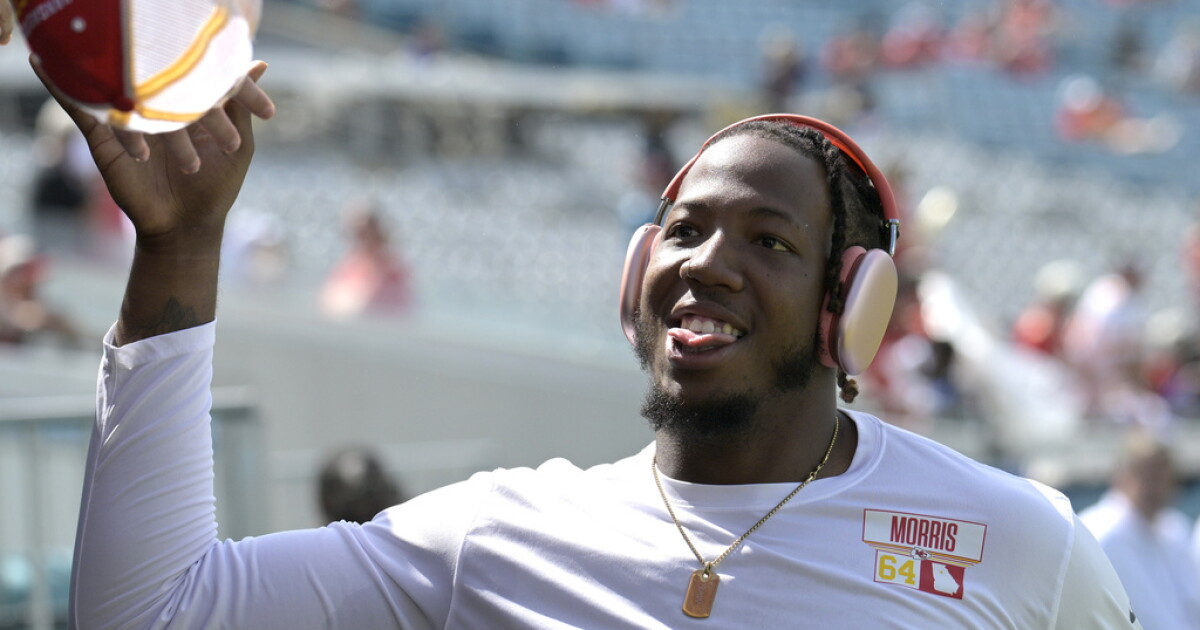
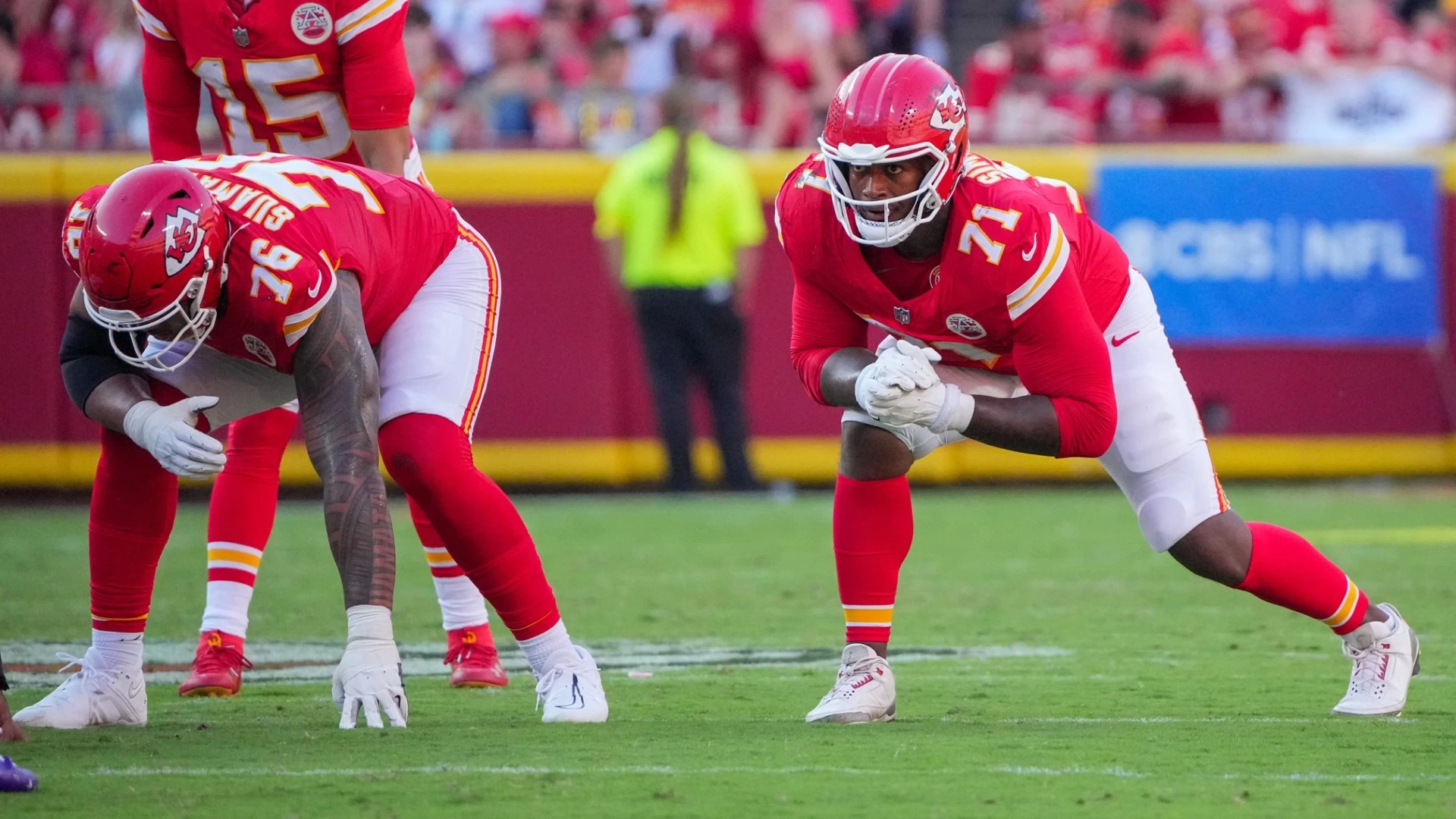
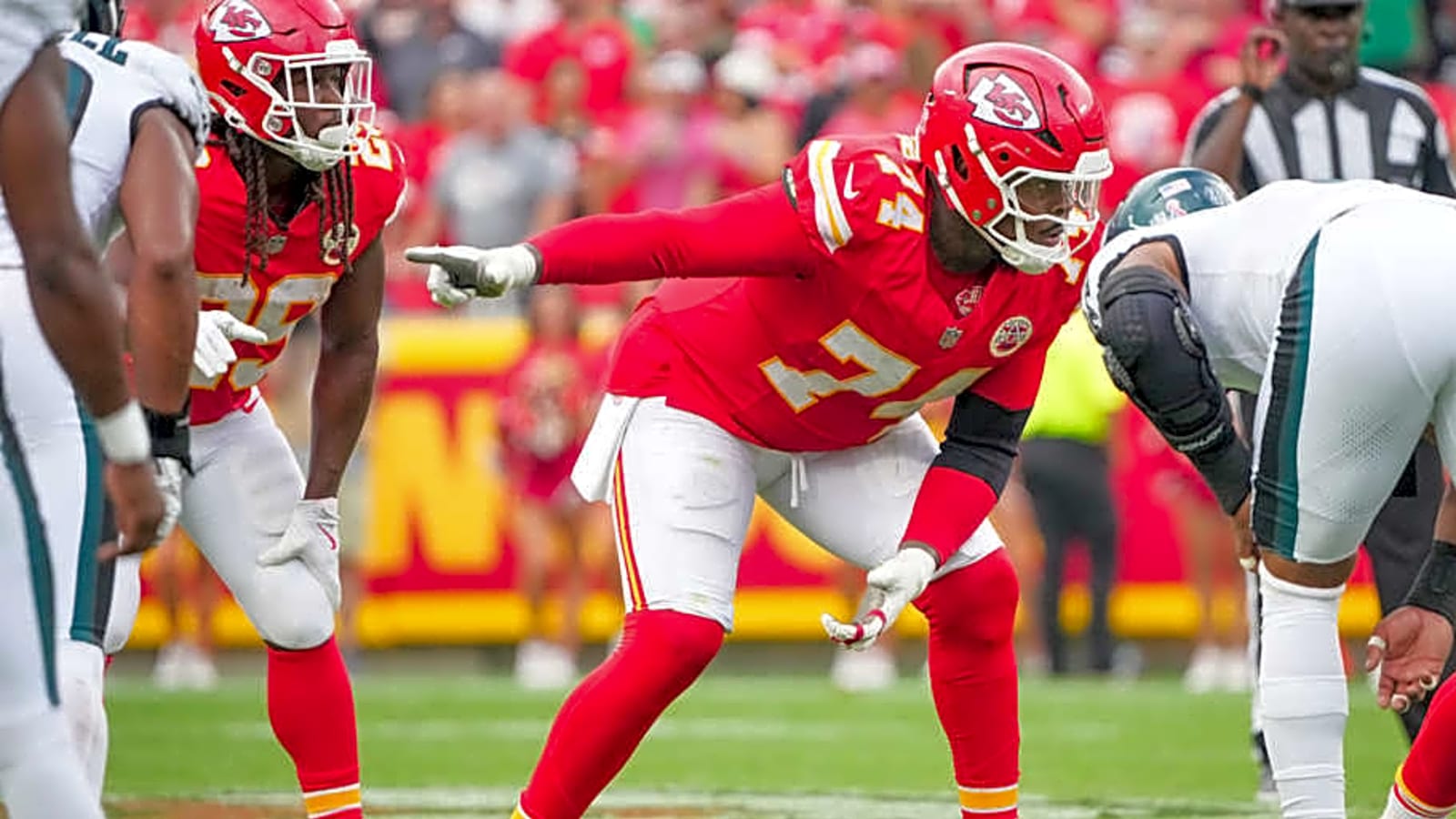
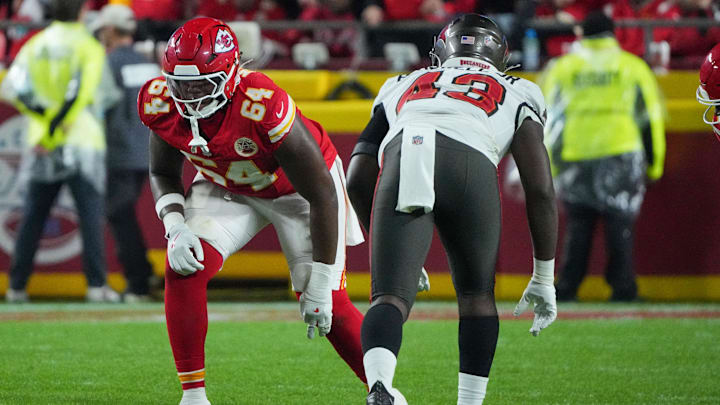
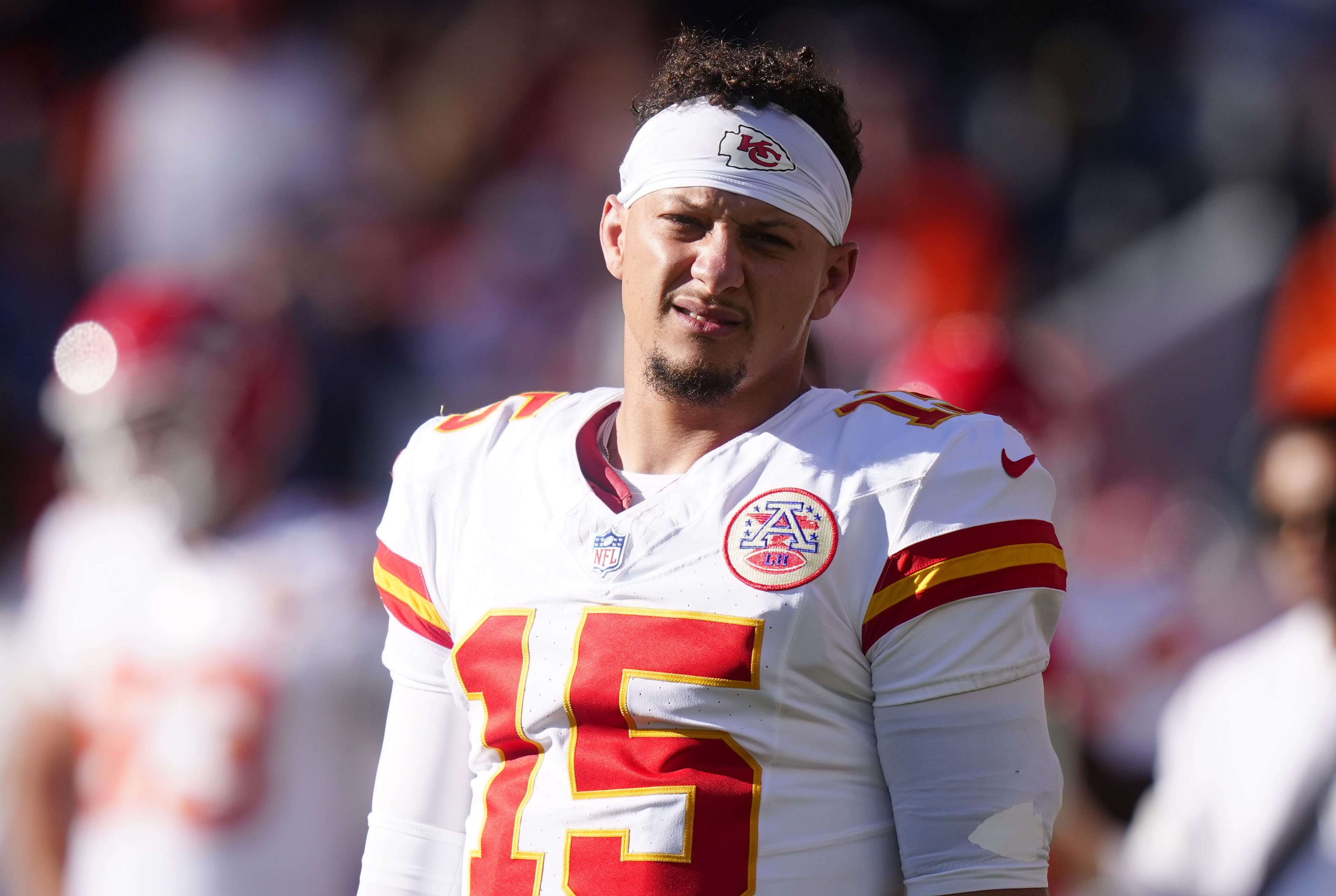
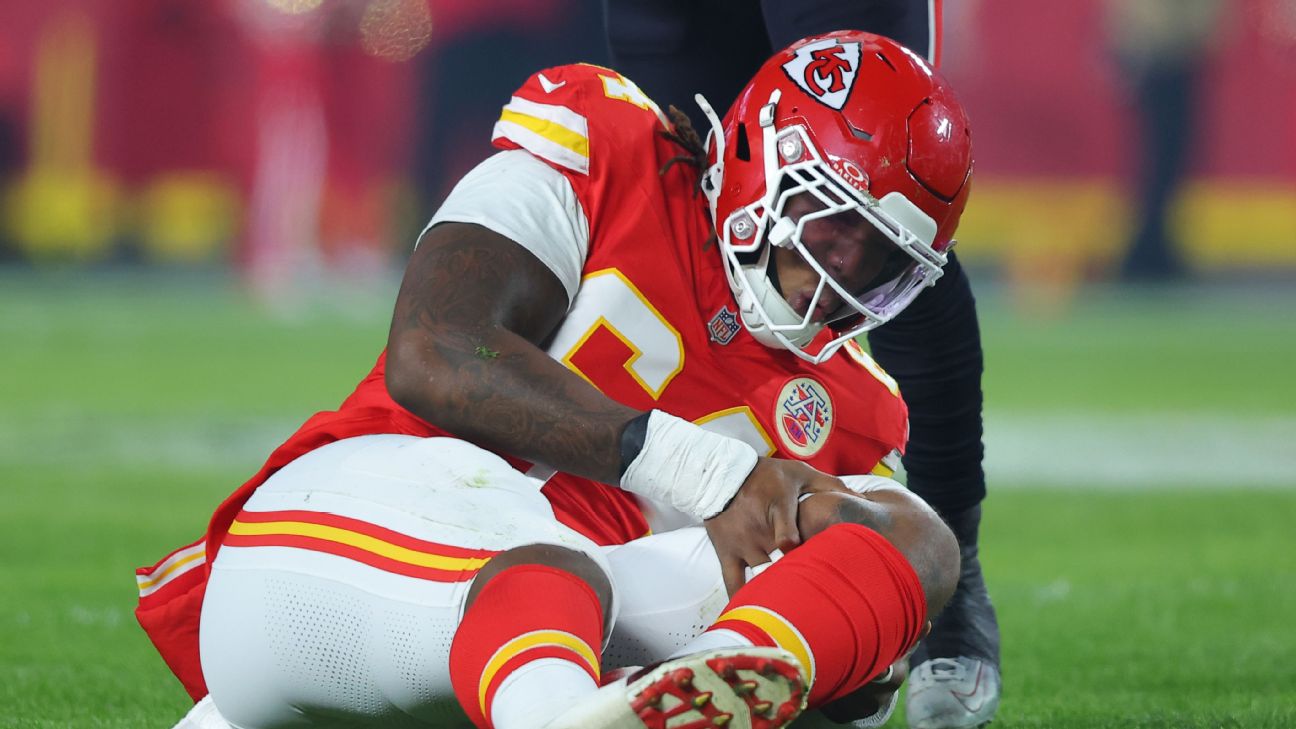
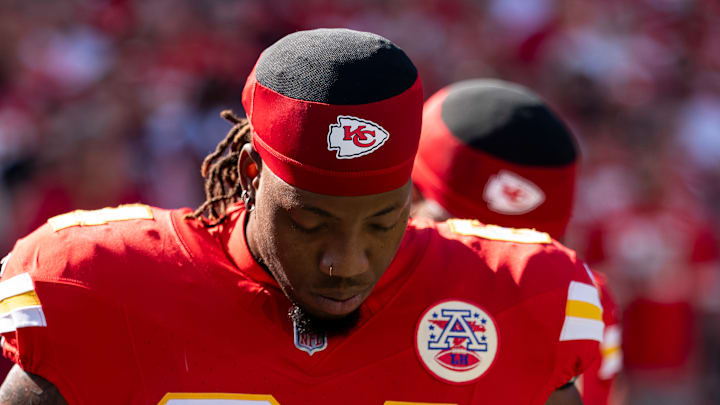
Injury Impact and Team Dynamics emerge as a critical theme, exemplified by Wanya Morris's knee injury during the first play against the Houston Texans. Morris being carted off the field represents more than a mere player setback—it symbolizes the fragile equilibrium of professional sports ecosystems. The Chiefs' offensive line "woes" highlight the microscopic margins between peak performance and systemic vulnerability.
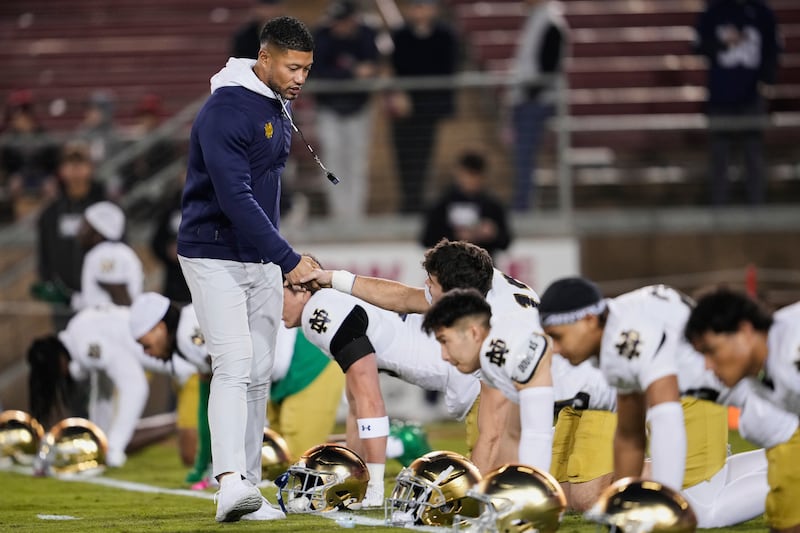
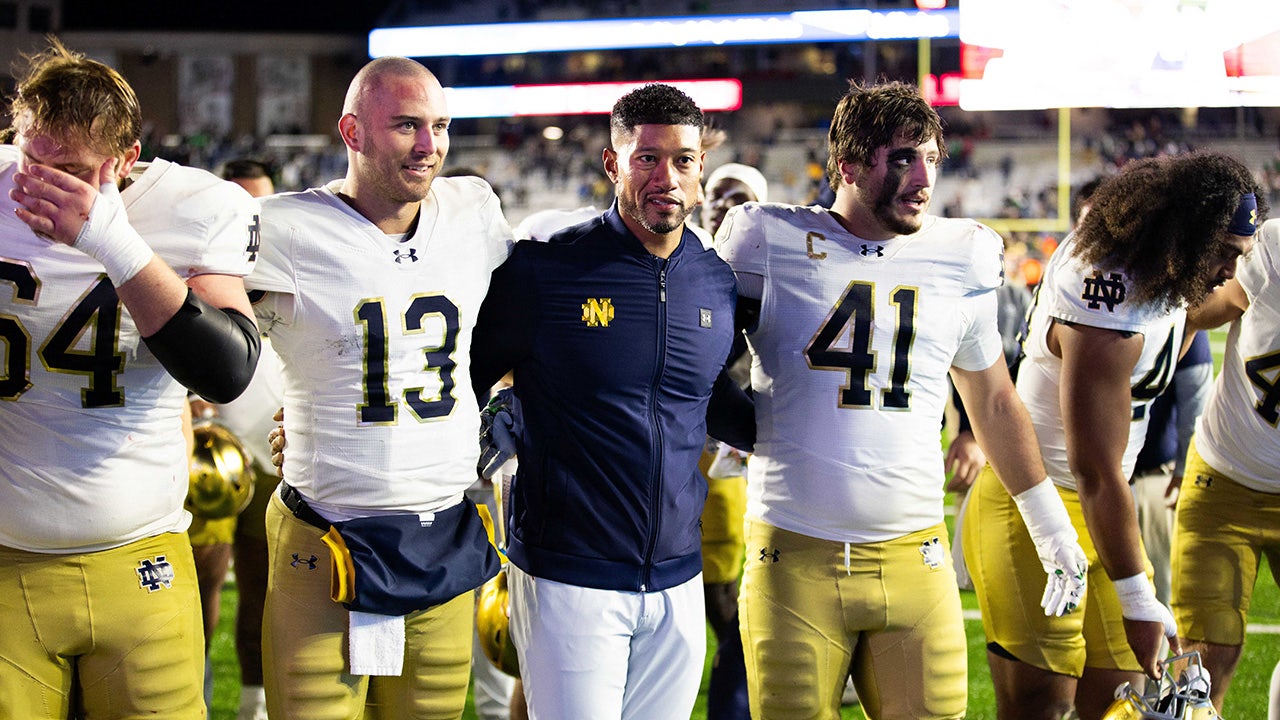
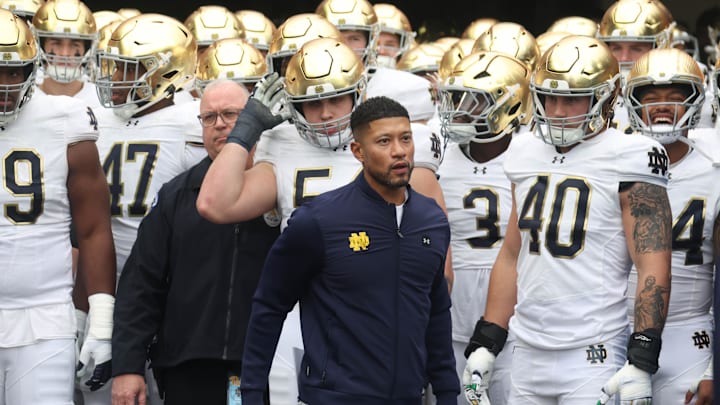
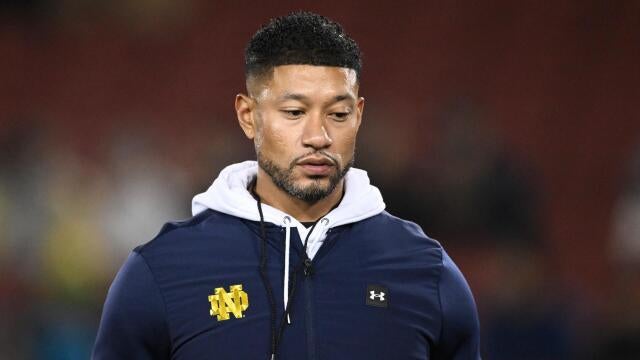
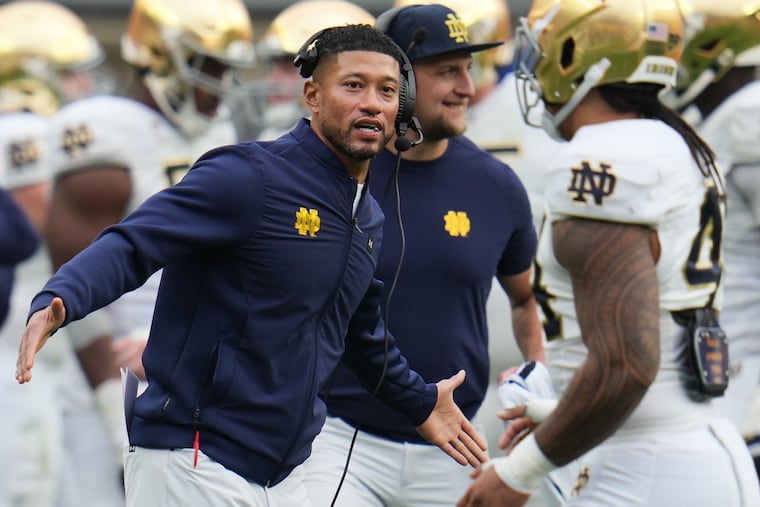
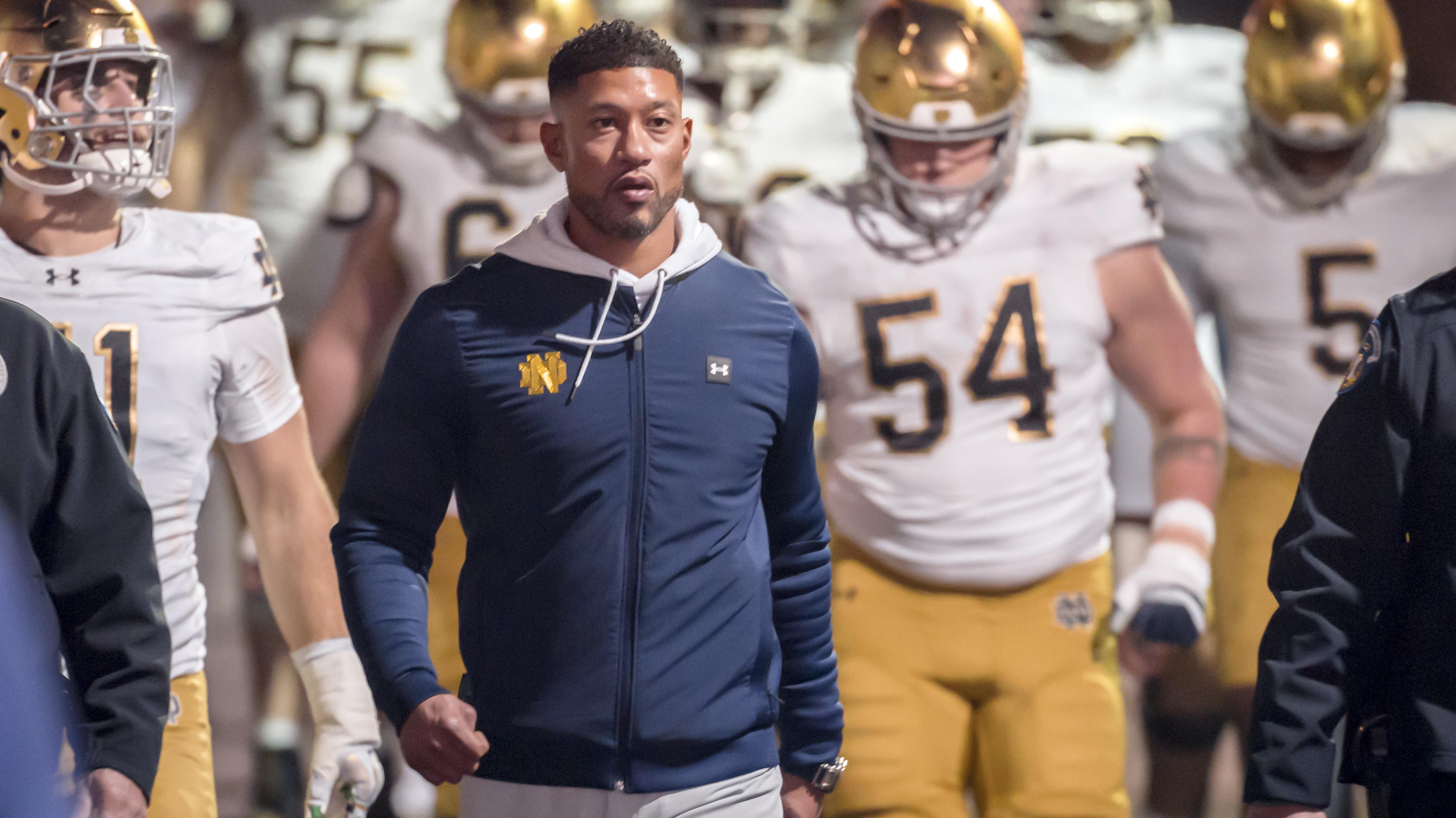
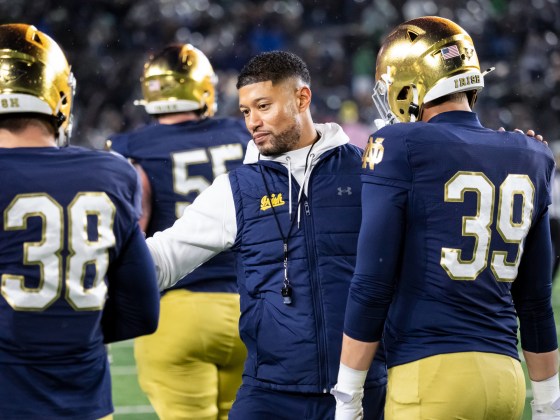
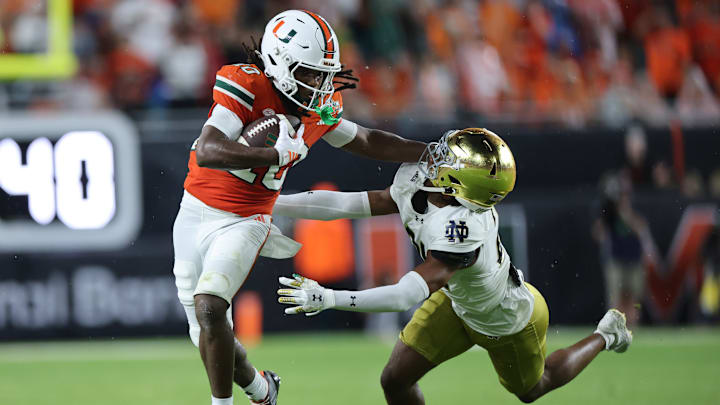
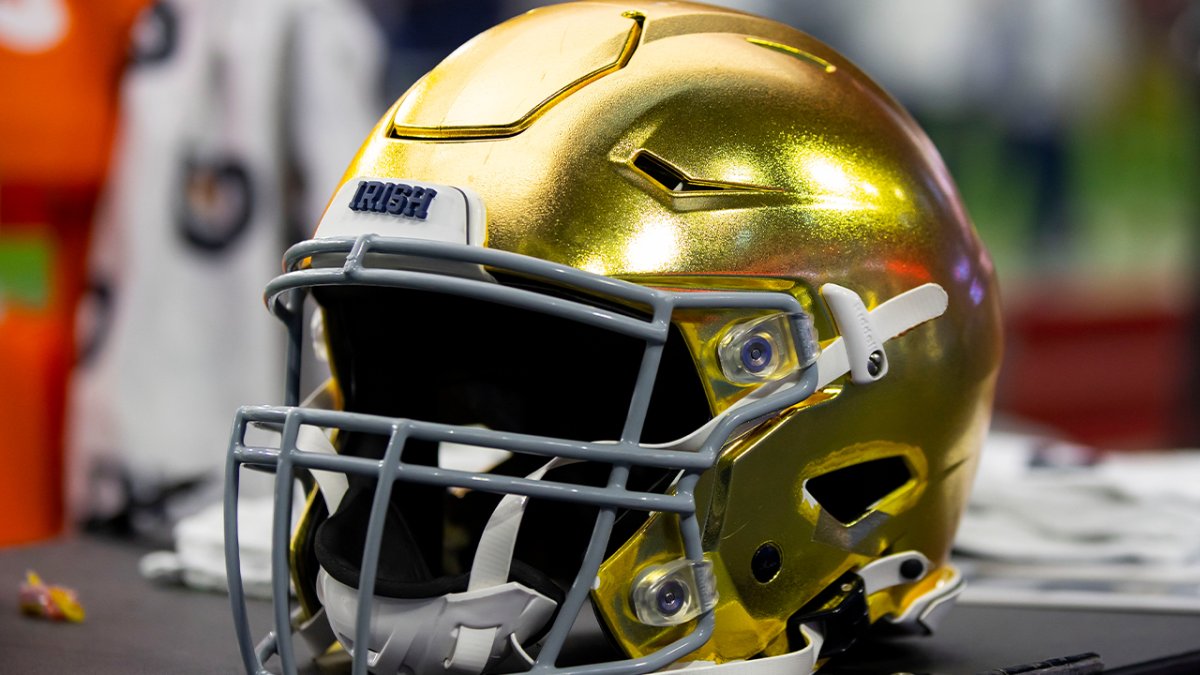
Competitive Disappointment and Strategic Response are equally prominent, as demonstrated by Notre Dame's decision to opt out of the bowl game after being excluded from the College Football Playoff. This reaction transcends a simple competitive snub, revealing the psychological dimensions of elite athletic programs. The team's "punched in the stomach" sentiment underscores how external evaluations can dramatically reshape team motivation and strategic positioning.
The underlying pattern suggests that modern sports organizations must develop robust, adaptive frameworks that can rapidly recalibrate when confronted with unexpected challenges. Whether through injury management or competitive setbacks, the ability to maintain strategic composure becomes as crucial as on-field performance.
These narratives remind us that resilience is not about avoiding disruption, but about constructing flexible systems that can absorb and transform unexpected challenges into opportunities for growth and reinvention.
Questions 3
How do sports teams typically respond to unexpected player injuries?
Top-tier teams like the Kansas City Chiefs develop comprehensive injury management protocols that include immediate medical assessment, potential roster adjustments, and strategic game plan modifications. The goal is to maintain team performance by rapidly redistributing responsibilities and minimizing operational disruption.
What psychological factors influence a team's response to competitive disappointment?
Teams like Notre Dame demonstrate that competitive disappointment can trigger either demoralization or strategic recalibration. The key is leadership's ability to transform external setbacks into internal motivation, using disappointment as a catalyst for future improvement and team cohesion.