





Fantasy Football's Strategic Playbook Emerges Through Week 14 Performance Dynamics
- Rookie Talent and Performance Analytics Reshape Player Valuation Strategies

.jpg)



































































Overview
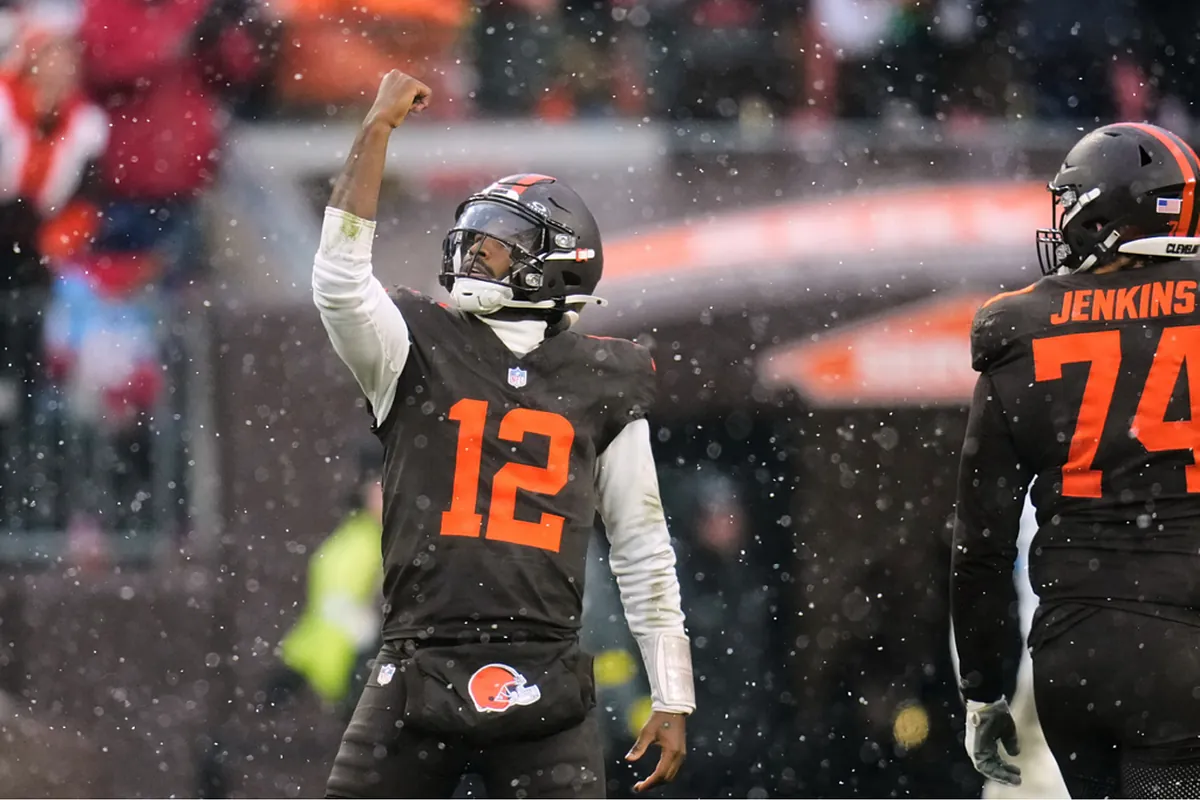
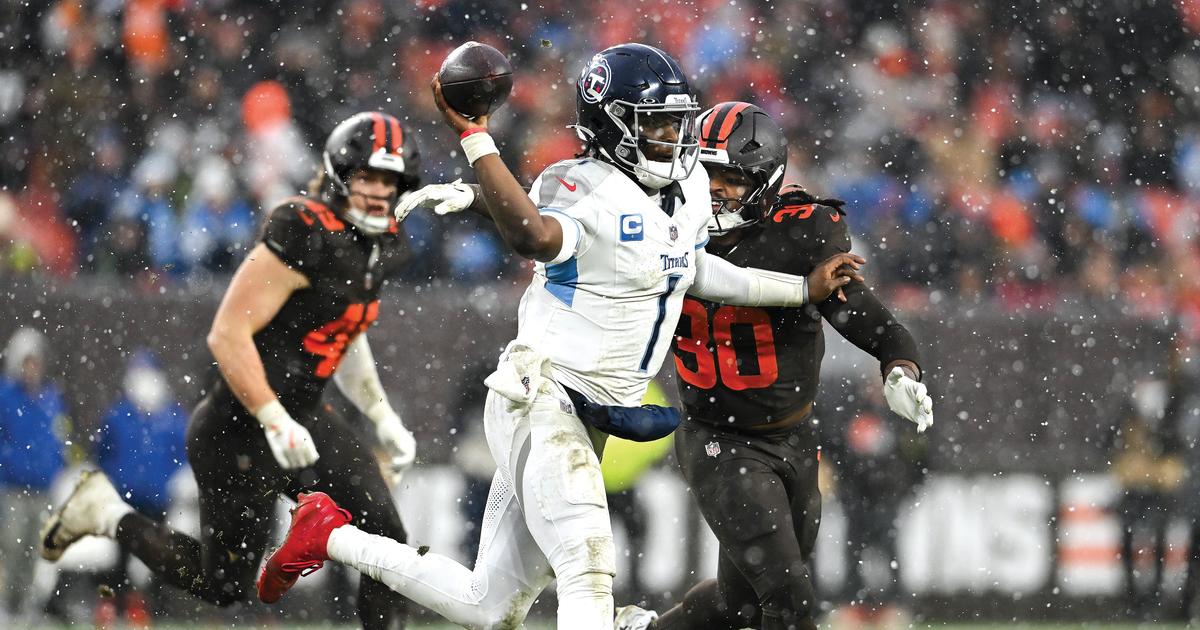
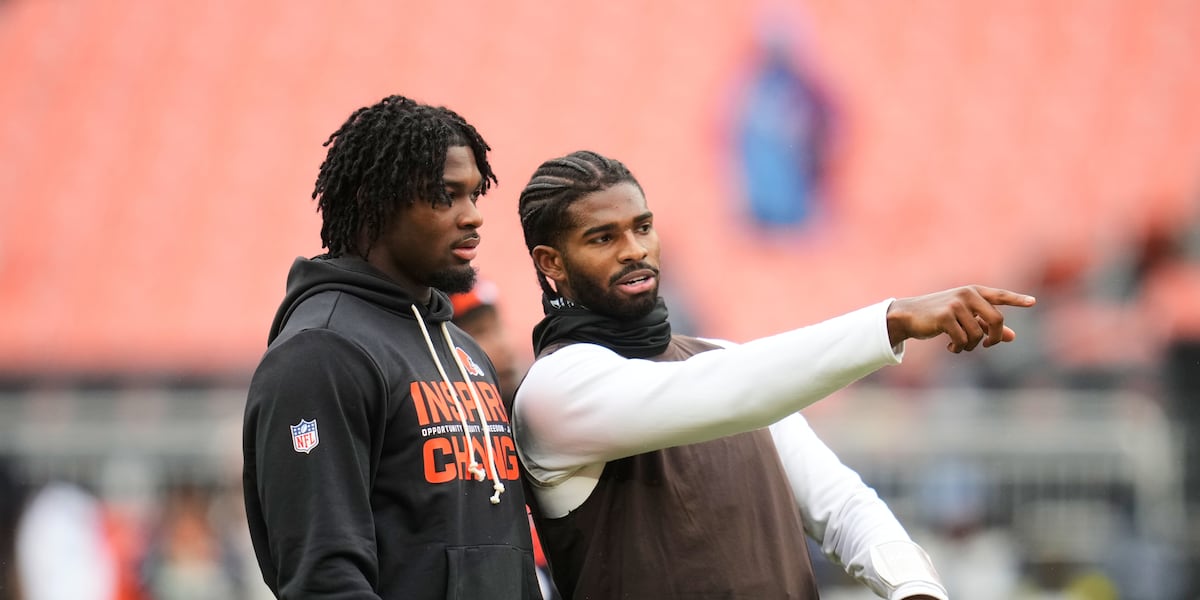
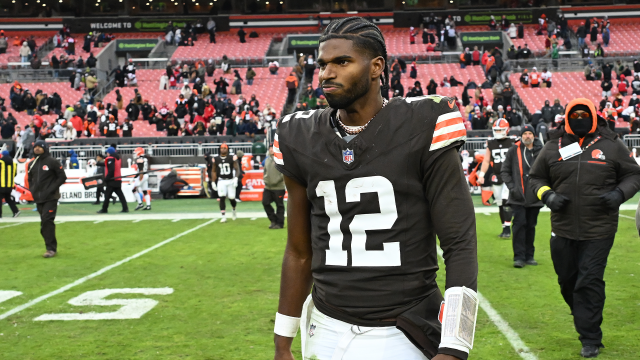
Fantasy football's Week 14 landscape reveals critical insights into player performance and strategic decision-making, highlighting the complex ecosystem of NFL talent evaluation and predictive analytics. The week's most compelling narrative centers on emerging quarterback talent, particularly exemplified by Shedeur Sanders' performance for the Cleveland Browns.
Performance Metrics and Talent Identification are becoming increasingly sophisticated in fantasy football ecosystems. Sanders' game against the Titans, despite resulting in a loss, demonstrated the nuanced way rookie quarterbacks are now assessed—not just through win-loss records, but through potential, adaptability, and strategic promise. This represents a significant shift from traditional performance evaluation methods.
The Non-PPR (Non-Point Per Reception) Cheat Sheet further underscores the analytical depth now required in fantasy football strategy. These detailed start/sit guides with confidence ratings reveal a data-driven approach to player selection that goes beyond surface-level statistics. Coaches and fantasy managers are now leveraging granular performance analytics to make more informed decisions, transforming fantasy football from a casual hobby into a sophisticated predictive exercise.
Key Strategic Implications emerge from these insights: fantasy football is no longer just about individual player stats, but about understanding complex performance ecosystems. The ability to read between the statistical lines—recognizing potential, adaptability, and strategic fit—has become paramount. For players, coaches, and fantasy enthusiasts, this means developing more nuanced evaluation frameworks that capture the multidimensional nature of athletic performance.
The Week 14 analysis demonstrates that success in fantasy football now requires a holistic view: tracking rookie potential, understanding league-specific scoring mechanisms, and developing predictive models that go beyond traditional metrics. As data analytics continue to evolve, the line between sports management and strategic forecasting becomes increasingly blurred.
Questions 3
How are rookie quarterbacks like Shedeur Sanders changing fantasy football strategy?
Rookie quarterbacks are now evaluated through a more nuanced lens that considers potential, adaptability, and strategic promise, not just traditional statistical performance. Sanders' game demonstrates how emerging talent can reshape team and fantasy football perspectives.
What makes the Non-PPR Cheat Sheet significant for fantasy football managers?
The Non-PPR Cheat Sheet provides detailed confidence ratings and strategic recommendations that go beyond basic statistics, helping managers make more informed player selection decisions by leveraging advanced performance analytics.