


Baltic Geopolitical Tensions Escalate | Supply Chain & Logistics Risk Alert for Nordic E-Commerce Sellers
- Intensified Russian hybrid warfare in Nordic region creates shipping delays, port security costs, and cyber-attack risks for cross-border sellers operating in Sweden, Denmark, and Baltic states

































Overview
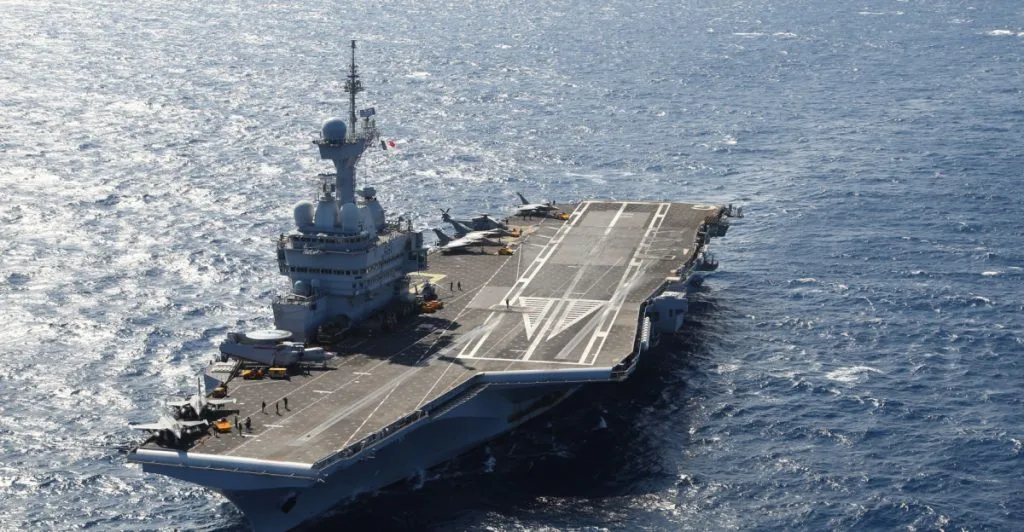
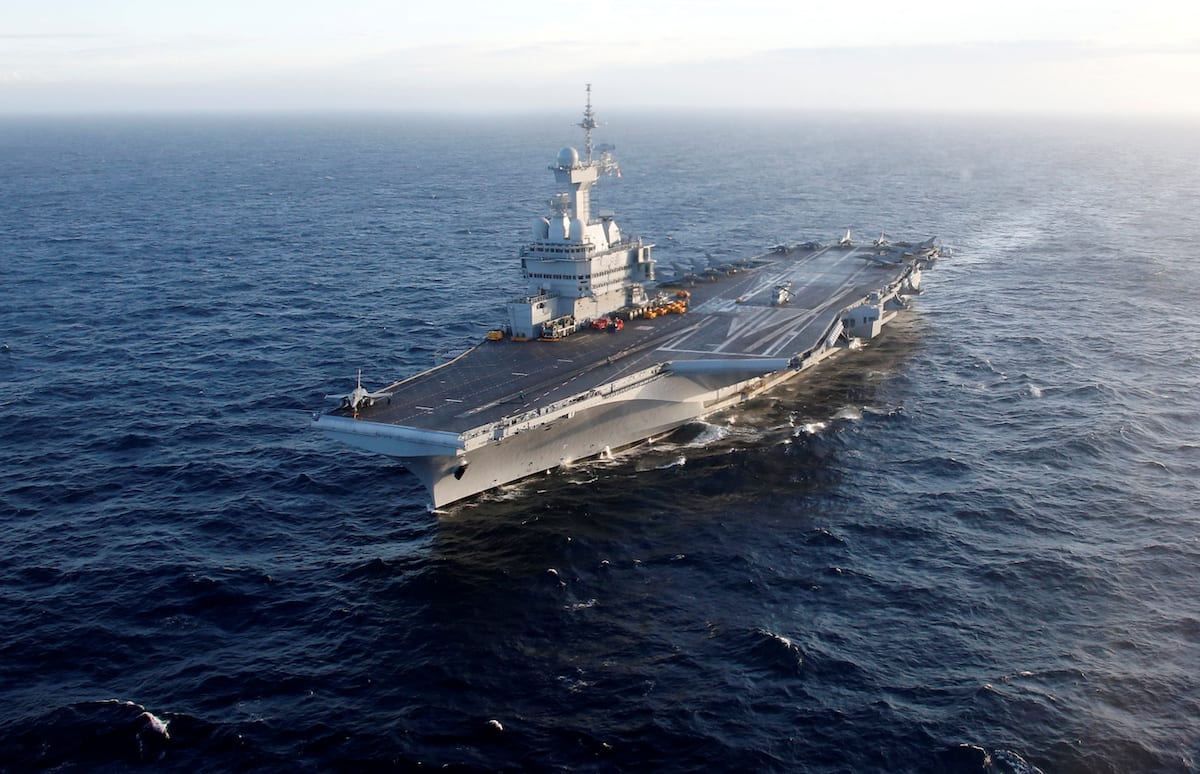
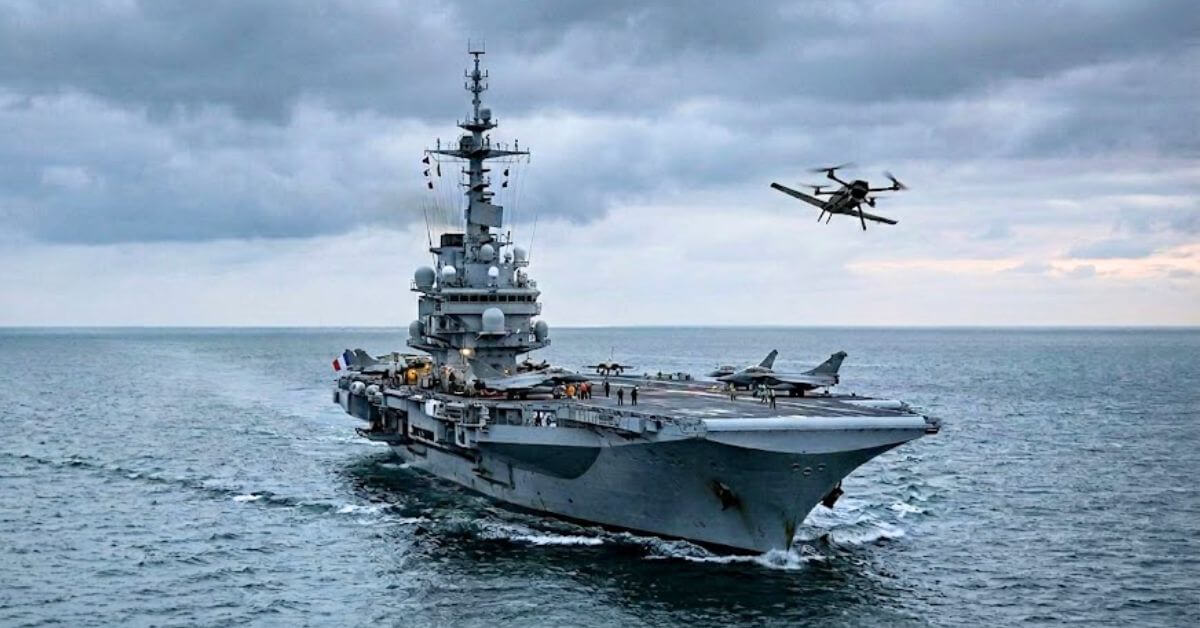
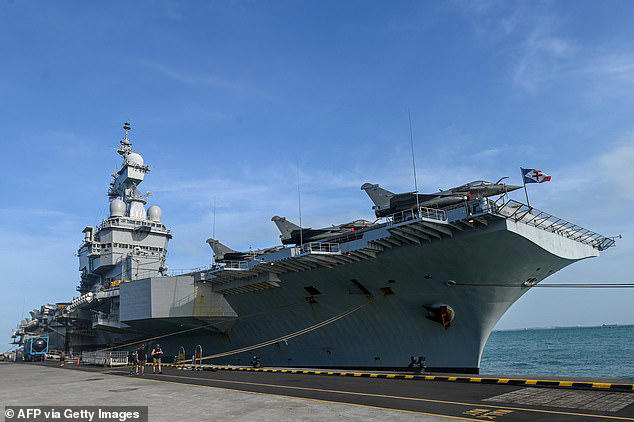
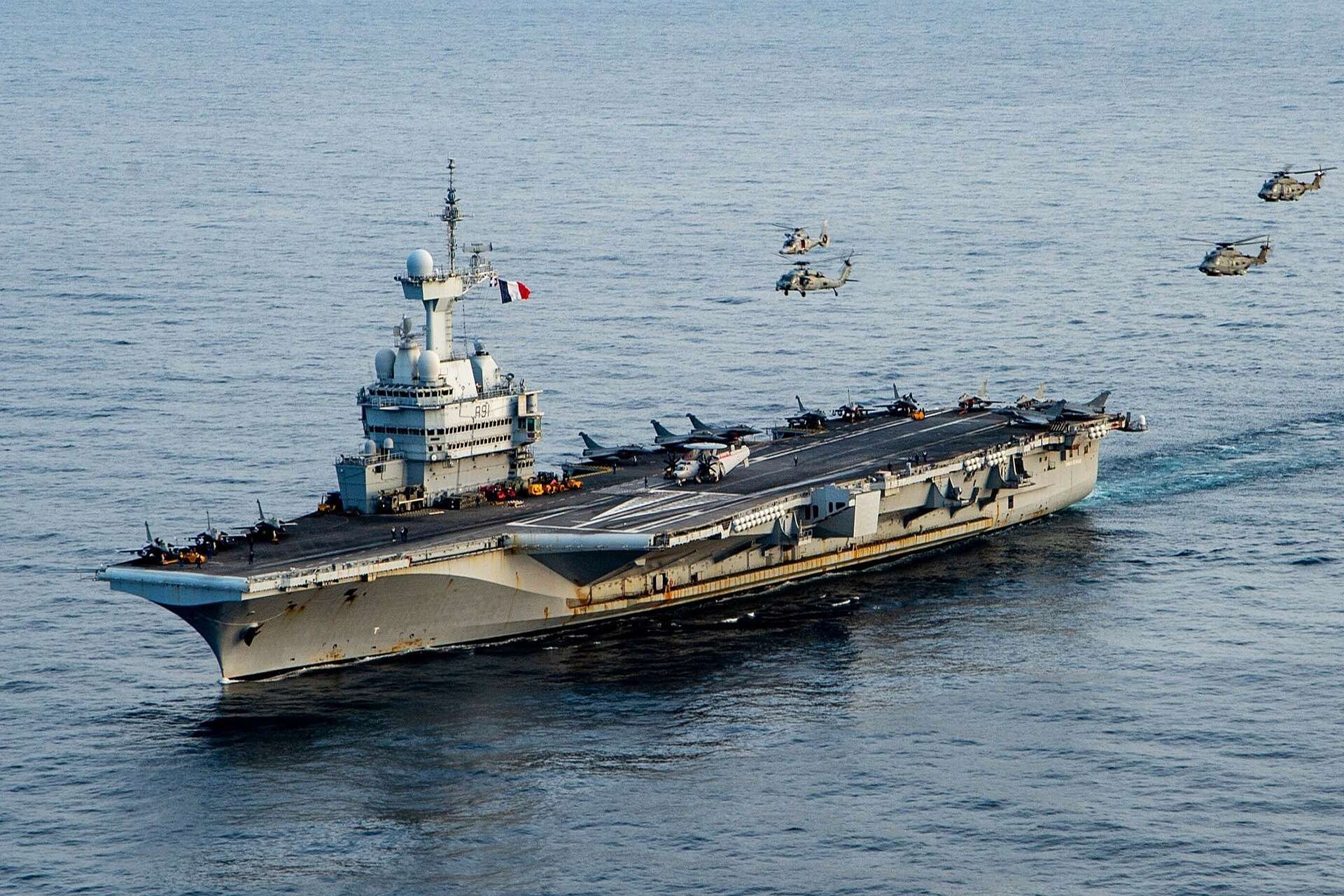
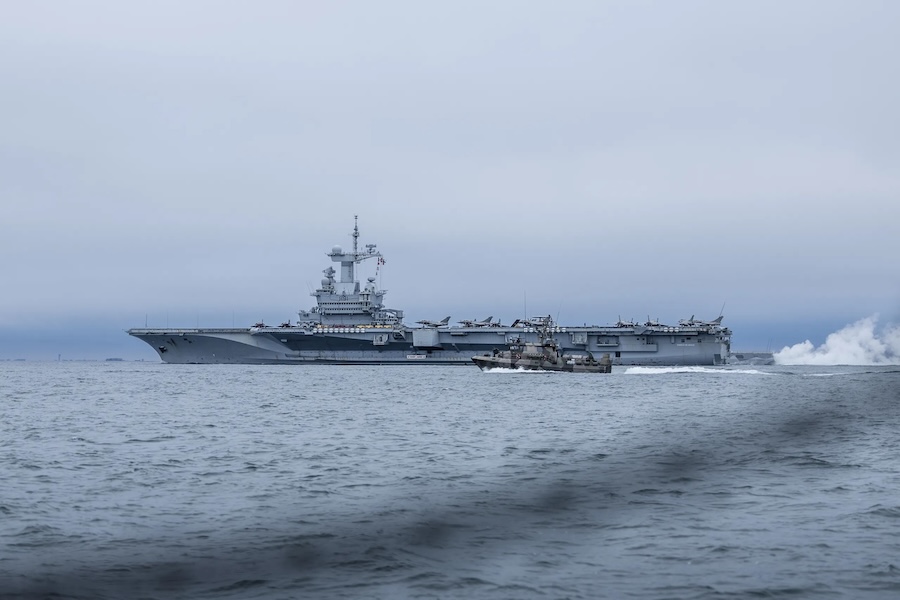
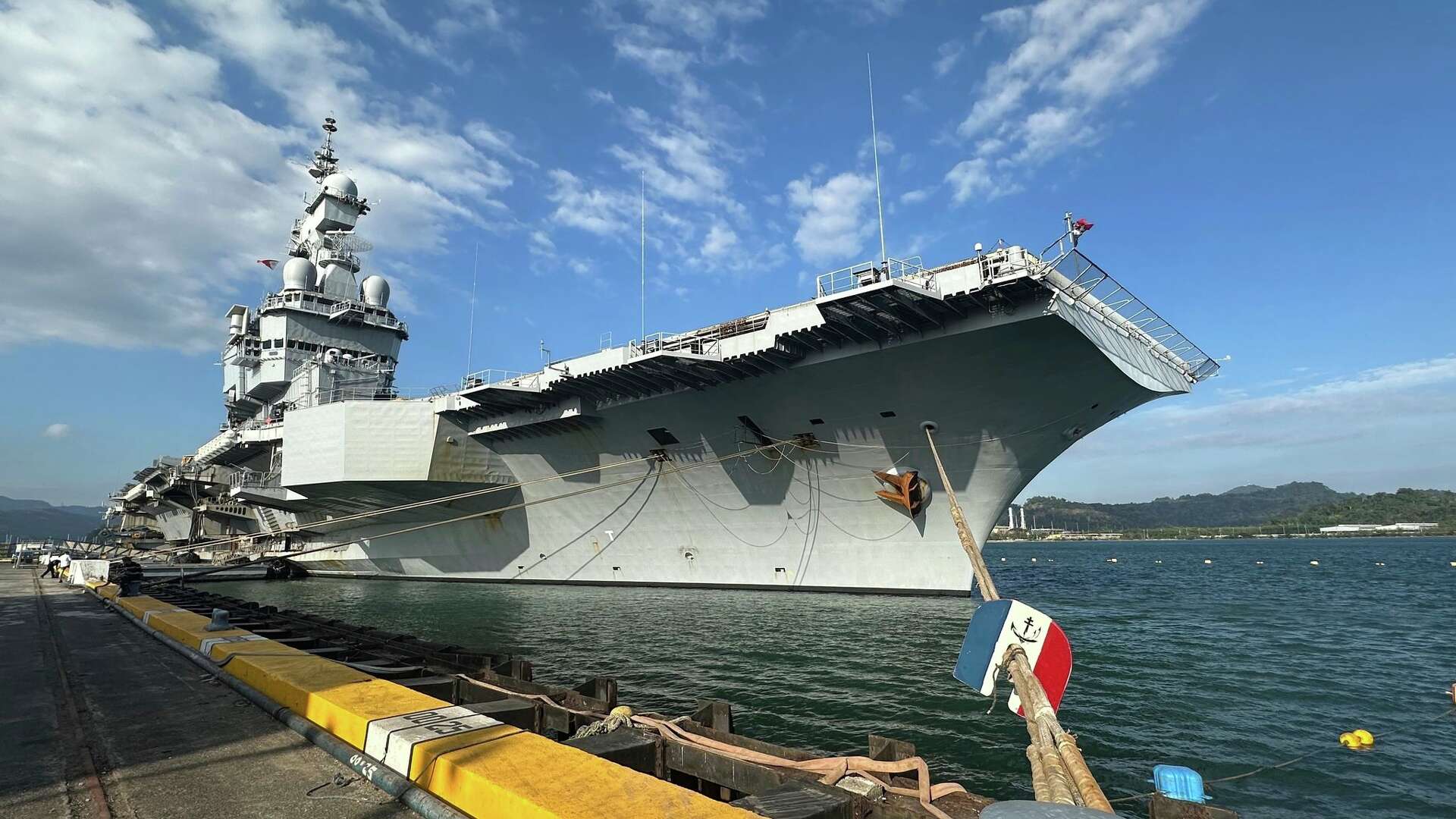
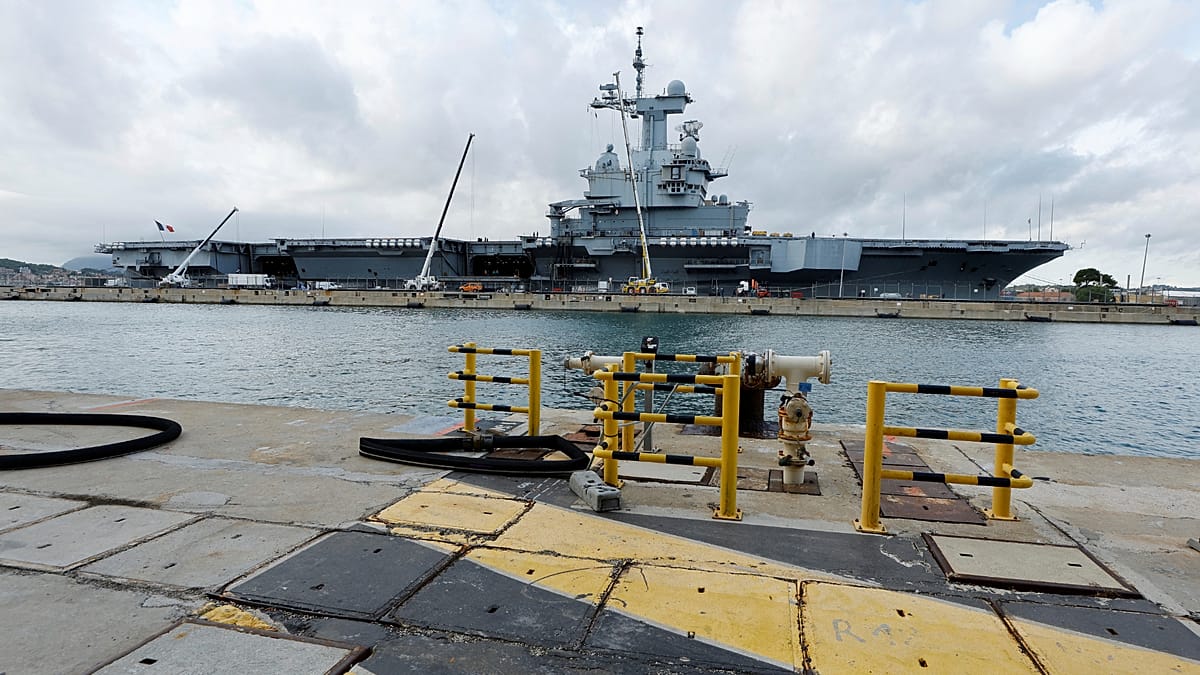
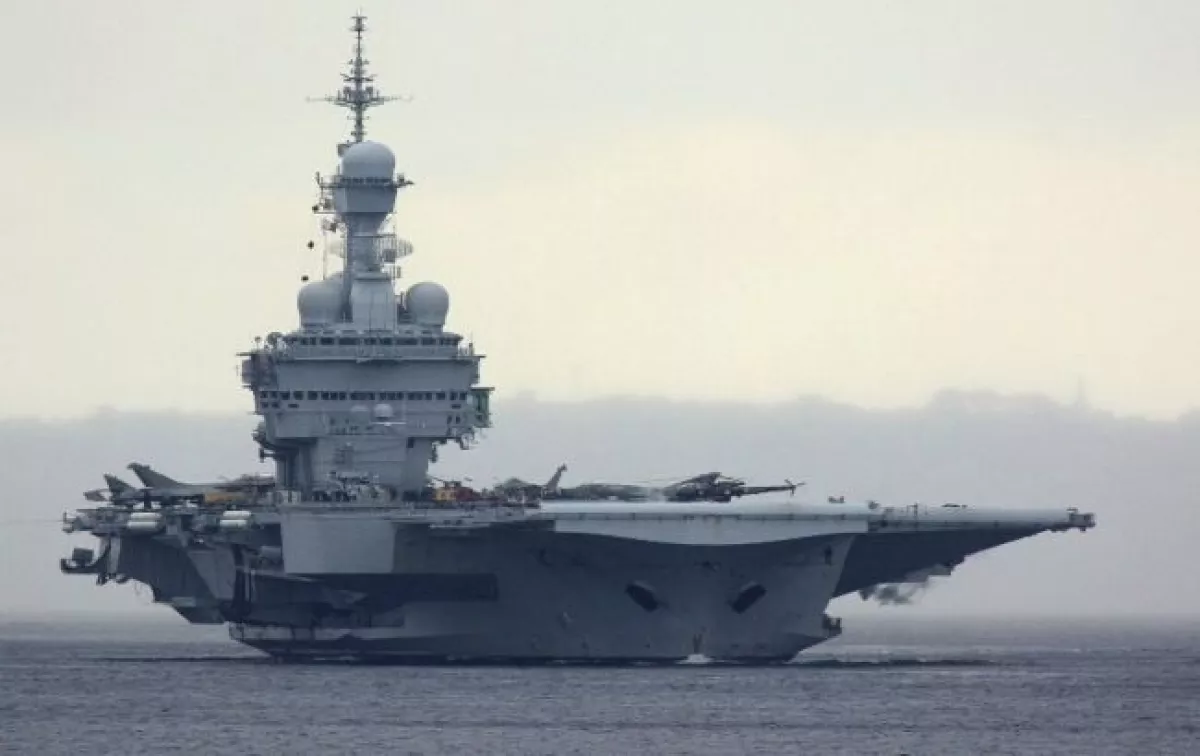
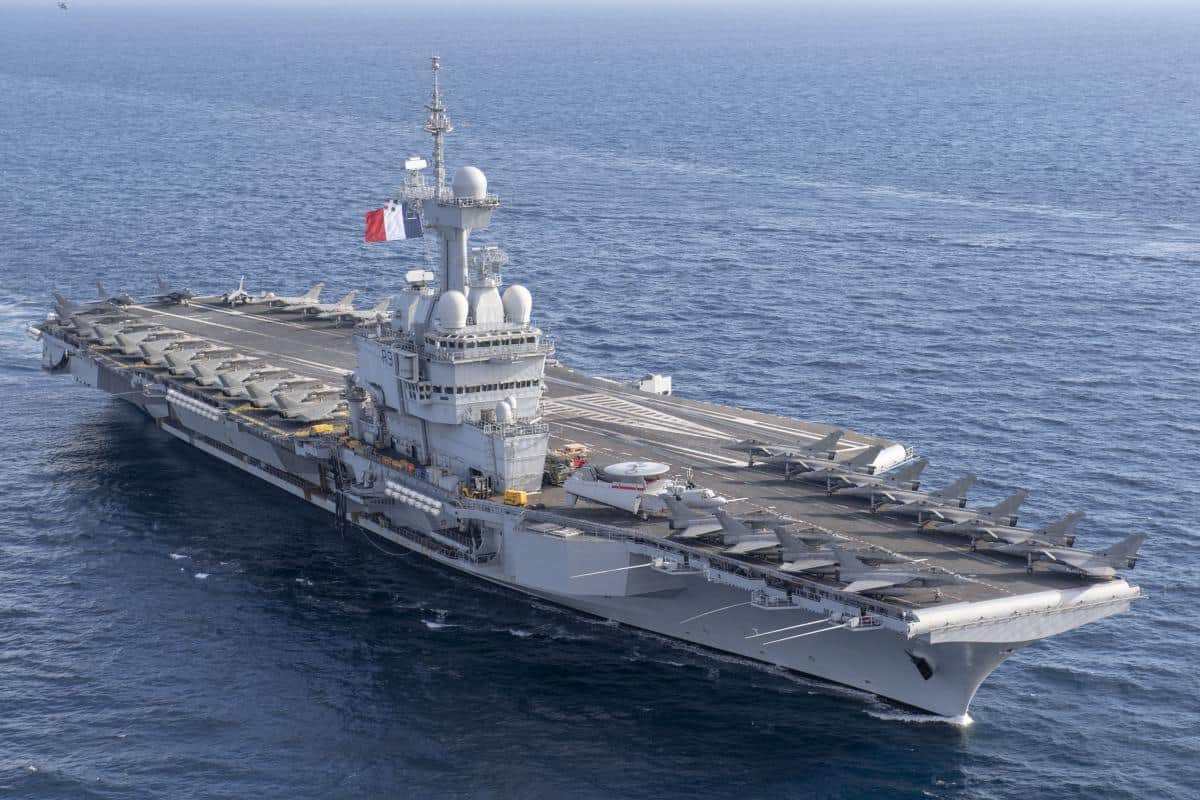
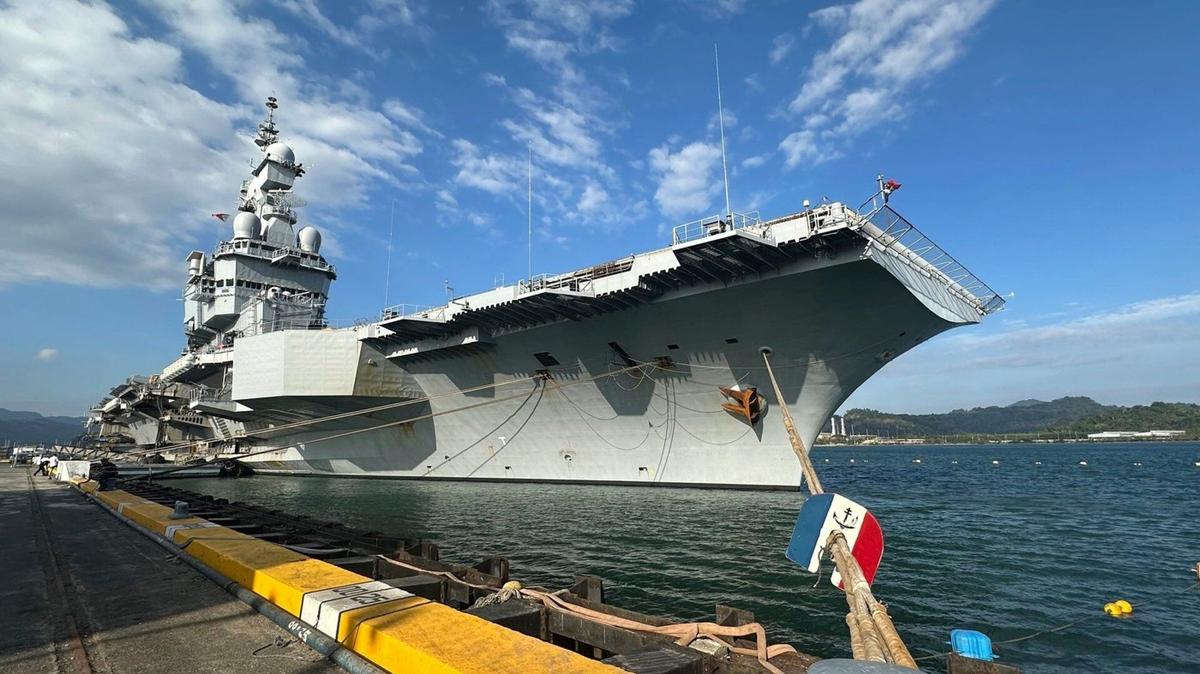
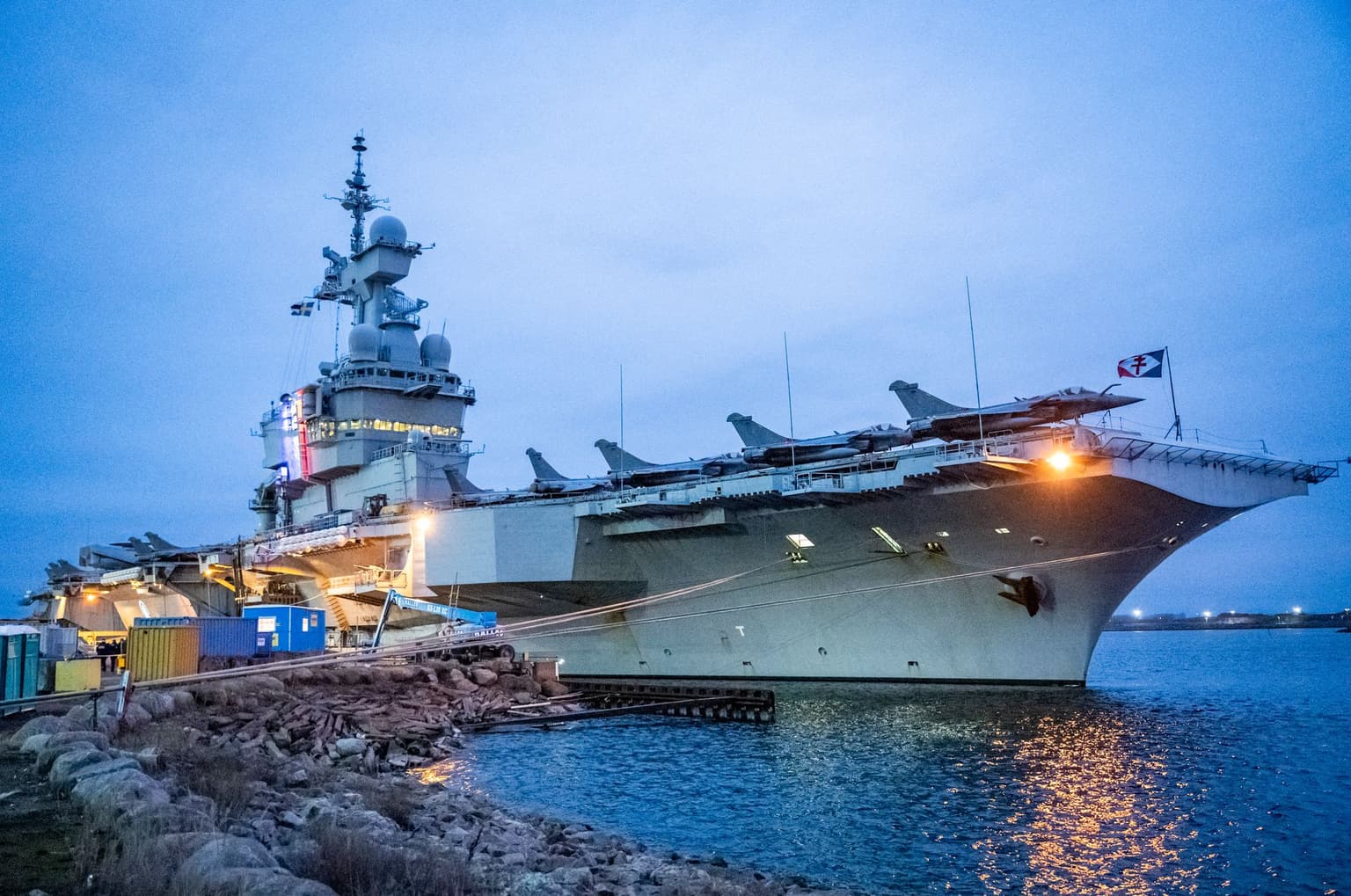
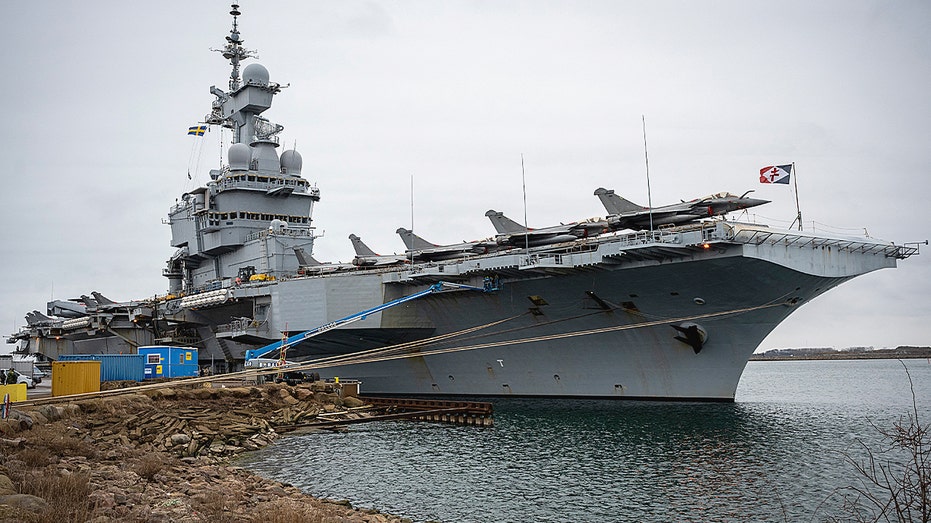
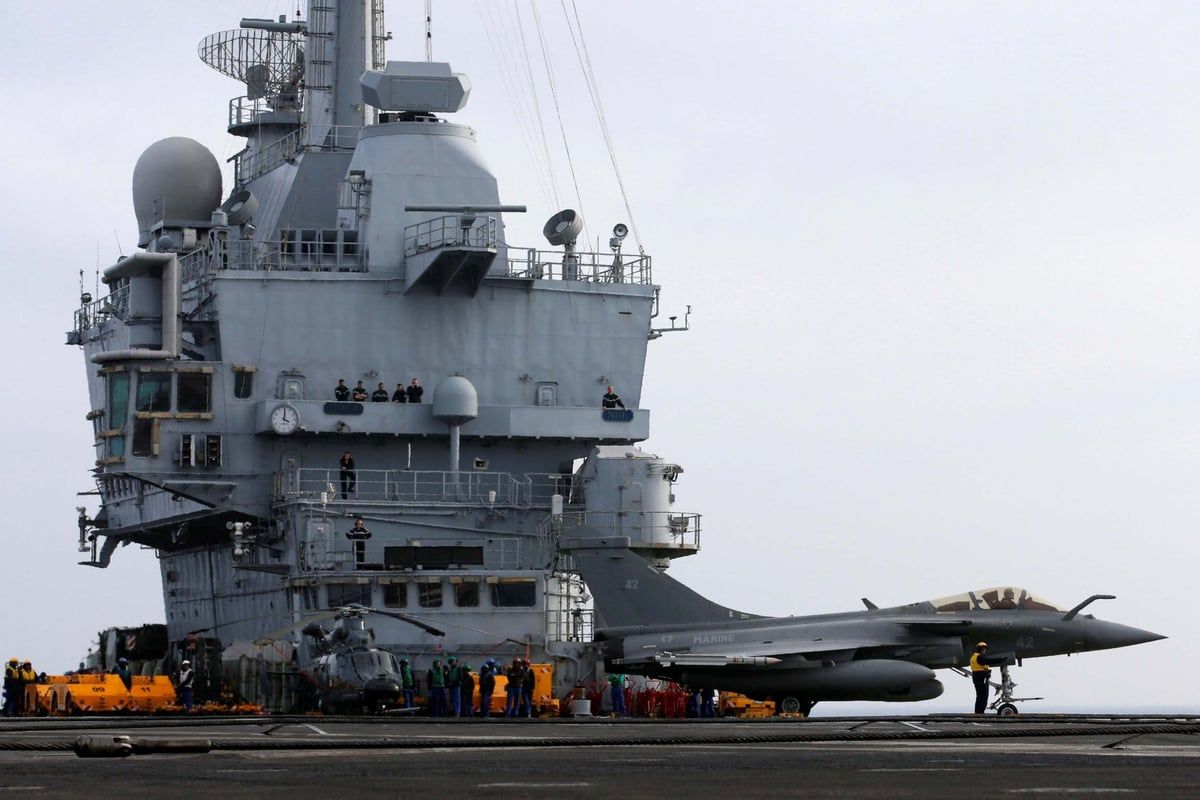
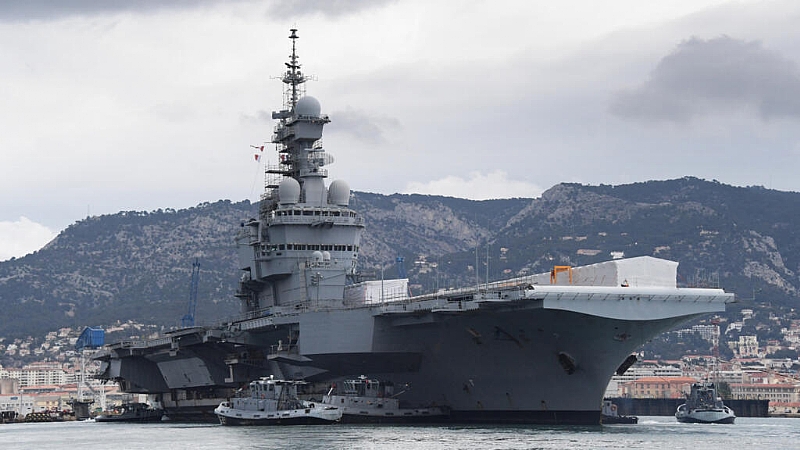
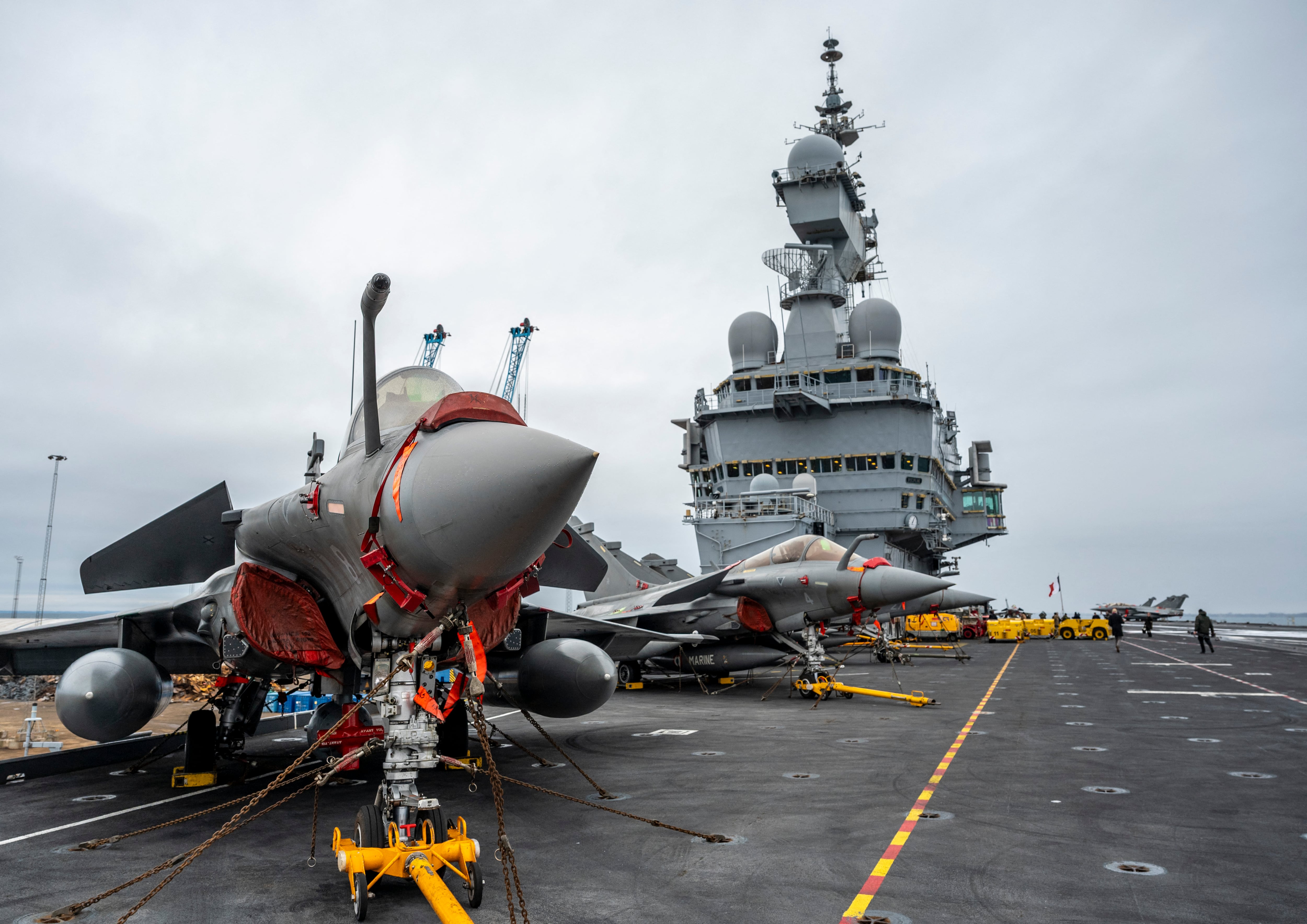
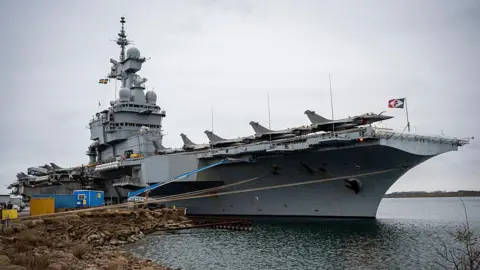
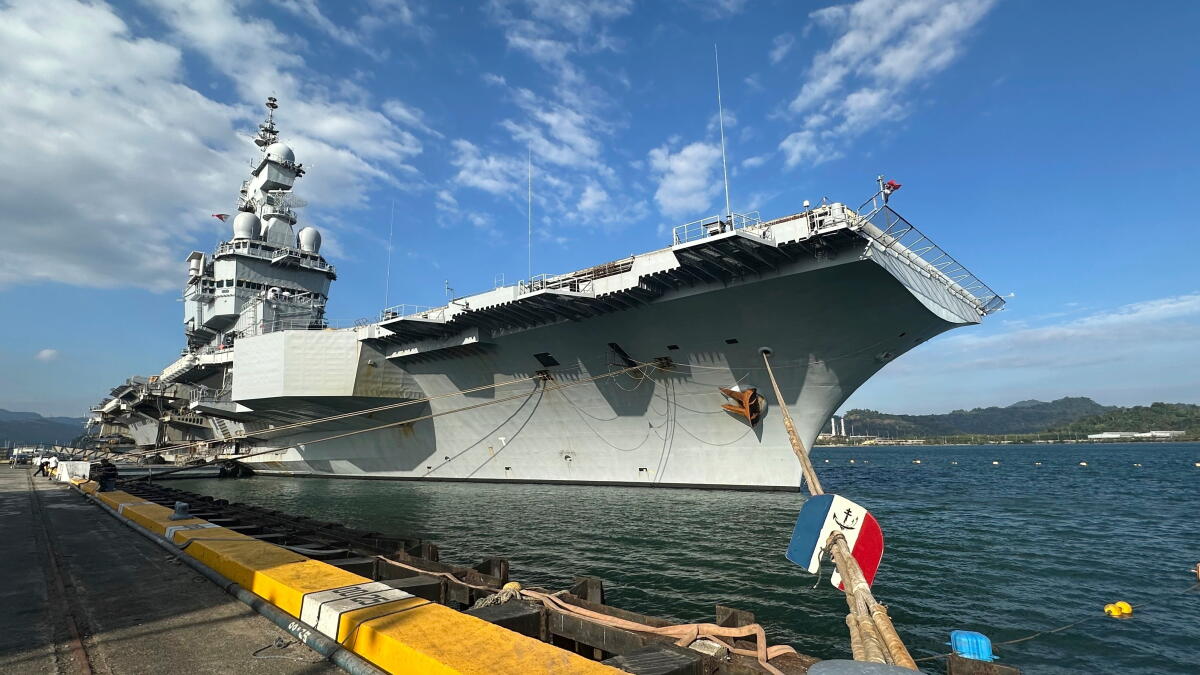
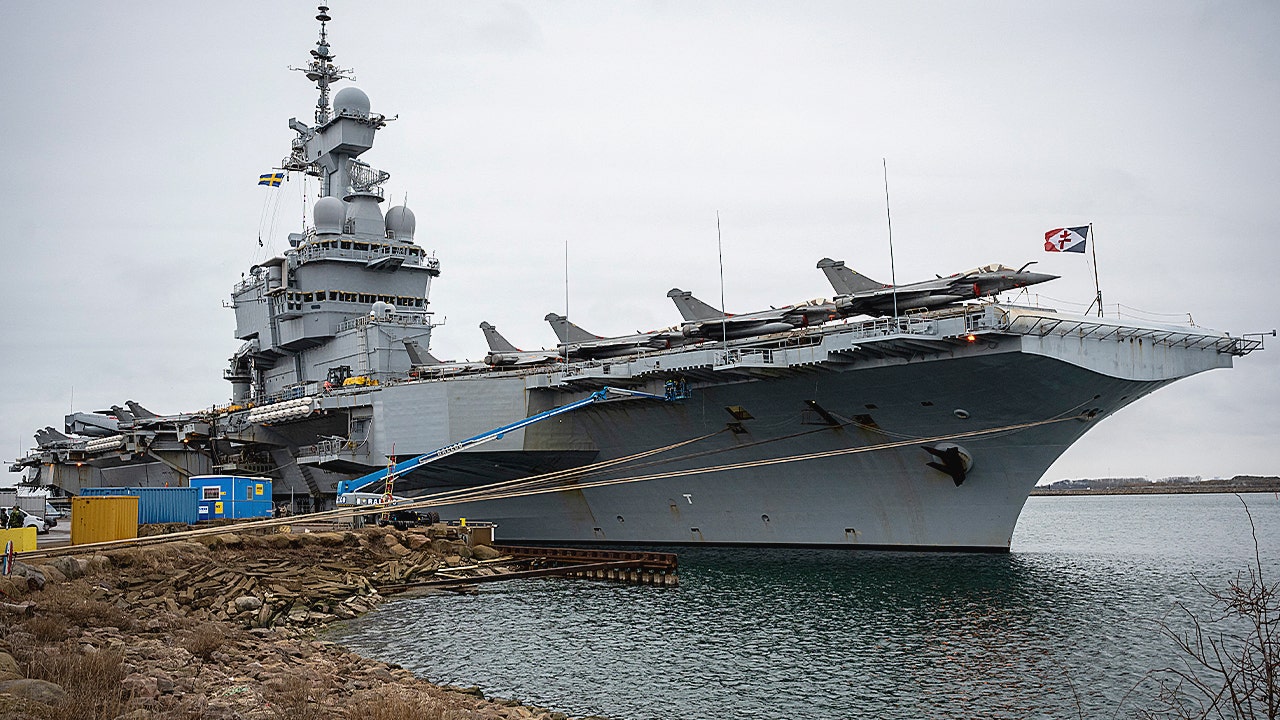
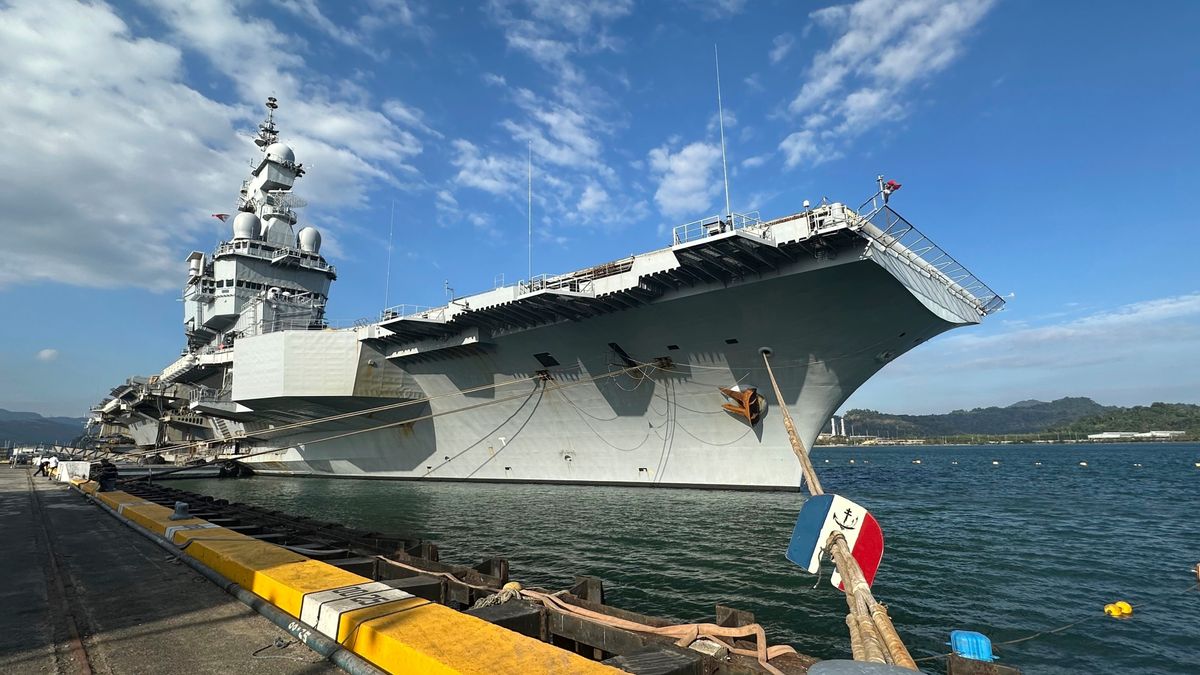
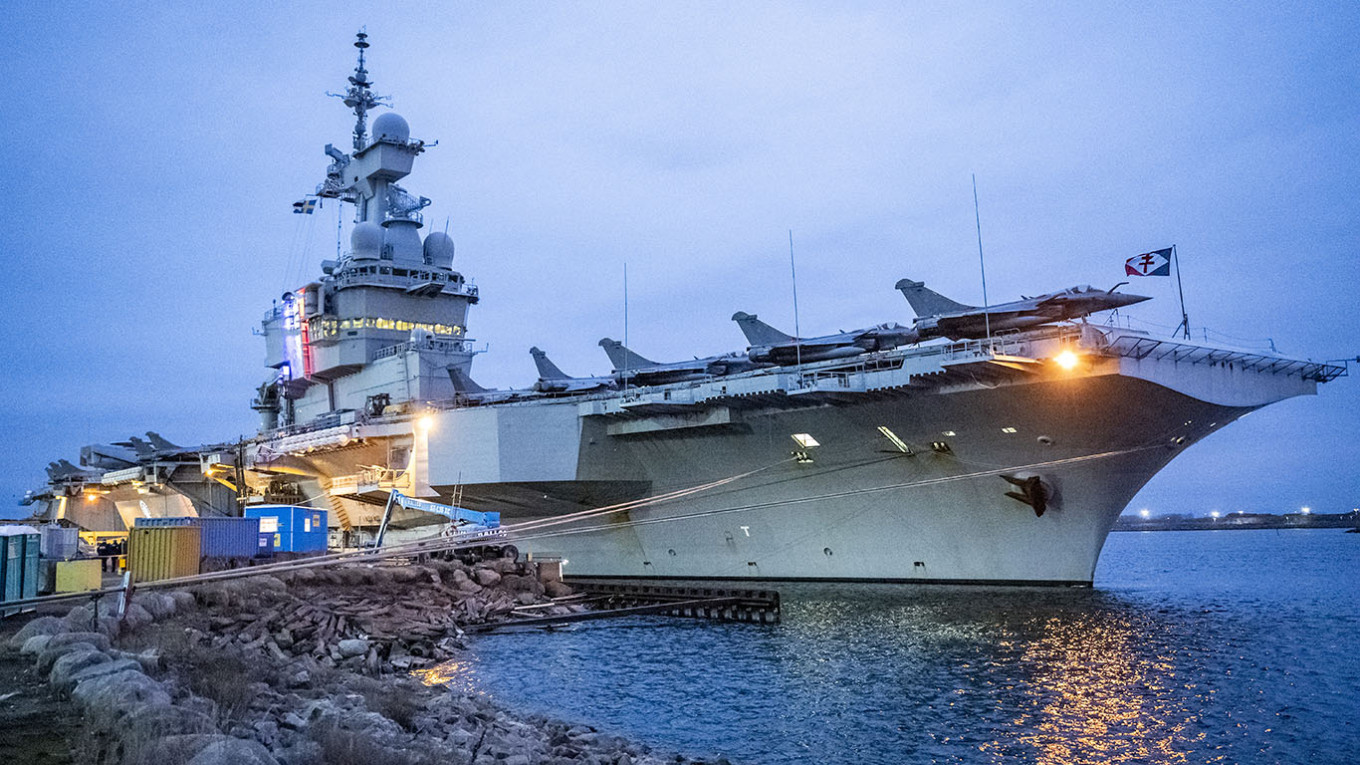
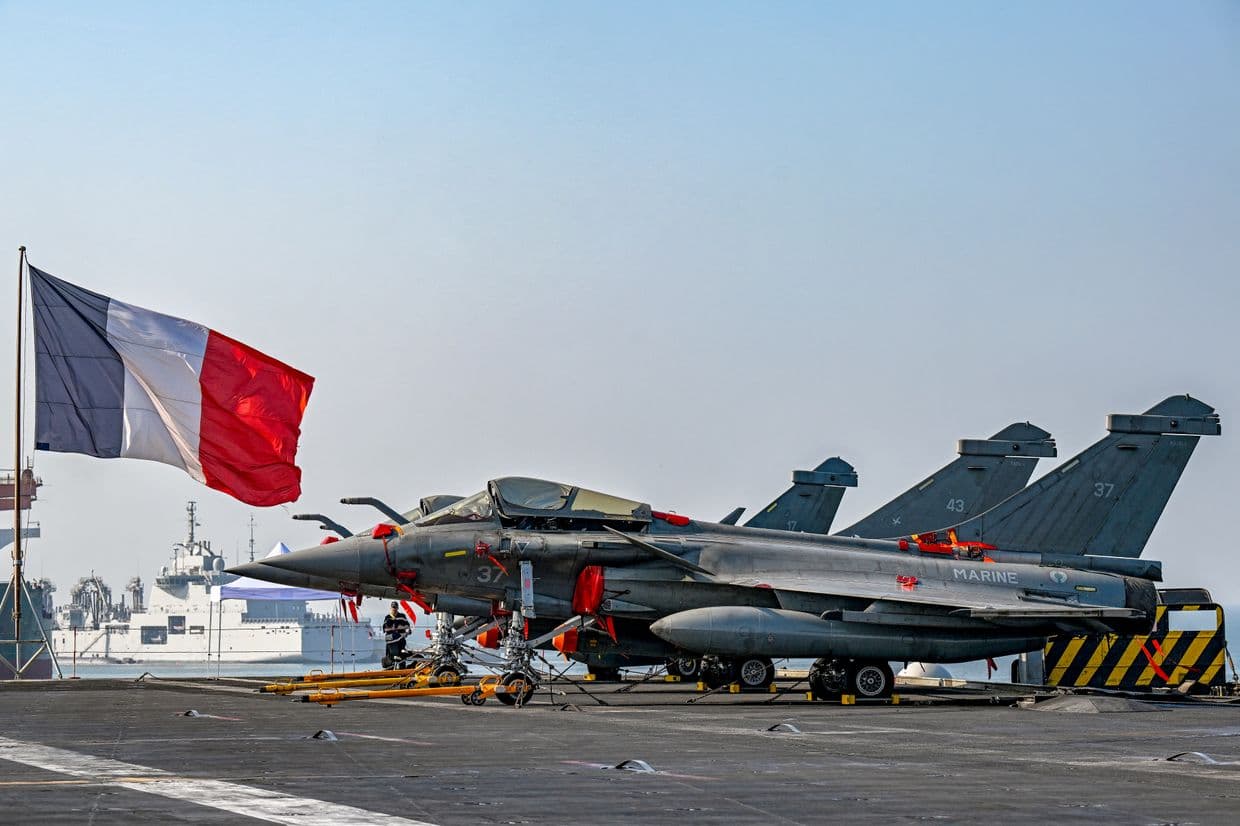
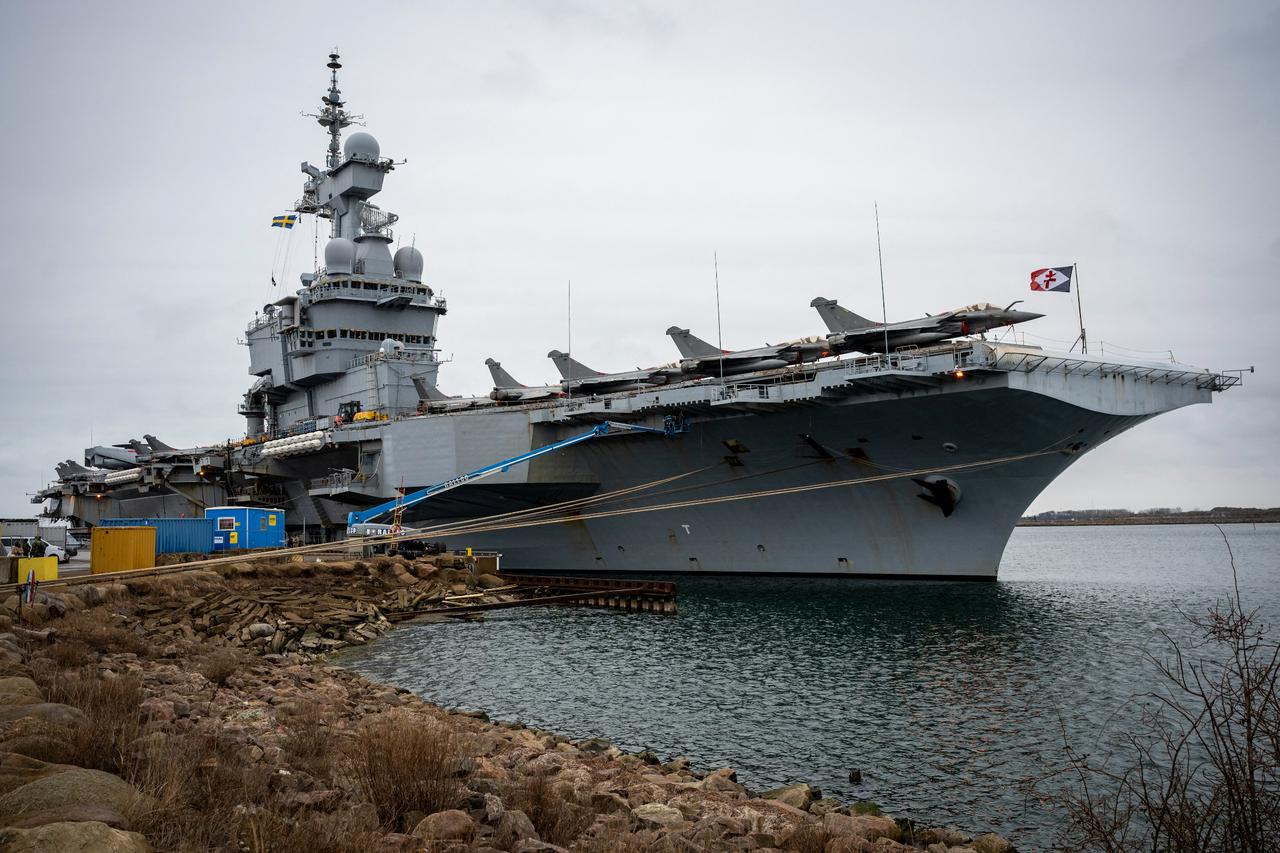
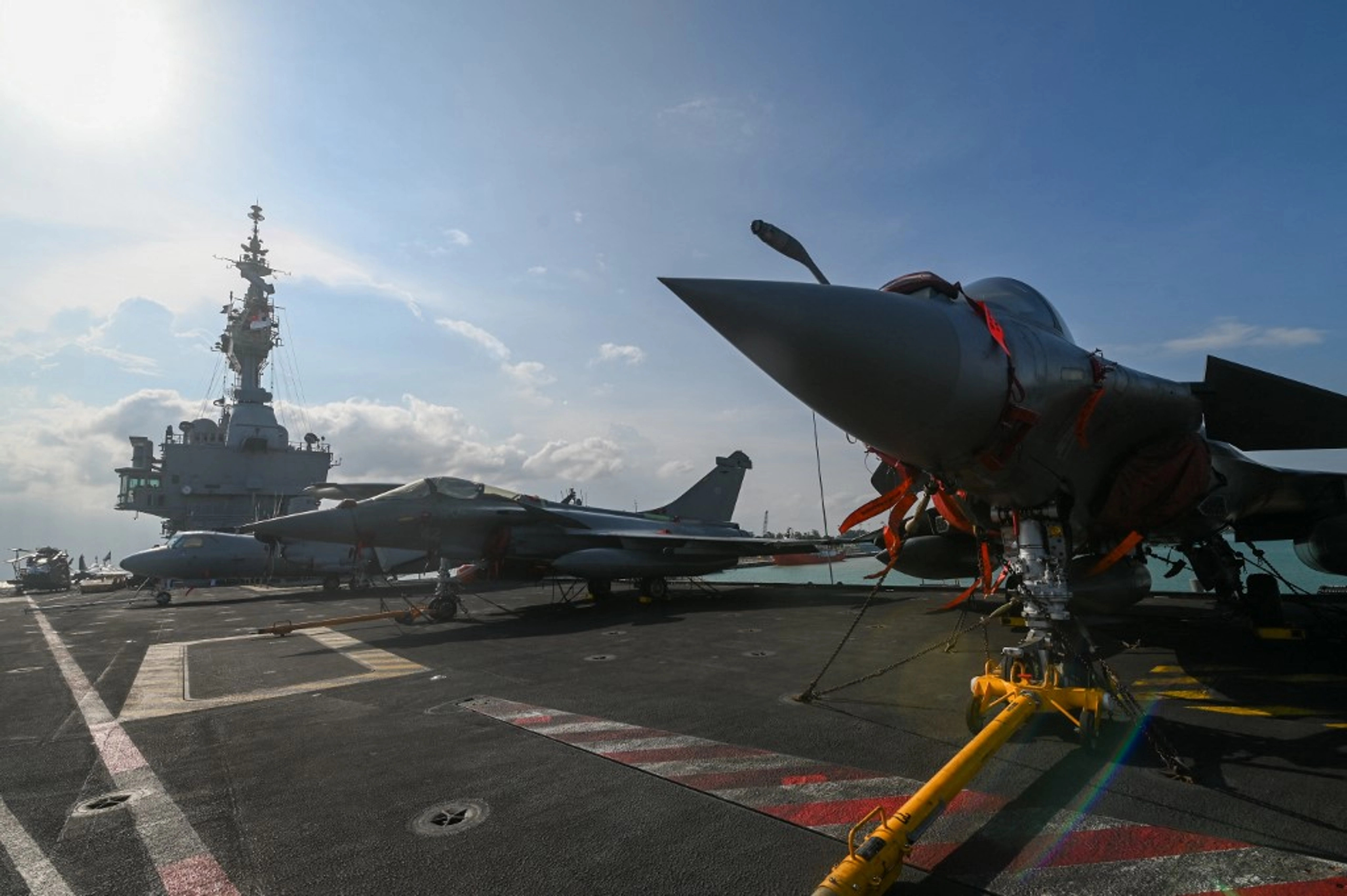
The February 26, 2026 interception of a Russian drone near the French aircraft carrier Charles de Gaulle in Malmö, Sweden signals a critical escalation in geopolitical tensions affecting Nordic e-commerce infrastructure. Swedish Defence Minister Pål Jonson confirmed the drone was "probably Russian," launched from a naval vessel in the Öresund Strait, and successfully jammed by Swedish forces approximately 6-7 nautical miles from the carrier. This incident represents part of a broader pattern: months of reported drone sightings near NATO military installations across Denmark and Baltic states, plus December incidents over France's nuclear submarine base at Île Longue. Swedish military intelligence head Thomas Nilsson explicitly warned that Russia has intensified hybrid warfare activities including sabotage operations, cyber-attacks, and disinformation campaigns targeting Swedish territory.
For cross-border e-commerce sellers, this geopolitical escalation creates three operational impact zones. First, port security and logistics delays: Malmö port authorities opened investigations into fuel spills and increased security protocols following the incident, directly affecting fulfillment timelines for sellers using Nordic distribution centers. Sellers shipping through Swedish, Danish, and Baltic ports face potential 3-7 day delays during heightened security operations. Second, cyber-attack vulnerability: The explicit warning about intensified cyber-attacks and sabotage operations signals elevated risk for sellers' digital infrastructure, payment systems, and inventory management platforms. E-commerce platforms operating in the region should expect increased DDoS attacks and data breach attempts, requiring enhanced cybersecurity investments (estimated $5,000-15,000 annually for mid-sized sellers). Third, supply chain route diversification: The concentration of NATO military exercises (Lafayette 26 mission) and Russian surveillance activities in the Baltic creates bottleneck risks for sellers relying on Nordic shipping corridors. Sellers currently routing 40-60% of inventory through Swedish/Danish ports should consider alternative logistics partners in Germany, Poland, or Netherlands to mitigate single-point-of-failure exposure.
Strategic implications for seller operations: The Charles de Gaulle's deployment to Sweden represents a permanent shift in French military focus toward Northern Europe, indicating sustained geopolitical tension rather than isolated incidents. This means port security costs, cyber insurance premiums, and logistics complexity will remain elevated for 12-24 months. Sellers with inventory in Malmö, Copenhagen, or Baltic distribution centers face 8-12% increased fulfillment costs due to enhanced security screening, insurance surcharges, and potential route diversions. Additionally, the fuel spill investigation and port disruptions create immediate inventory access risks—sellers should verify stock availability and retrieval timelines with 3PL providers within 48 hours. The broader hybrid warfare context (sabotage, disinformation campaigns) also signals potential targeting of e-commerce platforms' customer communications and advertising channels, requiring enhanced brand protection and account security measures.
Questions 8
How will the Russian drone incident and increased NATO military exercises affect my shipping timelines through Nordic ports?
The February 26 drone interception near Malmö and ongoing NATO Lafayette 26 exercises are creating 3-7 day delays at Swedish and Danish ports due to heightened security screening and vessel routing changes. Port authorities have implemented enhanced inspection protocols following the incident and fuel spill investigation. Sellers using Malmö, Copenhagen, or Gothenburg as distribution hubs should expect 15-25% longer customs clearance times and potential 2-3 day holds on inventory retrieval. Contact your 3PL provider immediately to confirm current processing timelines and consider routing 20-30% of inventory through alternative German or Polish ports to maintain delivery SLAs.
What cyber-attack risks should I prepare for given the Swedish military's warning about intensified hybrid warfare?
Swedish military intelligence explicitly warned that Russia has intensified cyber-attacks, sabotage operations, and disinformation campaigns targeting Nordic infrastructure. For e-commerce sellers, this means elevated risk of DDoS attacks on your storefront, payment processing disruptions, and data breaches affecting customer information. Implement multi-factor authentication across all seller accounts, enable real-time fraud monitoring on payment gateways, and consider cyber insurance coverage ($5,000-15,000 annually for mid-sized sellers). Monitor your Amazon Seller Central, Shopify admin, and payment processor dashboards for suspicious login attempts. Update all passwords and security credentials within 7 days.