




Hungary Election April 2026 | €17B EU Fund Freeze Threatens Central European Logistics
- Political uncertainty creates 8-15% cost volatility for sellers using Hungarian/Slovak warehouses; €11B RRF fund release deadline August 31, 2025 determines infrastructure investment trajectory

























Overview
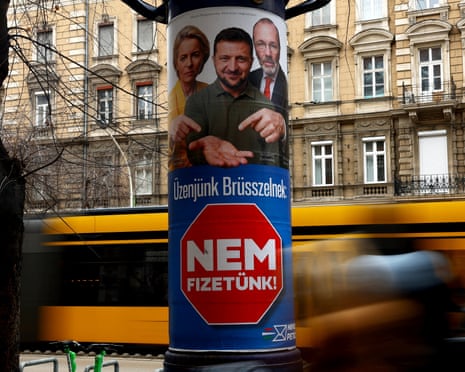
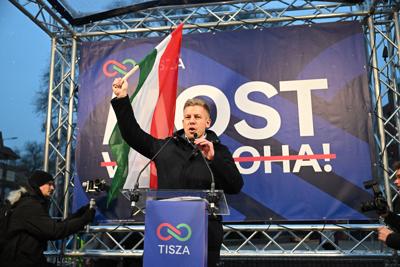
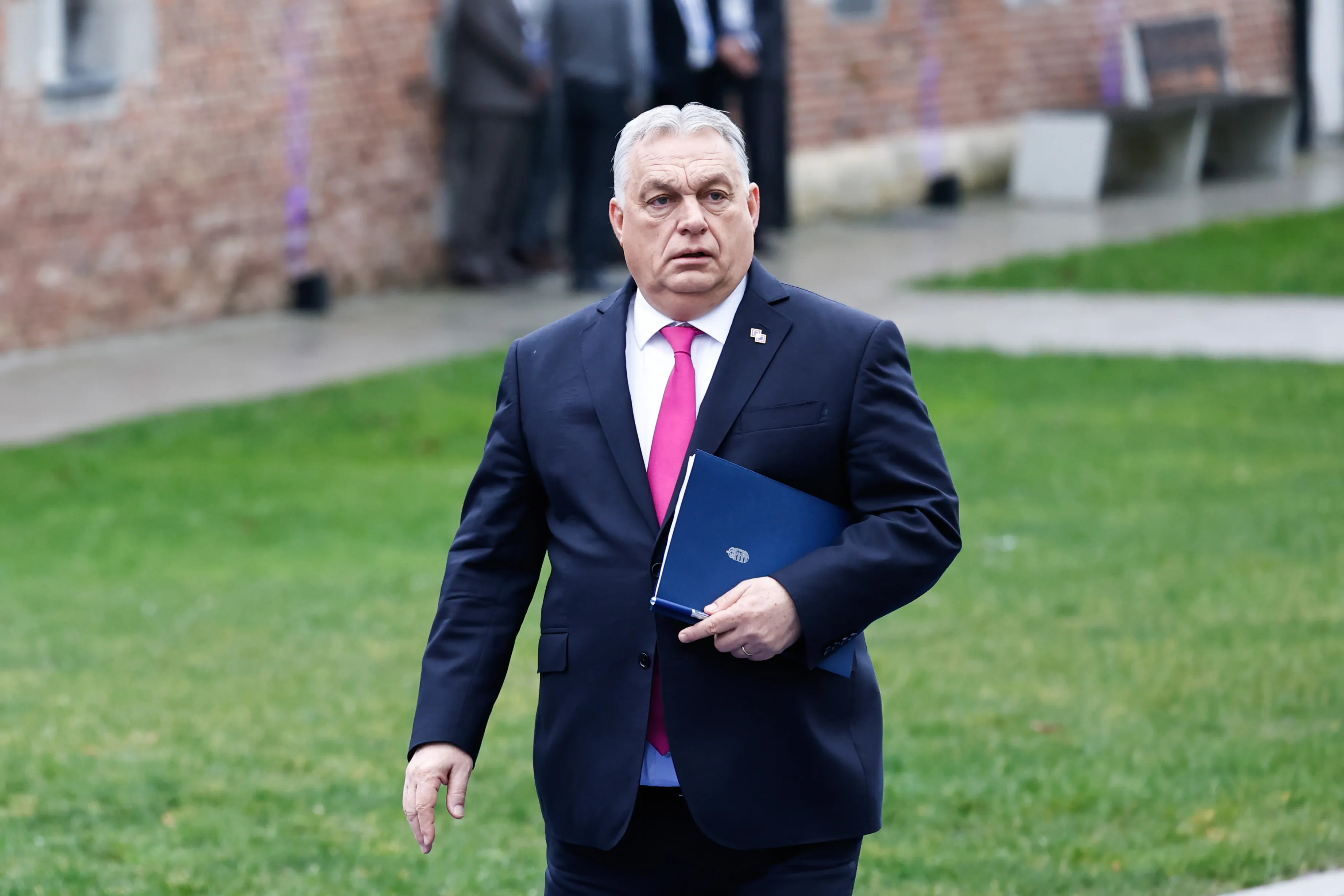
Hungary's April 12, 2026 parliamentary election represents a critical inflection point for cross-border e-commerce operations across Central Europe, with direct implications for logistics costs, currency stability, and regulatory compliance. Prime Minister Viktor Orbán's blocking of a €90 billion EU loan to Ukraine and the EU's 20th sanctions package—timed to coincide with his election campaign—signals broader EU policy gridlock that threatens the €17 billion in frozen EU funds (primarily €11 billion under the Recovery and Resilience Facility) essential for infrastructure supporting cross-border commerce operations.
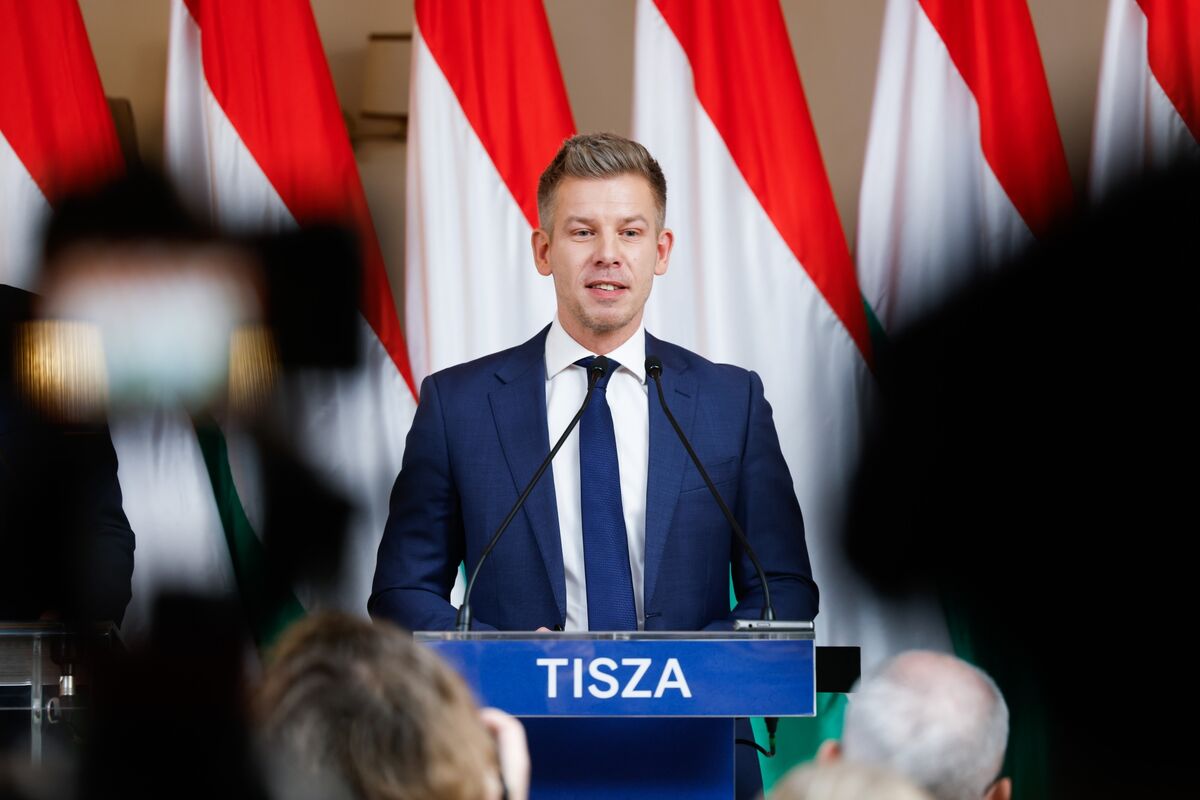
The core e-commerce impact centers on three operational vectors: First, logistics infrastructure investment depends entirely on EU fund disbursement. The RRF funding deadline of August 31, 2025 creates urgency for resolution. Opposition leader Péter Magyar's TISZA party, currently leading polls at 45-50% versus Orbán's Fidesz at 40%, commits to rapidly unlocking these suspended funds if elected. A TISZA victory would accelerate EU compliance measures and fund release, directly financing warehouse modernization, customs infrastructure, and digital commerce logistics corridors. Conversely, an Orbán victory perpetuates fund freezes, forcing sellers to absorb 8-15% higher operational costs through energy price volatility and outdated logistics infrastructure.
Second, currency volatility and payment processing reliability hinge on political outcome. The Hungarian forint has already strengthened in anticipation of a potential TISZA victory and EU fund release, signaling market confidence in economic stabilization. Sellers managing multi-currency operations face 5-8% exchange rate swings depending on election trajectory. Payment processing through Hungarian banking infrastructure may experience delays or reliability issues if political uncertainty persists, affecting cash flow for sellers using Hungarian 3PL providers or distribution centers.
Third, energy cost exposure directly impacts warehouse operations in Hungary and Slovakia. Orbán's leverage of the Druzhba oil pipeline dispute as campaign strategy creates energy price uncertainty. Both countries remain heavily dependent on Russian energy despite alternatives like the Adria pipeline. Energy price volatility could increase operational costs 8-12% for sellers using Hungarian and Slovak fulfillment centers. The political instability may affect customs procedures and payment processing reliability in these EU member states, creating compliance friction for cross-border operations.
Competitive dynamics shift based on election outcome. A TISZA victory would accelerate EU regulatory harmonization, reducing compliance complexity for sellers managing VAT, customs documentation, and data protection across multiple EU markets. This benefits mid-sized sellers (€2-10M annual revenue) who struggle with fragmented compliance frameworks. Conversely, an Orbán victory perpetuates policy gridlock, favoring large sellers with dedicated compliance teams and established logistics networks who can absorb higher operational costs. Small sellers (<€500K revenue) face disproportionate risk from infrastructure underinvestment and payment processing delays.
Questions 8
How does Hungary's April 2026 election affect my warehouse costs in Central Europe?
Hungary's election outcome directly impacts infrastructure investment and energy costs for sellers using Hungarian and Slovak fulfillment centers. A TISZA victory would unlock €11 billion in frozen EU Recovery and Resilience Facility funds by August 31, 2025, financing warehouse modernization and customs infrastructure, potentially reducing operational costs 5-8%. Conversely, an Orbán victory perpetuates fund freezes, forcing sellers to absorb 8-15% higher costs through energy price volatility and outdated logistics infrastructure. Sellers currently using Hungarian 3PL providers should model both scenarios and consider diversifying logistics routes to mitigate political risk.
What payment processing risks exist for sellers using Hungarian banking infrastructure?
Political uncertainty may affect payment processing reliability and customs procedures in Hungary, creating cash flow delays for sellers using Hungarian 3PL providers or distribution centers. The news reports that political instability affects 'payment processing reliability and customs procedures in these EU member states.' Sellers should: (1) Diversify payment processors across multiple EU banking jurisdictions, (2) Maintain 30-45 days cash reserves for Hungarian operations, (3) Implement real-time payment monitoring systems. A TISZA victory would likely improve banking system stability and EU compliance within 6 months post-election.