


EU Sanctions Delays & Hungary Veto Crisis | Cross-Border Seller Logistics Impact 2026
- Hungary's €16B defense loan leverage creates 60-90 day policy uncertainty affecting Central European shipping costs, energy prices, and supply chain predictability for 50K+ cross-border sellers













Overview
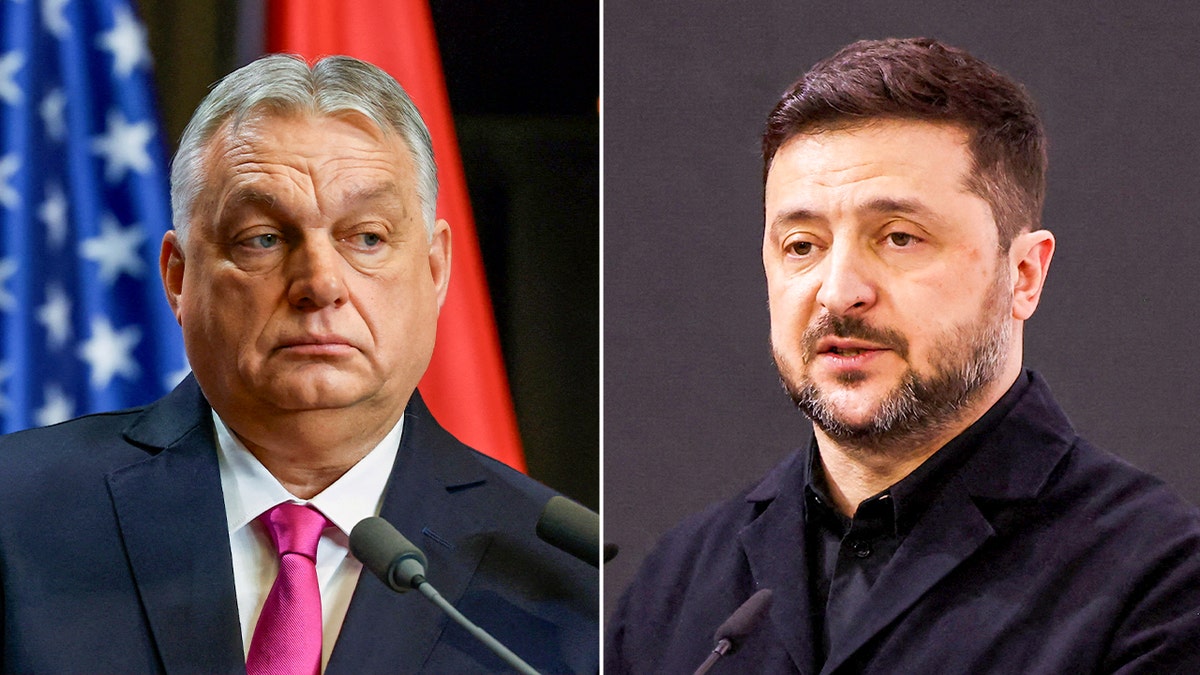
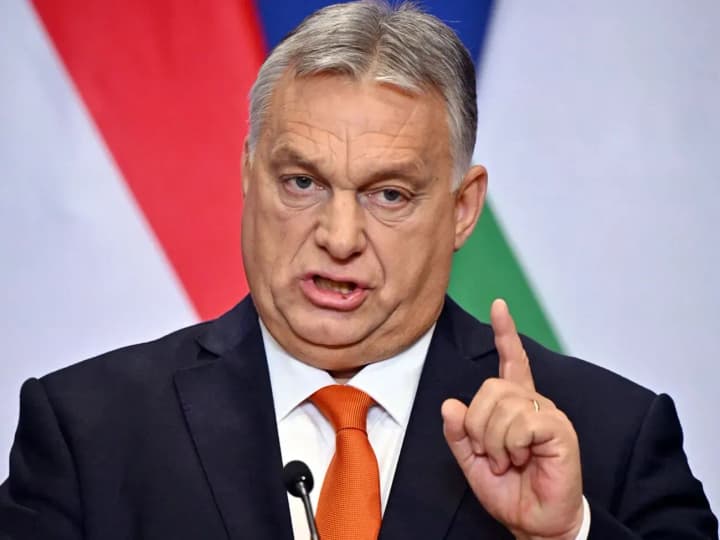
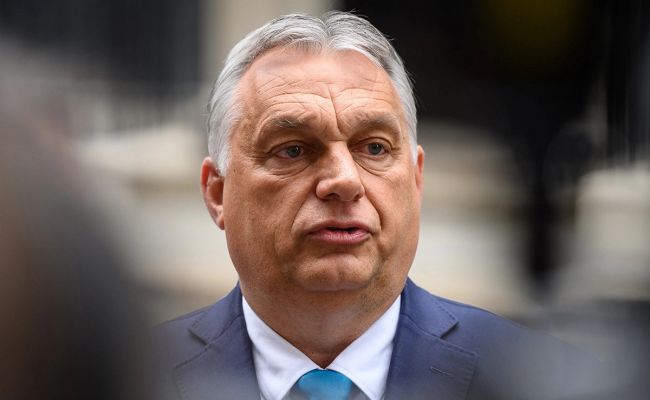
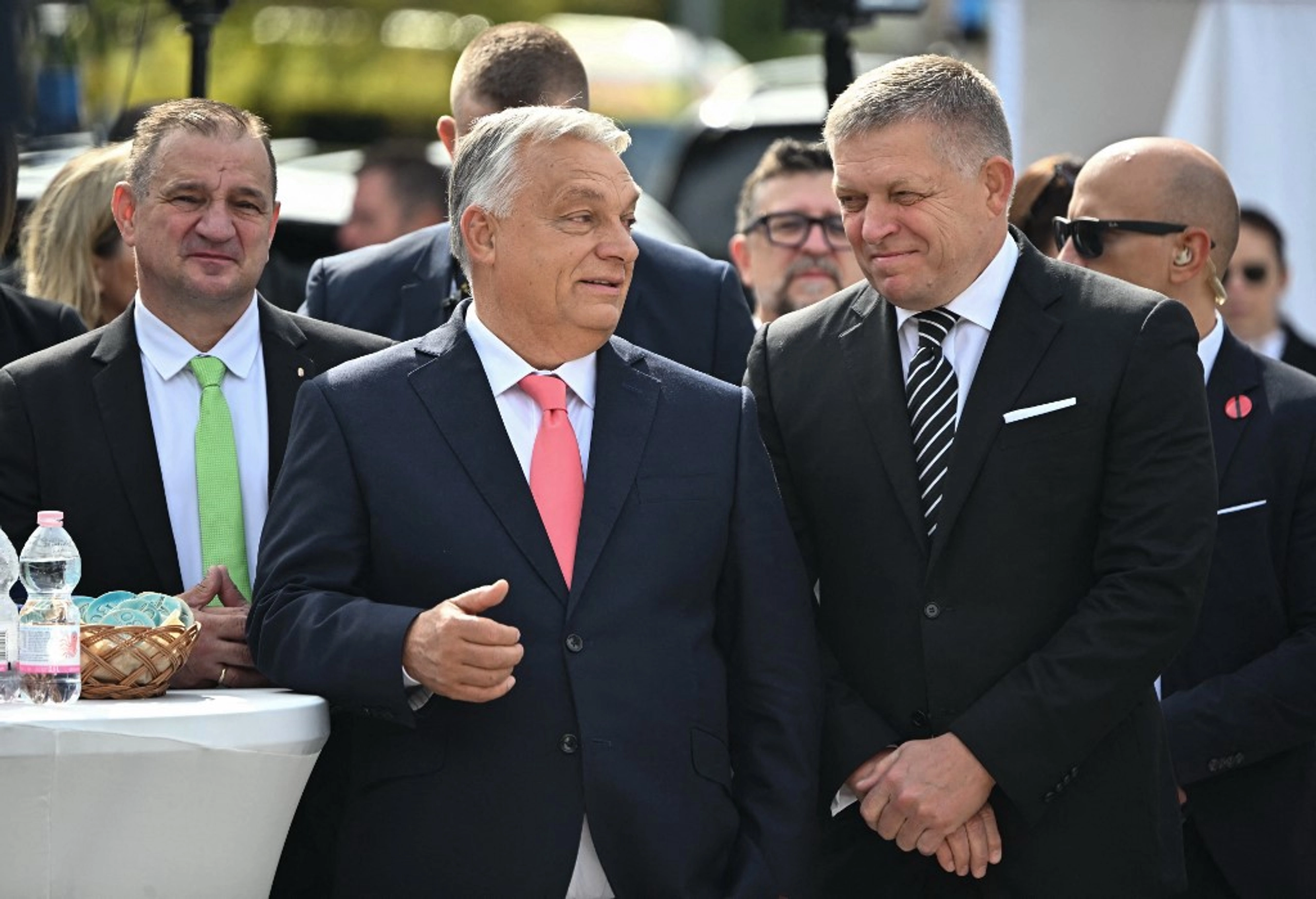
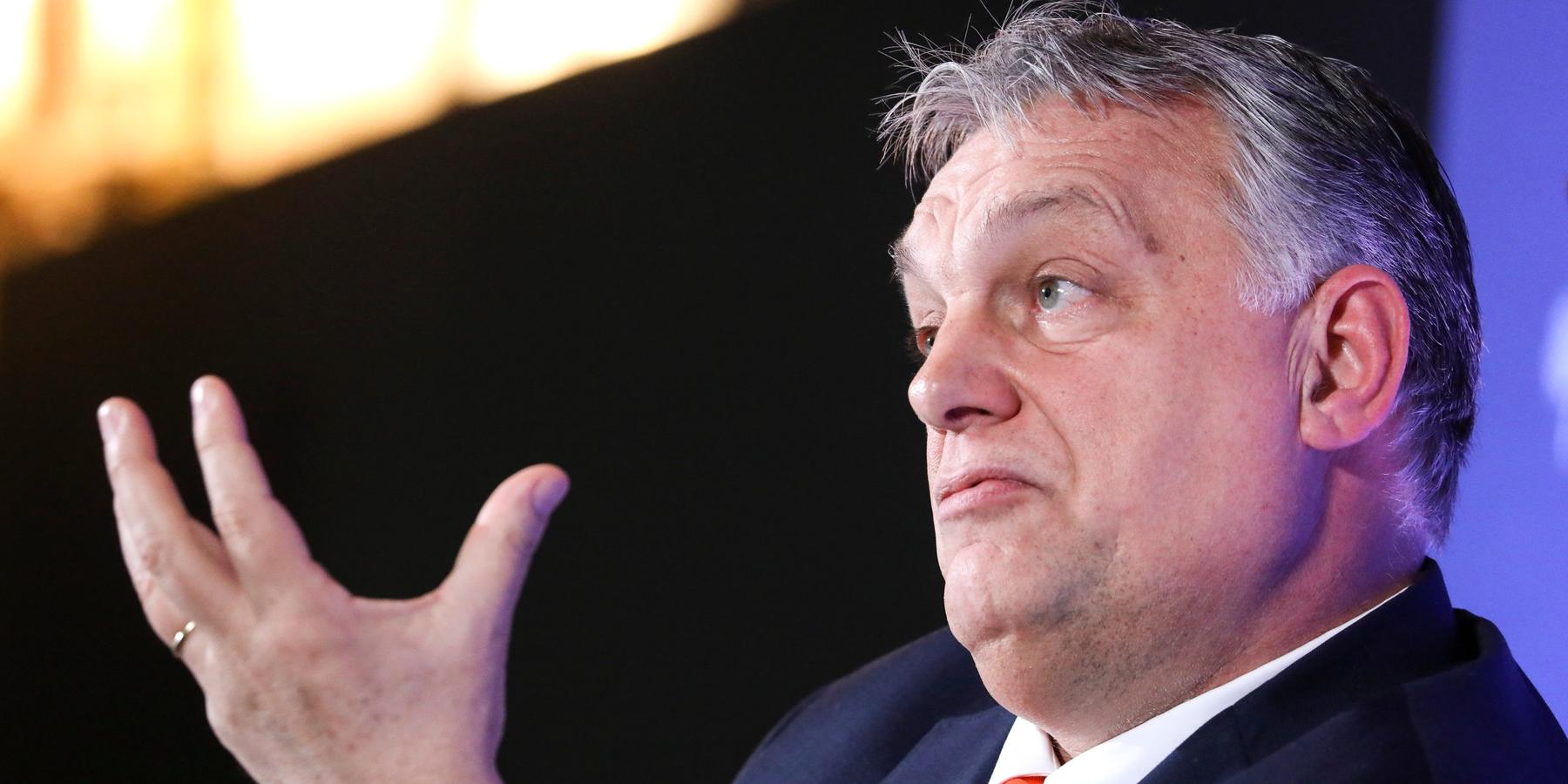
Hungary's blocking of the EU's 20th Russia sanctions package (proposed February 6, 2026) creates a critical supply chain uncertainty window for cross-border e-commerce sellers operating in Central Europe. Prime Minister Viktor Orbán's veto threat—contingent on approval of a €16 billion EU defense loan application—has created a 60-90 day policy limbo affecting energy infrastructure, logistics costs, and market access across Hungary, Poland, Czech Republic, and surrounding regions.
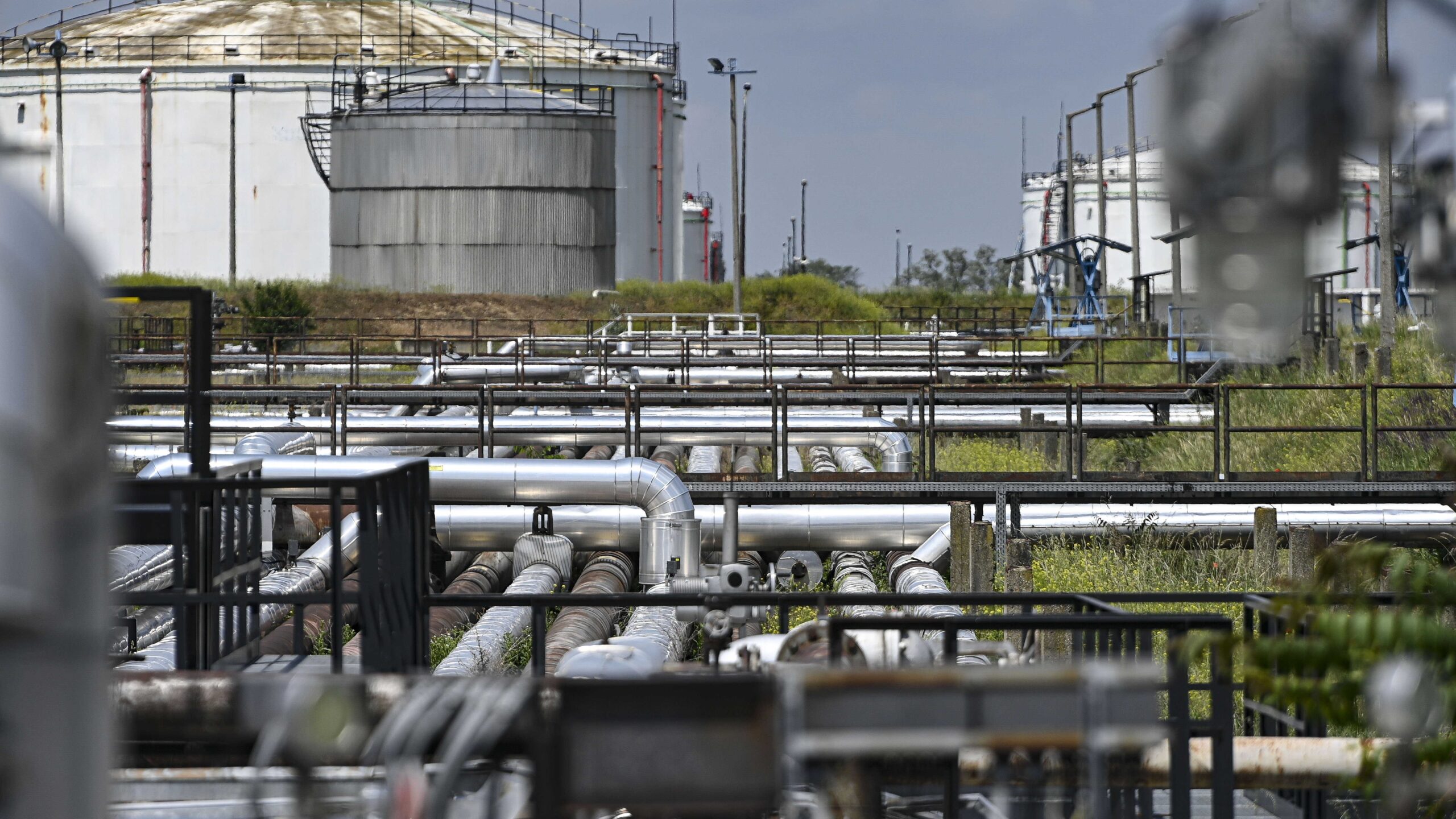
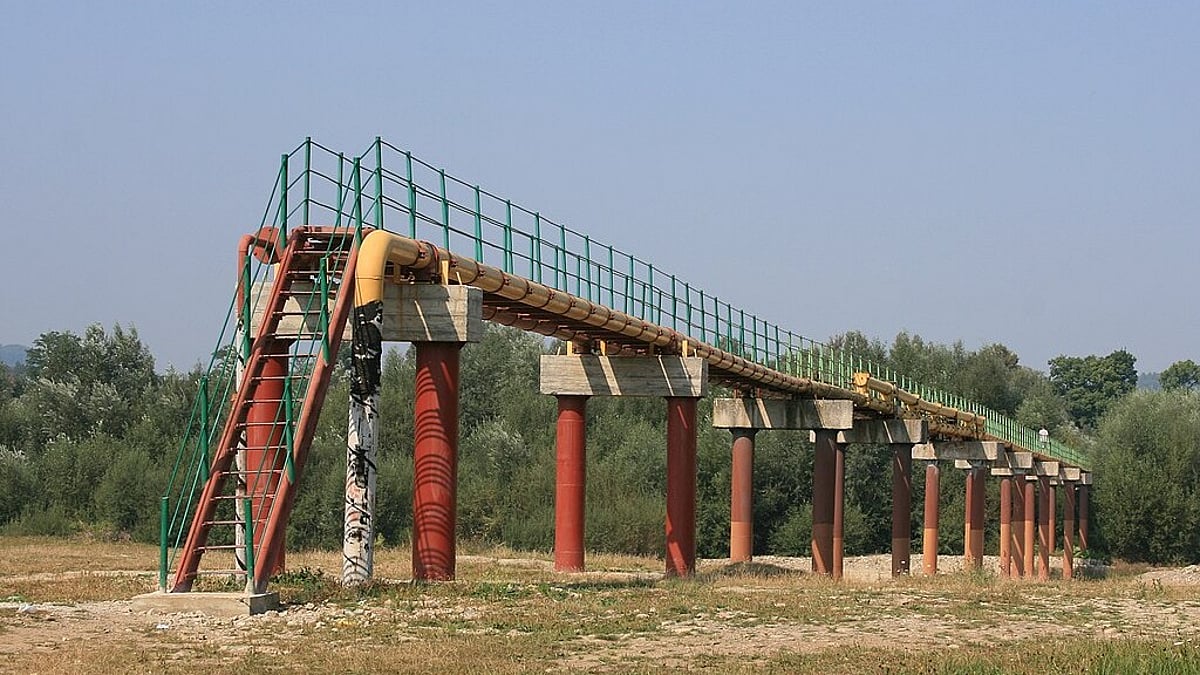
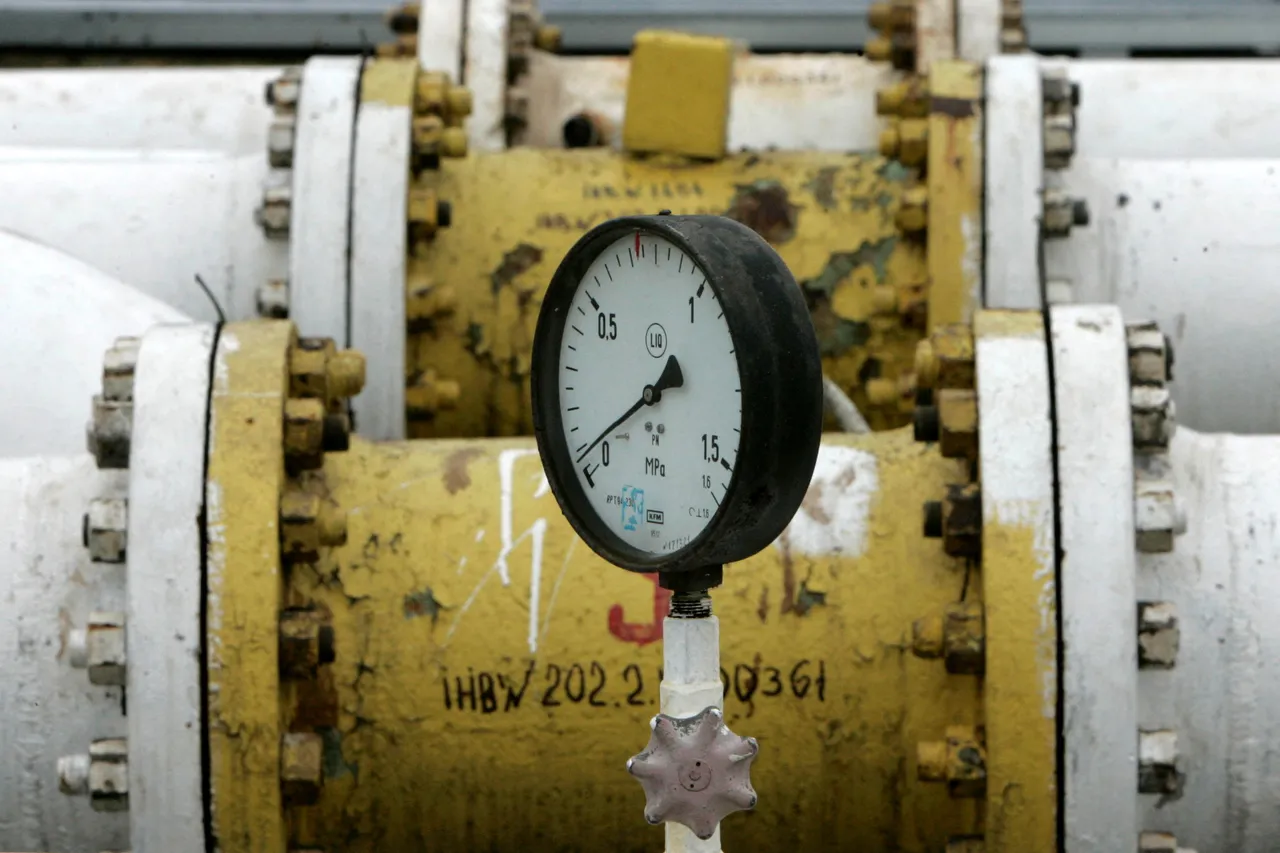
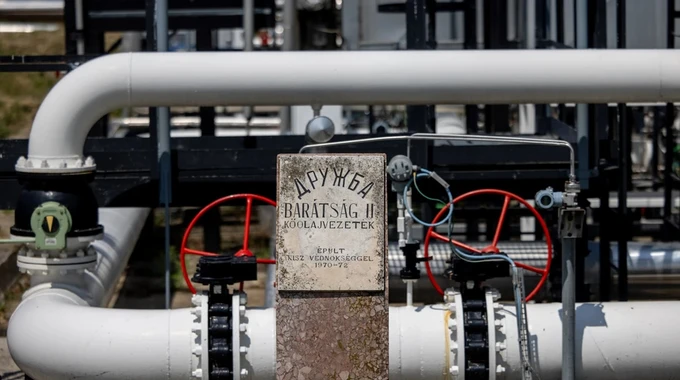
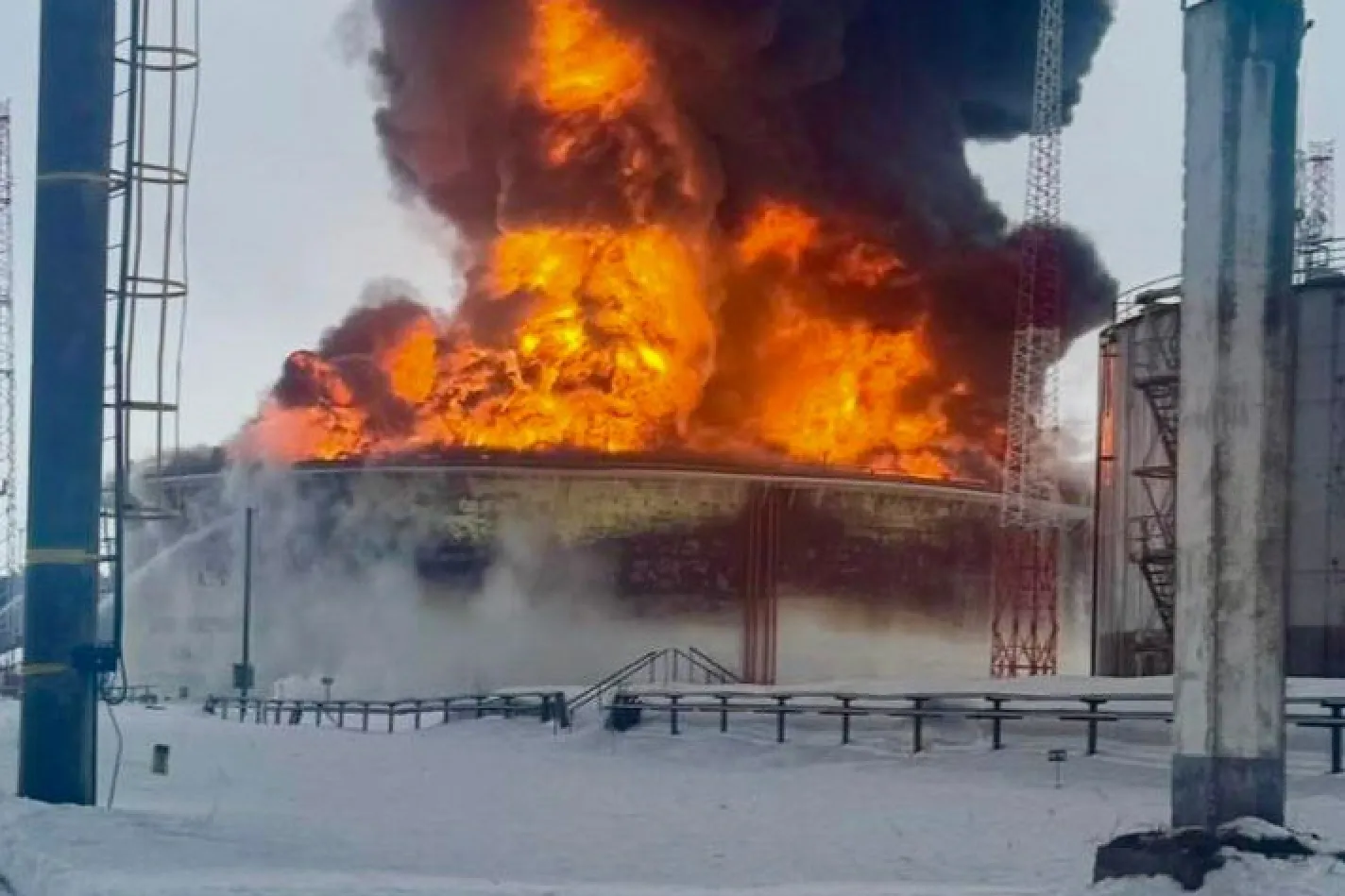
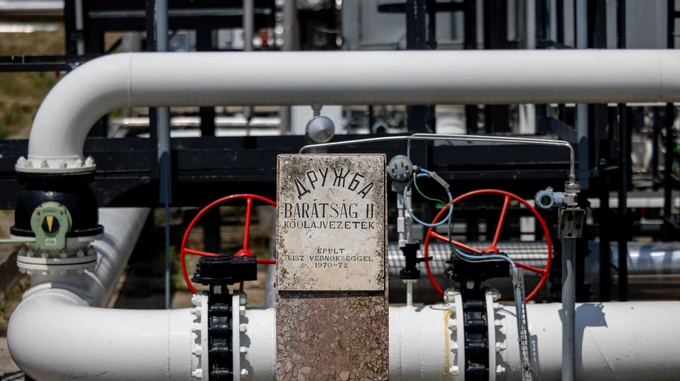
The core trade policy impact centers on energy infrastructure stability. The Druzhba pipeline, which supplies Russian oil to Central and Eastern European markets, remains operationally uncertain pending Orbán's proposed "fact-finding mission." This infrastructure ambiguity directly translates to volatile fuel surcharges for 3PL providers, warehousing operators, and last-mile delivery services. Sellers shipping refrigerated goods (food, pharmaceuticals, cosmetics) face 8-15% cost volatility in Central European logistics corridors. The Commission has withheld €17 billion in regional development funds from Hungary over rule-of-law concerns, creating additional uncertainty about infrastructure investment timelines that affect warehouse availability and transportation networks.
The sanctions package itself broadens restrictions on Russian energy, banks, goods, and services—creating tariff arbitrage opportunities for sellers sourcing from non-Russian suppliers. The EU's deliberate slow-walking of Hungary's initial €2.4 billion defense loan payment signals protracted negotiations extending through April 2026 (when Ukraine faces cash depletion). This timeline coincides with Hungary's national elections, creating political incentives for Orbán to maintain leverage. For sellers, this means 90+ days of unpredictable policy environment affecting: (1) energy-dependent logistics costs in Central Europe, (2) payment processing reliability through Hungarian banking channels, (3) inventory planning for Hungarian and Polish markets where consumer spending may contract due to economic uncertainty.
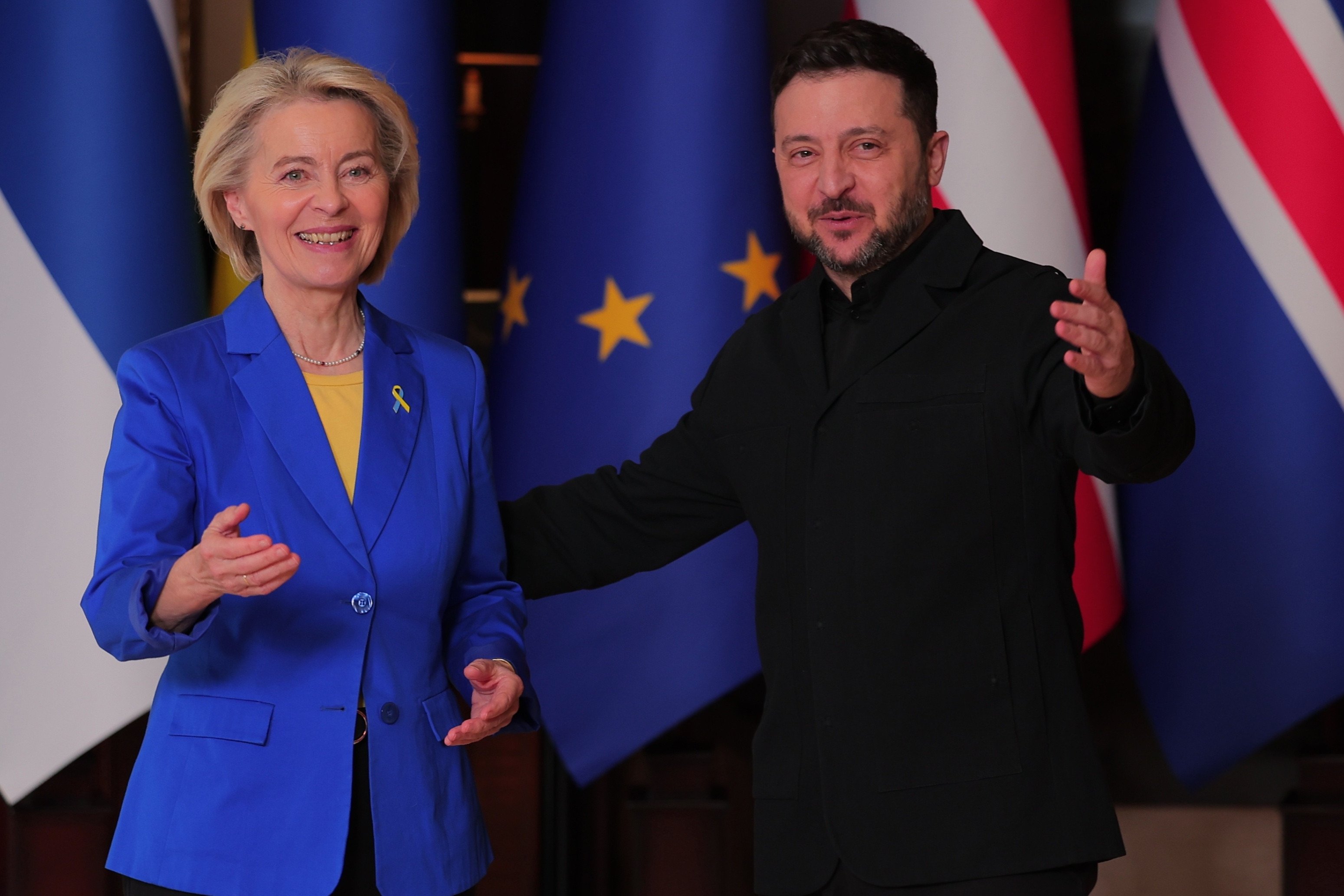
Strategic sourcing implications are significant. Sellers currently sourcing from Russia-adjacent suppliers (Belarus, Kazakhstan) face accelerating tariff pressures as EU sanctions tighten. The €450 billion cumulative sanctions impact on Russia (per UK Chancellor Reeves) signals sustained Western commitment to economic pressure, making Russian supply chains increasingly untenable. Sellers should accelerate diversification toward Vietnam, India, and Indonesia suppliers for categories currently sourced from Russia or Russian-dependent manufacturers. The 60-90 day veto window creates a temporary arbitrage opportunity: sellers can lock in current logistics rates before potential energy price spikes if sanctions are finalized.
Questions 8
What is the competitive advantage for sellers who diversify sourcing before April 2026?
Sellers who shift sourcing from Russia-dependent suppliers to Vietnam, India, Indonesia before April 2026 gain: (1) tariff certainty (avoiding future sanctions-driven tariff increases), (2) supply chain stability (reducing geopolitical risk), (3) logistics cost predictability (locking in rates before energy price spikes). The Commission's €17 billion withhold from Hungary and deliberate slow-walking of defense loan payments signal protracted negotiations extending through April. Early movers can secure preferred manufacturing capacity in alternative countries before competitors recognize the sourcing shift. This creates 60-90 day window for competitive advantage—after April, tariff increases and supply chain tightness will force all sellers to diversify simultaneously, reducing margin benefits.
How does the €17 billion EU funding withhold from Hungary impact cross-border sellers?
The European Commission has withheld €17 billion in regional development and post-pandemic recovery funds from Hungary over rule-of-law concerns. This funding typically supports infrastructure projects (warehouses, transportation networks, customs facilities) that directly affect seller logistics efficiency. The withhold creates uncertainty about warehouse availability, customs processing capacity, and transportation network investments in Central Europe. Sellers operating 3PL facilities in Hungary should expect delayed infrastructure upgrades and potentially higher facility costs. Consider diversifying fulfillment across Poland and Czech Republic where EU funding flows normally, reducing dependence on Hungarian infrastructure during this political standoff.