



Red Sea Geopolitical Chess: How Shifting Alliances Rewrite Maritime Trade Dynamics
- Emerging regional tensions expose critical vulnerabilities in global shipping corridors
Overview
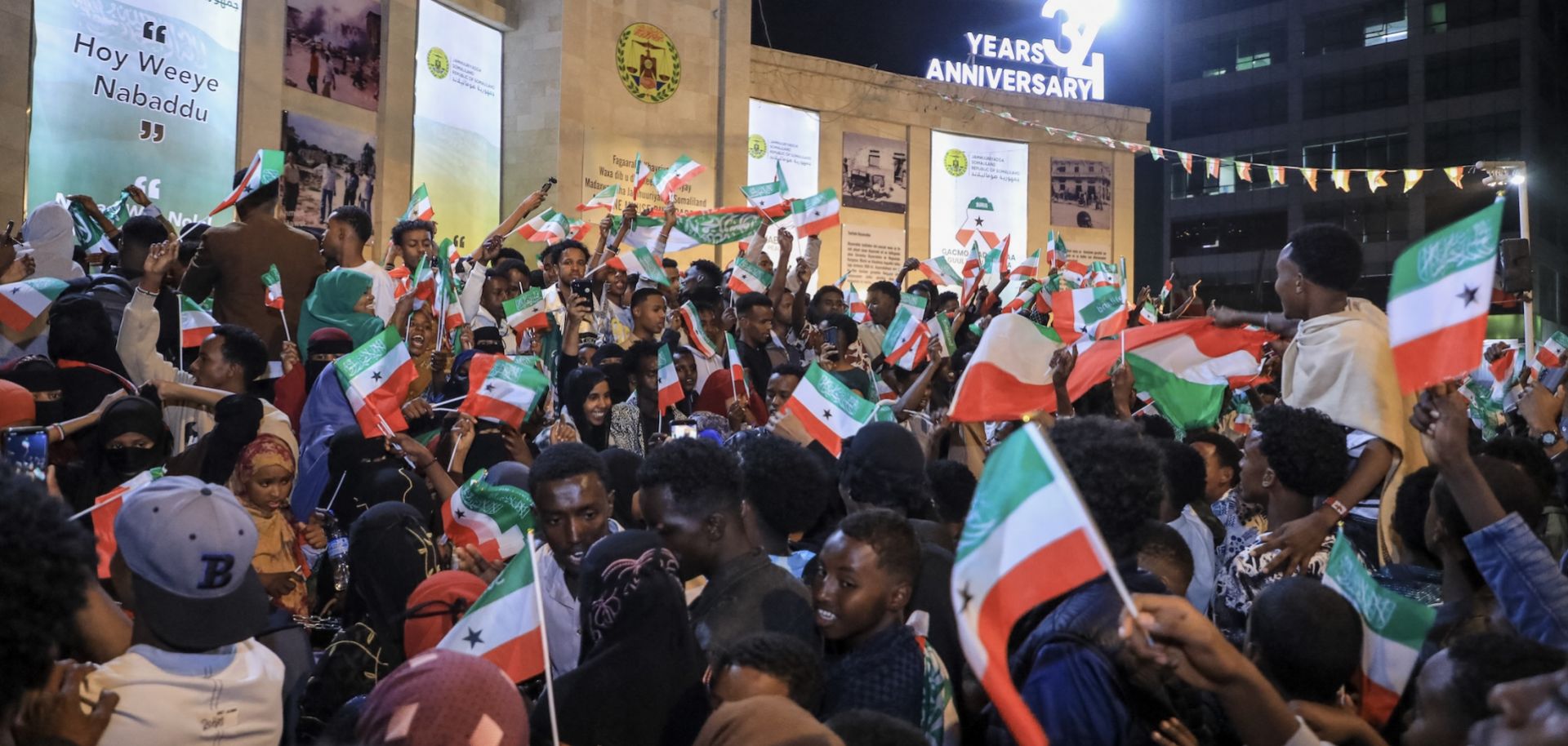
The Red Sea region is transforming into a complex geopolitical battleground where strategic positioning now directly impacts global maritime trade infrastructure. Israel's unprecedented diplomatic move of recognizing Somaliland as a sovereign territory signals a profound shift in regional power dynamics, effectively establishing a potential military and intelligence foothold near critical maritime zones.
Emerging Fracture Lines in Regional Alliances: The escalating tensions between Saudi Arabia and the United Arab Emirates represent more than a bilateral dispute—they expose the fragile nature of historical collaborations. Saudi forces bombing a UAE military shipment and demanding their withdrawal within 24 hours reveals deep strategic divergences that could fundamentally reshape maritime security architectures. The Southern Yemeni separatist groups' capture of nearly half the country's eastern territory further complicates this volatile landscape.
For international trade strategists, these developments represent far more than geopolitical maneuvering. The Red Sea remains a critical global trade corridor, and the current tensions pose significant risks to shipping routes and logistics networks. Cross-border e-commerce sellers face potential disruptions that could translate into increased shipping costs, extended transit times, and complex supply chain reconfigurations. The strategic positioning by Israel, UAE, and Saudi Arabia suggests an intricate geopolitical chess game with long-term implications for international trade routes.
The broader context reveals a region in flux, where traditional alliances are being rapidly recalibrated. Somaliland's recognition by Israel is particularly noteworthy—it's not just a diplomatic gesture but a strategic repositioning that could provide alternative maritime access points and intelligence capabilities. For global trade participants, this means developing more adaptive, resilient logistics strategies that can quickly respond to rapidly changing geopolitical landscapes.
Critically, these developments underscore the increasing intersection of geopolitical strategy and maritime trade infrastructure. Businesses can no longer view shipping routes as static networks but must treat them as dynamic, politically mediated systems subject to sudden realignments.
Questions 3
How should cross-border e-commerce sellers prepare for potential disruptions?
Sellers should develop multi-route logistics strategies, maintain flexible shipping contracts, consider alternative maritime corridors, and build financial buffers to absorb potential increased transit costs. Continuous monitoring of regional developments is crucial for adaptive risk management.
What strategic advantages does Israel's recognition of Somaliland provide?
Israel gains a potential maritime and intelligence foothold near critical shipping lanes, offering alternative access points and strategic positioning. This move provides a potential counterbalance to regional tensions and creates new diplomatic leverage in the Red Sea region.