




Supply Chain Vulnerability Exposed: The Critical Breakdown of Cross-Border Logistics Infrastructure
- Unprecedented service suspension reveals systemic risks in international transportation networks


















Overview
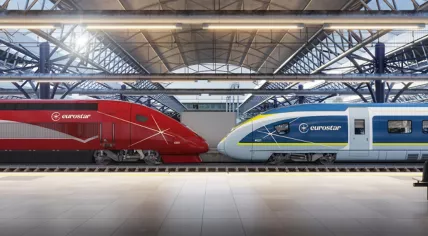
International logistics networks face a critical stress test with Eurostar's complete suspension of cross-Channel train operations, highlighting the fragile interconnectedness of modern transportation infrastructure. The incident, occurring during peak winter travel season, represents more than a temporary disruption—it signals a profound vulnerability in cross-border supply chain resilience.
Strategic Logistics Implications Emerge Immediately: The power supply failure in the Channel Tunnel, which halted operations between London, Paris, Amsterdam, and Brussels, exposes critical weaknesses in transportation redundancy. With Eurostar carrying 19.5 million passengers in 2024, this disruption is not a marginal event but a significant systemic shock. E-commerce and logistics providers must now reassess their contingency planning, recognizing that single-point infrastructure failures can instantaneously paralyze entire transportation corridors.
Operational Adaptability Becomes Paramount: The sudden service interruption demands immediate strategic recalibration for businesses dependent on rapid cross-Channel transit. Logistics managers must now develop multi-modal transportation strategies that include alternative routing, buffer inventory, and rapid re-routing capabilities. The incident underscores that infrastructure reliability cannot be assumed, but must be actively managed through comprehensive risk mitigation strategies.
The broader context reveals a critical insight: transportation infrastructure is increasingly becoming a strategic competitive advantage. Companies that can quickly adapt to infrastructure disruptions—by maintaining flexible routing, diversified transportation methods, and real-time contingency protocols—will gain significant market positioning. This Eurostar disruption is not an isolated incident, but a warning signal about the complex interdependencies in modern global supply chains.
For international logistics operators, the message is clear: resilience now trumps efficiency. The era of lean, just-in-time supply chains must evolve to incorporate robust, adaptive transportation networks that can withstand unexpected systemic shocks.
Questions 3
How significant is the Eurostar disruption for cross-border logistics?
Extremely significant. With 19.5 million passengers in 2024, the complete suspension represents a major systemic shock to cross-Channel transportation. Businesses must immediately reassess their logistics routing and develop comprehensive contingency plans to mitigate potential future disruptions.
What are the long-term implications for supply chain management?
This incident accelerates the shift from efficiency-focused to resilience-focused supply chain strategies. Companies will need to invest more in adaptive logistics technologies, real-time routing capabilities, and comprehensive risk management protocols.