




Cross-Channel Logistics Disruption Exposes Critical Transportation Vulnerabilities
- Infrastructure Challenges Signal Urgent Need for Resilient Transnational Shipping Strategies




















Overview
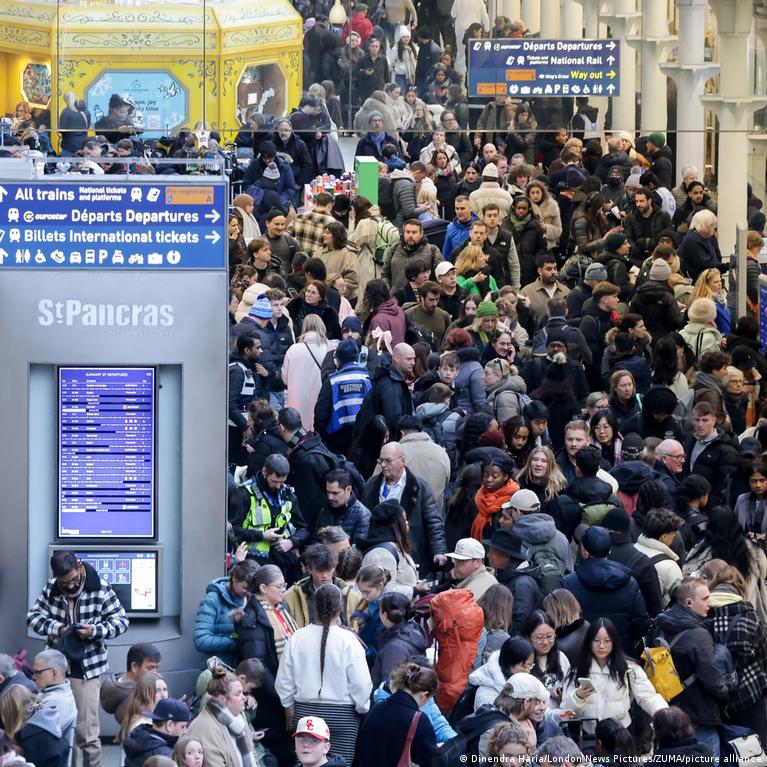
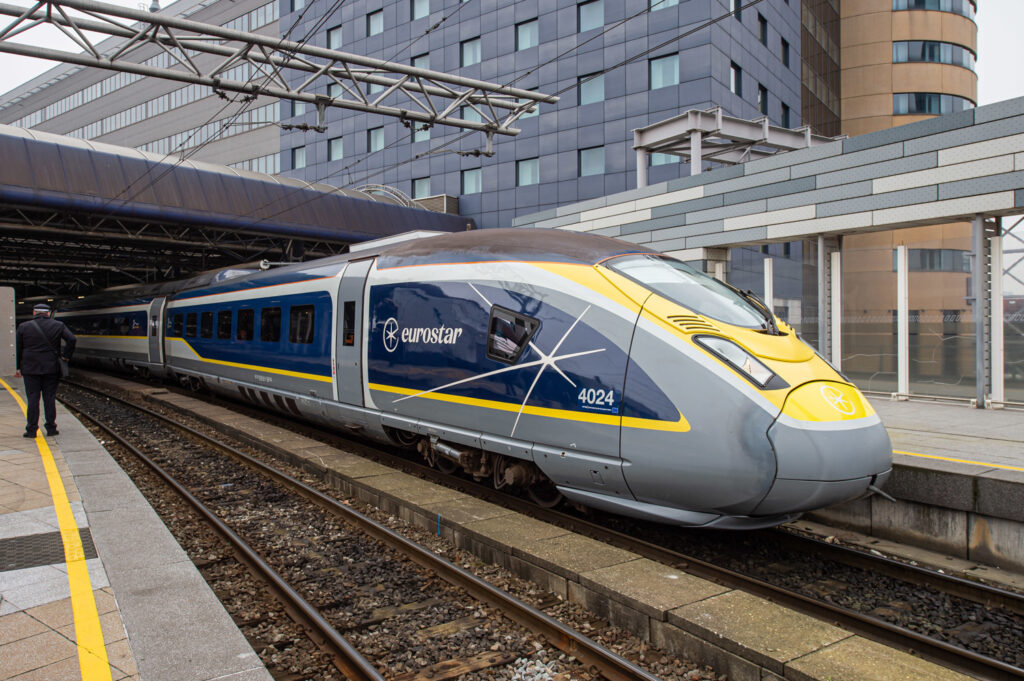
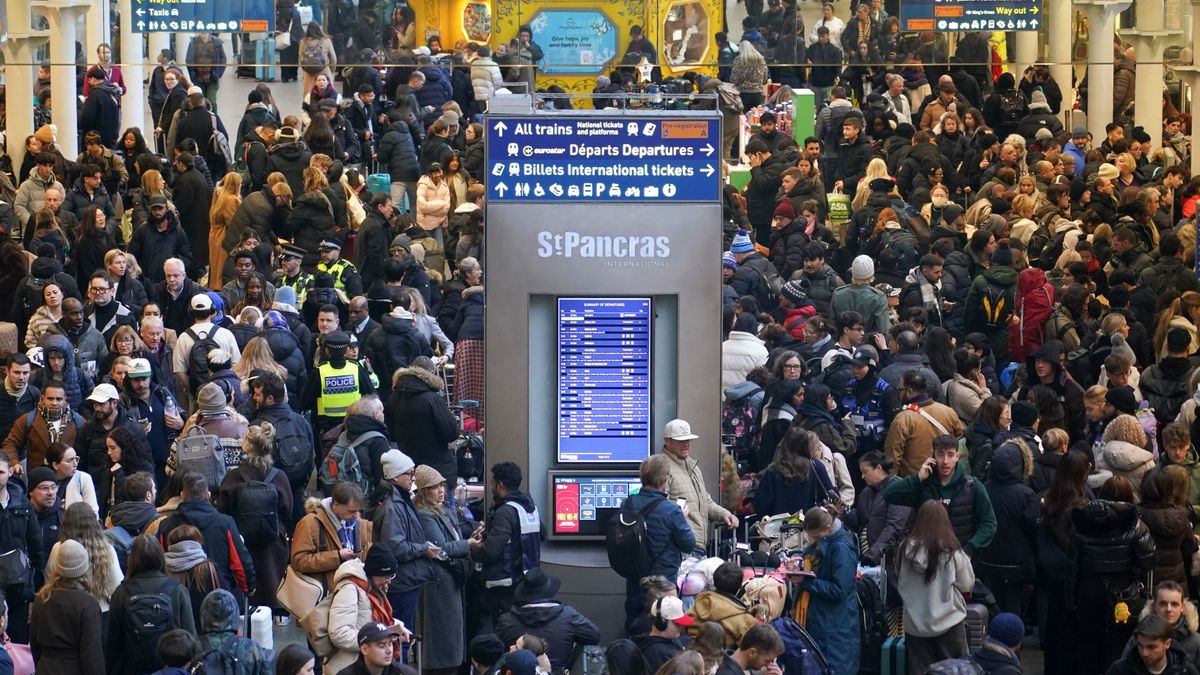
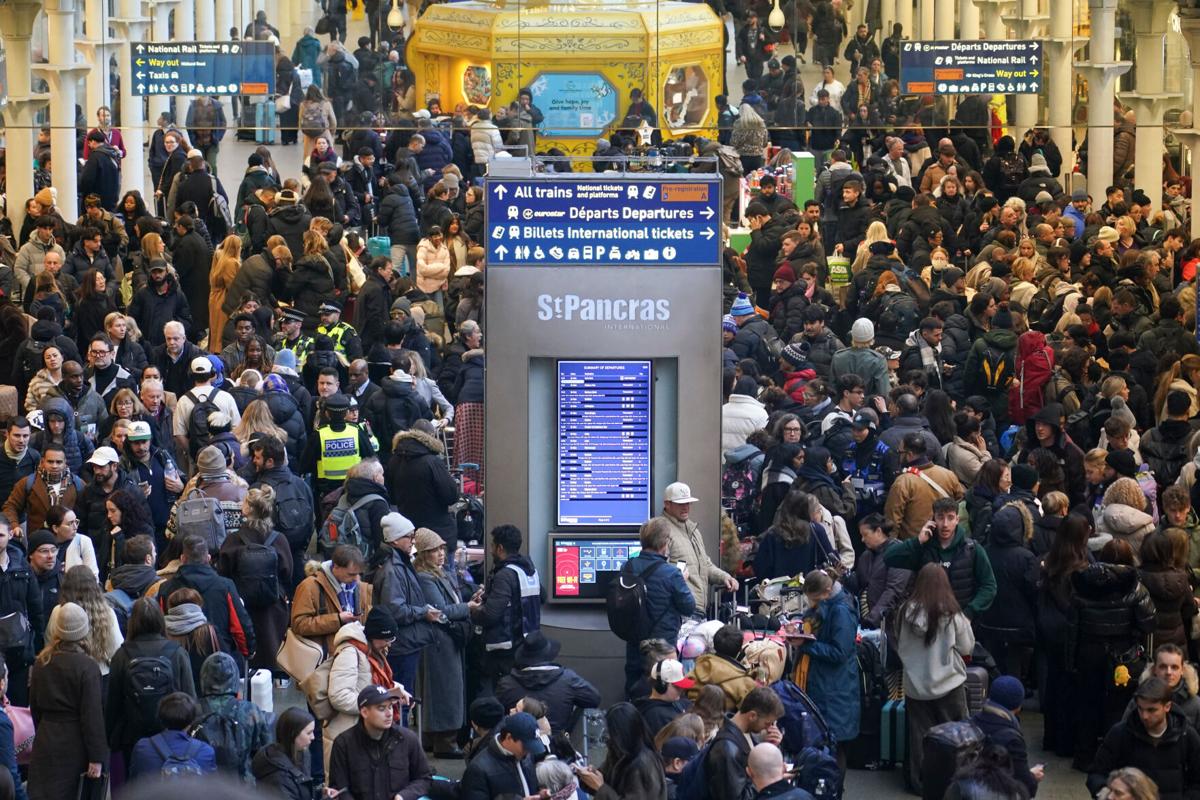
Cross-border transportation networks face unprecedented stress as Eurostar's critical infrastructure disruption reveals systemic vulnerabilities in international logistics. The recent power supply failure in the Channel Tunnel, which halted all train operations between London, Paris, Amsterdam, and Brussels, underscores the fragility of complex transnational transportation systems.
Strategic Logistics Vulnerability Exposed: The incident highlights how a single technical failure can instantaneously paralyze critical shipping routes. With Eurostar carrying 19.5 million passengers in 2024, the disruption represents more than a temporary inconvenience—it signals a fundamental weakness in cross-Channel transportation infrastructure. Businesses relying on rapid transit between the UK and continental Europe must now reassess their logistics contingency planning.
Competitive Landscape Transformation: The disruption coincides with emerging market dynamics, including anticipated competition from Virgin and Trenitalia by 2029. This suggests the current transportation monopoly is not just technically vulnerable but also strategically precarious. For cross-border logistics and e-commerce sellers, the implications are profound: traditional transportation models can no longer be considered reliable without robust backup mechanisms.
Actionable Logistics Intelligence: Companies must now develop multi-modal transportation strategies that provide genuine resilience. This means:
- Diversifying shipping routes and carriers
- Building significant buffer time into international logistics planning
- Investing in real-time alternative transportation solutions
- Developing comprehensive risk mitigation frameworks for critical infrastructure dependencies
The event signals a pivotal moment for international logistics—where infrastructure reliability becomes as critical as cost efficiency. Businesses that can rapidly adapt their transportation strategies will gain significant competitive advantages in an increasingly volatile global marketplace.
Questions 3
What broader market changes are happening in cross-Channel transportation?
The market is anticipating increased competition, with Virgin and Trenitalia planning to launch rival services by 2029. This suggests the current transportation landscape is transforming, challenging Eurostar's existing monopoly and creating opportunities for more resilient logistics solutions.
What strategic actions should businesses take in response to this infrastructure vulnerability?
Businesses should develop multi-modal transportation strategies that include diversifying shipping routes, building buffer time into logistics planning, investing in real-time alternative transportation solutions, and creating comprehensive risk mitigation frameworks for critical infrastructure dependencies.