


Middle East Power Realignment Trump and Netanyahu Forge Strategic Gaza Roadmap
- Geopolitical recalibration signals potential shift in regional conflict resolution approach
Overview
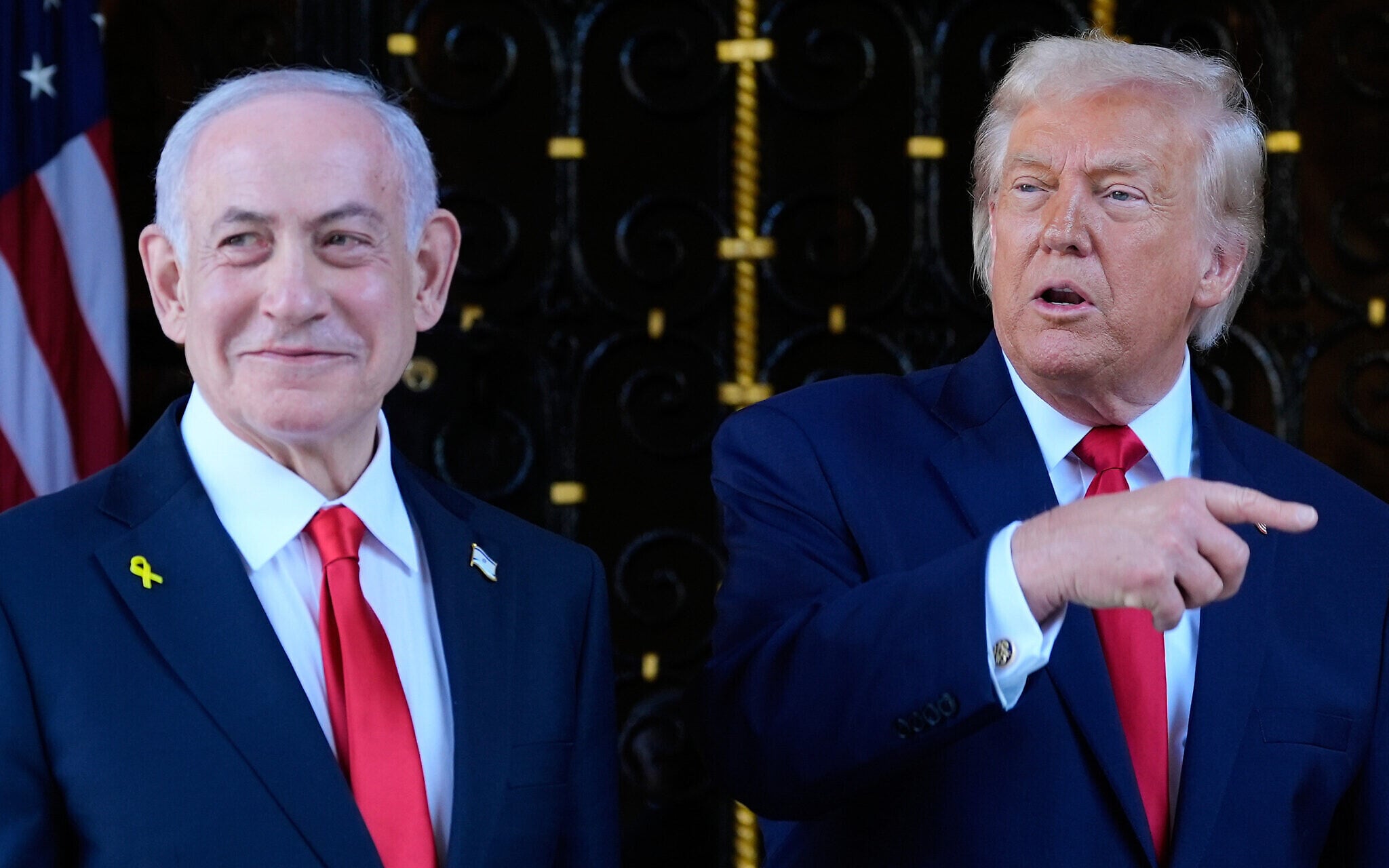
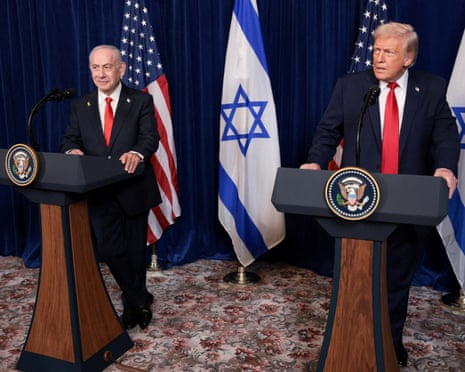
The recent meeting between former US President Donald Trump and Israeli Prime Minister Benjamin Netanyahu at Mar-a-Lago represents a critical moment of strategic recalibration in Middle Eastern geopolitics. Beyond mere diplomatic pleasantries, this high-stakes encounter reveals a nuanced approach to addressing the complex Gaza conflict and broader regional challenges.
Strategic Alignment and Diplomatic Signaling: Trump's unequivocal support for Netanyahu, praising him as a 'hero', goes beyond personal rapport. It signals a coordinated strategy that challenges current diplomatic norms. By presenting a united front, they are effectively positioning themselves as alternative architects of Middle Eastern conflict resolution, potentially circumventing existing international mediation frameworks.
Geopolitical Chess: Beyond Gaza: The discussion's scope extended far beyond immediate Gaza negotiations. Trump's willingness to potentially support Israeli actions against Iran's nuclear capabilities demonstrates a proactive, preemptive geopolitical stance. This suggests a strategic vision that views regional stability through a lens of decisive intervention rather than prolonged diplomatic negotiations.
Implications for International Peacekeeping: The meeting's emphasis on future governance in Gaza and potential international peacekeeping efforts indicates a sophisticated understanding of post-conflict reconstruction. By discussing concrete governance models, Trump and Netanyahu are positioning themselves as pragmatic problem-solvers in a region historically resistant to sustainable solutions.
The strategic significance lies not just in their current alignment, but in the potential long-term reconfiguration of Middle Eastern diplomatic engagement. Their approach suggests a model of direct, bilateral problem-solving that challenges multilateral institutional approaches, potentially reshaping how complex regional conflicts might be addressed in the future.
Questions 3
What are the potential risks of this diplomatic approach?
The bilateral strategy could escalate tensions by bypassing traditional multilateral negotiation channels. There's a risk of further polarizing international opinion and potentially marginalizing other regional stakeholders, including Palestinian representatives and international peacekeeping organizations.
How might this meeting impact future Middle Eastern diplomacy?
By presenting a coordinated stance, Trump and Netanyahu are challenging existing diplomatic approaches. Their strategy suggests a more interventionist model that prioritizes direct problem-solving and potentially preemptive actions, especially concerning regional security threats like Iran's nuclear capabilities.