



Nuclear Tensions Reshape Eastern European Strategic Landscape
- Hypersonic Missile Deployment Signals Escalating Geopolitical Risks for International Markets


)










Overview
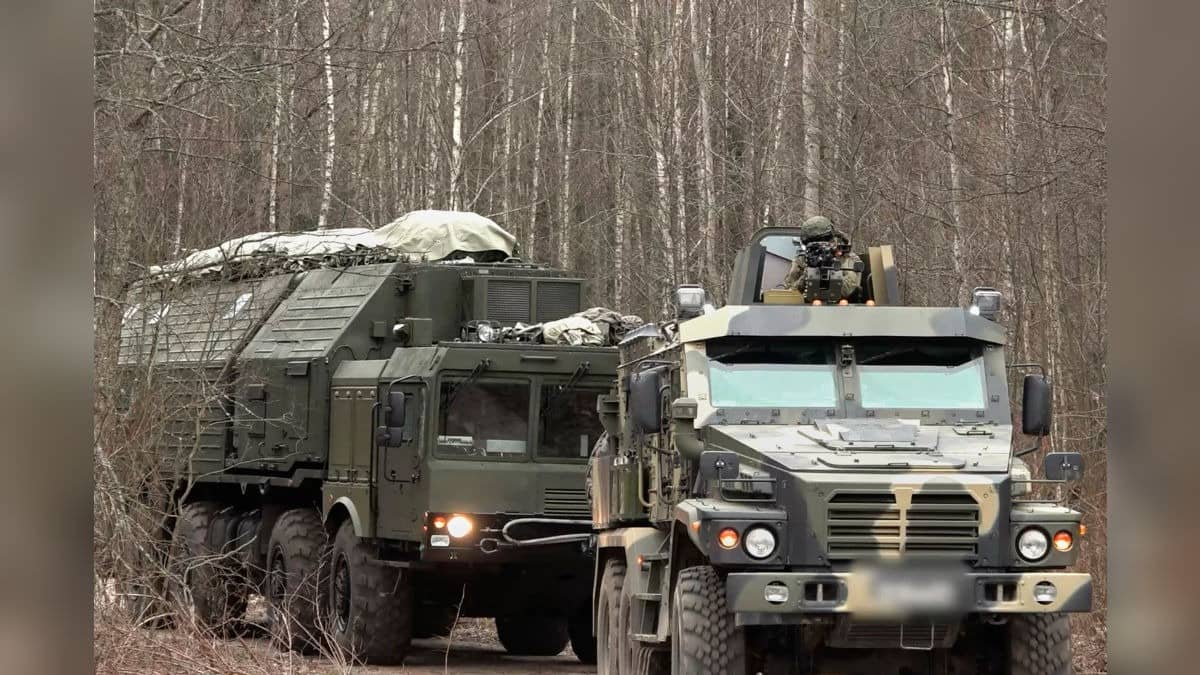
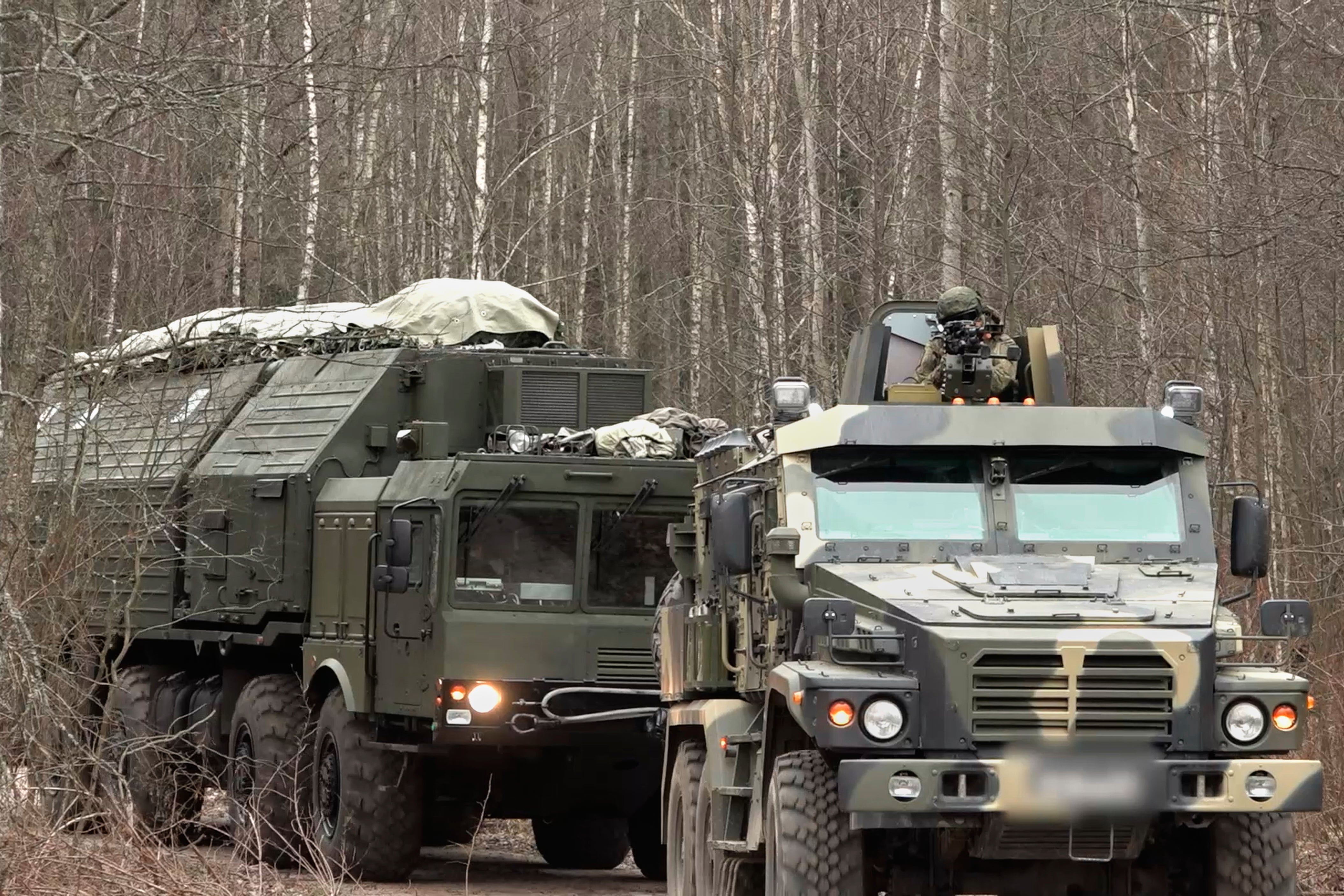
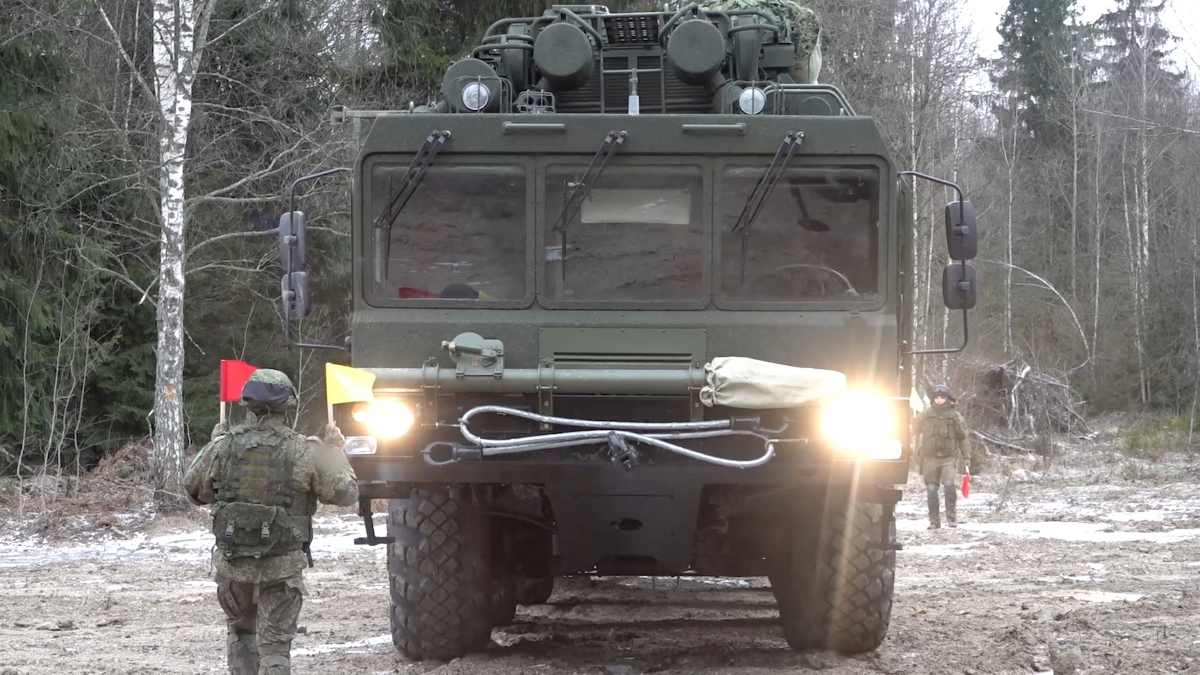
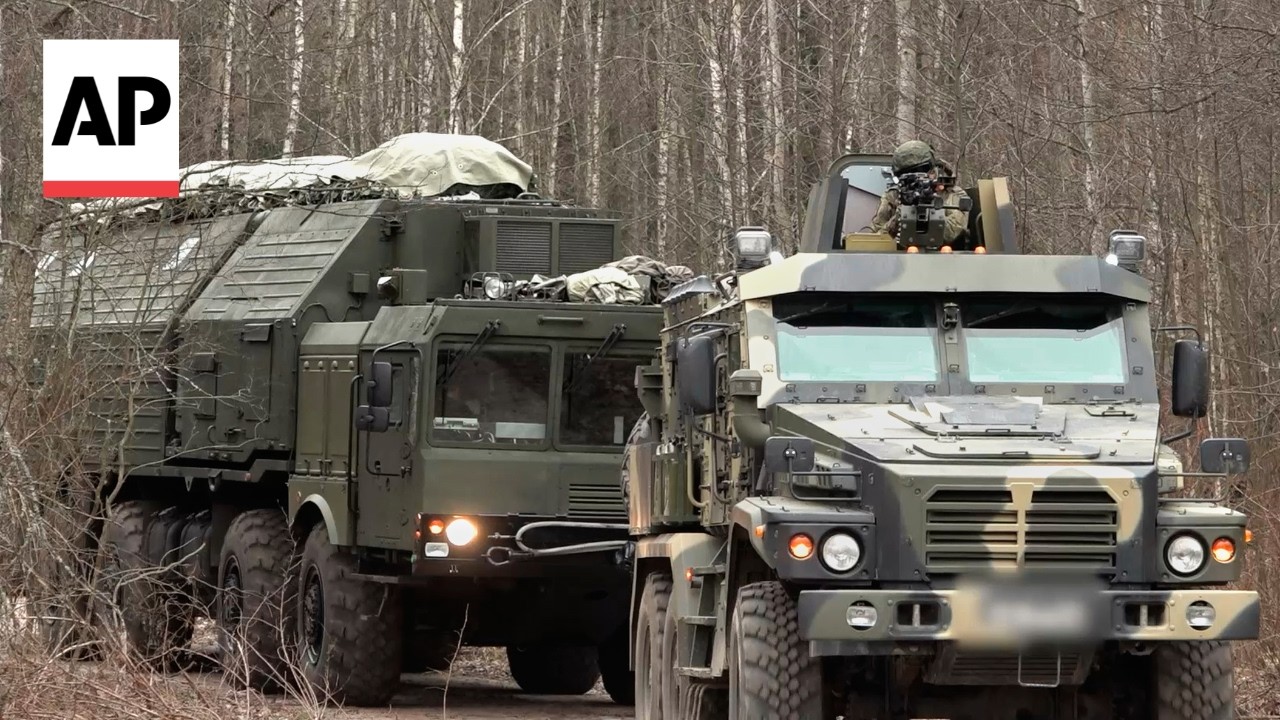
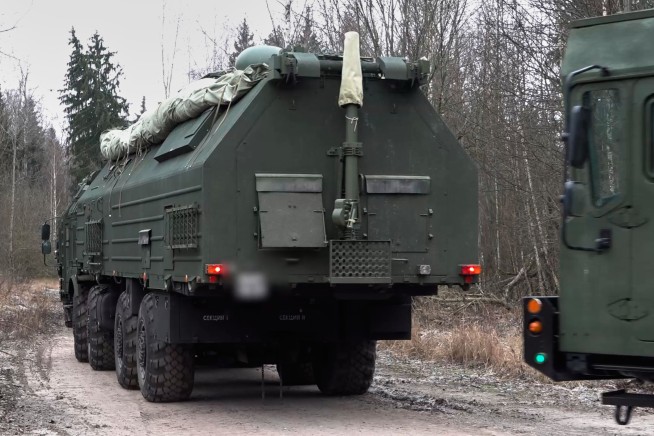
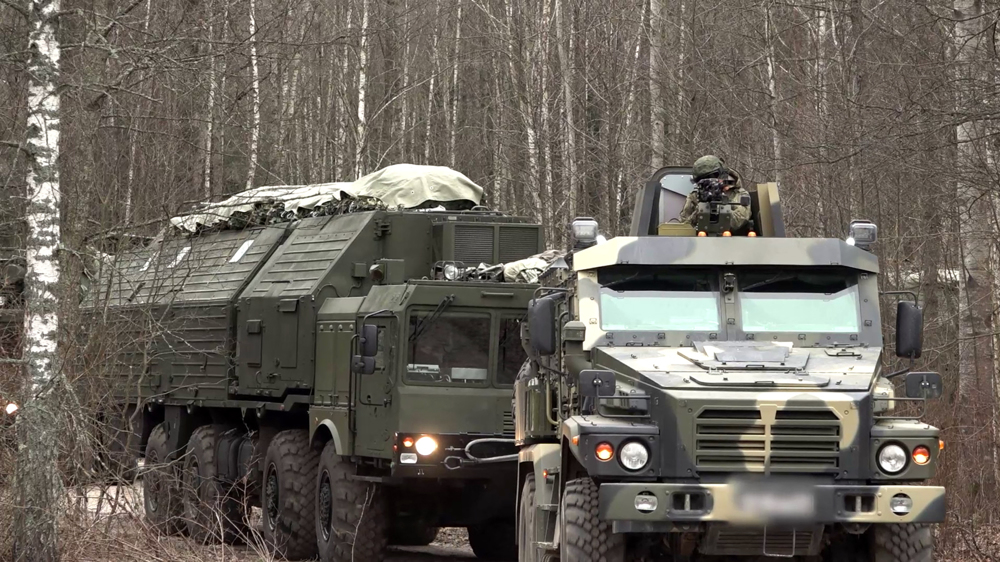
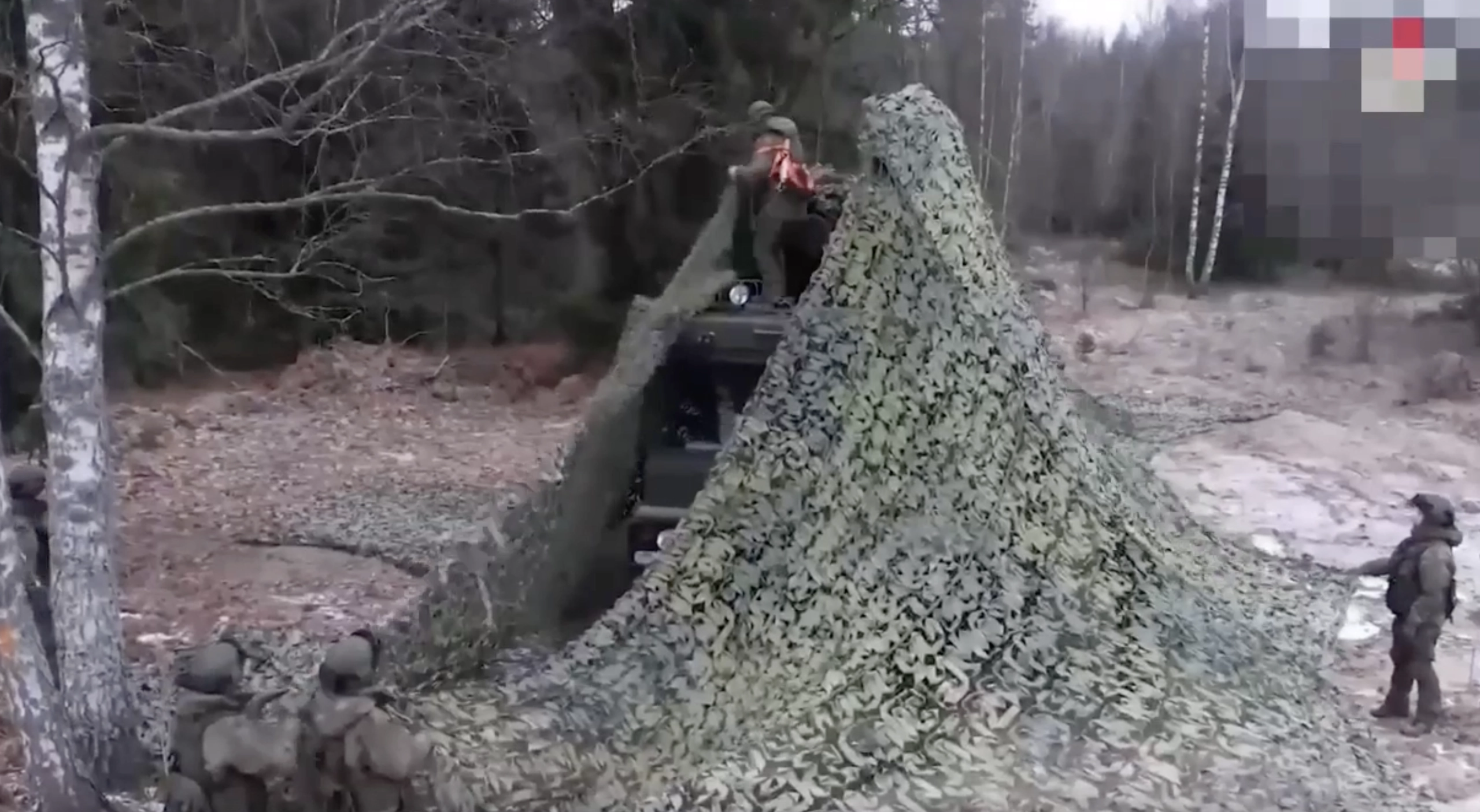
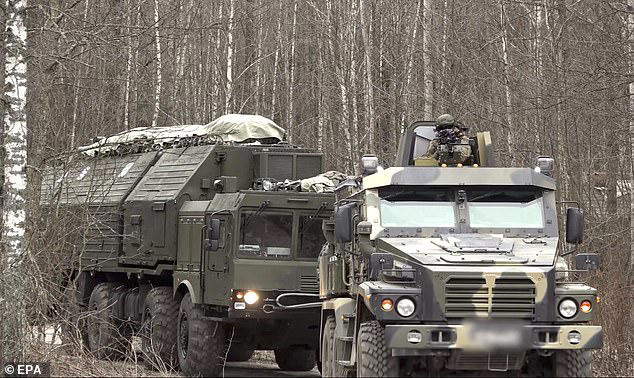
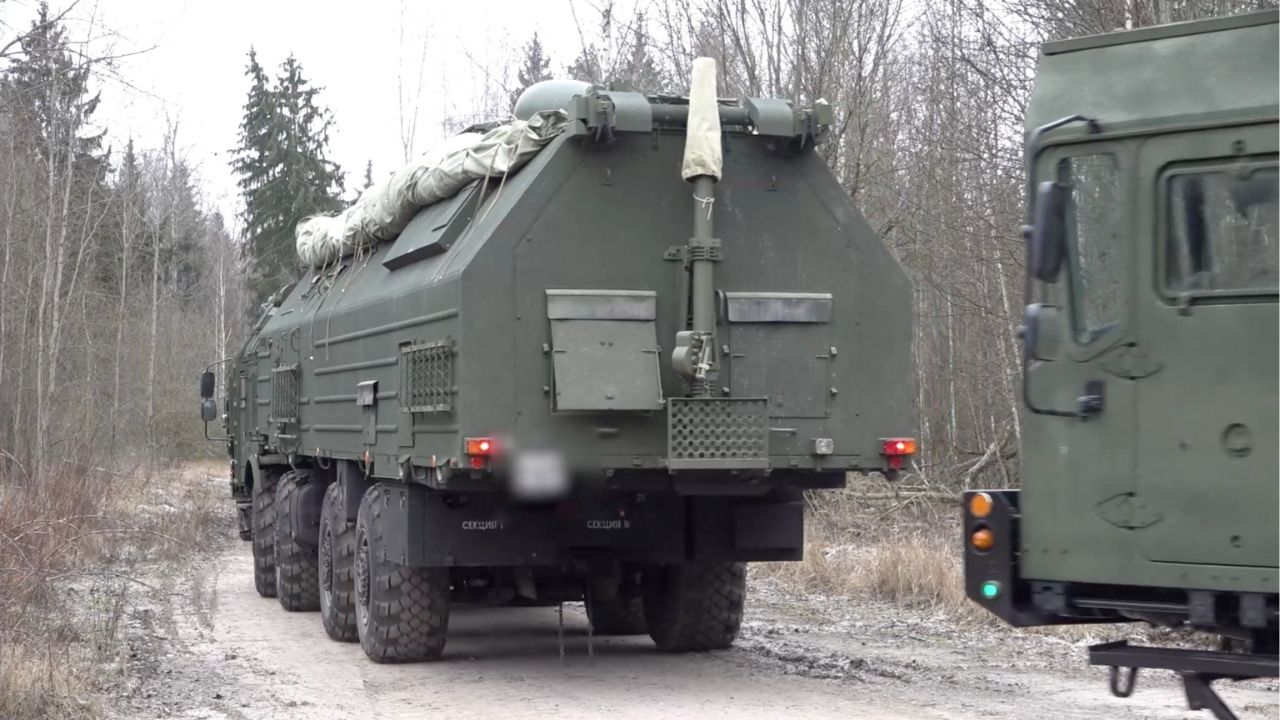
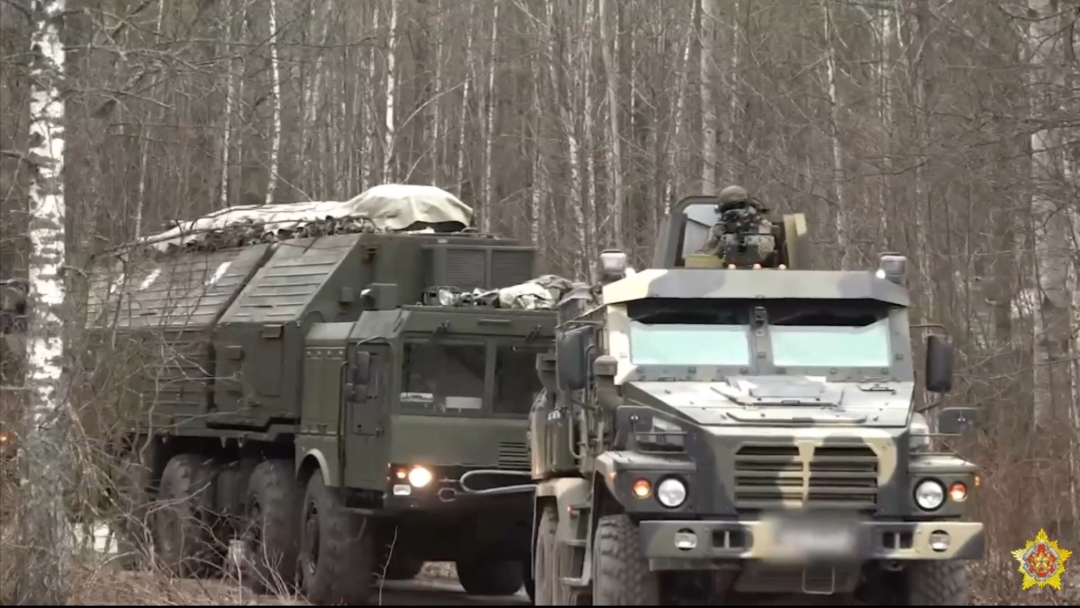
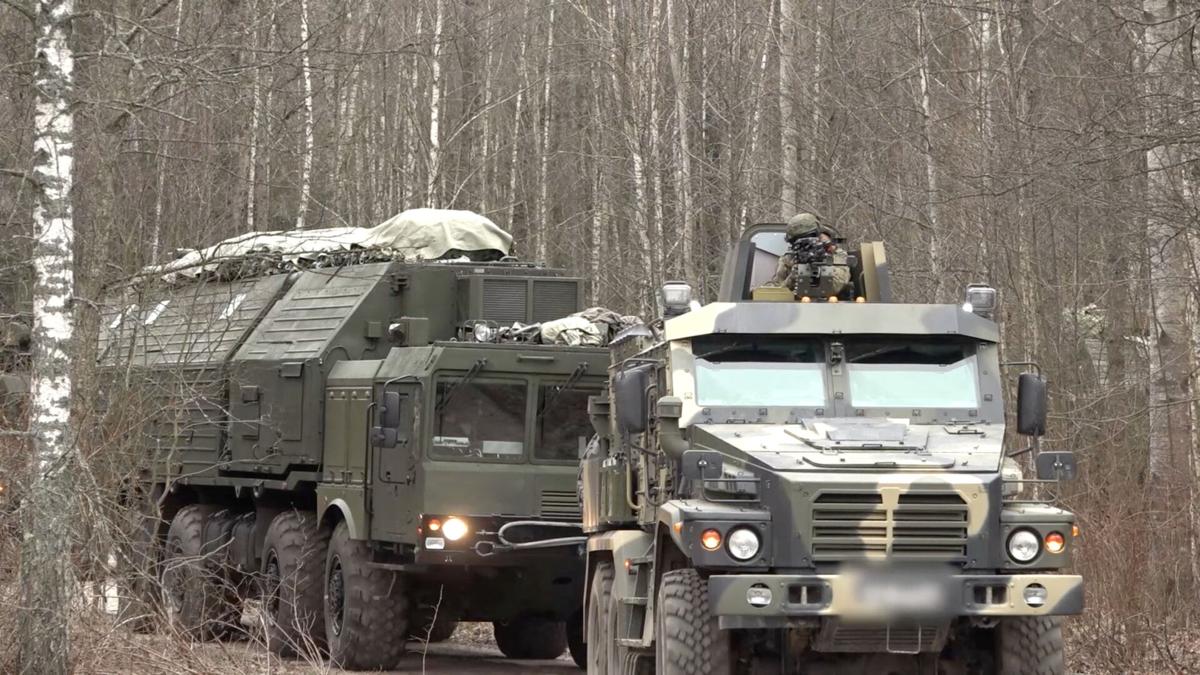
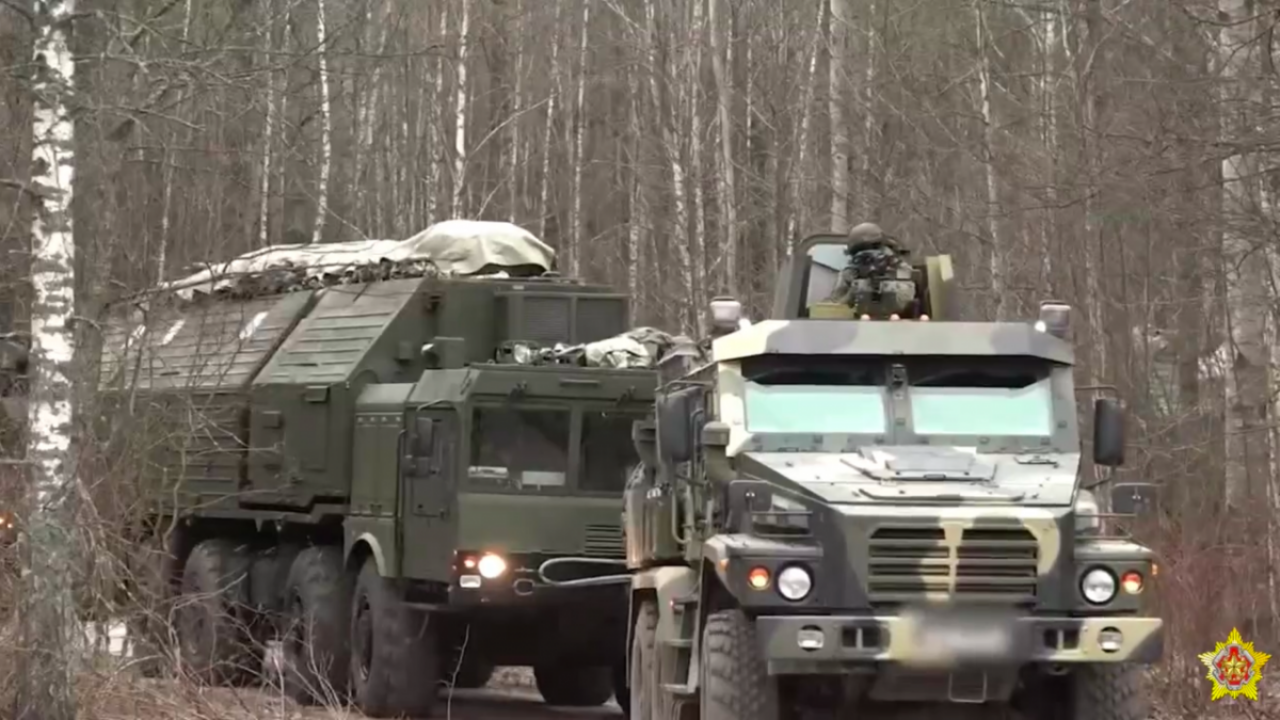
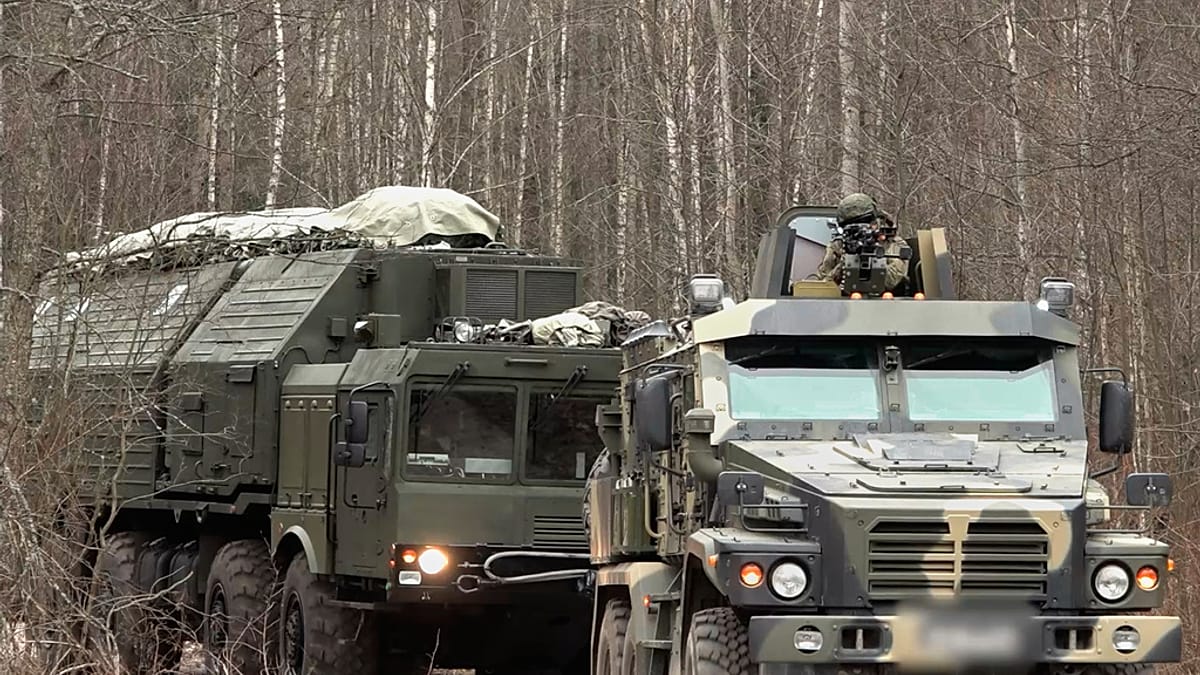
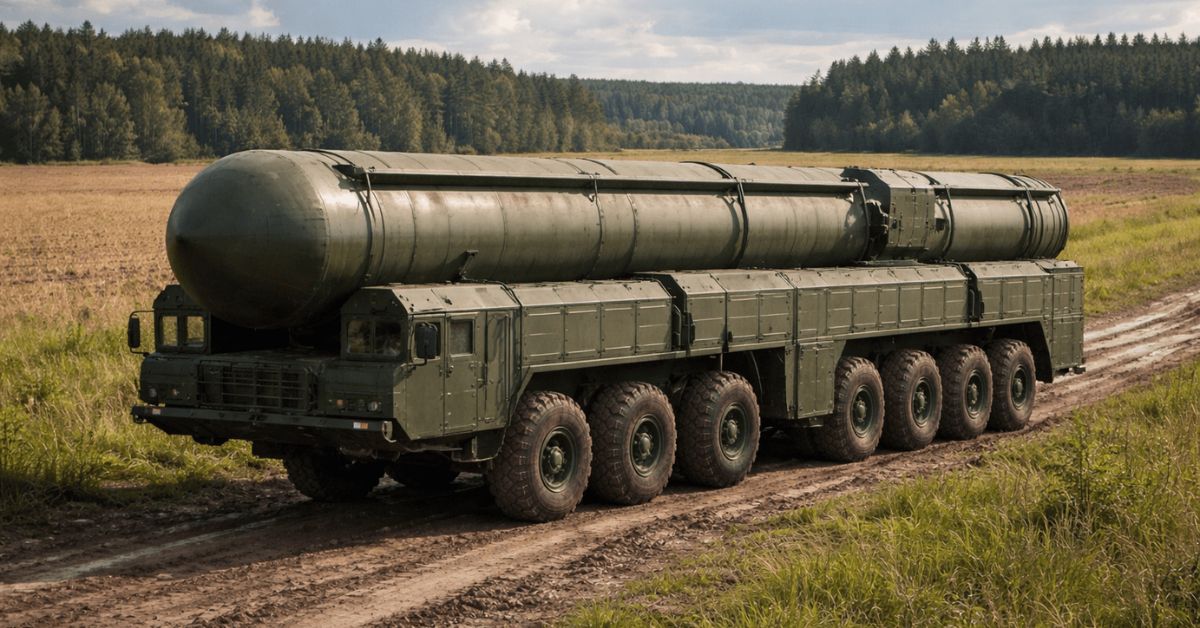
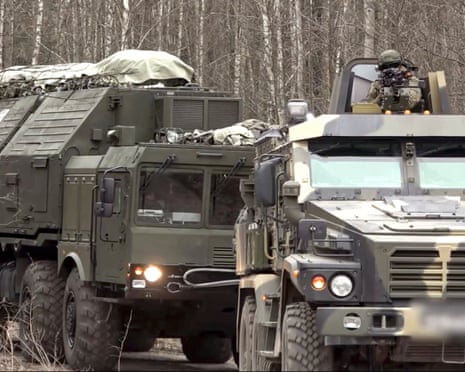
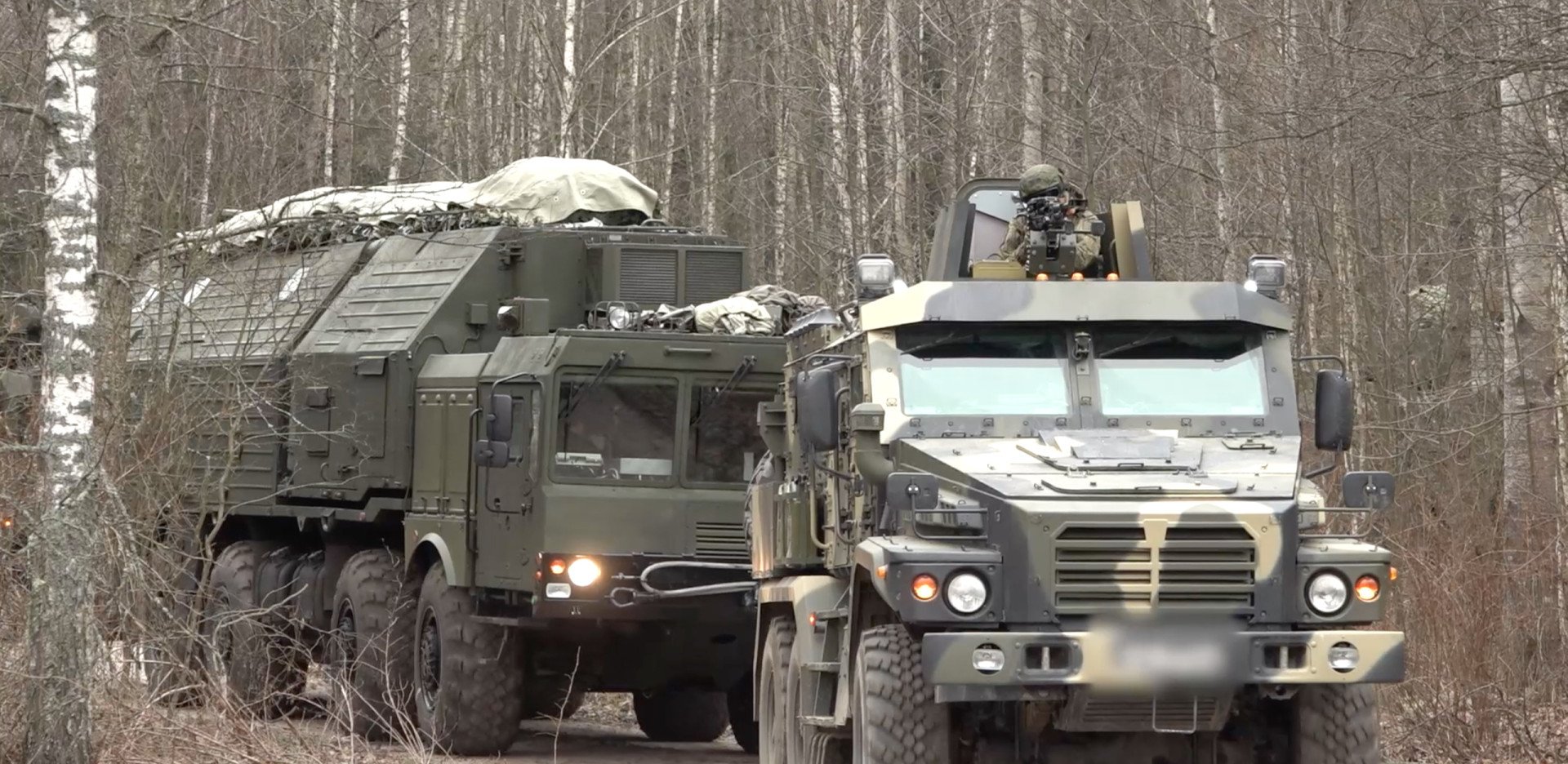
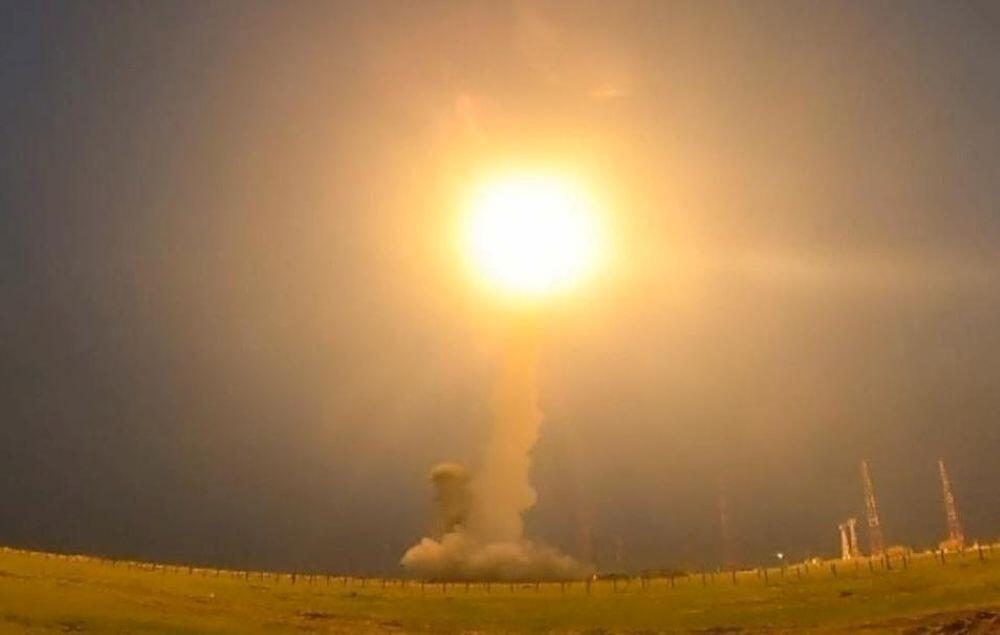
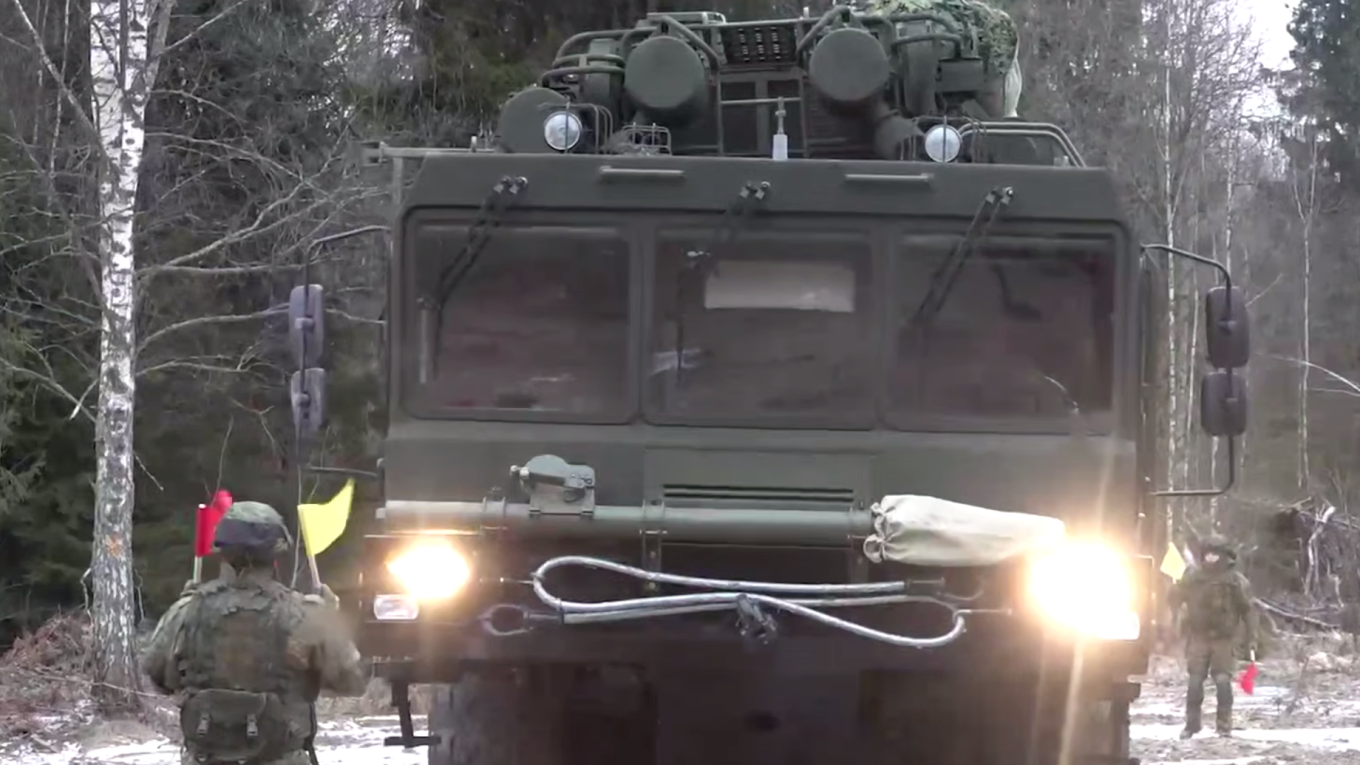
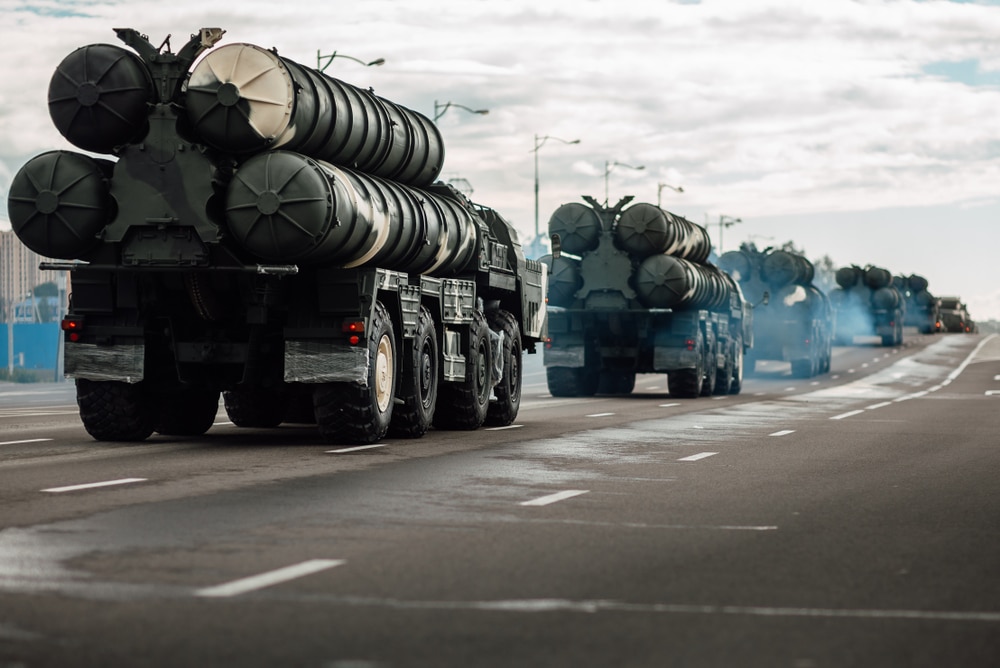
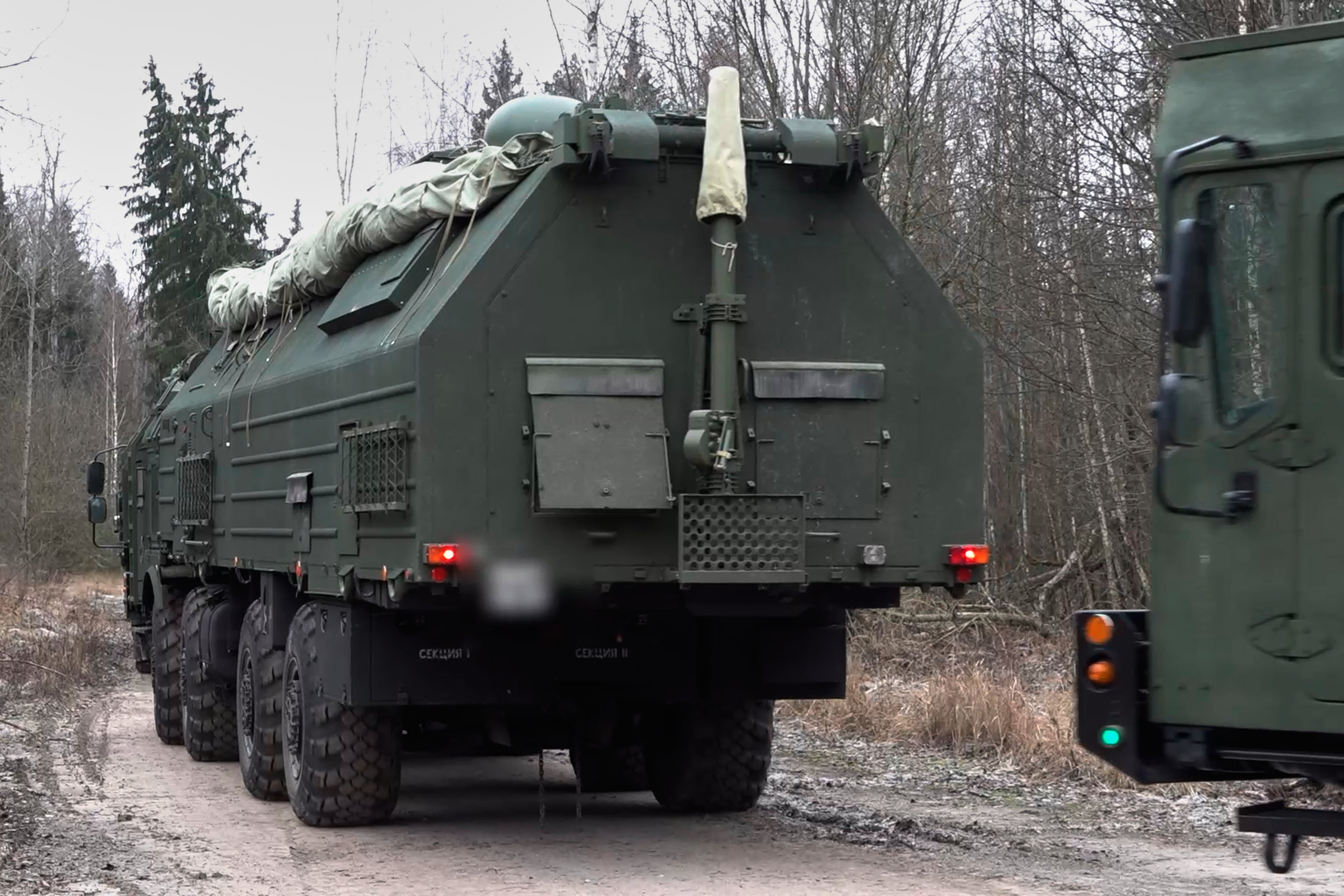
The deployment of Oreshnik hypersonic missiles by Russia into Belarus represents a critical inflection point in Eastern European geopolitical dynamics, with profound implications for international trade and strategic risk management. Vladimir Putin's strategic positioning of these nuclear-capable missiles—claimed to be "impossible to intercept" and traveling over 10 times the speed of sound—signals a deliberate escalation of military tensions with NATO and European nations.
The strategic significance extends far beyond traditional military posturing. With a potential range of 5,500 kilometers and deployment of approximately a dozen missiles at the Krichev-6 airbase, Russia is effectively reshaping the regional security architecture. Belarusian President Alexander Lukashenko's characterization of this move as a response to "aggressive Western actions" underscores the complex diplomatic chess game unfolding.
For international businesses and cross-border sellers, this development demands immediate strategic recalibration. The geopolitical uncertainty introduces multifaceted risks: potential disruptions in Eastern European supply chains, increased compliance complexities, and heightened logistics volatility. Companies with regional exposure must develop robust contingency plans that account for rapidly shifting political landscapes.
The deployment also reveals a broader pattern of strategic intimidation. By positioning these missiles to potentially target European locations more rapidly, Russia is sending a clear message about its nuclear deterrence capabilities. German Chancellor Friedrich Merz's critical New Year's speech, calling for European nations to independently defend their interests, further highlights the growing strategic tensions.
Critically, this is not merely a military maneuver but a sophisticated geopolitical signal. The Oreshnik missile system represents Russia's attempt to reshape regional power dynamics, challenge NATO's strategic depth, and create uncertainty in international markets. For businesses, this translates to an imperative: develop adaptive strategies that can rapidly respond to geopolitical volatility.
Questions 3
What strategic message is Russia sending through this missile deployment?
Russia is demonstrating its nuclear deterrence capabilities and challenging NATO's strategic positioning. By deploying hypersonic missiles with a 5,500 km range near European borders, Putin is signaling both military technological superiority and a willingness to escalate tensions to reshape regional power dynamics.
How might the Oreshnik missile deployment impact international business operations?
The deployment introduces significant geopolitical uncertainty, potentially disrupting supply chains in Eastern European markets. Businesses should anticipate increased compliance requirements, potential logistics route alterations, and heightened risk management needs, particularly for companies with regional supply chain or market exposure.