



Strategic Standoff: How Warner Bros. Discovery is Reshaping Media Merger Landscape
- Streaming Giants Recalibrate Competitive Strategies Amid Complex Acquisition Negotiations






















Overview
The media industry is witnessing a pivotal moment of strategic repositioning, with Warner Bros. Discovery (WBD) poised to reject Paramount's hostile takeover bid, signaling a profound transformation in content and streaming market dynamics. At the heart of this complex negotiation lies a $108.4 billion acquisition attempt that reveals the intricate chess game of media consolidation.
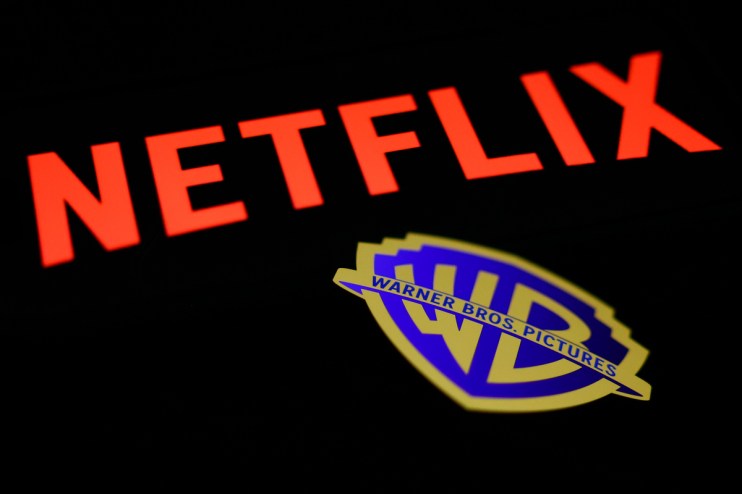
Strategic Rejection Signals emerge clearly from WBD's calculated response. Despite Paramount's amended offer, which includes a $40.4 billion personal guarantee from Larry Ellison and an increased breakup fee of $5.8 billion, the company remains committed to its previously negotiated Netflix deal. This preference underscores a critical trend: not all acquisition offers are created equal, and strategic alignment trumps pure financial magnitude.
The underlying dynamics reveal a multi-dimensional competitive landscape. WBD's board is strategically positioning itself by maintaining preference for the Netflix transaction, valued at $82.7 billion, which offers clearer financing structures and lower execution risks. The $2.8 billion potential breakup fee associated with walking away from the Netflix agreement further complicates Paramount's hostile bid, making their offer less attractive.
Regulatory considerations add another layer of complexity. U.S. lawmakers from both parties have expressed concerns about media consolidation, with President Trump indicating potential review of such landmark acquisitions. This political backdrop suggests that future media mergers will face increased scrutiny, transforming them from purely financial transactions into complex geopolitical negotiations.
For media industry stakeholders, this development signals a critical inflection point. The ongoing negotiations reveal that successful mergers now require not just financial muscle, but strategic alignment, regulatory navigation, and a clear vision for content distribution in an increasingly fragmented digital landscape. Smaller content creators and platform sellers must recognize that the game has fundamentally changed—scale, strategic positioning, and adaptability are now paramount.
Questions 3
How might this impact smaller media companies and content creators?
Smaller players must now focus on strategic positioning, unique content offerings, and potential niche market advantages. The consolidation trend suggests that scale and adaptability will be crucial for survival in the evolving digital media ecosystem.
What are the broader implications of this potential merger rejection?
This rejection signals a more complex media consolidation landscape where financial terms alone cannot guarantee a successful merger. Strategic fit, content distribution capabilities, and regulatory considerations are now equally critical in media industry transactions.