



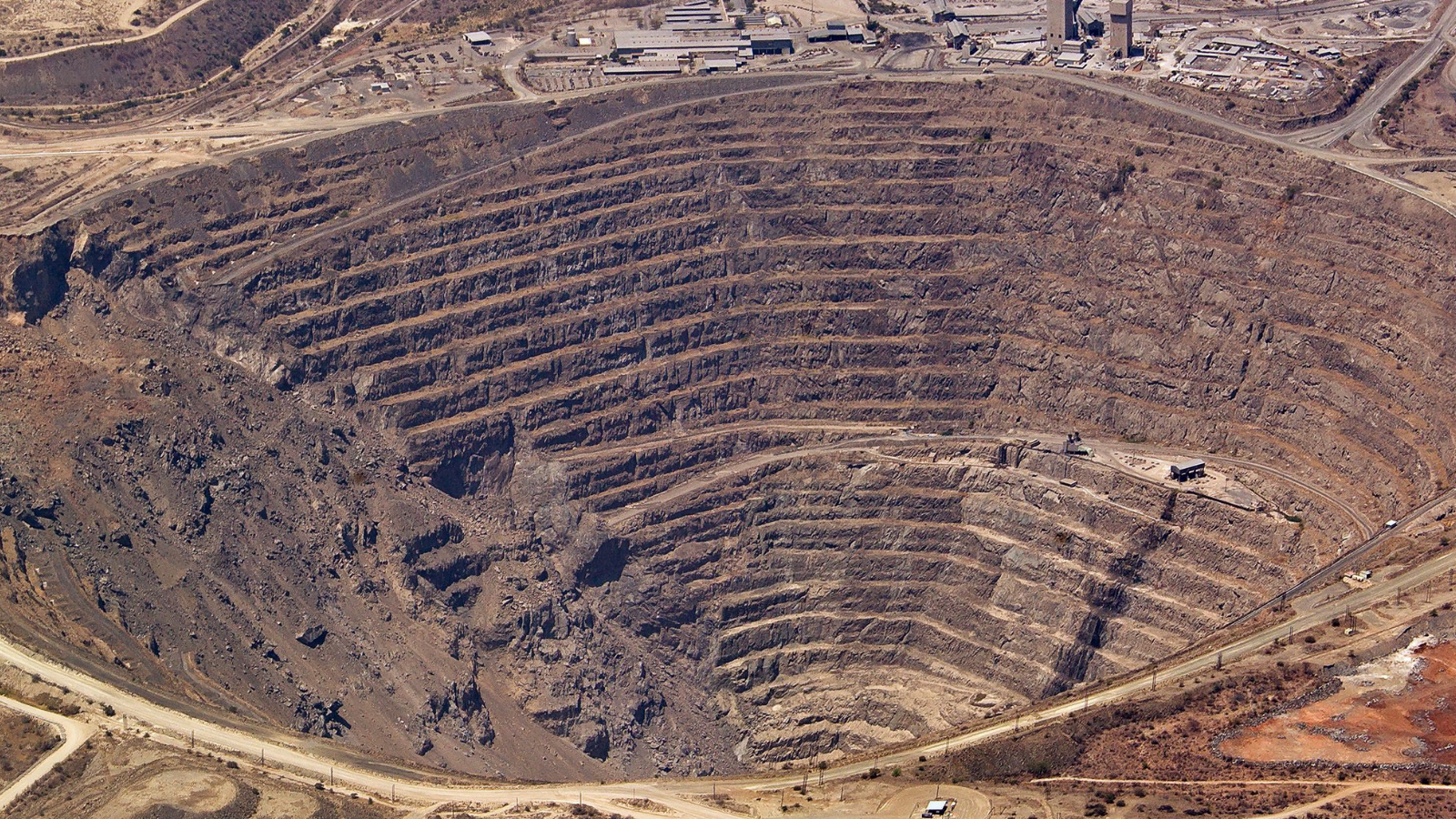

The Global Race for Critical Minerals: Geopolitical Chess in the New Resource Economy
- Emerging battleground where tiny nations reshape global supply chain strategies






Overview
In the emerging landscape of global resource competition, critical minerals have transformed from industrial commodities to strategic geopolitical assets. The year 2025 marks a pivotal moment where approximately 50 raw materials have become central to national security, technological innovation, and economic sovereignty.
Geopolitical Reconfiguration: The U.S. Geological Survey's expansion of critical minerals to 60 materials signals a profound strategic shift. Countries are no longer just trading resources; they're strategically positioning themselves in a complex global chess match. China's current dominance in mineral production creates significant supply chain vulnerabilities, prompting aggressive diversification strategies by the United States.
Technological Transformation: The critical minerals landscape is being reshaped by technological demands. 'Spice metals' like gallium and germanium are now crucial for semiconductor technology, while metals such as lithium, cobalt, and rare earth elements have become foundational to clean energy and advanced manufacturing. The semiconductor and electric vehicle industries are driving unprecedented demand, turning these minerals into strategic national assets.
Unexpected Battlegrounds: Remarkably, even tiny nations like the Cook Islands are becoming focal points in this global resource competition. With both U.S. and Chinese research vessels mapping seafloor resources, we're witnessing a sophisticated geopolitical strategy where strategic location trumps traditional economic metrics. This demonstrates how smaller markets can leverage unique assets to attract international investment and diplomatic attention.
For cross-border sellers and technology companies, this represents a transformative moment. Supply chains, import/export regulations, and market opportunities are being fundamentally redesigned. Companies must rapidly adapt to emerging geopolitical mineral strategies, recognizing that resource access is now as critical as technological innovation itself.
Questions 3
Why are critical minerals suddenly so strategically important?
Critical minerals have become essential for advanced technologies like semiconductors, electric vehicles, and renewable energy. They're no longer just industrial inputs, but strategic assets that determine technological sovereignty and national security capabilities.
How are smaller countries like the Cook Islands becoming relevant in mineral geopolitics?
Tiny nations with strategic geographic locations are attracting major powers like the U.S. and China for potential mineral resources. Their seafloor mapping and resource potential make them unexpected but crucial players in the global mineral competition.