





Samsung's Strategic UI Evolution Signals Deeper User Customization Commitment
- Personalization becomes the new battleground for smartphone user experience and brand differentiation




















Overview
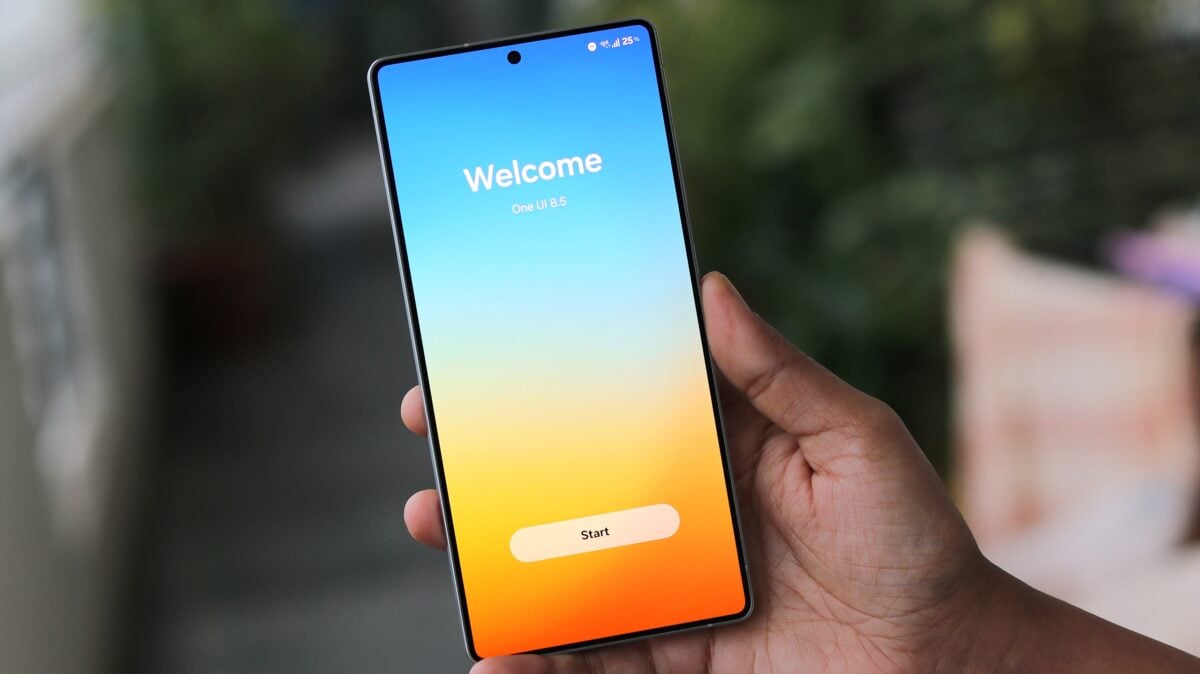
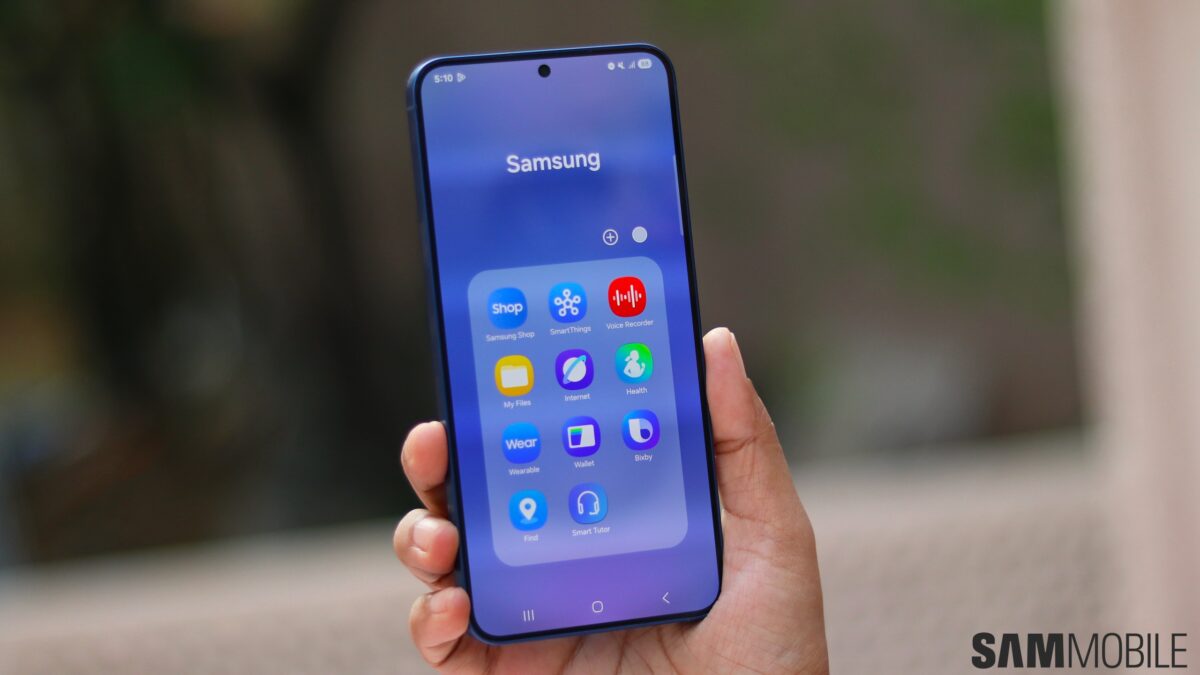
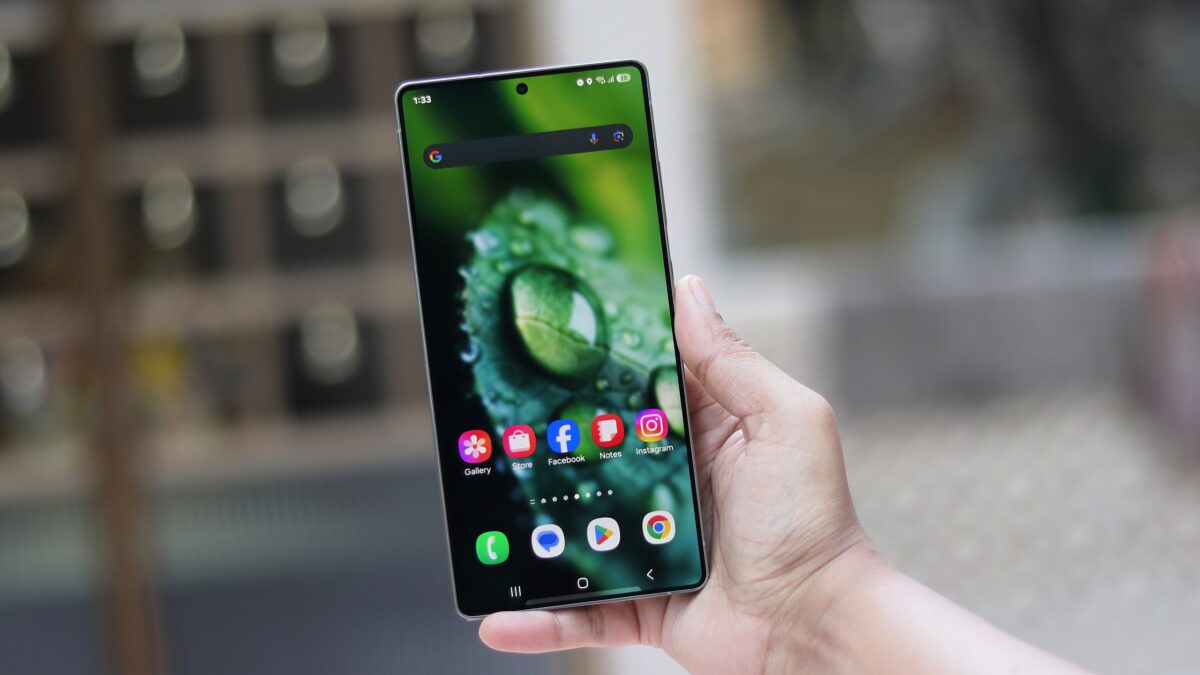
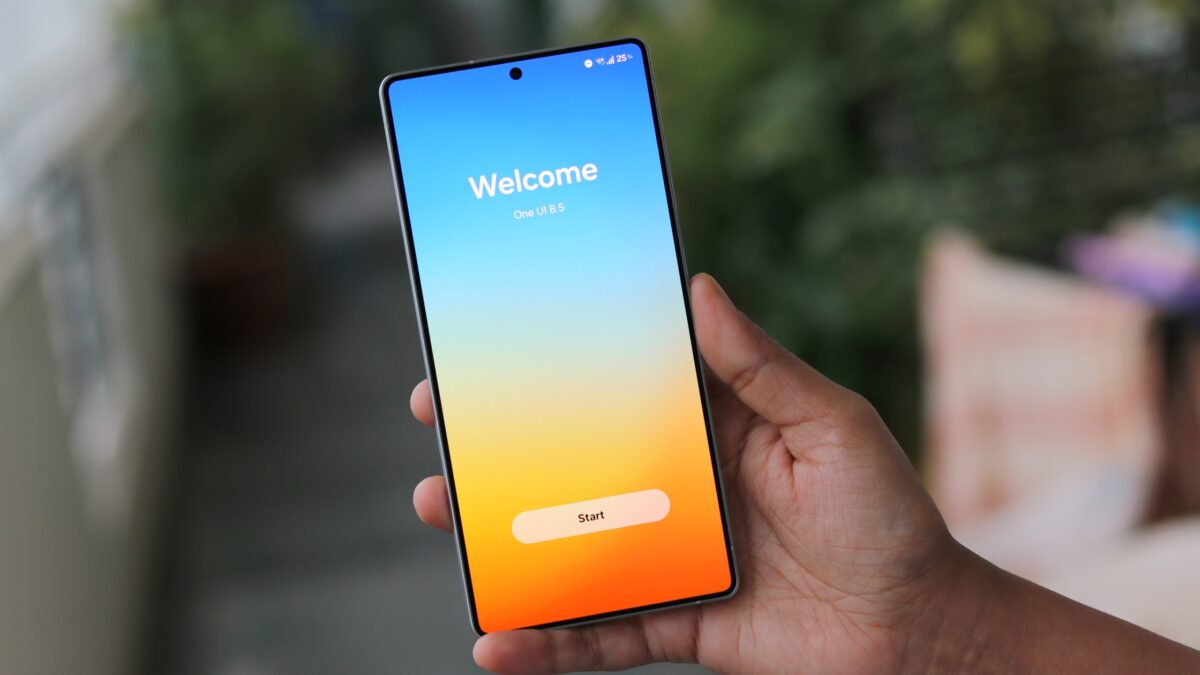
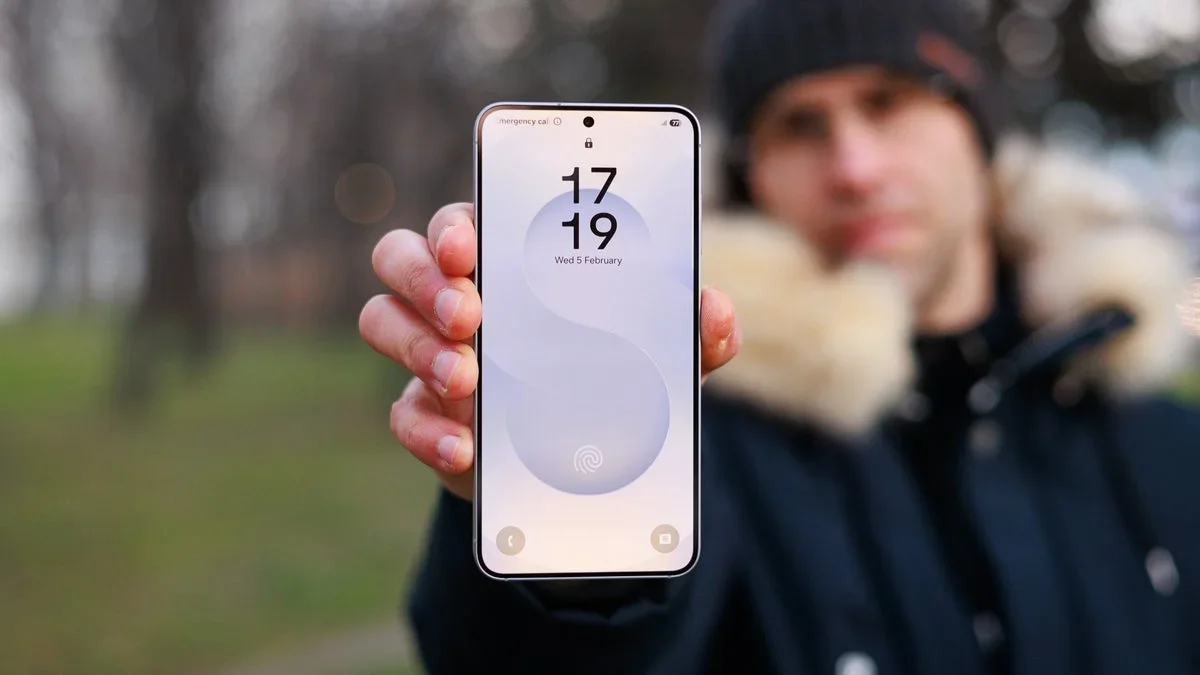
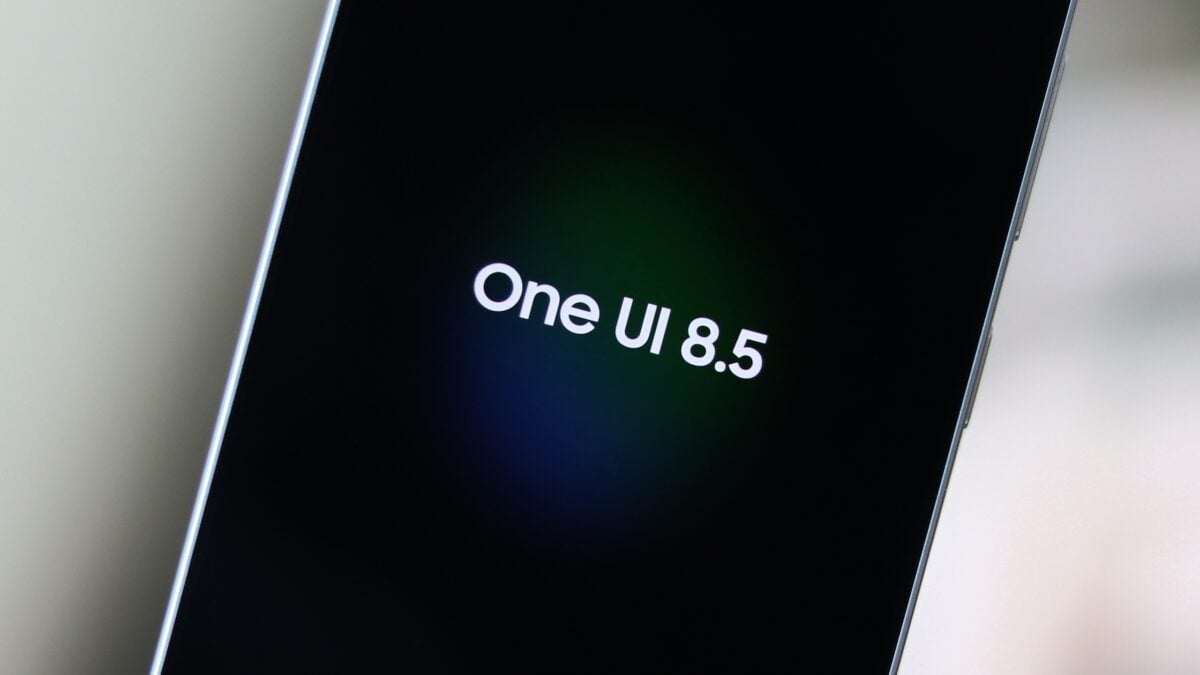
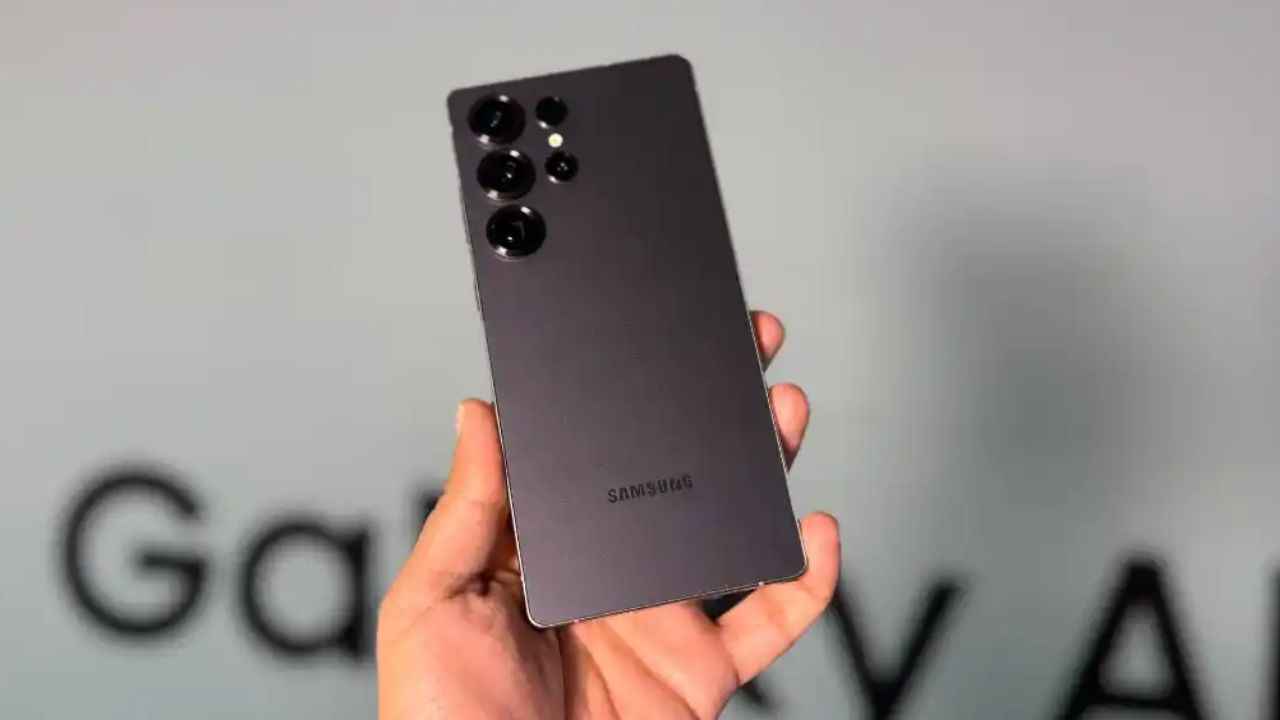
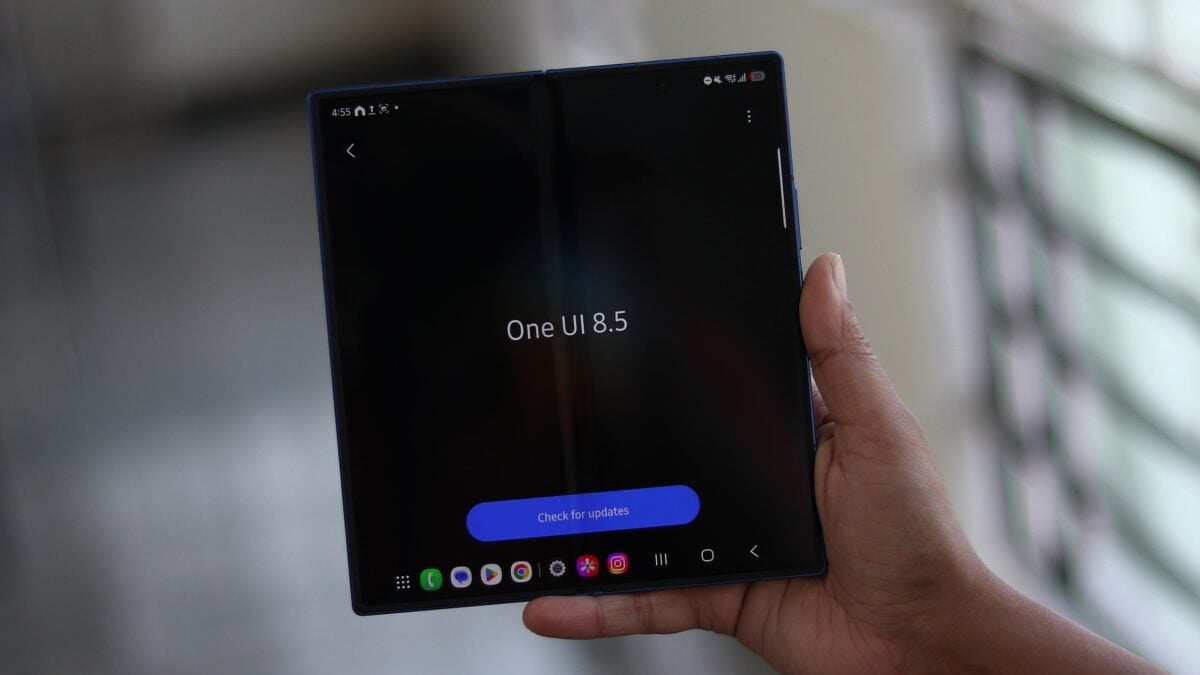
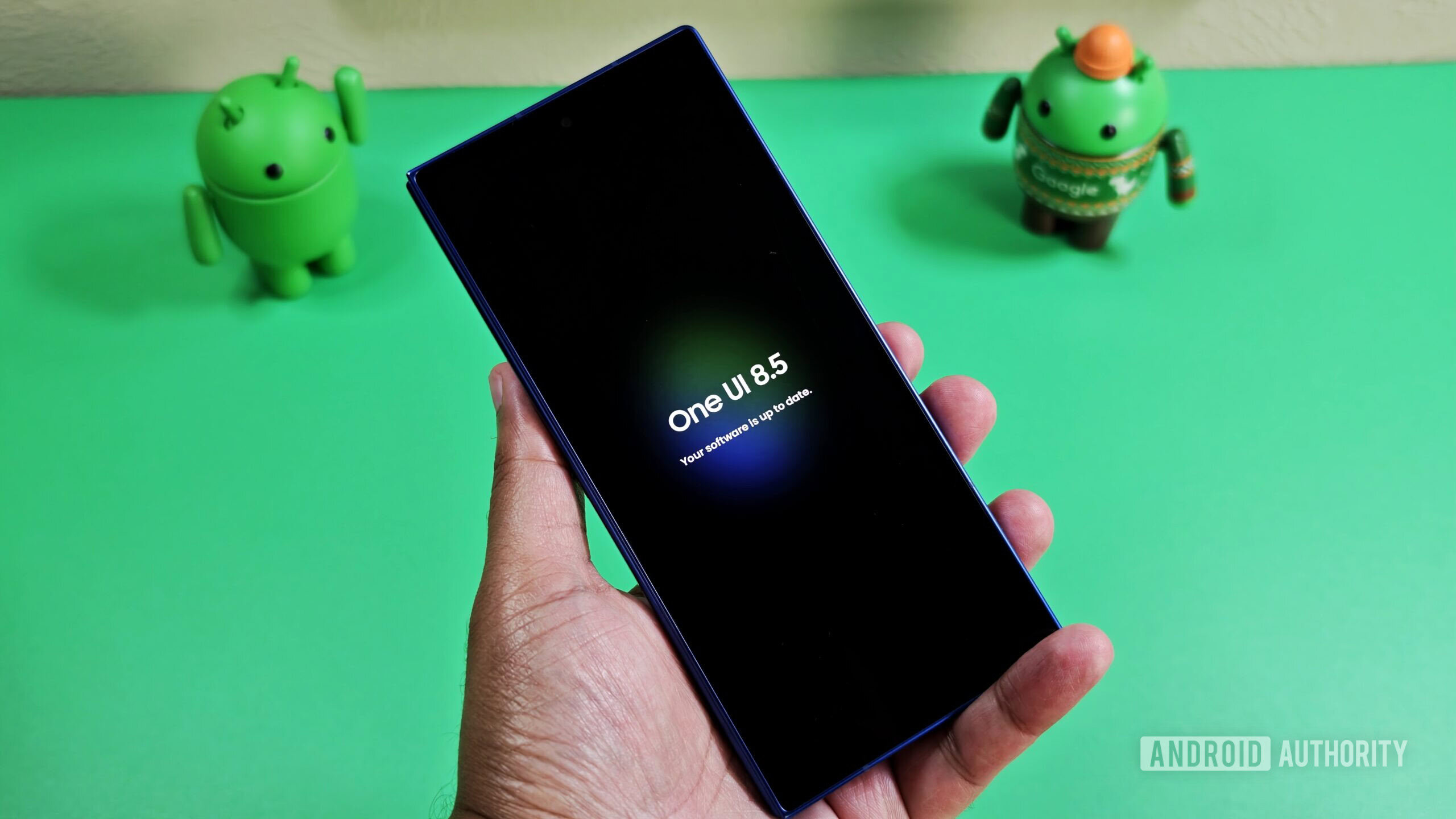
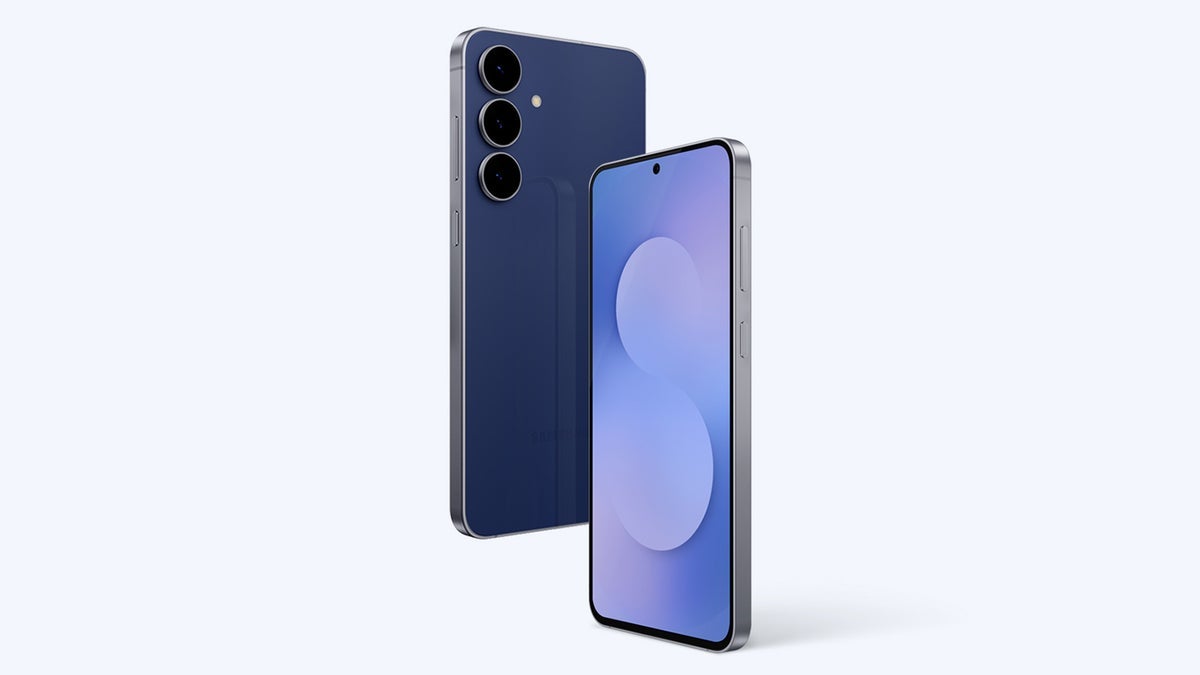
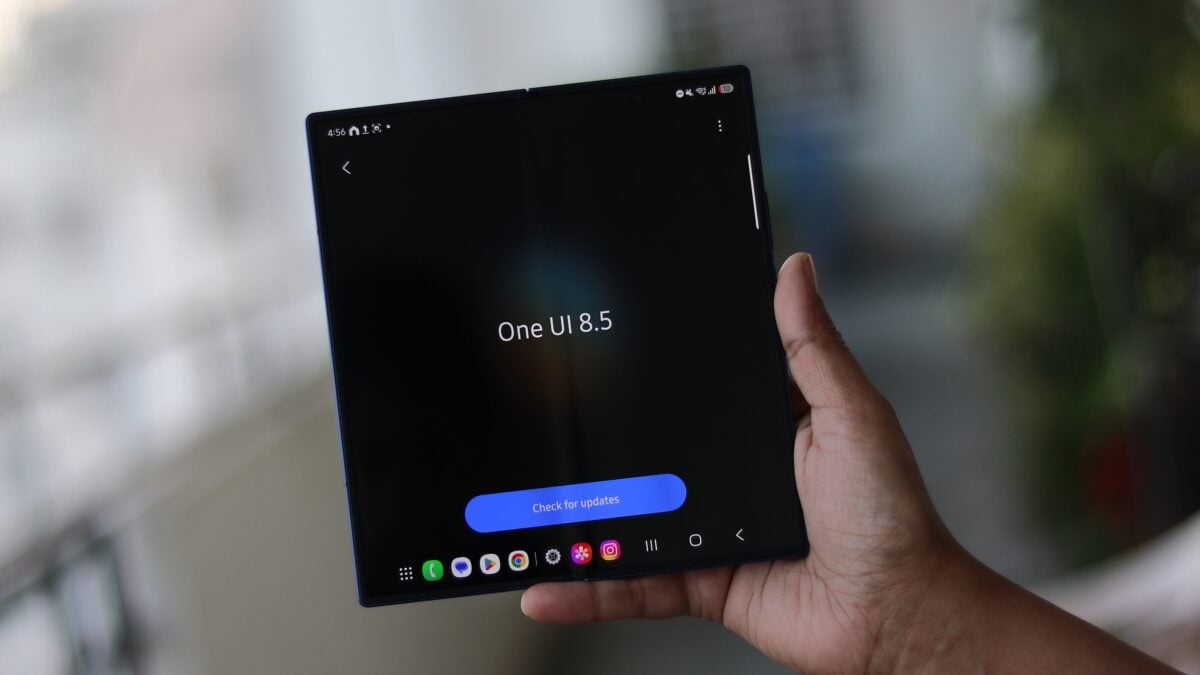
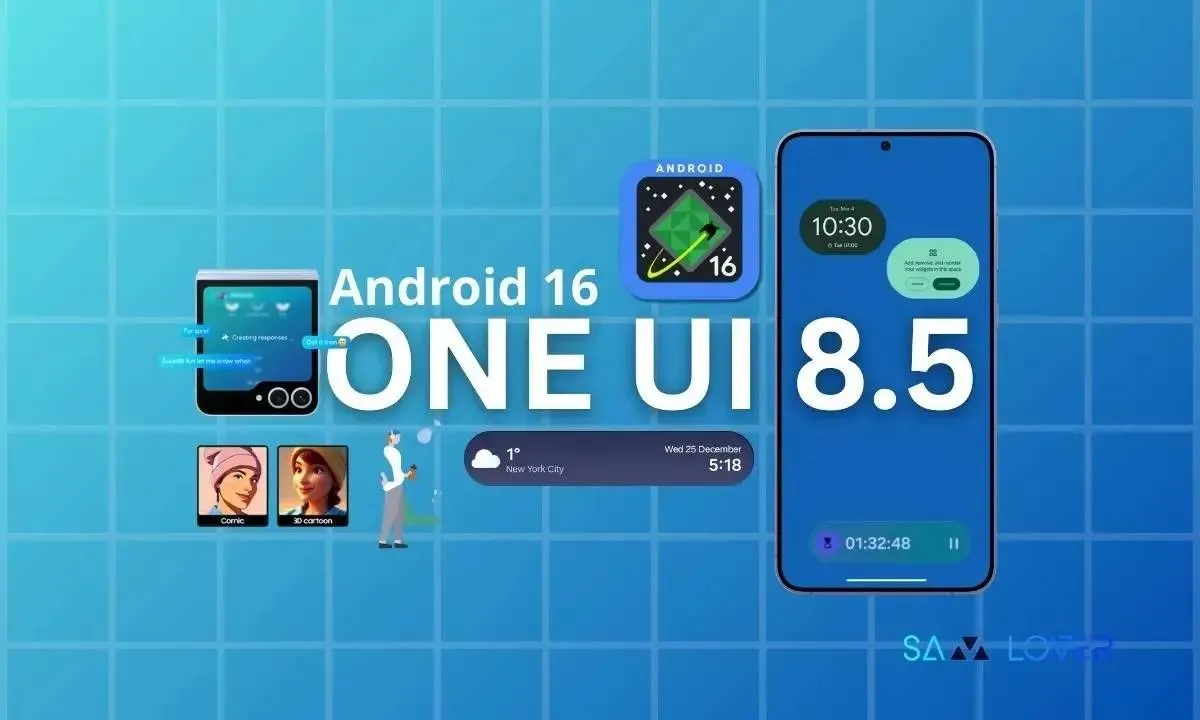
Samsung's One UI 8.5 beta release represents a pivotal moment in mobile interface design, signaling a profound shift towards hyper-personalized user experiences. By introducing granular customization options for the Galaxy S25 series, Samsung is strategically repositioning its software as a key differentiator in an increasingly commoditized smartphone market.
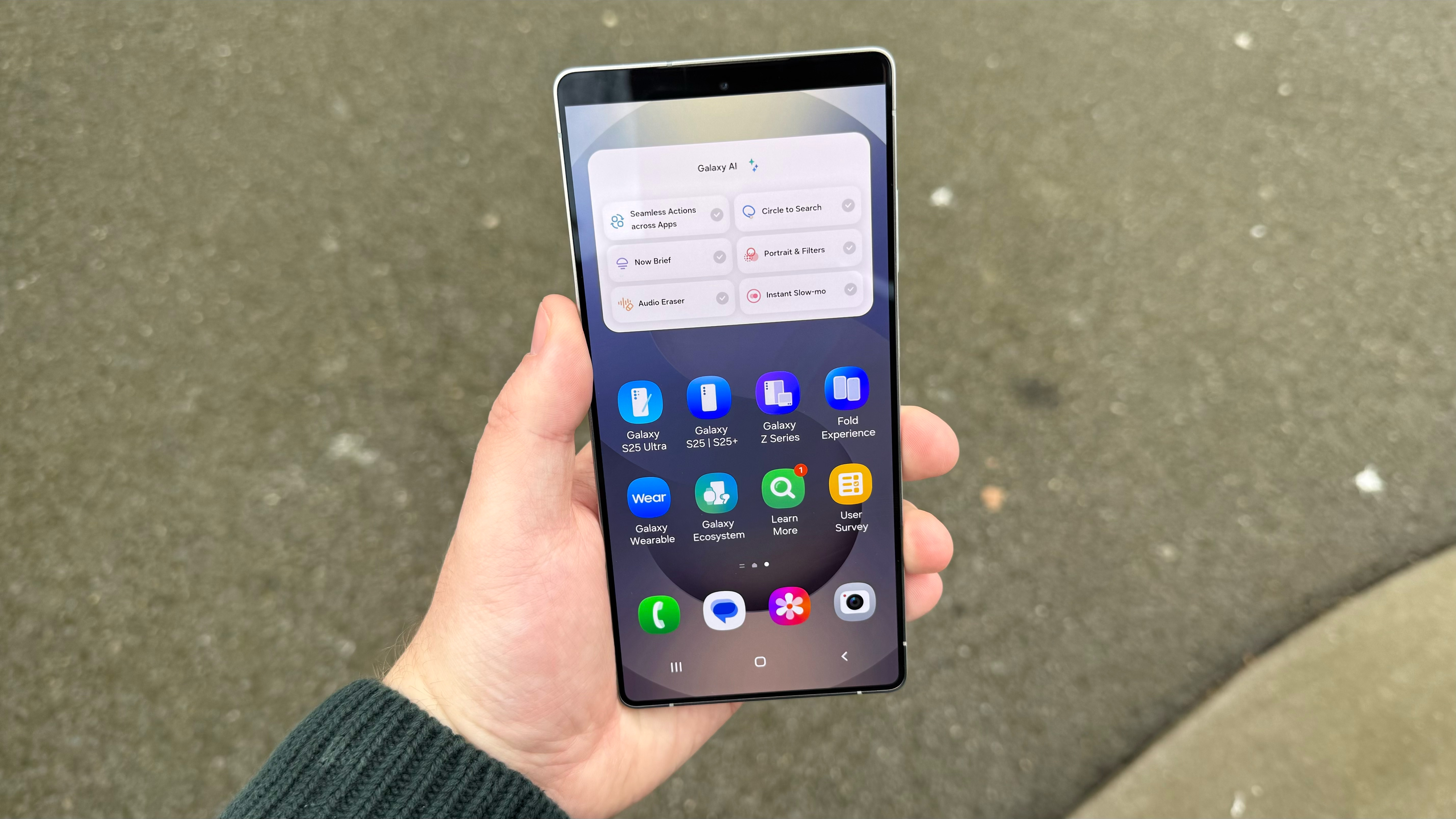
The beta's most significant innovation lies in its unprecedented interface flexibility. Users can now dynamically modify quick settings, adjust toggle sizes between 11-12 options, and redesign panel layouts—transforming what was once a rigid system into a truly personalized digital environment. This isn't just a software update; it's a fundamental reimagining of user interaction paradigms. The ability to remove specific widgets like the media player and customize Smart View and SmartThings toggles demonstrates Samsung's commitment to user-driven design.
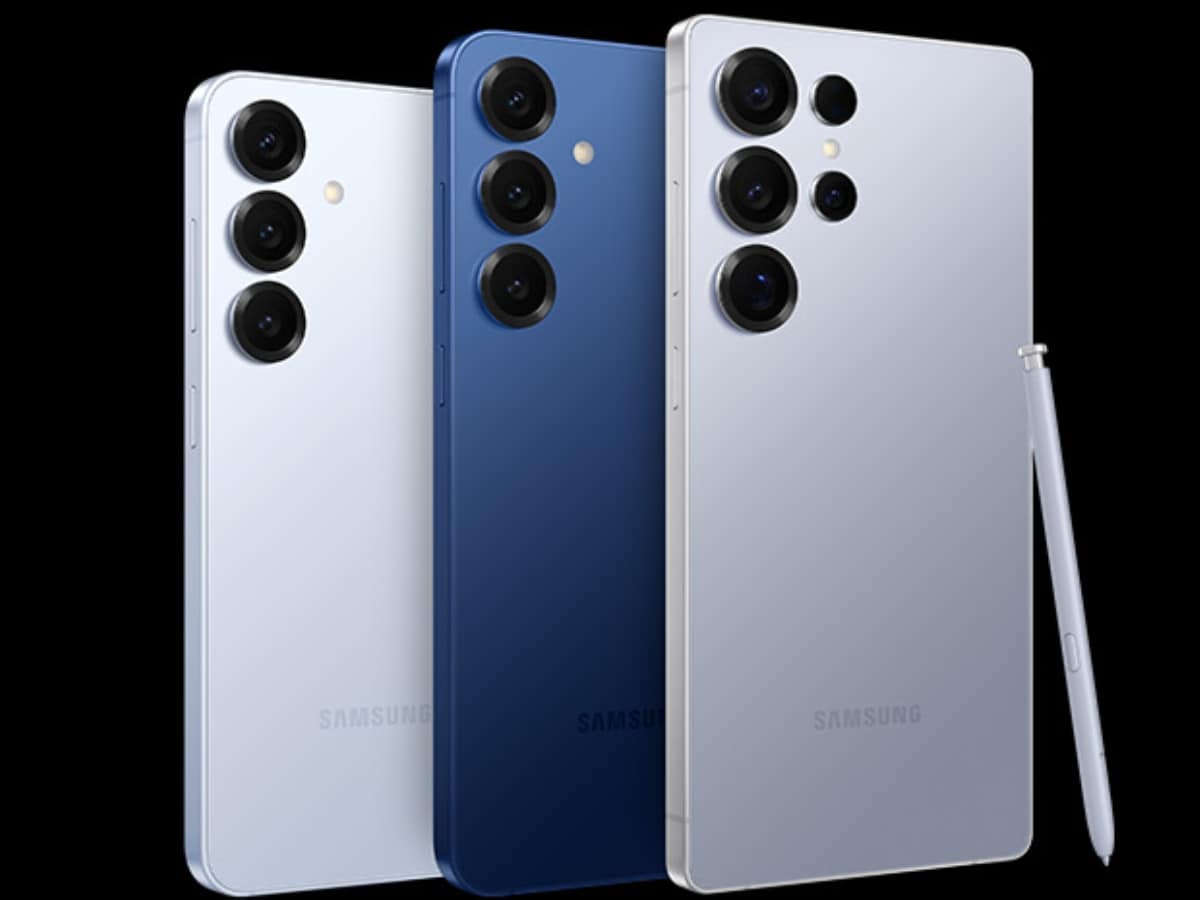
Strategically, the beta program's limited initial rollout across six markets reveals a calculated market testing approach. By focusing exclusively on the S25 series and excluding FE and Edge variants, Samsung is creating a controlled ecosystem for gathering nuanced user feedback. This methodical approach suggests the company views software customization as a critical competitive lever, potentially more important than hardware differentiation. The beta's expansion beyond foldable devices indicates a broader strategic pivot towards making personalization a core value proposition across Samsung's smartphone lineup.
The implications extend far beyond mere interface tweaks. This release signals a deeper trend of treating smartphone software as a dynamic, adaptable platform rather than a static utility. For developers, designers, and mobile ecosystem players, this represents a clear mandate: user empowerment and granular customization are no longer optional but essential competitive strategies.
Questions 3
What makes the One UI 8.5 beta unique in smartphone interface design?
The beta introduces unprecedented customization options, allowing users to dynamically modify quick settings, adjust toggle sizes, and redesign panel layouts. This represents a shift from rigid interfaces to truly personalized digital experiences.
Why is Samsung limiting the beta to the S25 series?
By focusing on a specific device series across six markets, Samsung can gather targeted user feedback, control the testing environment, and strategically refine its personalization approach before potential wider rollout.