
Ukraine IMF $8.1B Loan Unlocks E-Commerce Market Recovery | Seller Opportunities in Eastern Europe
- $8.1B IMF financing stabilizes Ukrainian consumer purchasing power and payment infrastructure through 2030; deferred online retailer tax hikes create 6-month compliance window for cross-border sellers










)






Overview
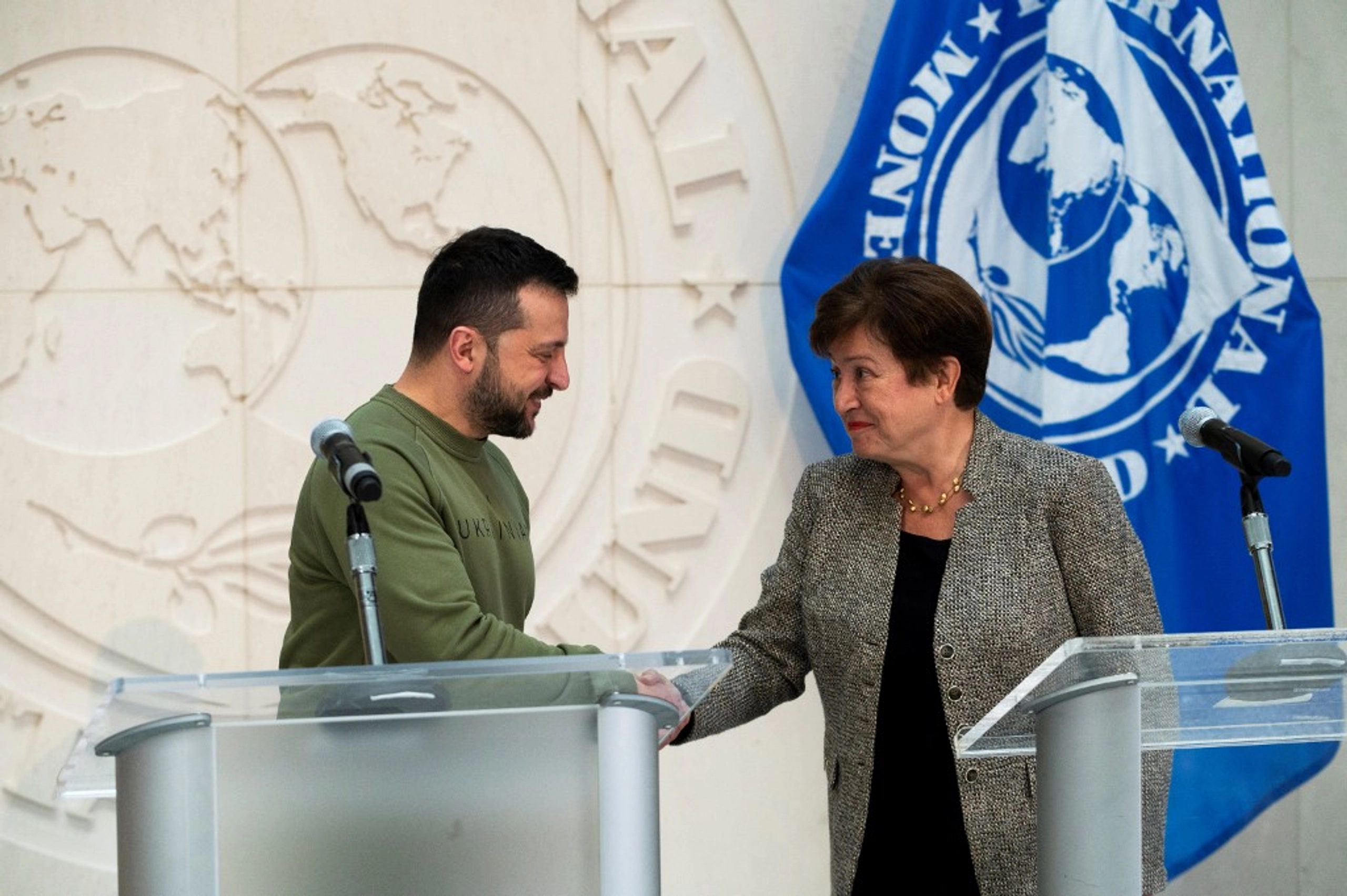
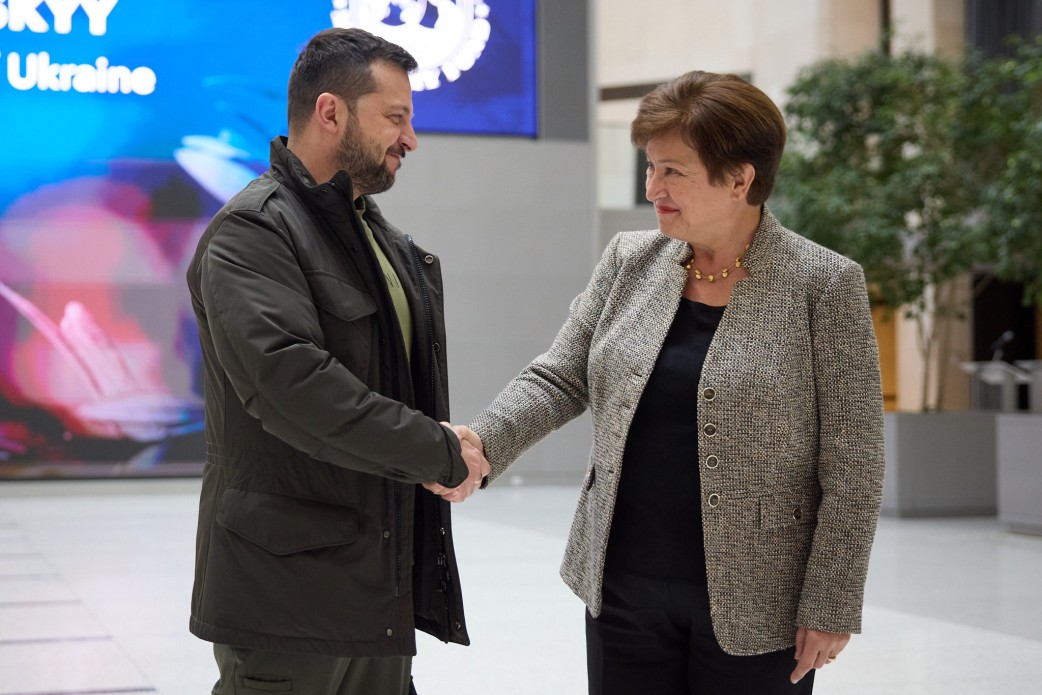
The International Monetary Fund approved an $8.1 billion four-year financing program for Ukraine on February 26-27, 2026, with immediate $1.5 billion disbursement addressing critical cash shortages projected for April 2026. This represents the second IMF program since Russia's February 2022 invasion, following a $15.6 billion package approved in March 2023. The approval carries significant implications for cross-border e-commerce sellers targeting Eastern European markets, particularly those shipping to Ukraine or sourcing from the region.
Critical for sellers: Ukraine's deferred online retailer tax legislation creates a 6-month compliance window. The IMF Executive Board approved more lenient terms than initially negotiated in November 2025, allowing Ukraine to postpone implementing unpopular tax measures until later in 2026. These deferred measures specifically include raising taxes on online retailers, imported consumer parcels, and modifying value-added tax for self-employed entrepreneurs—measures designed to formalize Ukraine's shadow economy. This deferral provides sellers with extended time to restructure pricing, adjust VAT compliance strategies, and optimize sourcing before new tax obligations take effect. Sellers currently shipping imported consumer goods to Ukraine face potential tariff increases on parcels, making this a critical window to lock in current pricing structures and establish compliant operations before formalization requirements intensify.
Market access expansion signals consumer purchasing power recovery. Ukraine's debt burden reached 108.7% of economic output—more than double pre-war levels—yet the IMF's confidence in the country's reform trajectory indicates international consensus on economic stabilization. The four-year program structure provides predictable funding through early 2030, enabling Ukrainian authorities to implement comprehensive economic reforms and reconstruction initiatives. Historically, IMF financing programs in emerging markets have preceded improvements in business environment metrics and digital commerce infrastructure within 12-18 months. The program's explicit focus on "tackling longstanding bottlenecks to growth, including combatting corruption, promoting formalization of economic activities, addressing tax avoidance and evasion, reforming energy markets, and strengthening financial market infrastructure" directly benefits e-commerce logistics and payment processing. Sellers should anticipate improved customs procedures, currency stability, and payment system reliability as reform implementation accelerates through 2026-2027.
Geopolitical uncertainty creates sourcing arbitrage opportunities. Hungary's €90 billion EU loan blockade (linked to Druzhba pipeline disputes) and ongoing military operations affecting the Danube shipping corridor create temporary supply chain disruptions. However, the IMF approval despite these tensions signals that international financing will flow regardless of Hungary's veto strategy. This creates a 3-6 month window where Ukrainian logistics costs may remain elevated, but consumer purchasing power is recovering faster than supply chain normalization. Sellers with existing Ukrainian customer bases should prioritize inventory positioning now, before logistics costs normalize and competition intensifies. The $50 billion+ annual budget shortfall creates urgency for Ukrainian businesses to formalize operations and increase online sales, directly benefiting cross-border sellers offering imported goods that help Ukrainian retailers expand their e-commerce capabilities.
Questions 8
How should sellers adjust pricing before Ukraine's online retailer tax takes effect?
The deferred online retailer tax legislation creates a 6-month window (February-August 2026) before new tax obligations on imported consumer parcels and online retailers take effect. Sellers should immediately review current pricing structures and calculate potential tax impacts on margins. The legislation includes raising taxes on imported consumer parcels and modifying VAT for self-employed entrepreneurs, which could increase effective costs by 8-15% depending on product category and sourcing country. Sellers should consider: (1) locking in current pricing with Ukrainian customers through long-term contracts, (2) establishing VAT-compliant registration before August 2026, (3) evaluating sourcing country shifts to minimize tariff exposure, and (4) building tax compliance costs into pricing models. Delaying these adjustments until late 2026 risks margin compression and customer acquisition challenges as competitors establish compliant operations earlier.
Which product categories benefit most from Ukraine's economic stabilization?
As Ukrainian consumer purchasing power recovers and businesses formalize operations, demand increases for imported consumer goods, digital infrastructure products, and e-commerce enablement tools. The IMF program's focus on 'promoting formalization of economic activities' signals that Ukrainian retailers will invest in digital commerce capabilities, creating demand for inventory management software, payment processing solutions, and logistics infrastructure. Consumer electronics, home goods, and fashion categories typically see 30-50% sales increases during post-conflict economic stabilization periods. Sellers offering products that help Ukrainian businesses transition to formal e-commerce operations—such as POS systems, inventory management tools, and logistics solutions—should prioritize market entry during this 12-18 month window before competition intensifies.