




EU ETS Reform Creates Supply Chain Cost Volatility | Cross-Border Sellers Face 8-15% Logistics Cost Uncertainty Through Q3 2026
- Italy's ETS suspension call and BusinessEurope's free permit extension push create competing policy scenarios affecting air freight, manufacturing, and import costs for 50,000+ EU-based and EU-shipping sellers








Overview
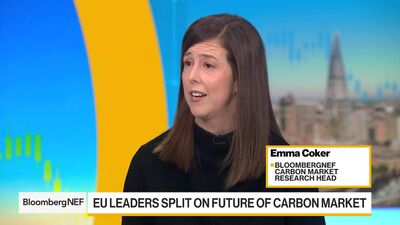
The European Union's Emissions Trading System (ETS) faces a critical policy inflection point that directly impacts cross-border e-commerce logistics costs and supply chain economics. Italy's call for ETS suspension combined with BusinessEurope's February 24, 2026 position paper demanding extended free carbon permits through 2034 creates competing policy scenarios that will reshape operational costs for sellers shipping to or manufacturing within the EU through Q3 2026 when the Commission proposes its ETS revision.
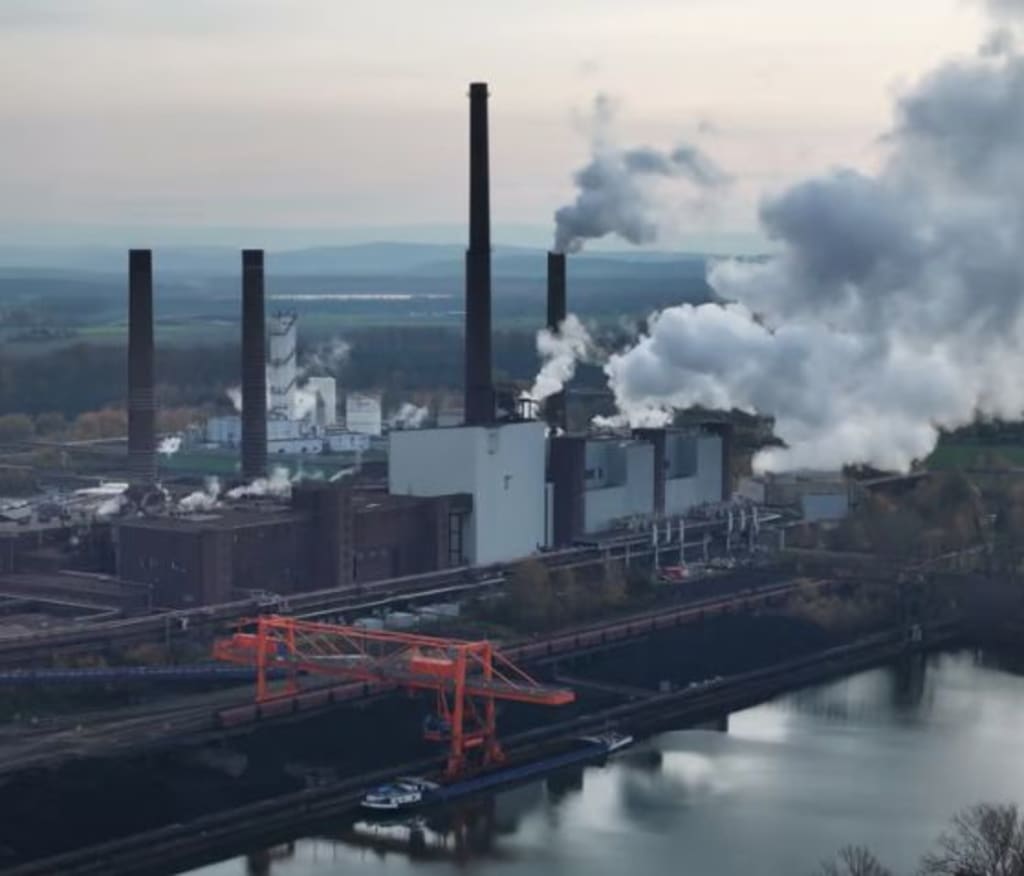
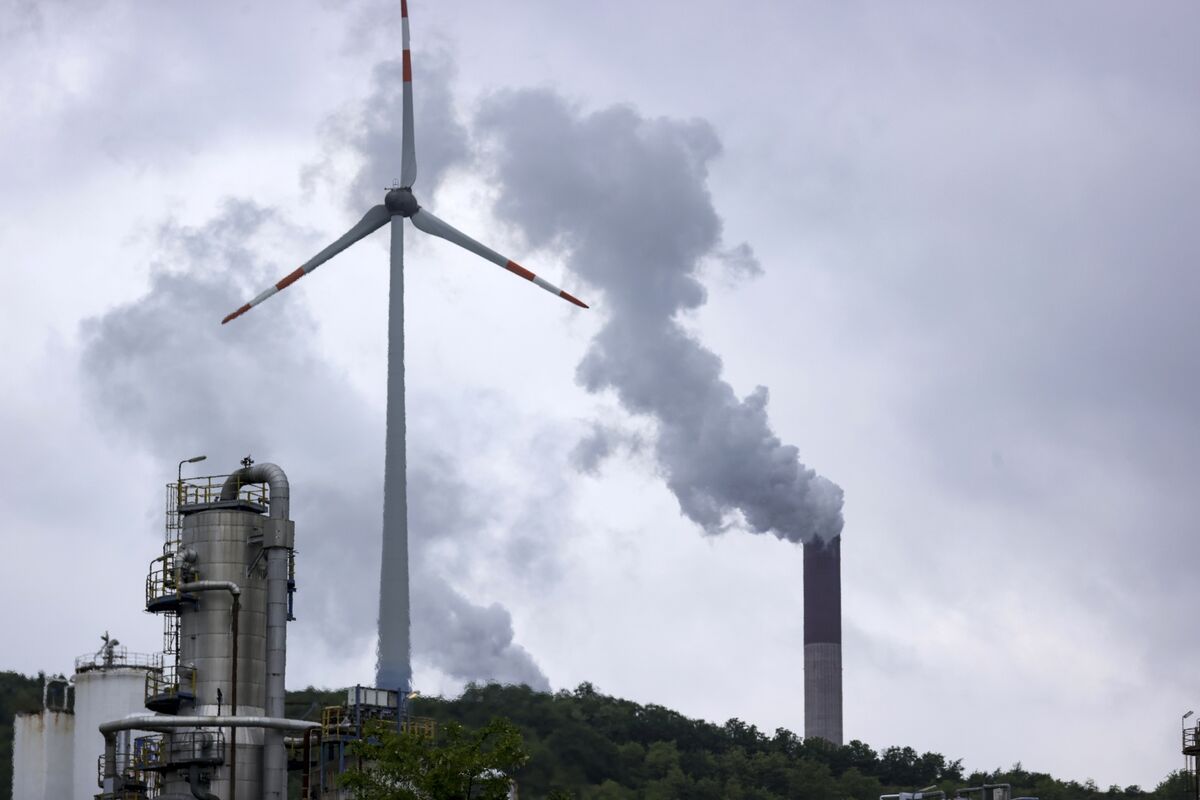
The core issue: The ETS currently requires companies to purchase CO2 allowances for emissions, with prices reaching record levels in recent years. Italy argues this disproportionately burdens energy-intensive industries and manufacturing sectors, while BusinessEurope opposes the Commission's plan to phase out free permits by 2034 and implement conditional decarbonization requirements. This policy uncertainty directly translates to logistics cost volatility for cross-border sellers. Air freight and international shipping costs are directly affected by carbon permit pricing—when ETS allowance prices spike, 3PL providers and logistics companies pass these costs to sellers through higher fulfillment fees, typically adding 8-15% to transportation expenses for sellers shipping high-volume inventory to European warehouses.
For sellers operating in manufacturing-heavy categories (electronics, machinery, textiles, furniture—HS codes 84-94), the outcome determines production cost structures. If Italy's suspension succeeds or free permits are extended, manufacturing costs in EU-based production facilities remain lower, improving margins for European sellers and making EU sourcing more competitive versus Asian alternatives. Conversely, if the Commission implements stricter permit conditions tied to decarbonization investments, manufacturing costs increase 5-12%, forcing sellers to either absorb costs (margin compression) or shift sourcing to non-EU suppliers subject to the incoming Carbon Border Adjustment Mechanism (CBAM), which imposes carbon tariffs on imported goods—creating a double-cost squeeze.
The Q3 2026 Commission proposal deadline creates a critical decision window. Sellers currently have 6-8 months to model cost scenarios: (1) ETS suspension scenario—logistics costs stabilize or decline; (2) Extended free permits scenario—manufacturing costs remain stable; (3) Stricter conditions scenario—both logistics and manufacturing costs increase 10-15%. Sellers shipping via air freight to Germany, Poland, and Italy (BusinessEurope's represented nations) face the highest exposure, as these regions have the strongest lobbying pressure on the Commission. Additionally, the CBAM implementation timeline (currently scheduled for 2026-2034 phase-in) compounds uncertainty—sellers importing goods from China, Vietnam, or India will face carbon tariffs on top of existing duties, potentially adding 5-8% to import costs depending on product carbon intensity.
Questions 7
What compliance actions should I take now to prepare for ETS and CBAM policy changes?
**Immediate actions (by March 2026)**: (1) Audit your current sourcing by HS code and carbon intensity—identify which products face highest ETS/CBAM exposure; (2) Request carbon footprint data from EU suppliers to model CBAM tariff exposure; (3) Review your 3PL contracts for carbon cost pass-through clauses and renegotiate if necessary; (4) Model three cost scenarios (suspension, extended permits, stricter conditions) for your top 10 SKUs. **Q2 2026 actions (April-June)**: (1) Lock in supplier contracts with ETS/CBAM price protection clauses; (2) Adjust inventory levels based on cost scenario modeling; (3) Consider diversifying sourcing across EU and non-EU suppliers to hedge policy risk; (4) Update product pricing to reflect potential 5-15% cost increases. **Monitoring (ongoing through Q3 2026)**: Track Commission statements, BusinessEurope lobbying updates, and Italy's political pressure. The Q3 2026 proposal will trigger immediate cost adjustments, so be prepared to execute pricing and sourcing changes within 30 days of the announcement.
How does Italy's ETS suspension call affect sellers shipping to Italian warehouses specifically?
Italy is the most vocal EU member opposing the ETS, arguing it disproportionately burdens energy-intensive industries and manufacturing. If Italy's suspension succeeds, logistics costs to Italian warehouses could decline 8-12% as carbon permit requirements are lifted. However, this is a low-probability scenario—the EU Commission is unlikely to suspend the entire system. More likely, Italy's pressure influences the Commission to extend free permits or reduce ETS stringency, which would stabilize (rather than reduce) costs for Italian operations. For sellers with significant Italian inventory (fashion, furniture, machinery), monitor Italy's political pressure on the Commission through Q2 2026. If Italy gains concessions (extended free permits for Italian manufacturers), your Italian supplier costs may remain stable while competitors' costs rise, creating a competitive advantage. Conversely, if the Commission rejects Italy's demands, Italian manufacturing costs increase, making alternative sourcing (Germany, Poland) more attractive.