
)
Iran's Leadership Transition & Supply Chain Volatility | Critical Implications for Cross-Border Sellers
- Supreme Leader Khamenei's health crisis triggers regime succession uncertainty; China reduces Iranian oil imports by 115,000 bpd while shifting to Russian supplies; Persian Gulf shipping routes face escalating geopolitical risk affecting logistics costs for sellers shipping to Middle East and Asia-Pacific regions


















Overview
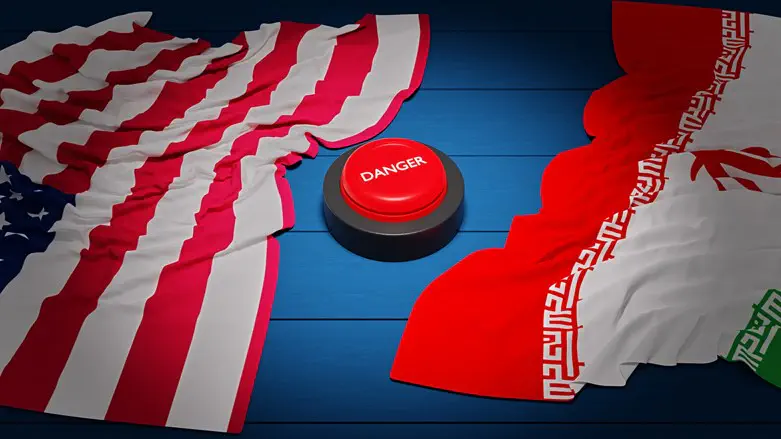
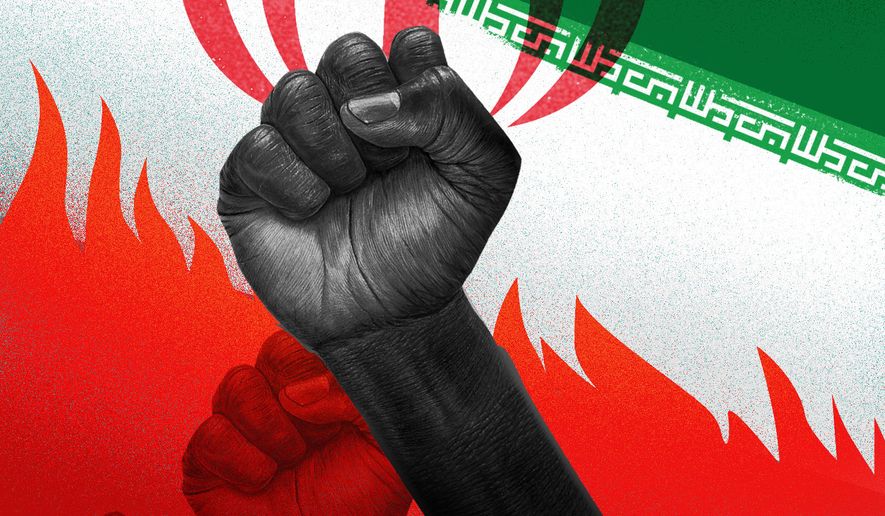
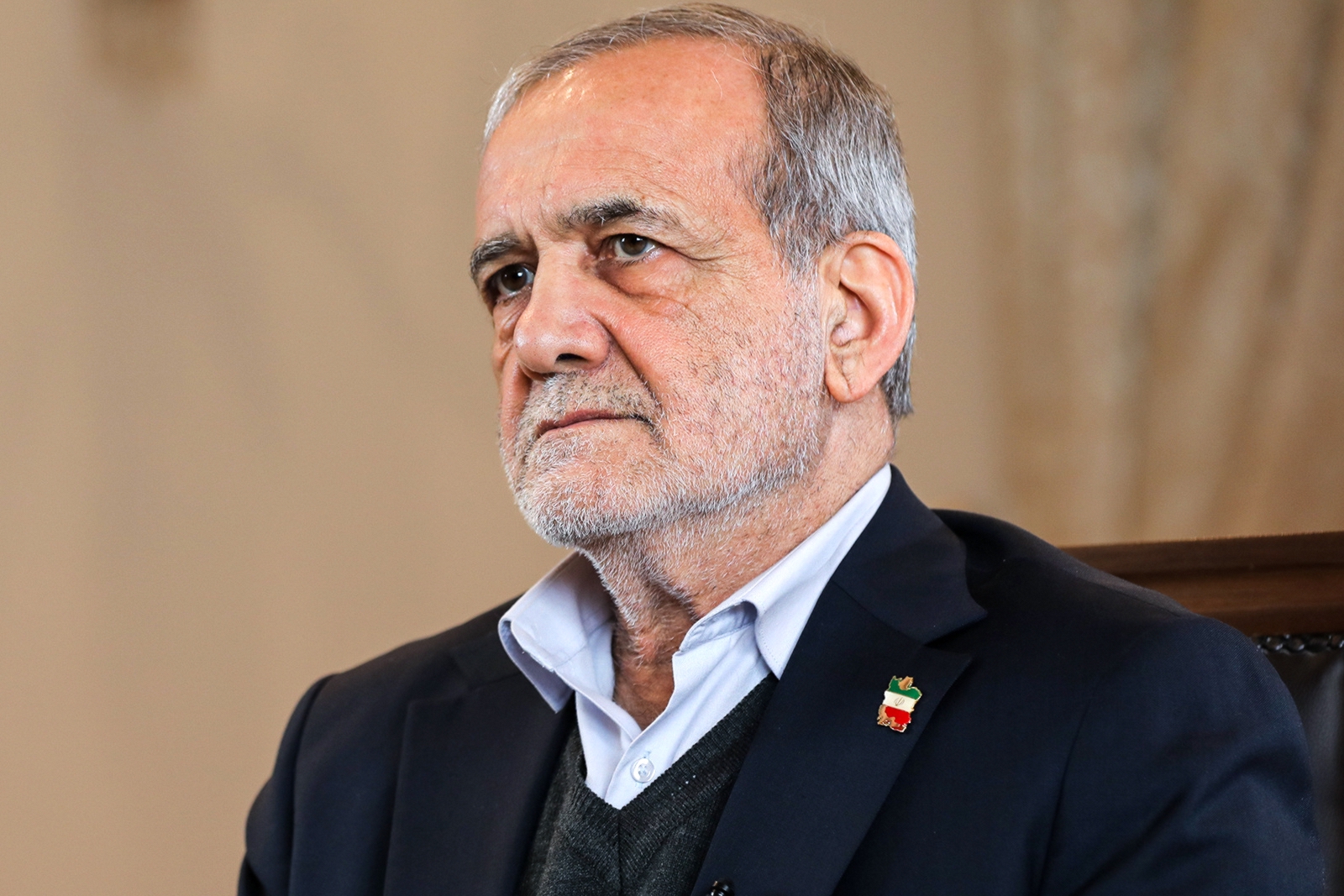
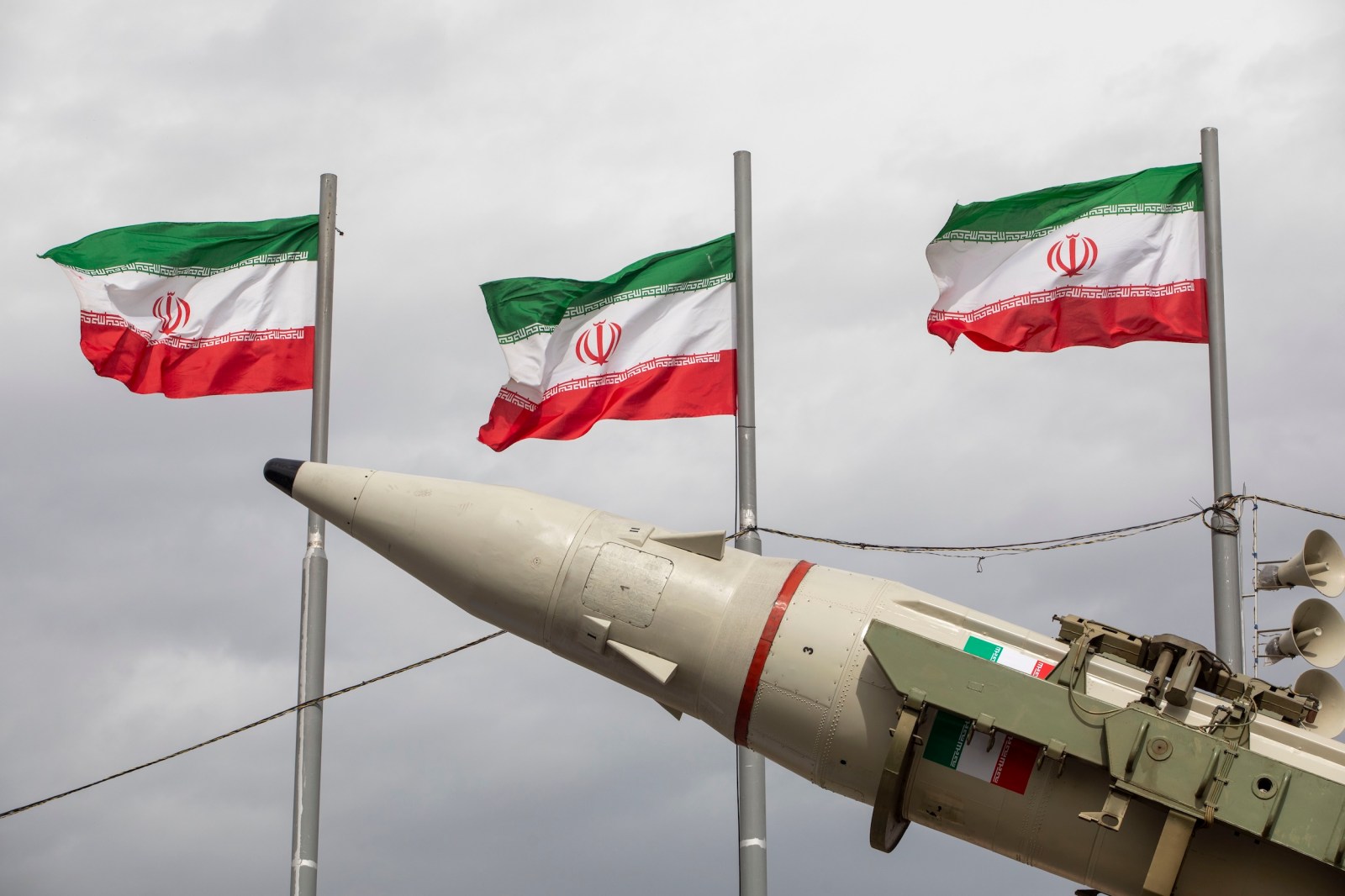
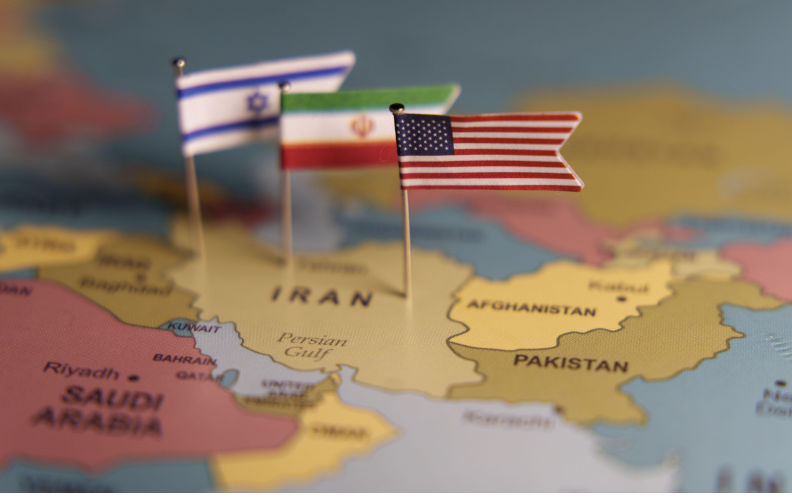
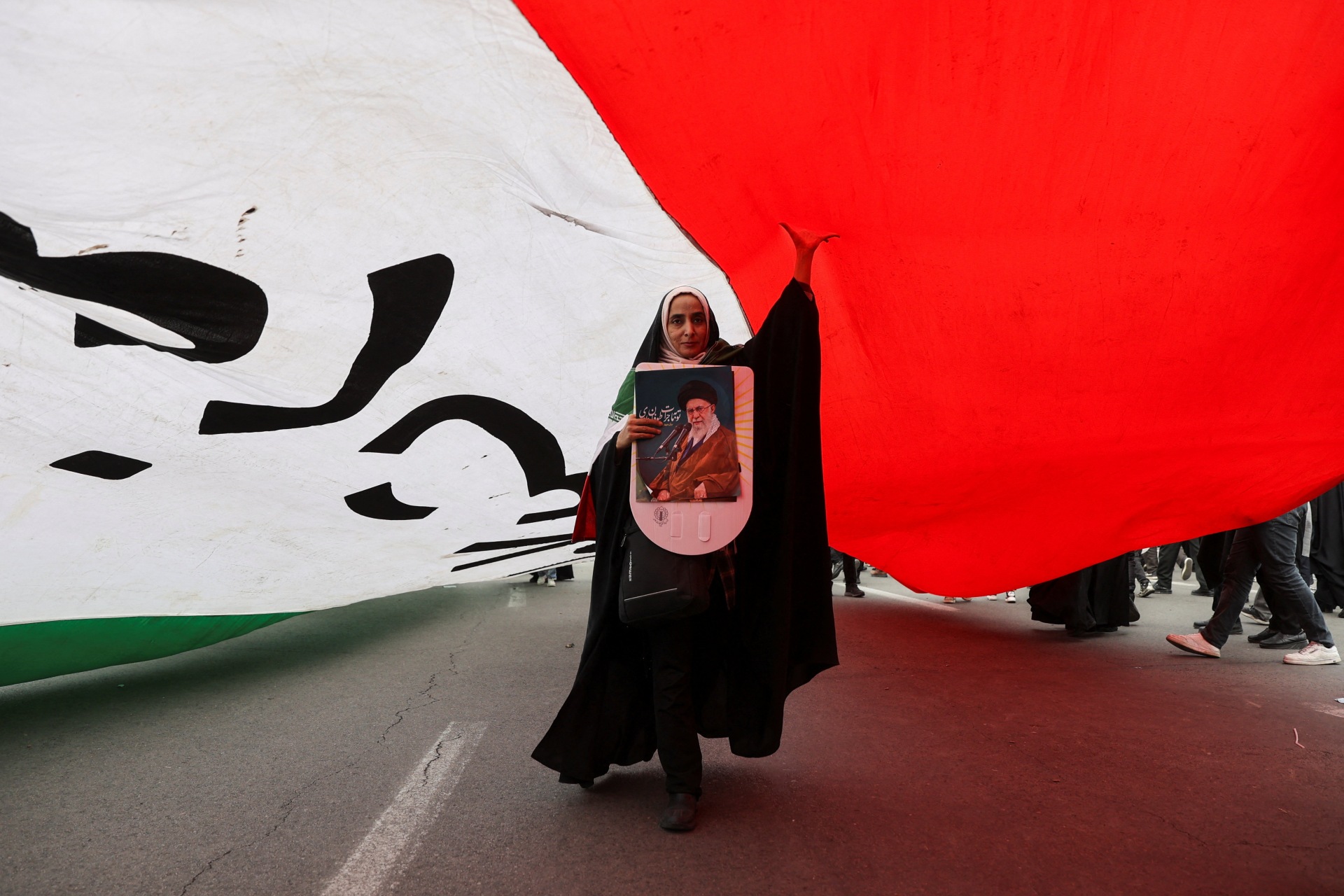
Iran faces a historic leadership transition as Supreme Leader Ayatollah Ali Khamenei (age 86) approaches the end of his 37-year tenure, with his notable absence from military commemorations raising questions about governance capacity. The Council on Foreign Relations identifies three potential succession scenarios: managed constitutional continuity through the Assembly of Experts, military takeover, or regime collapse—each carrying distinct implications for regional stability and global commerce. Simultaneously, Iran's geopolitical crisis has intensified dramatically, with the regime facing mounting pressure from economic exhaustion, international isolation, and credible U.S. military threats positioned near critical Persian Gulf waterways.
Critical supply chain intelligence emerges from China's strategic pivot: According to Kpler data, China reduced Iranian crude oil discharges by approximately 115,000 barrels per day in February 2026 compared to January, while simultaneously increasing Russian crude imports by 370,000 bpd. This shift reflects Beijing's preference for supply reliability over marginal price advantages, signaling that geopolitical uncertainty directly impacts energy markets and logistics costs. For cross-border e-commerce sellers, this development carries significant operational consequences: Persian Gulf shipping routes face escalating risk premiums, insurance costs for vessels transiting Iranian waters are rising, and supply chain diversification away from Iran-dependent logistics networks is accelerating.
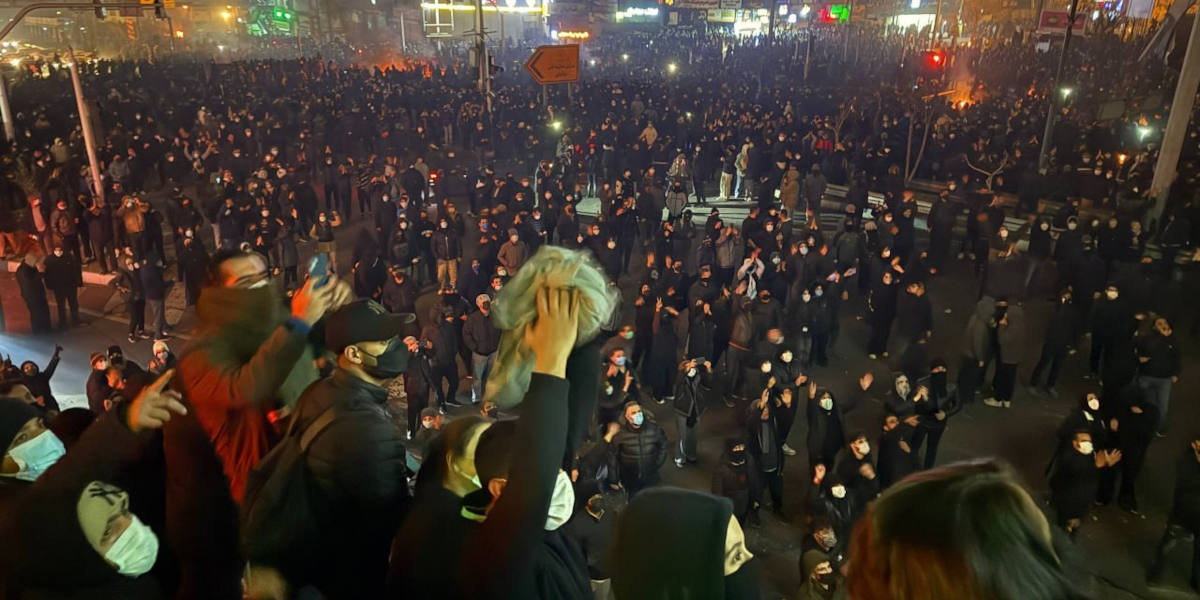
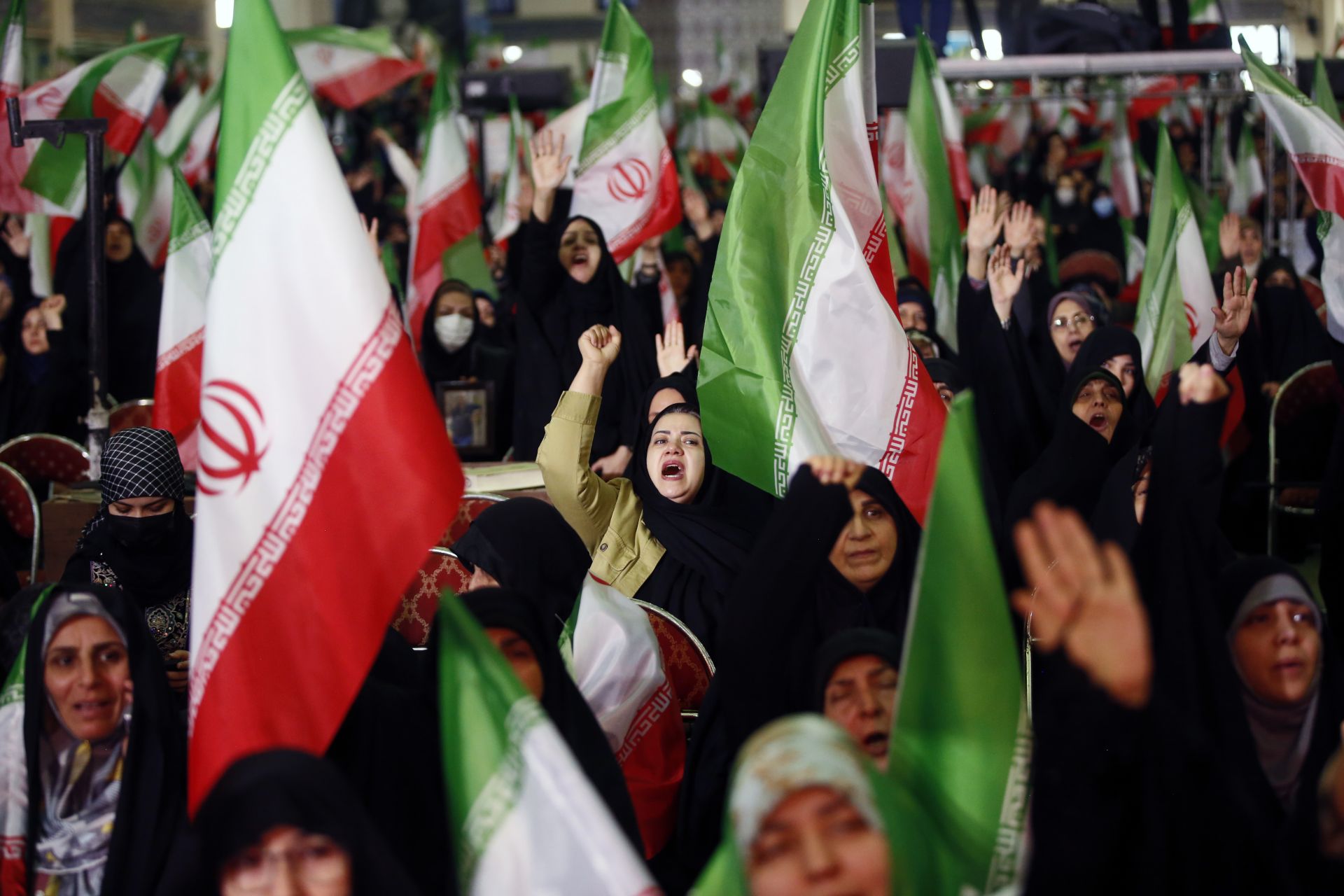
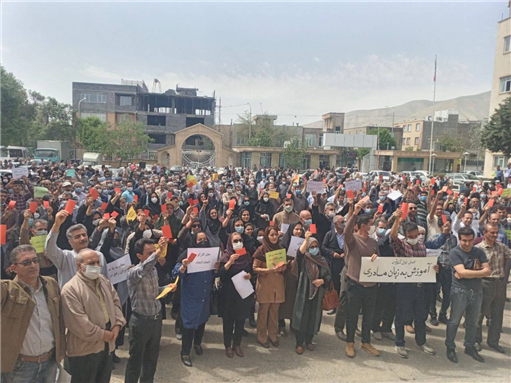
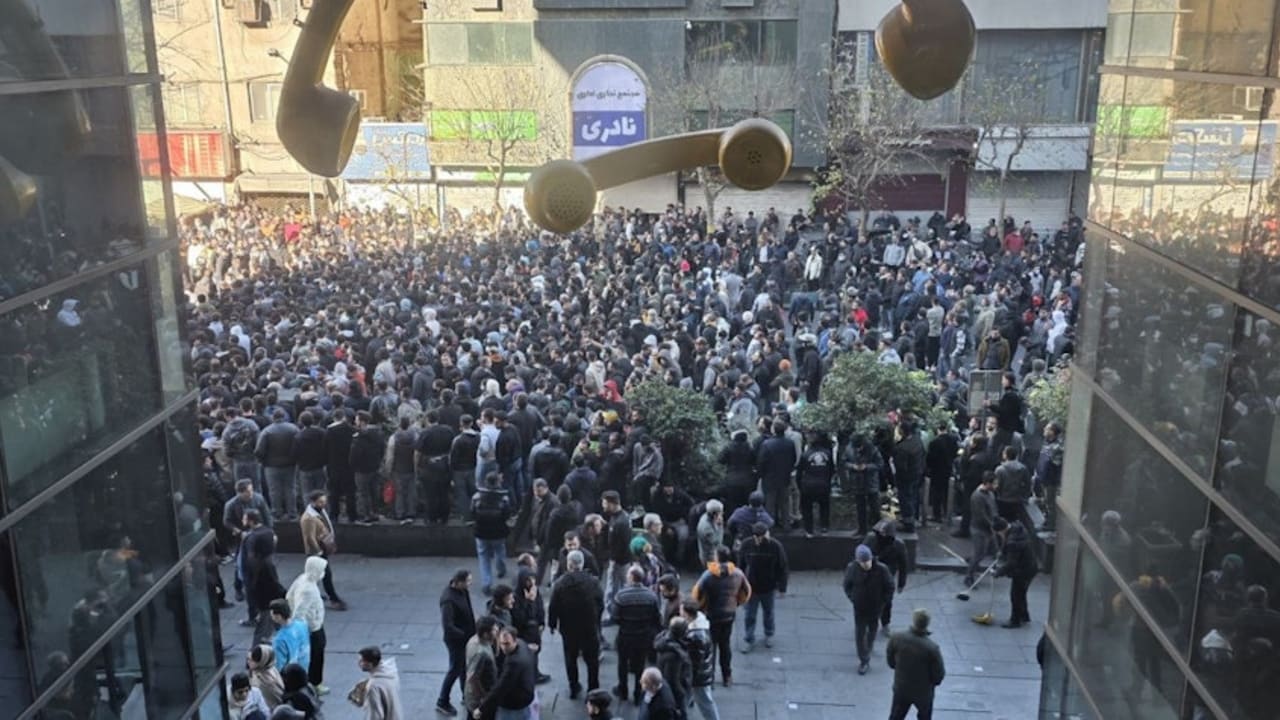
The regime's internal stability is deteriorating rapidly. January 2026 marked a critical rupture point involving thousands of casualties during nationwide crackdowns, with the Revolutionary Guard and Basij security apparatus widening the gap between state and society. The U.S. maintains sustained coercive pressure through military positioning near critical waterways, while Iran's traditional brinkmanship strategy appears to be reaching its limits. Secretary of State Marco Rubio acknowledged in January 2026 that "the future leadership of Iran is an open question," indicating Washington views the succession as genuinely unpredictable.
For sellers, the operational impact manifests across three dimensions: (1) Logistics costs: Shipping routes through the Persian Gulf face heightened insurance premiums and potential transit delays due to military positioning and regional instability; (2) Supply chain sourcing: Sellers relying on Iranian suppliers or manufacturing inputs face continued sanctions restrictions and payment processing challenges, with OFAC compliance requirements remaining stringent; (3) Market access: Any potential sanctions relief following leadership transition could theoretically open Iranian consumer markets, but current regulatory environment prohibits most cross-border e-commerce operations to Iran. Sellers should monitor succession developments closely, as a managed transition toward diplomatic normalization could eventually create new market opportunities, while military escalation or regime collapse would further constrain regional commerce.
Questions 7
What are the three potential succession scenarios and their implications for sellers?
The CFR identifies three scenarios: (1) **Managed continuity** through constitutional succession maintains current sanctions regime but provides policy predictability; (2) **Military takeover** by Revolutionary Guard could escalate regional tensions and further restrict commerce; (3) **Regime collapse** would create maximum uncertainty and potential humanitarian crisis affecting regional stability. Each scenario carries different implications for Persian Gulf shipping security, sanctions policy, and market access. Sellers should develop contingency plans for each scenario, particularly regarding logistics routing and supply chain diversification away from Iran-dependent networks.
How does China's shift away from Iranian oil affect global supply chains?
China reduced Iranian crude discharges by 115,000 barrels per day in February 2026 while increasing Russian imports by 370,000 bpd, reflecting Beijing's preference for supply reliability over price advantages. This shift signals that geopolitical uncertainty directly impacts energy markets and logistics costs globally. For sellers, this means energy-intensive supply chains (manufacturing, shipping, warehousing) face rising operational costs as energy markets adjust to reduced Iranian supply. Sellers should monitor energy price indices and consider hedging strategies for logistics costs through 2026.