



Smartphone Market Collapse 2026 | DRAM Shortage Reshapes E-Commerce Inventory Strategy
- 13% smartphone shipment decline (1.26B to 1.1B units) creates $180B+ market contraction; budget device sellers face margin compression through mid-2027
























Overview
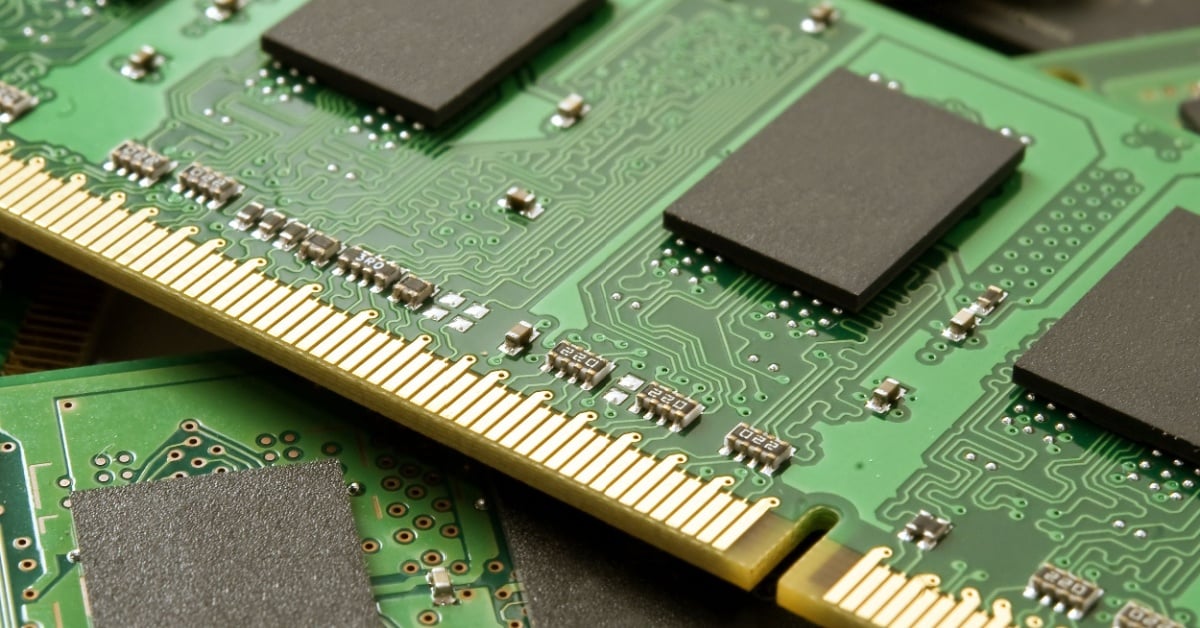
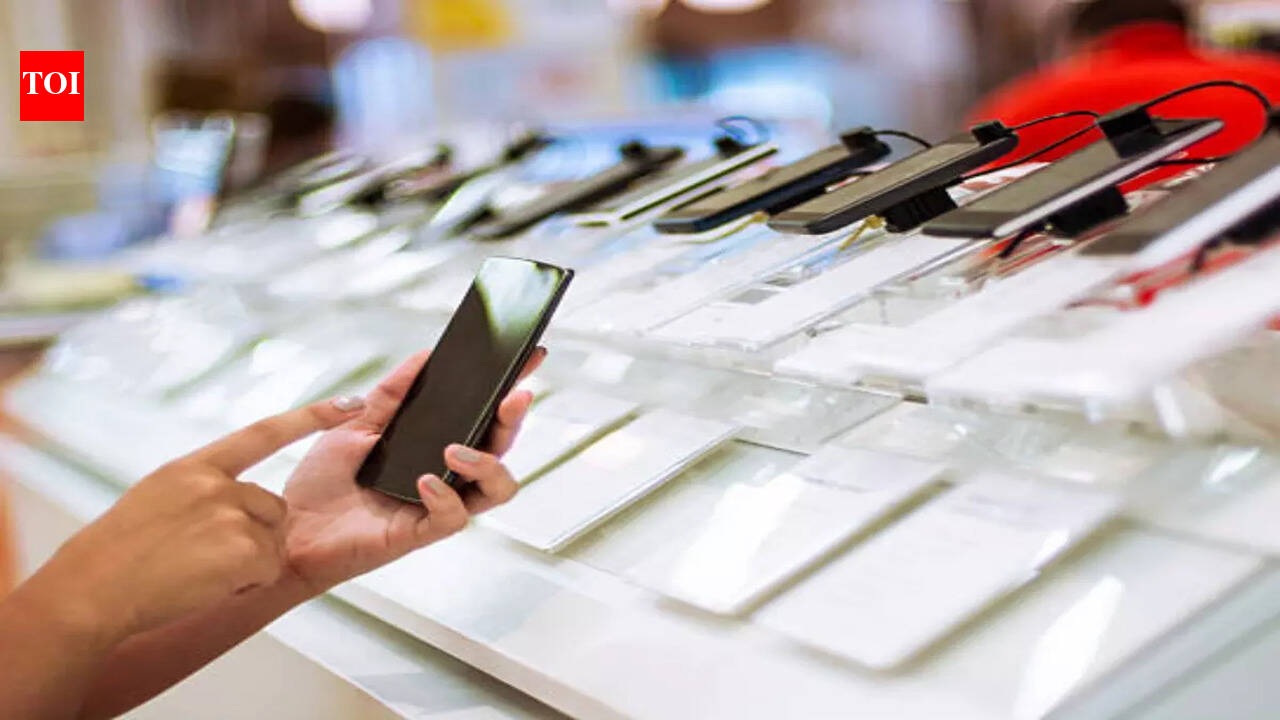
The global smartphone market faces an unprecedented 13% decline in 2026 (IDC forecast) driven by AI infrastructure hyperscalers (Amazon, Meta) monopolizing DRAM/HBM chip allocation for data centers, creating a "crisis like no other" according to IDC Senior Research Director Nabila Popal. Global smartphone shipments will plummet from 1.26 billion units in 2025 to 1.1 billion in 2026—the sharpest contraction on record—with memory chip shortages driving component costs to unsustainable levels. This supply chain disruption won't ease until mid-2027 at earliest, fundamentally reshaping e-commerce seller strategies across multiple categories.
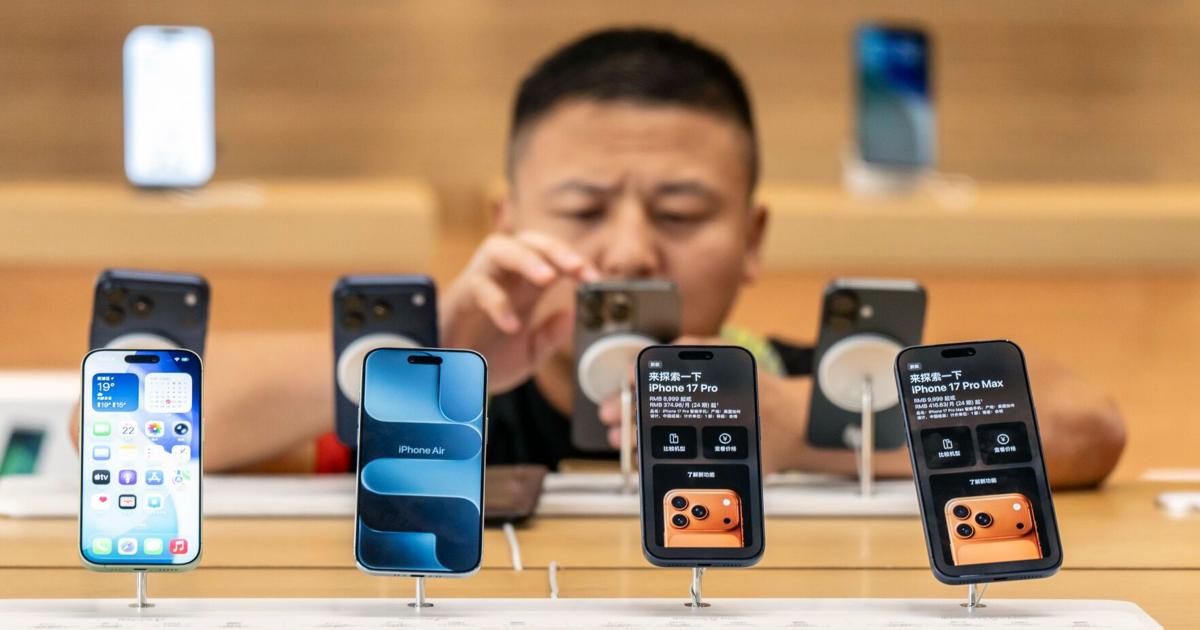
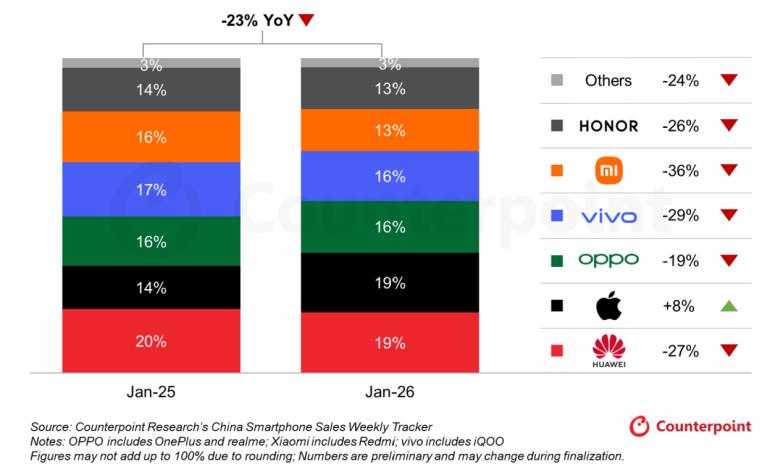
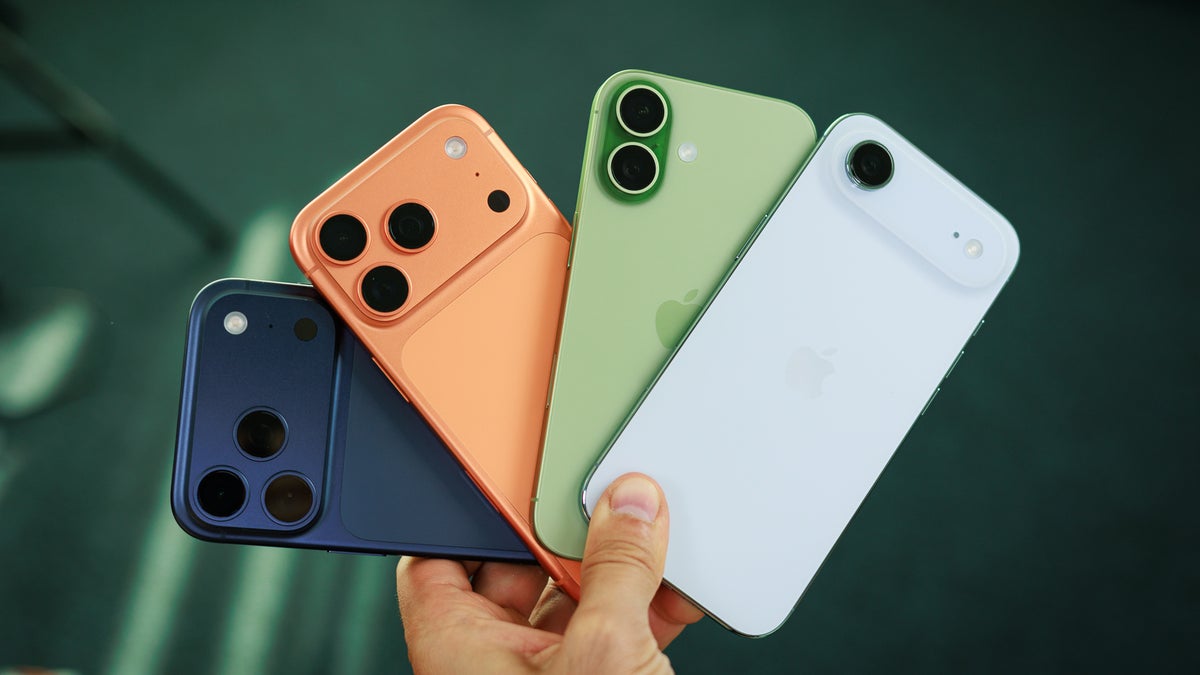
For cross-border e-commerce sellers, this creates a bifurcated market opportunity with severe inventory implications. Budget and mid-range Android device sellers face catastrophic margin compression as DRAM costs consume 40-60% of lower-end smartphone pricing, forcing manufacturers to exit budget segments entirely. Conversely, premium device sellers (Apple, Samsung flagship) gain competitive advantages through superior supply chain integration and pricing power. Apple is paying Samsung 2x standard rates for LPDDR5X chips but can absorb costs; budget Android manufacturers cannot. This signals a permanent structural shift toward higher average selling prices (ASPs) industry-wide—IDC projects memory prices will NOT return to 2025 levels even after supply normalizes.
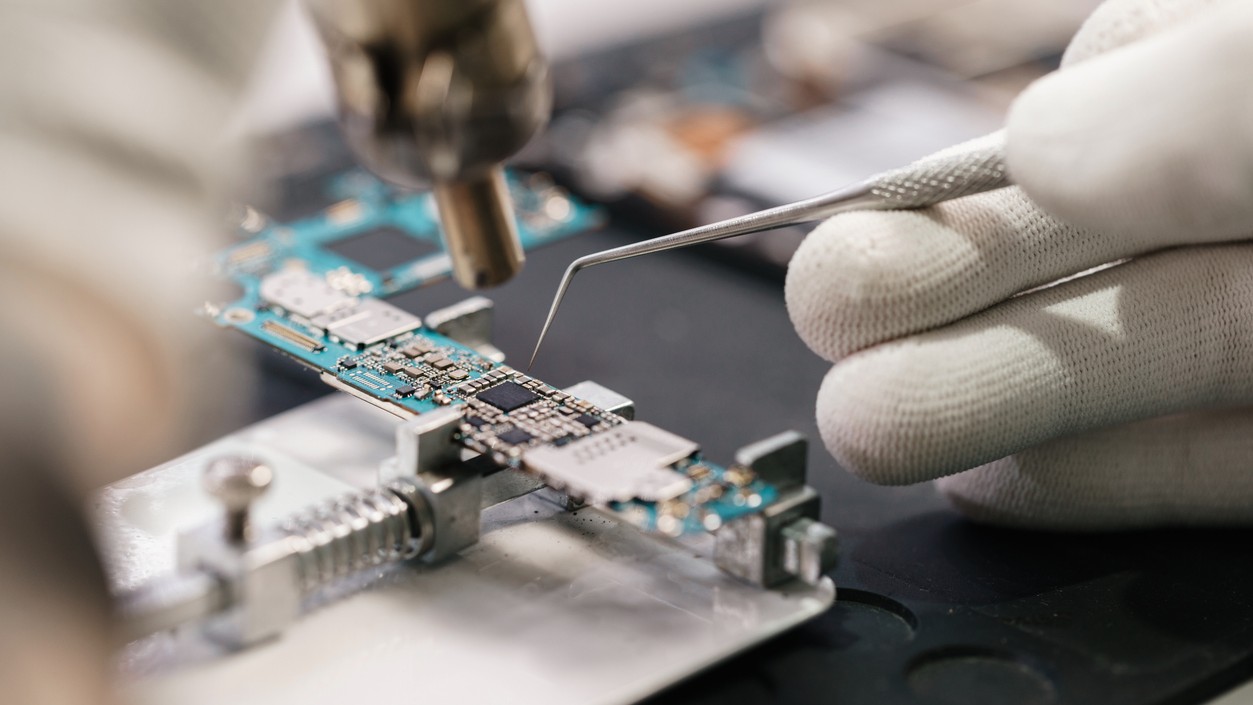
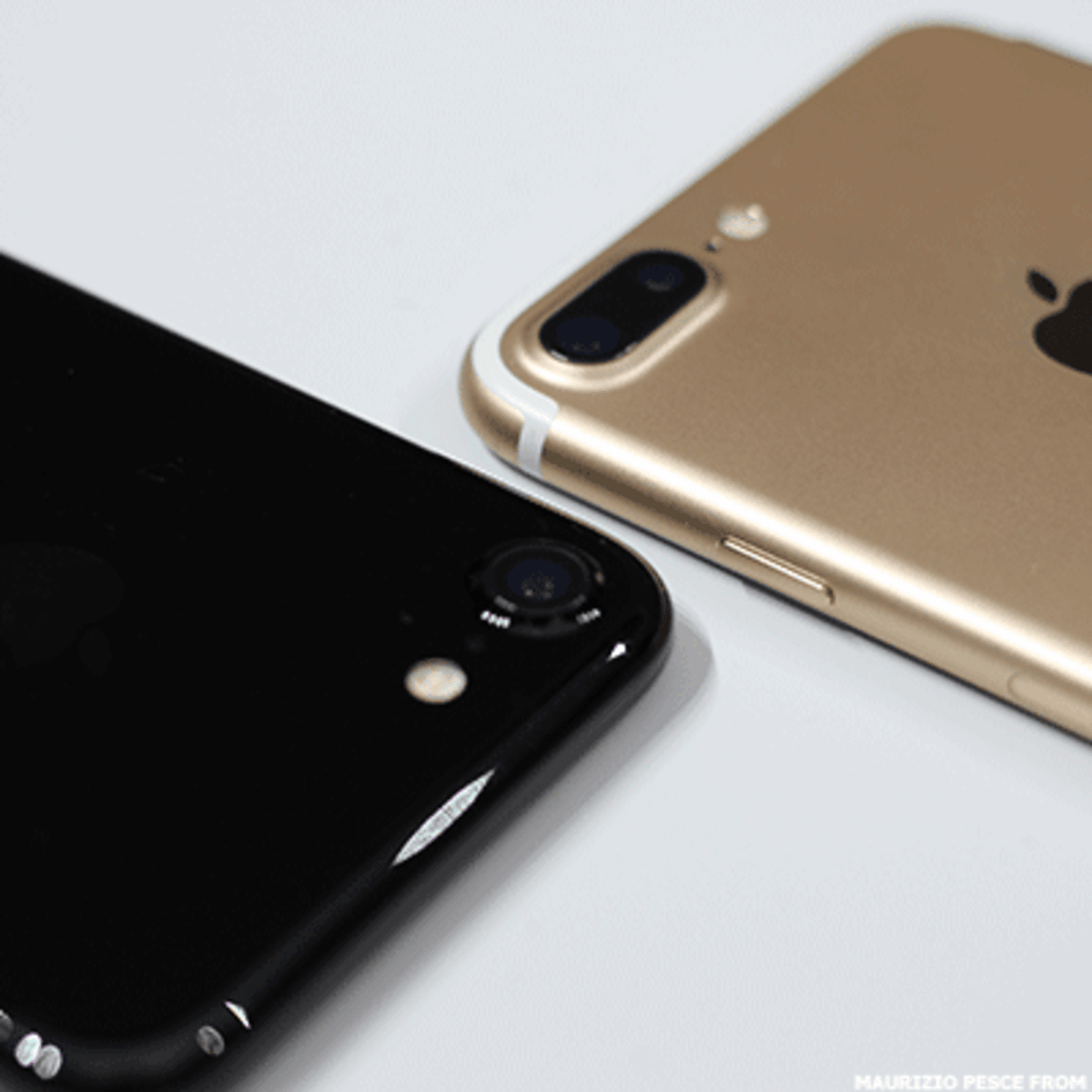
Critical inventory actions for sellers: (1) LIQUIDATE budget smartphone inventory NOW before Q2 2026 demand collapse. Sellers holding budget device stock face 25-35% margin erosion as retail prices rise 15-20% while wholesale costs spike. (2) SHIFT SOURCING toward refurbished/used premium devices—Counterpoint Research predicts strong growth in secondary markets as price-conscious consumers seek premium brands at lower price points. Used iPhone and Samsung Galaxy markets will see 30-40% volume increases through 2027. (3) REPOSITION WAREHOUSE INVENTORY: Reduce FBA allocation for budget devices (high storage costs + low turnover), increase allocation for premium device accessories (cases, chargers, screen protectors) which see 2-3x demand elasticity when device prices rise. (4) DIVERSIFY INTO COMPLEMENTARY CATEGORIES: Smartphone repair parts, battery replacements, and refurbishment supplies will see 45-60% demand growth as consumers extend device replacement cycles (predicted 18-24 month extensions vs. historical 24-30 months).
Logistics cost implications are severe. Smartphone shipment volumes declining 160 million units annually means reduced container utilization on Asia-US and Asia-EU routes. Expect 8-12% increases in per-unit ocean freight costs ($0.45-0.65/kg vs. $0.38-0.55/kg historically) as carriers consolidate capacity. Air freight premiums for premium device components will spike 15-25% due to prioritization for AI infrastructure. Sellers should lock in Q1 2026 shipping contracts immediately before capacity constraints tighten further.
Questions 8
How should I adjust pricing strategy for smartphone products in 2026?
Budget devices: Expect 15-20% retail price increases driven by DRAM costs—match market pricing or risk inventory obsolescence. Maintain 20-25% margins (vs. historical 30-35%) to stay competitive. Premium devices: Apple and Samsung will raise ASPs 8-12%; follow their pricing signals but emphasize value-add (warranty, bundles, accessories). Refurbished devices: Increase prices 5-8% as demand surges—consumers willing to pay premium for certified refurbished vs. new budget alternatives. Accessories: Raise prices 10-15% as demand elasticity increases; consumers prioritize device longevity over accessory cost. Monitor competitor pricing weekly; the market is shifting rapidly and pricing power varies by segment.
What product categories benefit from the smartphone shortage?
High-opportunity categories: (1) Smartphone repair parts—45-60% demand growth as consumers extend device lifecycles. (2) Refurbished/used premium devices—30-40% volume increase as price-conscious buyers seek alternatives. (3) Accessories (cases, chargers, screen protectors)—2-3x demand elasticity when device prices rise 15-20%. (4) Battery replacement kits—18-24 month extended replacement cycles drive battery degradation issues. (5) Phone stands, mounts, cables—complementary products see 35-50% growth during device price spikes. Avoid: New budget smartphones (manufacturers exiting segment), low-margin accessories (margin compression from logistics costs), and inventory-heavy categories with slow turnover.