



AI Infrastructure Boom Drives $66.8B Backlog | E-Commerce Sellers Face Cloud Cost Pressures
- CoreWeave's aggressive $30-35B capex signals sustained AI compute demand; sellers must optimize cloud infrastructure costs and prepare for potential price increases in AI-powered tools





















Overview
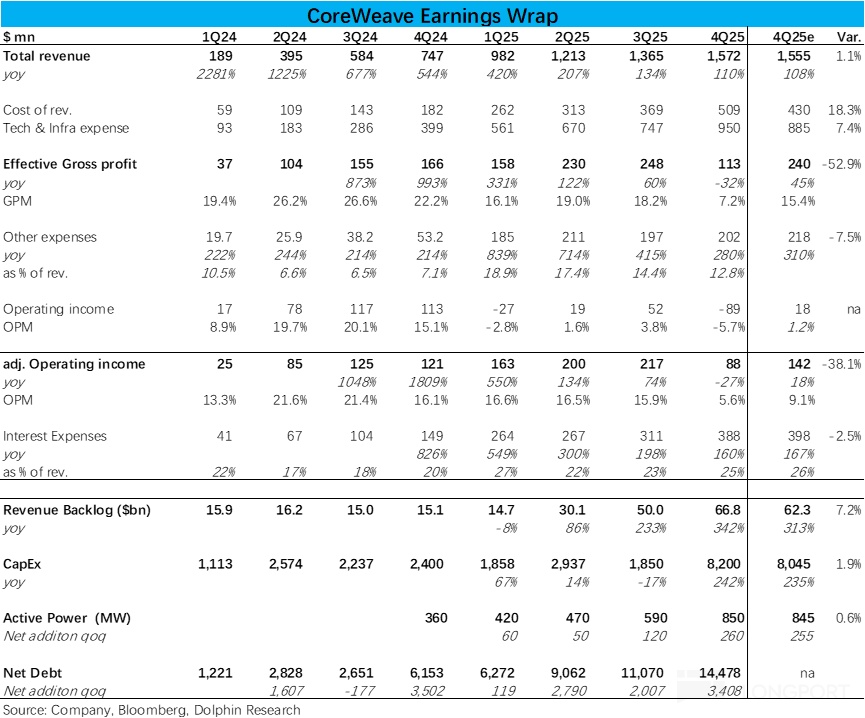
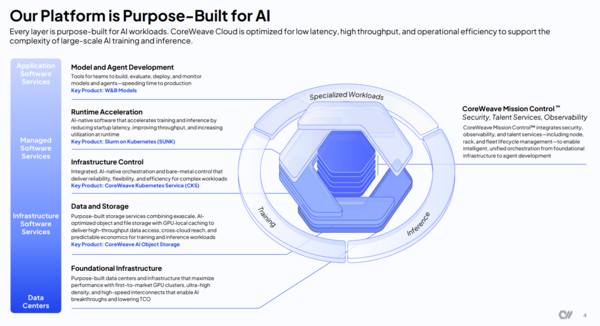
CoreWeave's explosive growth reveals a critical infrastructure bottleneck that directly impacts e-commerce sellers relying on AI-powered tools. The Nvidia-backed cloud provider reported a $66.8 billion revenue backlog (up 20% from $55.6B), indicating the company is virtually sold out through 2026 with "relentless" demand from Microsoft, OpenAI, and other hyperscalers. This supply constraint has immediate implications for sellers: AI tools powering product research, pricing optimization, content generation, and customer service automation depend on GPU compute capacity that CoreWeave and competitors are racing to provision.
The infrastructure squeeze creates both automation opportunities and cost risks for sellers. CoreWeave's aggressive $30-35 billion capex plan (doubling from $14.9B in 2025) reflects the capital-intensive nature of scaling AI infrastructure. The company's operating margins compressed to 6% in Q4 2025 from 16% a year prior, signaling that providers are sacrificing profitability to secure long-term contracts. This margin compression typically precedes price increases once capacity constraints ease—a pattern sellers should monitor. For sellers using AI-powered tools (ChatGPT for content, Helium 10 for research, dynamic pricing engines), this infrastructure buildout means sustained high pricing through 2026-2027 as providers recoup capex investments.
Sellers can capitalize on this moment through immediate automation wins. With AI infrastructure becoming the bottleneck, sellers who lock in AI tool subscriptions NOW before price increases gain competitive advantage. The news reveals that 70% of CoreWeave's backlog comes from "financially strong, low-risk customers"—primarily tech giants building proprietary AI models. This leaves a secondary market opportunity: mid-market sellers can negotiate better rates with AI SaaS providers (Shopify's AI tools, Amazon's A9 search optimization, third-party pricing engines) by committing to multi-year contracts before infrastructure costs rise. Sellers should immediately audit their AI tool stack, identify which tools drive highest ROI (typically dynamic pricing and product research automation), and secure favorable pricing before Q3 2026 when CoreWeave's new capacity comes online and pricing power shifts.
The competitive intelligence angle is critical: sellers using AI-powered automation TODAY gain 12-18 month advantage. CoreWeave's 850 megawatts of active capacity (43 data centers) and 3.1 gigawatts of contracted capacity mostly coming online by 2027 means AI compute will remain expensive and scarce through 2026. Sellers who automate product research, pricing optimization, and customer service now—while competitors still rely on manual processes—will capture market share before AI tools become commoditized. The data shows CoreWeave's weighted contract length increased to 5 years (from 4 years), indicating customers are locking in long-term capacity. Sellers should apply the same logic: commit to AI tools NOW while pricing remains stable, before the 2027 capacity surge triggers competitive price wars.
Questions 7
How does CoreWeave's debt and margin compression affect seller tool pricing long-term?
CoreWeave carries $21.37B in debt and operating margins fell to 6% in Q4 2025 from 16% a year prior. This aggressive capex strategy ($30-35B in 2026) means the company is sacrificing short-term profitability to secure long-term contracts. Historically, this pattern precedes price increases once capacity constraints ease: providers recoup capex investments by raising prices on new customers and renewals. Sellers should expect AI tool prices to increase 15-25% in 2027-2028 as CoreWeave and competitors monetize their expanded capacity. Lock in favorable pricing NOW through multi-year contracts, particularly for tools with proven ROI like dynamic pricing and inventory optimization.
Which AI tools should sellers prioritize given GPU supply constraints?
Prioritize tools with proven ROI and lower GPU intensity: (1) Dynamic pricing engines (Repricing Central, Keepa, Sellics) use minimal compute but drive 3-8% margin improvement; (2) Inventory forecasting tools (Forecastly, Demand Planner) optimize stock levels and reduce carrying costs 10-15%; (3) Customer segmentation tools (Klaviyo, Segment) improve email marketing ROI 20-30%; (4) Product research tools (Helium 10, Jungle Scout) accelerate trend identification. Avoid heavy GPU-intensive tools (video generation, large language models for content) until 2027 when compute becomes cheaper. Focus on tools that automate high-frequency, high-impact decisions.