




Leadership Accountability Unravels: When Strategic Missteps Expose Organizational Vulnerability
- Revealing the critical moment when public acknowledgment of failure becomes a turning point for leadership credibility















































Overview
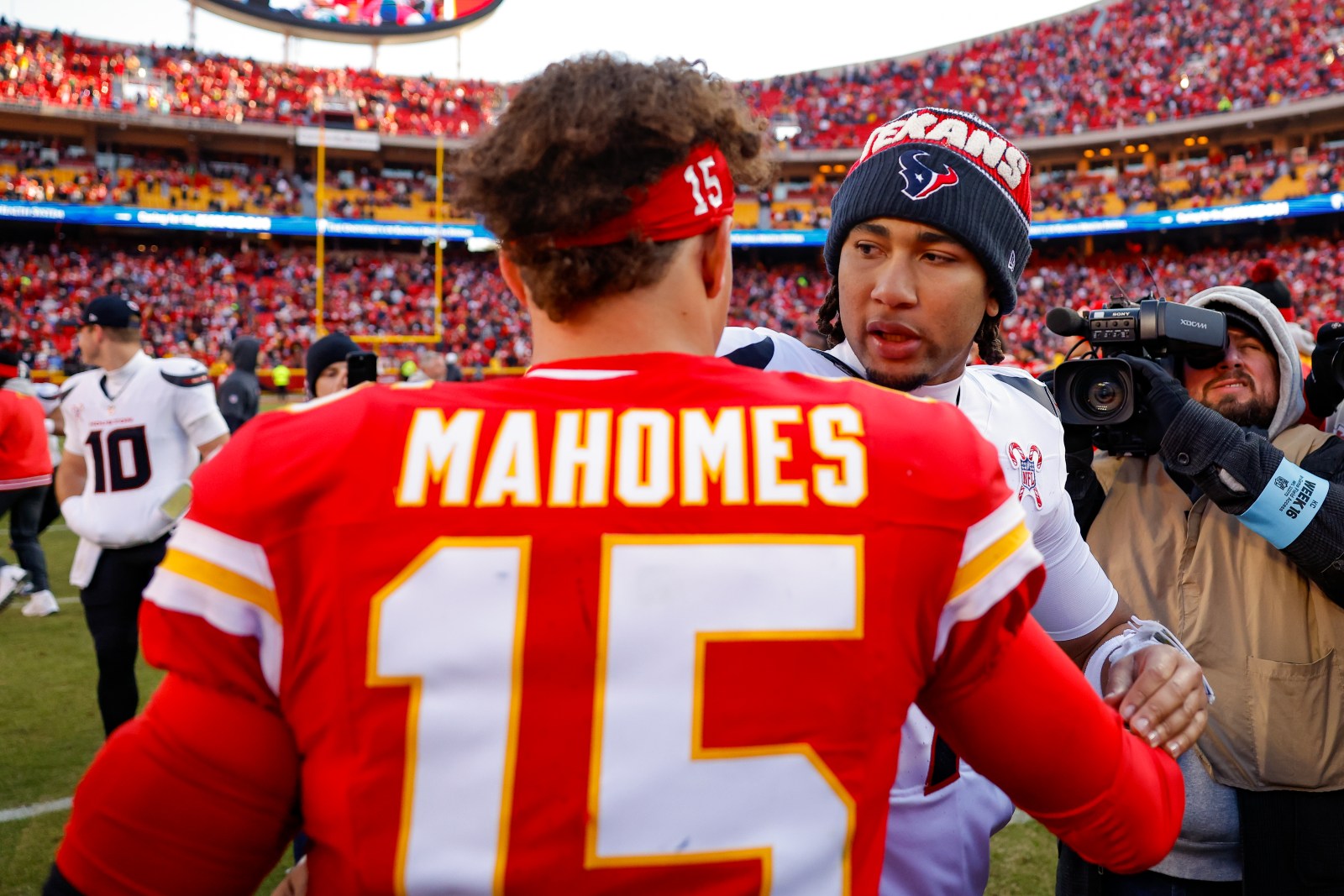
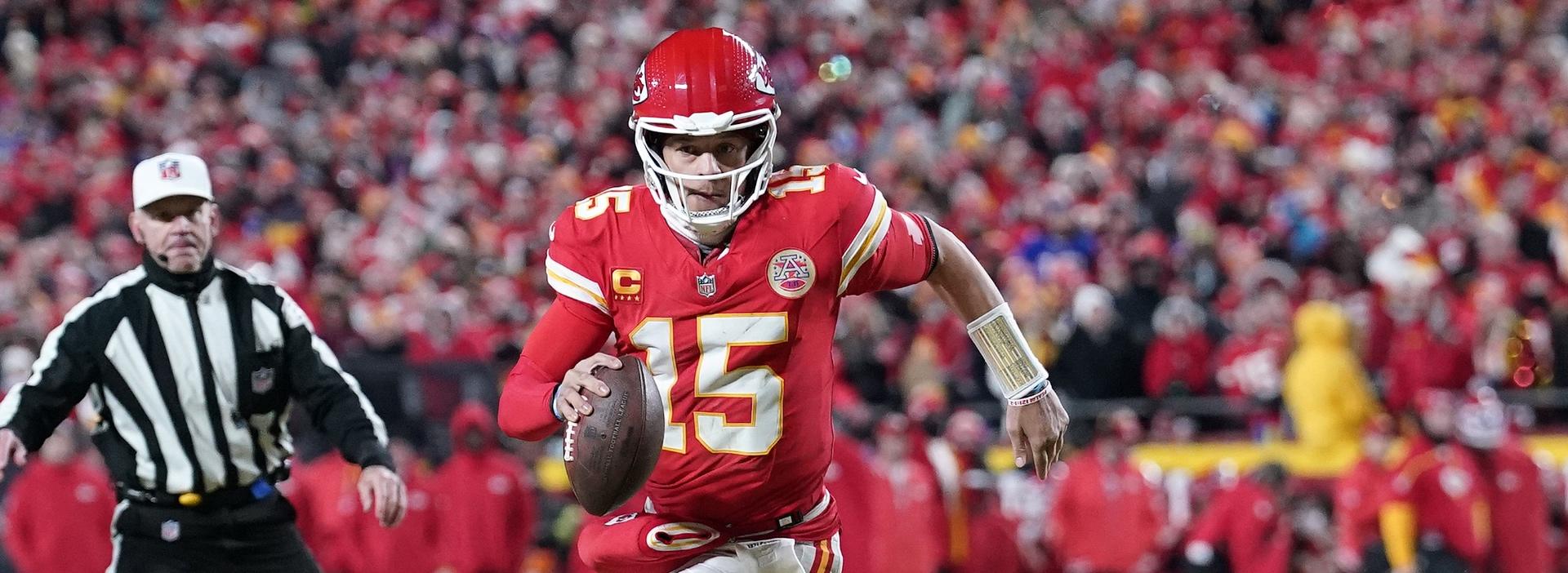
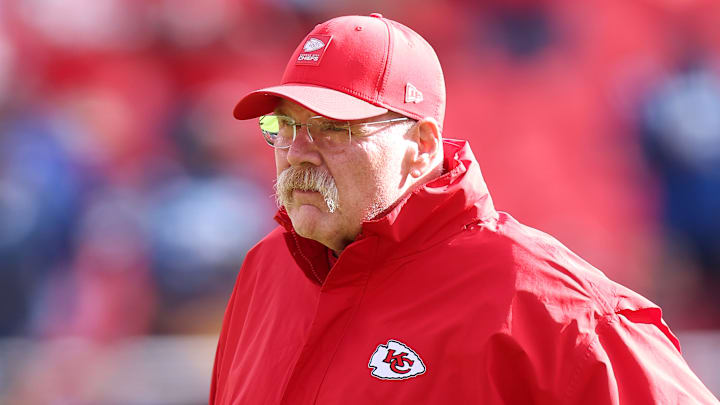
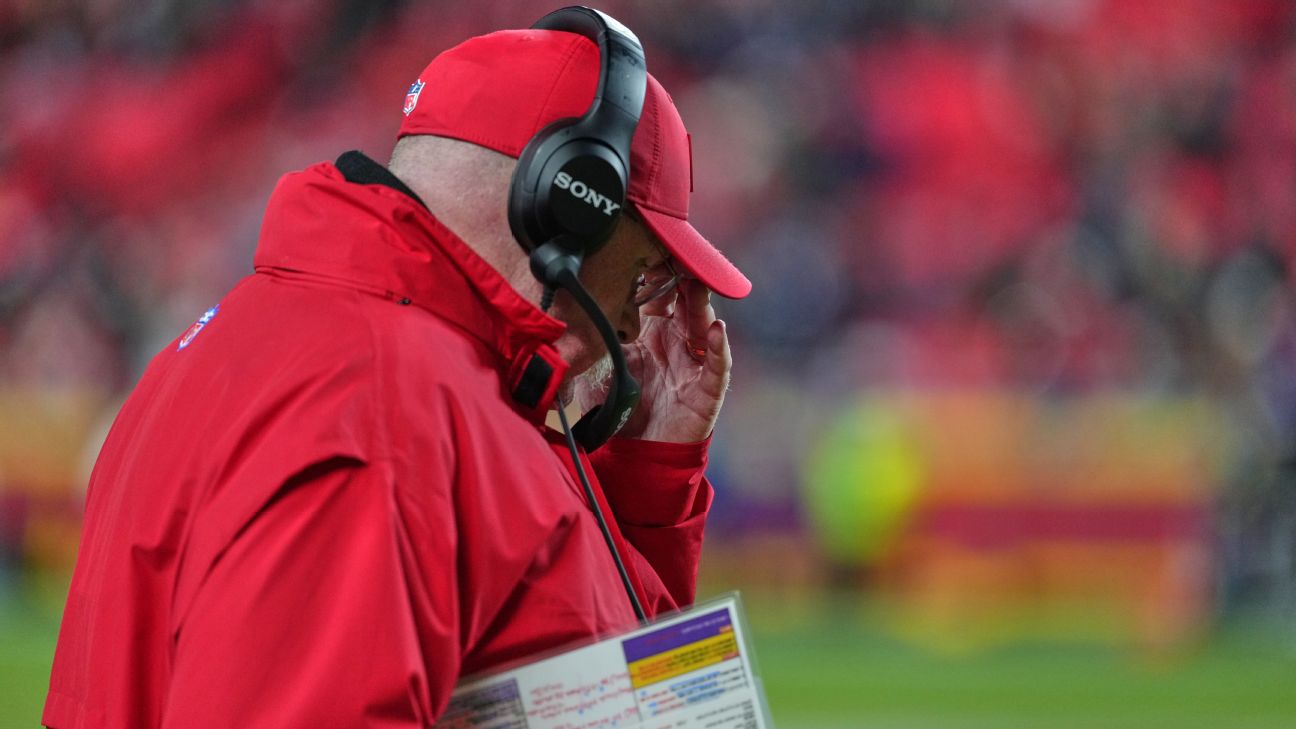
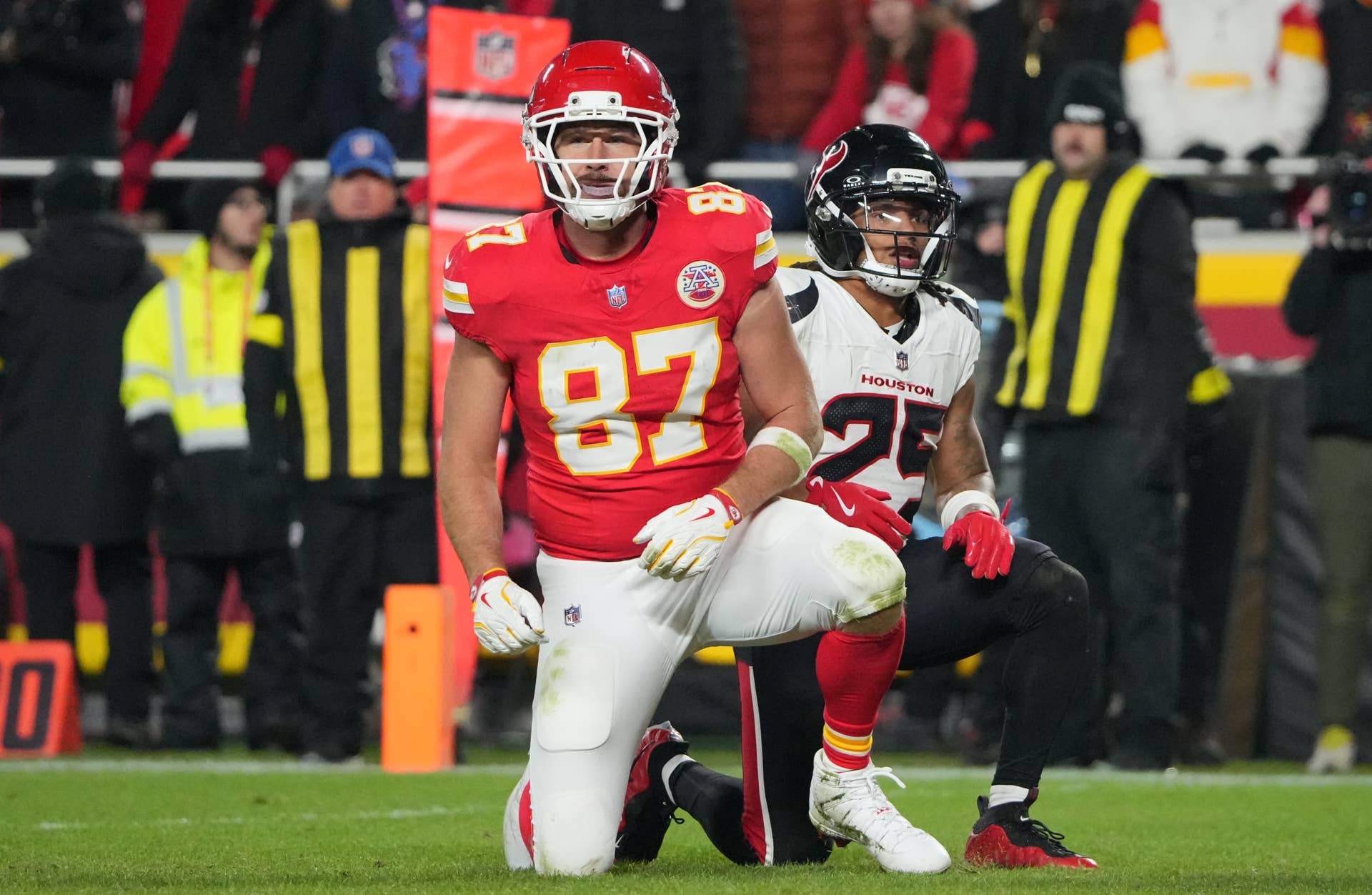
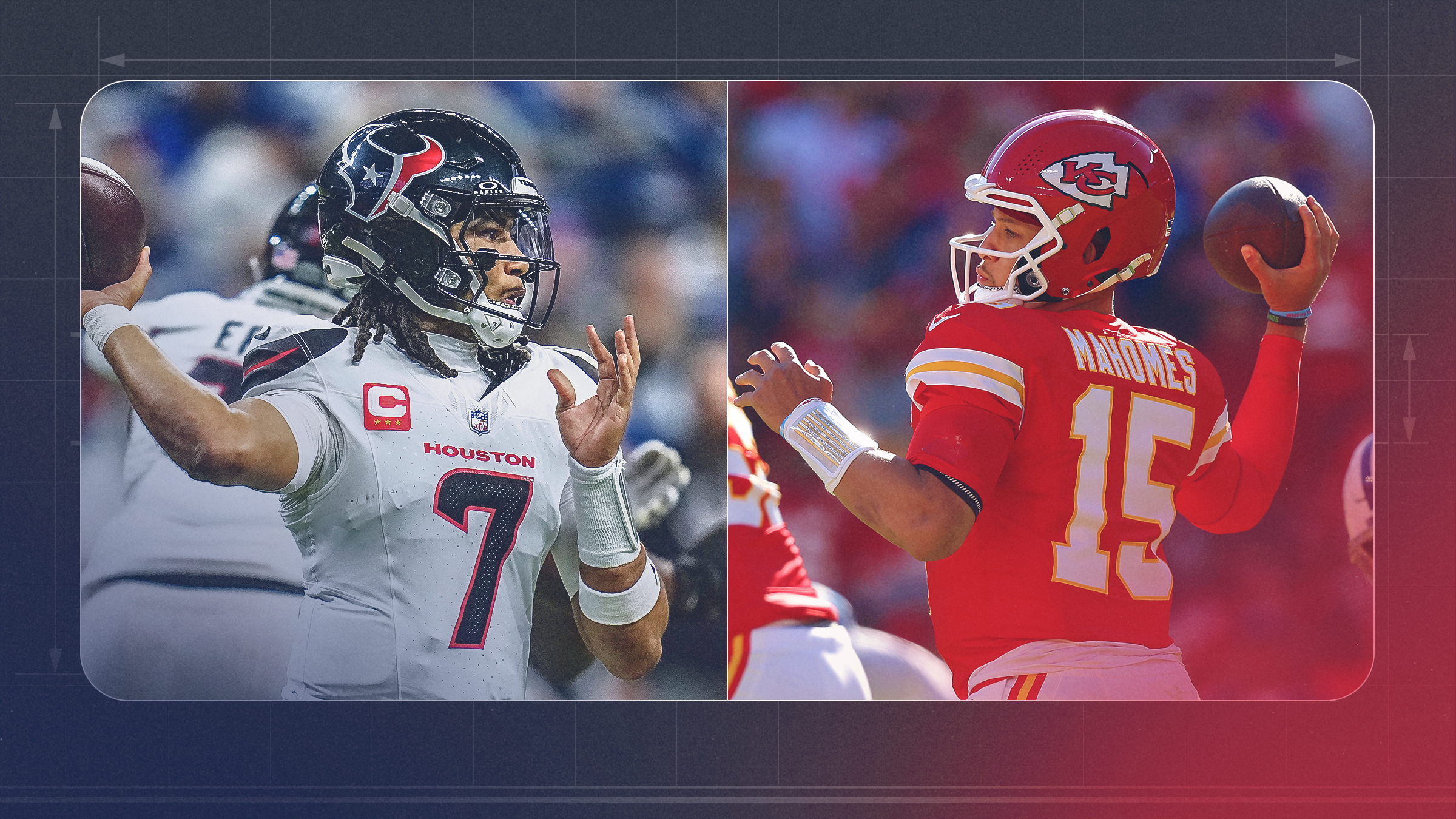
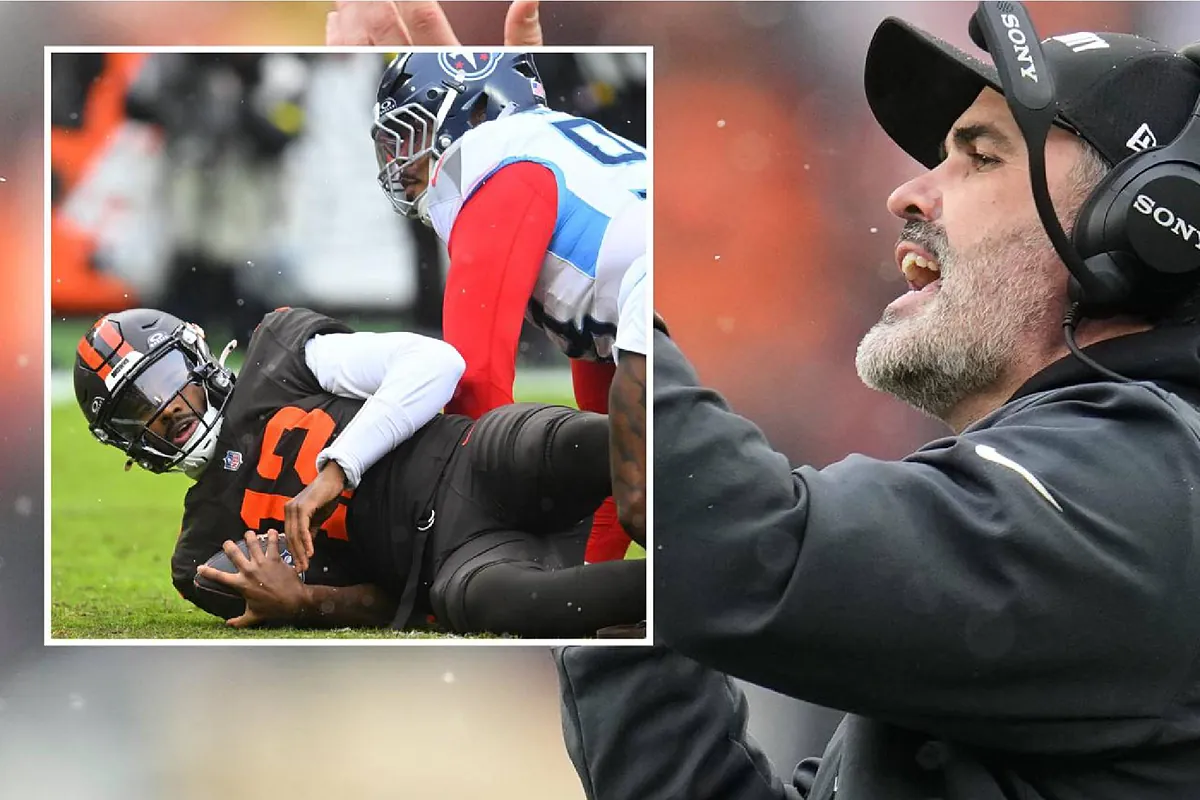
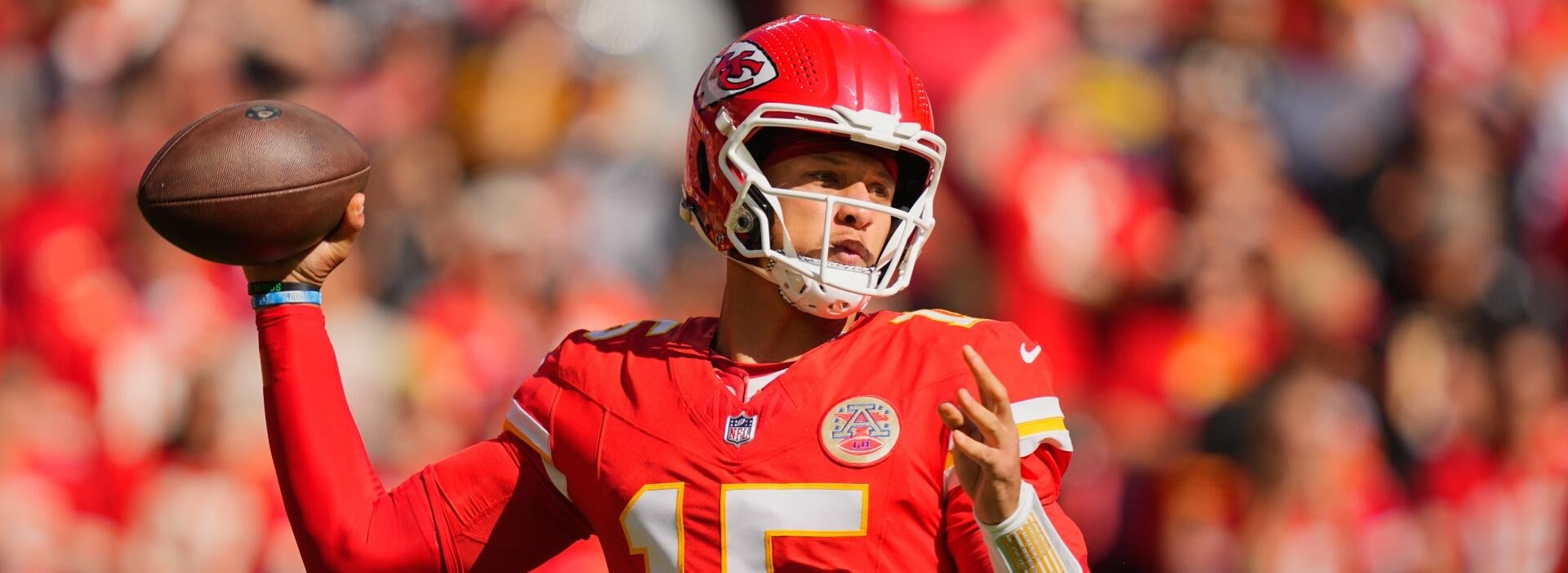
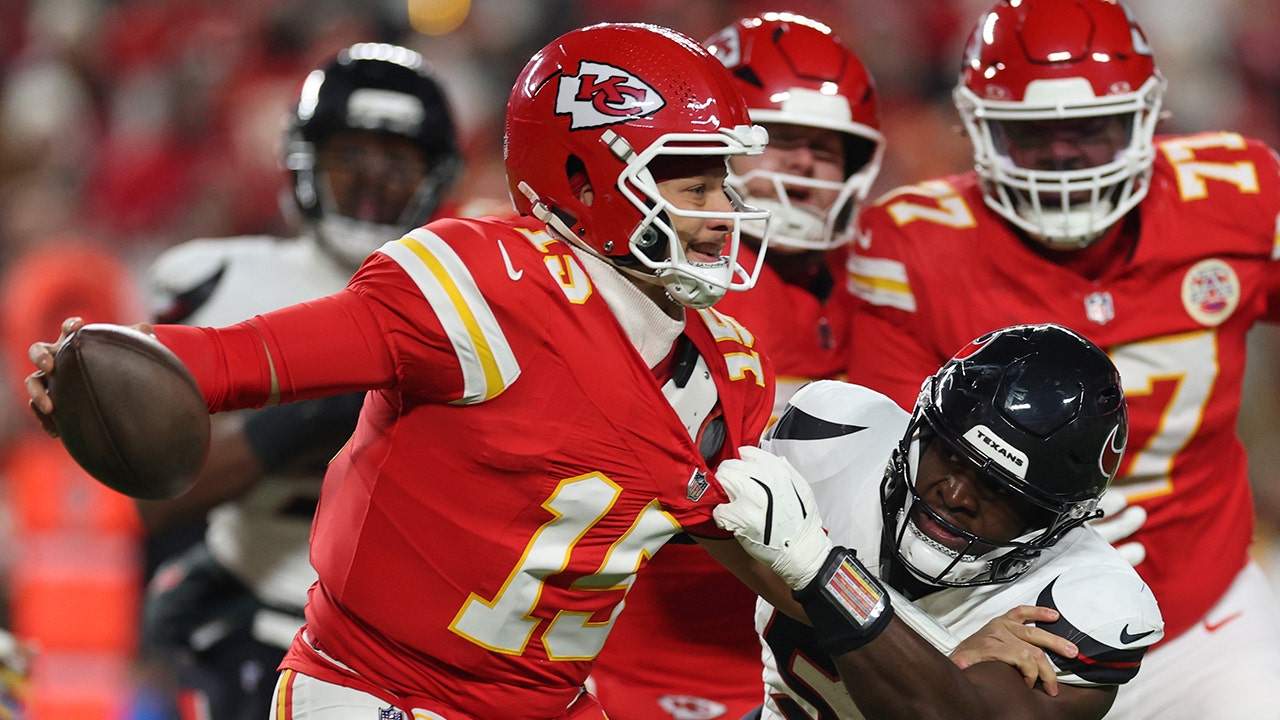
Strategic vulnerability emerges when leadership confronts its own limitations, as dramatically illustrated by the Kansas City Chiefs' recent public reckoning. The unfolding narrative around Coach Andy Reid's frank admission of a critical strategic error reveals a profound organizational dynamic that transcends sports: the delicate balance between accountability and perception.
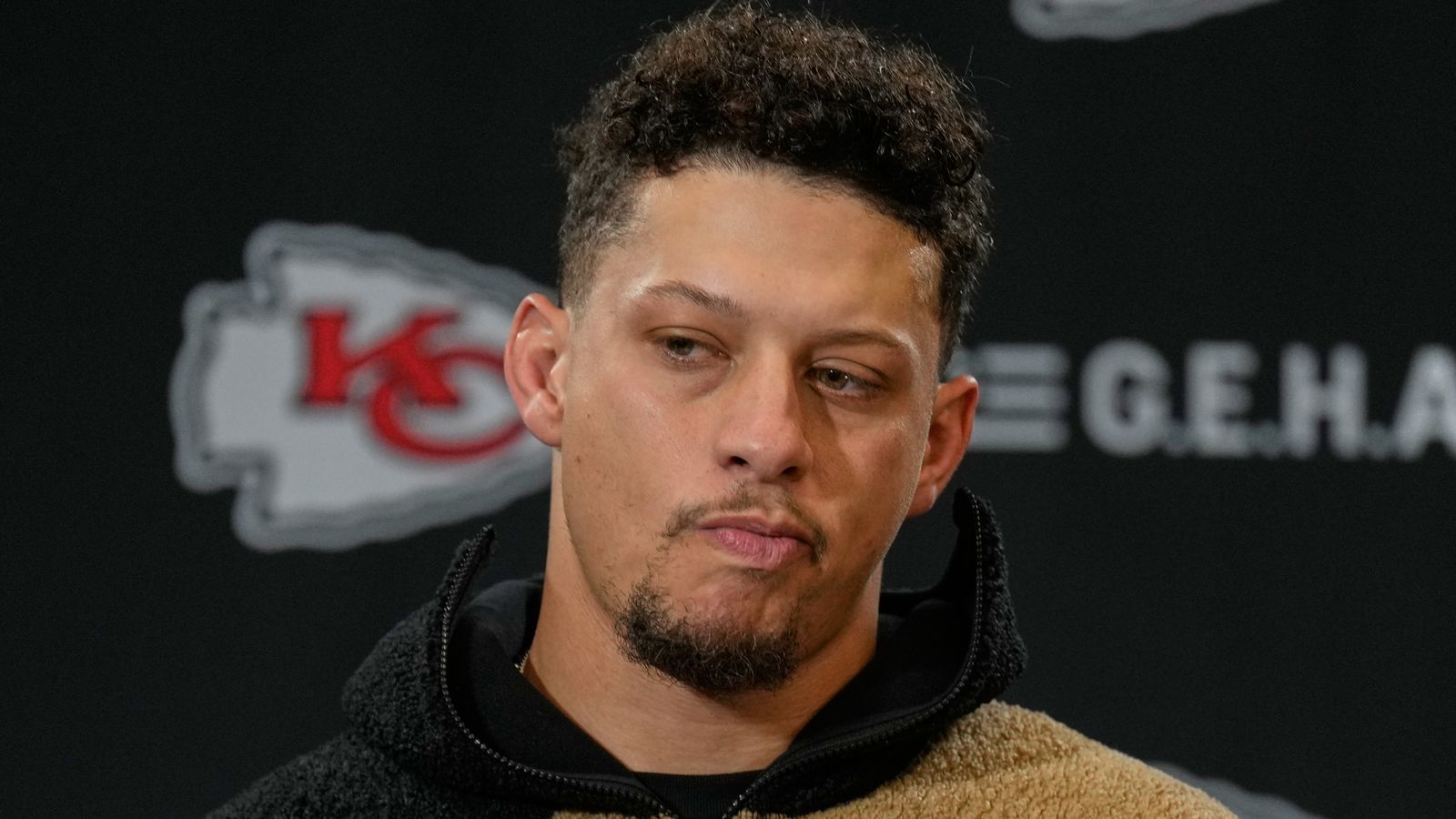
Public acknowledgment of failure represents a pivotal leadership moment. Reid's direct statement—"I messed that one up"—is more than a coaching post-mortem; it's a case study in transparent leadership under pressure. The once-formidable Chiefs, described as looking "old, tired and out of ideas," are experiencing a critical inflection point that mirrors broader organizational challenges faced by high-performance teams across industries.
The strategic implications of public self-critique are multifaceted. By openly admitting a costly fourth-down decision, Reid demonstrates a counterintuitive leadership approach: vulnerability as strength. This approach challenges traditional leadership narratives that prioritize infallibility over genuine reflection. The media's amplification of his statement suggests a cultural shift where audiences value honest introspection over defensive posturing.
The underlying trend signals a deeper transformation in leadership expectations. Modern stakeholders—whether in sports, business, or technology—increasingly demand leaders who can rapidly acknowledge mistakes, learn transparently, and pivot strategically. Reid's moment of public self-reflection becomes a microcosm of contemporary leadership: the ability to turn potential weakness into an opportunity for rebuilding trust and demonstrating adaptability.
Ultimately, this incident illuminates how high-stakes environments demand not just technical expertise, but emotional intelligence and the courage to be publicly accountable. The Chiefs' situation serves as a powerful reminder that true leadership is not about avoiding mistakes, but about how those mistakes are processed, communicated, and transformed into opportunities for growth and strategic recalibration.
Questions 3
What are the broader implications of this leadership moment?
This incident reveals a significant shift in leadership expectations across industries. It underscores that high-performance teams now require leaders who can not just execute strategies, but also reflect critically on their decisions, communicate transparently, and adapt quickly in dynamic environments.
How does public self-critique impact organizational perception?
Modern stakeholders increasingly value leaders who can rapidly acknowledge and learn from mistakes. Reid's approach shows that vulnerability, when communicated authentically, can actually strengthen leadership perception by demonstrating emotional intelligence and commitment to continuous improvement.