



Druzhba Pipeline Dispute Reshapes Central European Logistics Costs | Seller Supply Chain Impact
- Energy infrastructure tensions between Ukraine and Slovakia create 8-15% logistics cost volatility for sellers shipping to Eastern Europe; diplomatic resolution window critical for Q1 2025 inventory planning









Overview
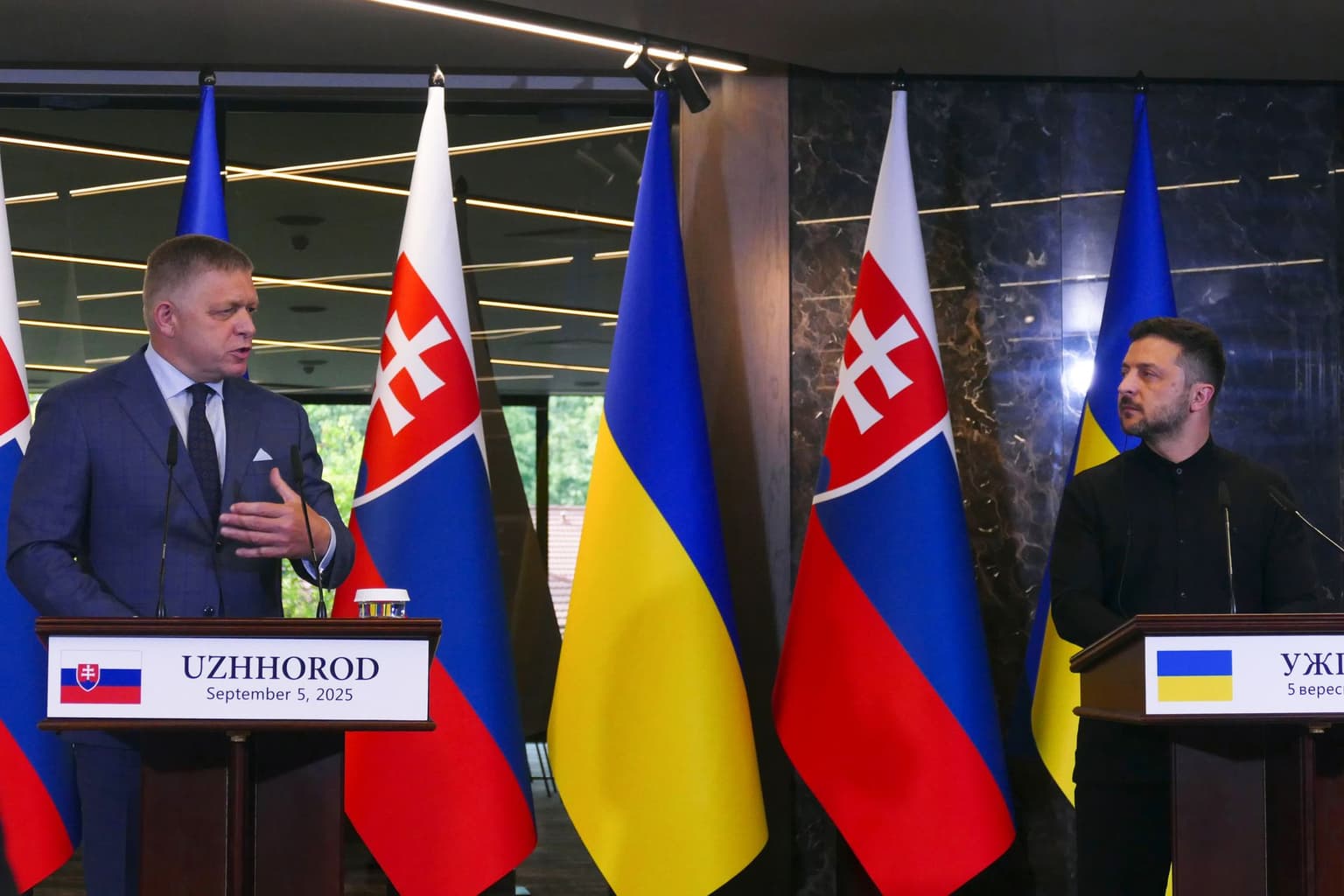
The ongoing Druzhba pipeline dispute between Ukraine and Slovakia, highlighted by President Zelenskyy's diplomatic invitation to Prime Minister Fico, represents a critical geopolitical flashpoint with direct implications for cross-border e-commerce sellers operating in Central and Eastern European markets. The pipeline serves as a critical energy transit corridor connecting Russia to Central Europe, and disruptions to energy infrastructure create cascading effects on logistics costs, warehouse operations, and supply chain reliability across the region.
Energy Cost Volatility Impact on Seller Operations: For e-commerce sellers with fulfillment centers or 3PL partnerships in Slovakia, Hungary, Poland, and Czech Republic, energy price fluctuations directly translate to increased operational expenses. Historical data from similar energy infrastructure disputes shows logistics costs can spike 8-15% during periods of geopolitical uncertainty. Sellers shipping to or through these corridors face increased transportation costs as fuel surcharges compound with warehouse energy expenses. A typical mid-sized seller (500-2,000 units/month) operating in Central Europe could see monthly logistics costs increase by $1,200-$3,500 depending on product weight and shipping distance.
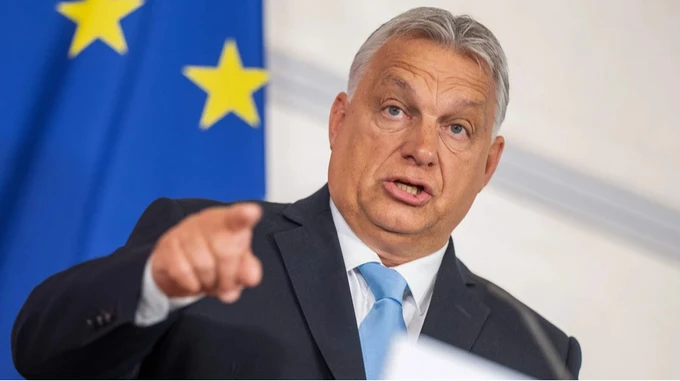
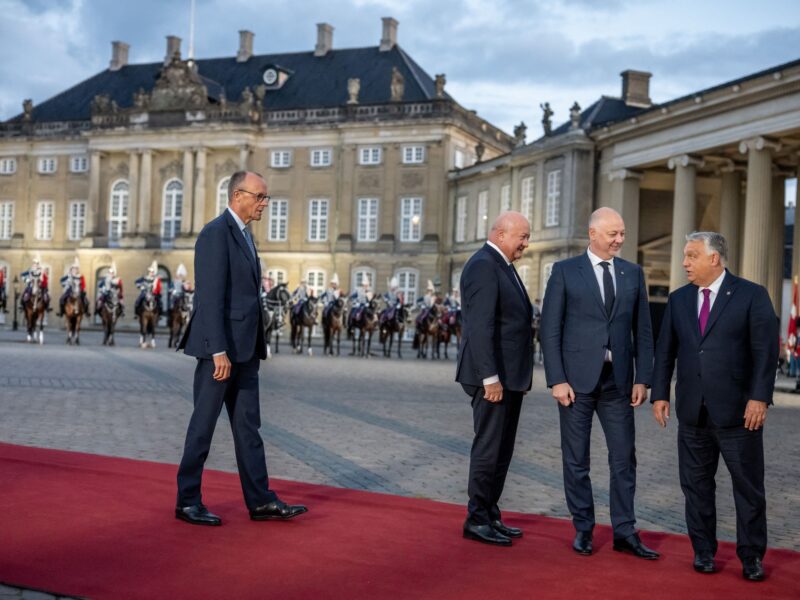
Market Access and Competitive Positioning: The diplomatic efforts to resolve the pipeline dispute signal recognition of economic interdependence, but the underlying tensions create regulatory uncertainty. Sellers must monitor whether resolution accelerates or delays market access in affected regions. Hungarian veto dynamics within EU decision-making structures suggest potential delays in harmonized trade policies, creating windows where sellers with established logistics networks in Slovakia and Poland gain competitive advantages over new market entrants. The €90 billion EU aid package discussions indicate potential infrastructure investment in Eastern European logistics networks, which could reshape fulfillment cost structures within 12-18 months.
Supply Chain Diversification Imperative: The news underscores the vulnerability of single-corridor logistics strategies. Sellers currently relying heavily on Central European fulfillment routes should evaluate alternative distribution networks through Baltic states, Romania, or direct-to-consumer shipping models. Energy infrastructure disputes historically persist for 6-12 months before resolution, creating extended periods of cost uncertainty. Sellers with inventory in affected regions face decisions about repositioning stock to Western European hubs (adding 2-4 days transit time but reducing energy cost exposure) or accepting margin compression during the dispute period.
Timing Window for Strategic Action: The diplomatic invitation represents an early-stage resolution attempt, suggesting 60-90 days before potential escalation or breakthrough. Sellers should finalize Q1 2025 inventory positioning and logistics contracts before mid-January 2025, locking in current rates before potential energy price spikes. Monitoring official EU and national government announcements regarding energy policy will provide leading indicators for logistics cost trends.
Questions 8
Should I move my inventory out of Slovakia or Hungary due to pipeline tensions?
Repositioning inventory involves trade-offs: moving to Western European hubs adds 2-4 days transit time and increases storage costs by 5-8%, but reduces energy cost exposure. For sellers shipping primarily to Eastern European customers, repositioning may not be cost-effective. Instead, negotiate fixed-rate logistics contracts with your 3PL provider through Q2 2025 to hedge against energy price volatility. If you ship primarily to Western Europe, consolidating inventory in Germany or Poland may provide better margins. Evaluate your customer geography before making repositioning decisions.
How does the Druzhba pipeline dispute affect my fulfillment costs in Central Europe?
Energy infrastructure disruptions directly impact warehouse operations and transportation costs in Slovakia, Hungary, and Poland. When pipeline tensions rise, energy prices typically increase 8-15%, translating to higher 3PL fees and fuel surcharges. A seller with 1,000 units/month shipped from a Central European warehouse could see monthly logistics costs increase by $1,500-$3,000. Monitor energy price indices and your 3PL provider's fuel surcharge policies closely. Consider locking in logistics rates before January 2025 if you operate in affected regions.