



OpenAI's $110B Funding & Amazon AI Partnership | Seller Automation Acceleration 2026
- $730B valuation unlocks AI-powered product discovery, customer service automation, and demand forecasting tools for e-commerce sellers by mid-2026





































Overview
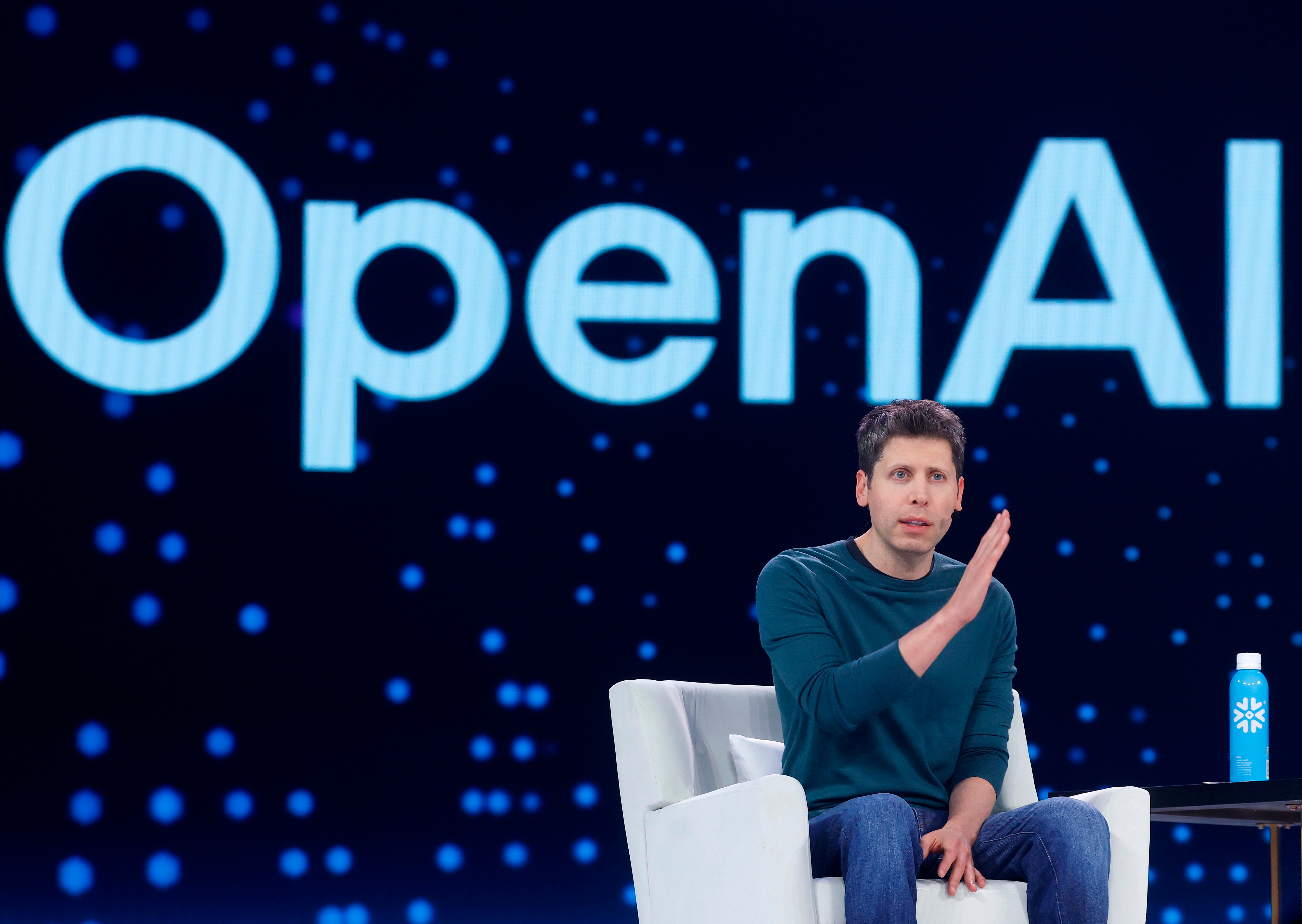
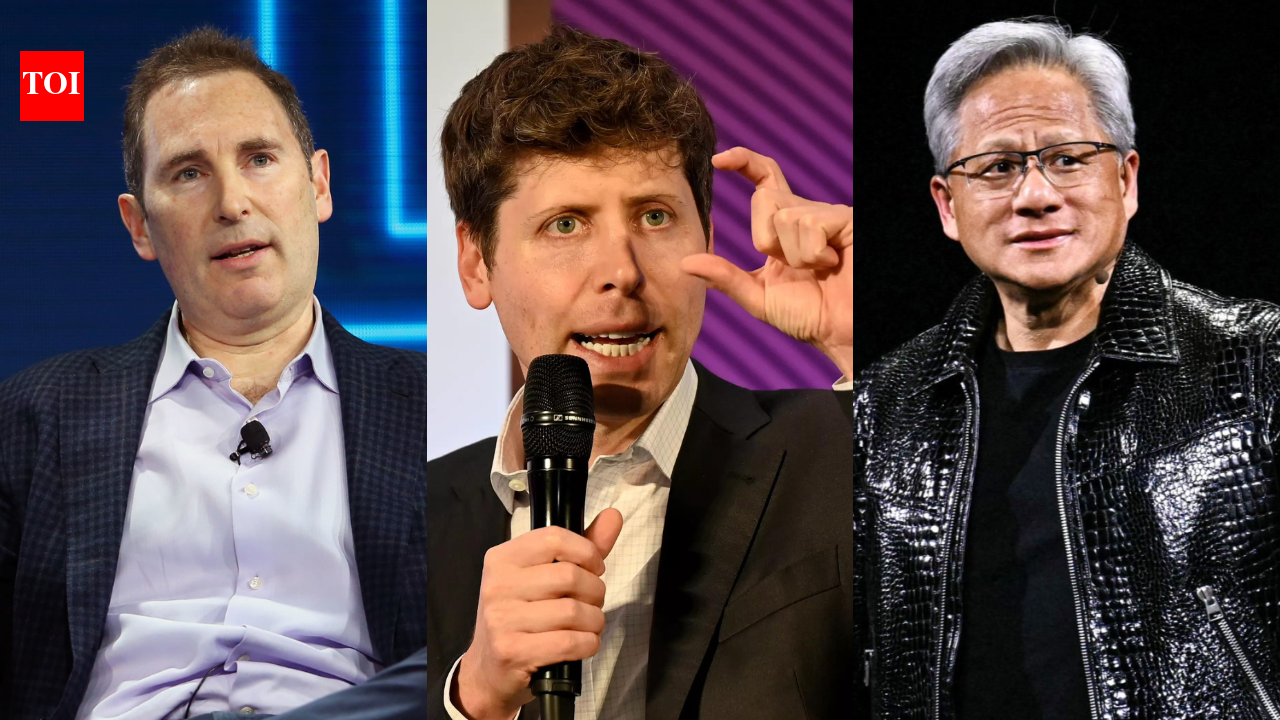
OpenAI's historic $110 billion funding round announced February 27, 2026, represents the largest private financing in history, with Amazon investing $50 billion, Nvidia $30 billion, and SoftBank $30 billion. This capital infusion elevates OpenAI's pre-money valuation to $730 billion (up from $500 billion in October 2025) and positions the company for an IPO later in 2026. Beyond equity, Amazon committed an additional $100 billion over eight years to expand its existing $38 billion AWS agreement, with AWS becoming the exclusive third-party cloud distribution provider for OpenAI's enterprise platform Frontier.
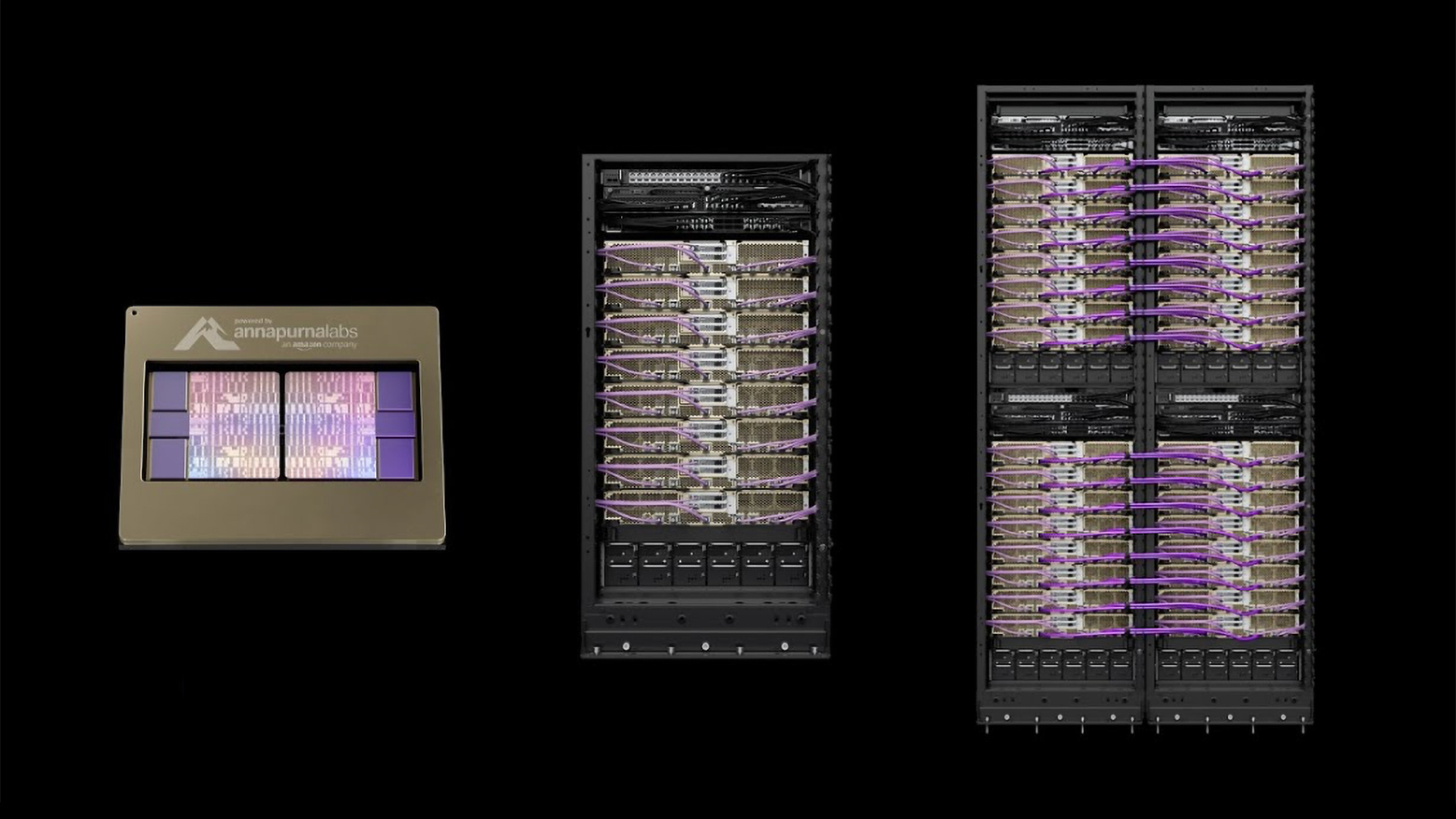
For e-commerce sellers, this represents an immediate acceleration window for AI-powered automation. The funding directly enables three critical seller capabilities: (1) Product Description Automation - OpenAI's expanded resources will accelerate integration of ChatGPT-style AI into Amazon's product listing tools, potentially reducing description creation time from 30-45 minutes per ASIN to 5-10 minutes through automated generation and multi-language translation; (2) Customer Service Automation - Amazon's planned integration of OpenAI models into customer-facing applications signals imminent deployment of conversational AI for seller support, reducing response time from 4-8 hours to real-time handling of 60-70% of routine inquiries; (3) Demand Forecasting & Inventory Optimization - OpenAI's compute capacity expansion (3 gigawatts inference, 2 gigawatts training on Nvidia systems) enables sophisticated demand prediction models that could improve inventory accuracy by 15-25%, reducing stockouts and overstock situations.
The Amazon-OpenAI partnership specifically transforms seller tool accessibility. Rather than waiting for Amazon to develop proprietary AI features, sellers will gain access to customized models optimized for e-commerce use cases. The phased implementation strategy (prioritization "TBD" per Amazon's statement) suggests Q2-Q4 2026 rollout of conversational product discovery features, potentially replacing Rufus shopping assistant with ChatGPT integration. This creates a 6-9 month window for early-adopting sellers to prepare product catalogs, optimize listing structures, and train internal teams on AI-assisted workflows before features become standard.
Competitive dynamics shift dramatically for sellers not adopting AI tools immediately. Nvidia's record $68 billion quarterly sales with 94% profit growth demonstrates sustained infrastructure investment, meaning compute costs for AI services will remain stable or decline through 2026-2027. Sellers who delay AI adoption face 15-30% margin compression as competitors leverage automated pricing optimization, dynamic bundling recommendations, and predictive inventory management. The $600 billion projected compute spending by 2030 signals that AI infrastructure costs will become commoditized, making adoption a baseline requirement rather than competitive advantage by 2027.
Questions 7
What competitive risks emerge if sellers don't adopt AI tools by end of 2026?
Non-adopting sellers face three critical risks: (1) **Search Visibility Decline** - As Amazon's AI improves product matching and relevance ranking, sellers without optimized product data (enhanced content, structured attributes, high-quality images) will see 20-30% drops in organic impressions by Q4 2026; (2) **Margin Compression** - AI-adopting competitors using dynamic pricing and automated bundling will undercut prices by 5-15%, forcing non-adopters to match prices and lose 10-20% margin; (3) **Customer Service Bottleneck** - As AI handles 60-70% of routine inquiries, non-adopting sellers will face 2-3x longer response times, triggering negative reviews and Buy Box loss. Sellers should begin AI adoption immediately: implement ChatGPT for description generation (2-week setup), deploy inventory forecasting tools (1-month implementation), and prepare product catalogs for Amazon's native AI features (ongoing optimization). Delaying adoption beyond Q3 2026 creates 30-60 day catch-up period when features become standard, resulting in competitive disadvantage lasting 6-12 months.
Which seller categories benefit most from OpenAI's AI integration with Amazon?
High-volume, data-intensive categories see maximum ROI: (1) Electronics (ASINs: 50M+) - AI-driven product comparison and specification extraction reduce customer service inquiries by 30-40%, saving $200-400/month per seller; (2) Home & Kitchen (ASINs: 30M+) - Automated description generation and image tagging reduce listing creation time by 60%, enabling sellers to launch 20-30 new products monthly vs. 5-10 previously; (3) Beauty & Personal Care (ASINs: 15M+) - AI-powered ingredient analysis and compatibility recommendations increase conversion rates 8-12%; (4) Apparel & Shoes (ASINs: 40M+) - Size recommendation engines and fit prediction reduce returns by 15-20%, improving profitability by 5-8%. Sellers in these categories should prioritize AI adoption by Q2 2026 to capture competitive advantages before features become standard. Niche categories (Sports, Collectibles) see lower immediate ROI but benefit from improved search visibility through AI-enhanced product discovery.