



Media Titans Clash Netflix's Billion-Dollar Gamble in Warner Bros Mega-Merger
- Strategic Content Consolidation Triggers Regulatory Showdown for Global Entertainment Platforms




















Overview
The media landscape is undergoing a seismic transformation with Netflix's audacious $83 billion acquisition of Warner Bros. Discovery, a move that simultaneously signals strategic ambition and regulatory complexity. At the heart of this unprecedented merger lies a calculated bet to redefine global entertainment through unprecedented content consolidation.
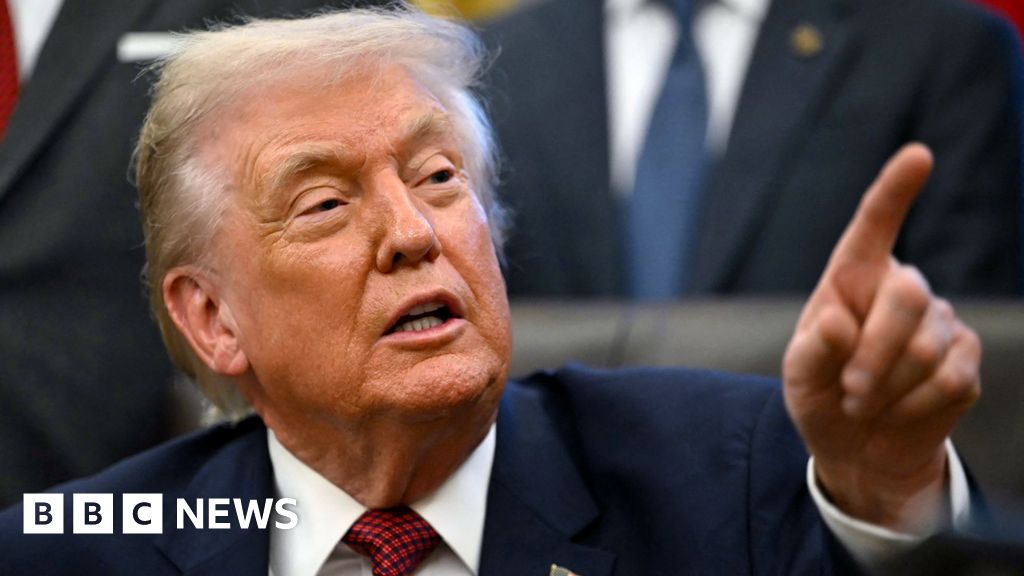
Antitrust Dynamics Emerge as Critical Challenge The potential merger faces significant regulatory scrutiny, exemplified by former President Trump's direct intervention and concerns about market concentration. Trump's reported meeting with Netflix co-CEO Ted Sarandos before the bid underscores the high-stakes political and economic dimensions of this transaction. The DC Universe franchise emerges as the crown jewel, representing not just a content library but a strategic asset with billions in historical revenue and expansive franchise potential.
Content Strategy Meets Geopolitical Complexity Netflix's vision extends beyond traditional media consolidation. By combining Warner Bros.' iconic franchises like DC Comics, Harry Potter, and Friends with its original content ecosystem, the company aims to "define the next century of storytelling." This isn't merely a corporate merger, but a sophisticated platform strategy that weaponizes intellectual property across multiple entertainment domains. The inclusion of DC Universe particularly signals Netflix's intent to develop projects beyond traditional theatrical releases, creating a more dynamic and flexible content monetization model.
Competitive Landscape Transformation The merger represents a significant inflection point in media strategy. While some fans express concerns about potential show cancellations and creative risks, the broader implication is a fundamental restructuring of how entertainment intellectual property is developed, distributed, and monetized. Warner Bros.' exploration of franchise expansion, including theme park opportunities, further illustrates the multidimensional approach to content monetization.
Strategic Implications: This merger signals a critical shift towards platform-based content ecosystems where intellectual property becomes a tradable, scalable asset. Entertainment companies are no longer just content producers but complex media platforms capable of generating value across multiple channels and geographies.
Questions 3
What regulatory challenges might Netflix face with this acquisition?
The merger faces potential antitrust scrutiny, as evidenced by Trump's direct intervention. Regulators will likely examine market concentration, content monopolization risks, and the potential reduction of consumer choice in the entertainment marketplace.
Why is the DC Universe so strategically important in this merger?
The DC Universe represents a multi-billion dollar franchise with proven revenue across movies, potential theme park expansions, and transmedia storytelling. Its historical performance and competitive advantage over Marvel make it a critical asset that transforms Netflix from a streaming platform to a comprehensive entertainment ecosystem.