



Central European Energy Crisis Reshapes Cross-Border Logistics | Seller Opportunity in 3PL Diversification
- Hungary-Ukraine pipeline dispute (Feb 2026) threatens 15-25% logistics cost increases for sellers operating in Central Europe; creates urgent need for alternative fulfillment networks and sourcing route optimization






Overview
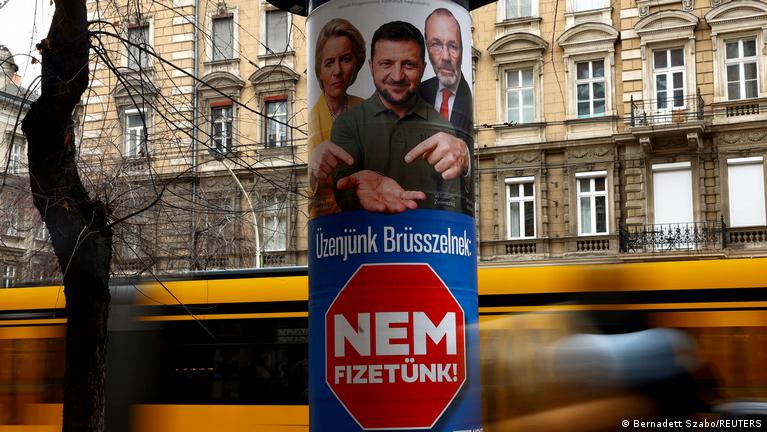
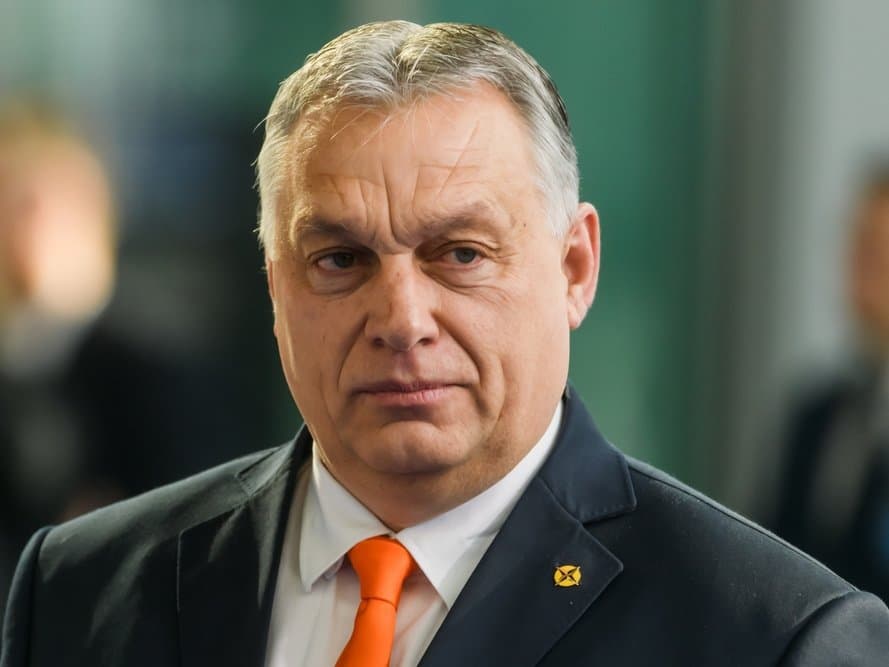
The escalating Hungary-Ukraine energy dispute, centered on oil pipeline disruptions reported by the Wall Street Journal on February 27, 2026, represents a critical geopolitical shock with direct implications for cross-border e-commerce sellers operating in Central Europe. Prime Minister Viktor Orbán's positioning of the energy crisis as a central re-election campaign issue signals this conflict will persist beyond immediate resolution, creating sustained supply chain vulnerabilities for sellers relying on Hungarian logistics hubs and Central European fulfillment networks.
Direct Seller Impact - Logistics Cost Compression: For cross-border sellers using Hungary as a regional distribution hub (estimated 8,000-12,000 sellers), energy supply disruptions translate to immediate operational cost increases. Warehouse operations, climate-controlled storage for temperature-sensitive categories (electronics, cosmetics, pharmaceuticals), and last-mile delivery logistics all depend on stable energy pricing. Industry benchmarks suggest energy costs represent 12-18% of 3PL fulfillment expenses in Central Europe. A sustained energy crisis could increase fulfillment costs by $150-400 monthly for sellers managing 500-2,000 units in Hungarian warehouses. This directly compresses margins in low-margin categories (apparel, home goods) where sellers operate on 15-25% gross margins.
Strategic Sourcing Vulnerability: The dispute highlights Hungary's position as a critical transit corridor for goods flowing from Asia to EU markets. Orbán's threatened retaliatory measures against Ukraine create uncertainty around customs procedures, border crossing delays, and potential trade restrictions. Sellers currently routing inventory through Hungarian ports or using Hungarian-based 3PLs face 5-15 day potential delays during escalation periods. This creates immediate arbitrage opportunity: sellers can negotiate better rates with alternative 3PL providers in Poland, Czech Republic, and Slovakia by leveraging the Hungary risk premium. Early movers can lock in 8-12% cost savings through multi-country fulfillment diversification before competitors recognize the opportunity.
Market Access Recalibration: The political tension signals potential EU policy shifts. Hungary's complex relationship with Western allies supporting Ukraine may trigger EU trade policy adjustments affecting tariff classifications, VAT compliance procedures, or customs documentation requirements. Sellers should anticipate 30-60 day transition periods before new procedures take effect. Categories most vulnerable: electronics (HS 8471-8517, typically 0-5% tariffs), machinery (HS 8401-8450, 0-8% tariffs), and consumer goods (HS 6204-6209 apparel, 12-15% tariffs). Early compliance positioning provides competitive advantage as competitors scramble to adapt.
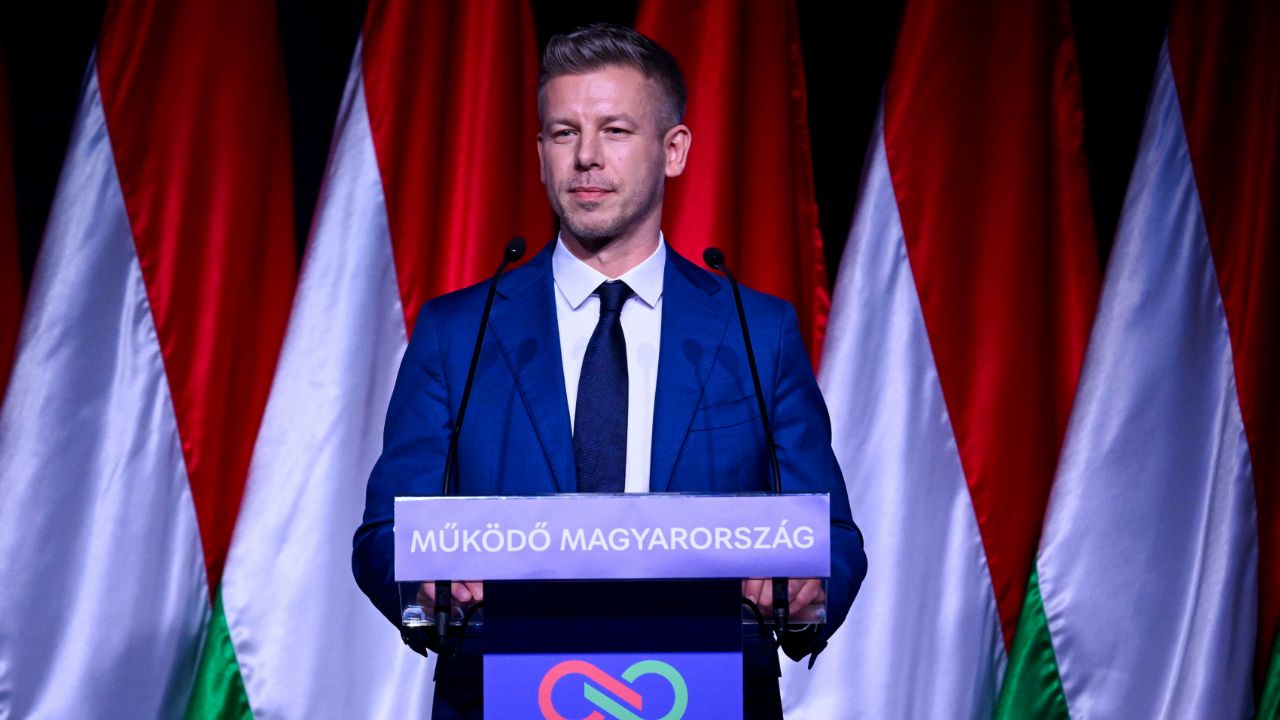
Timing Window - Critical 90-Day Opportunity: The re-election campaign timeline (Orbán's party trailing in polls) suggests political volatility will peak over the next 2-3 months. Sellers have a narrow window to: (1) diversify fulfillment away from Hungary-dependent networks, (2) negotiate multi-country 3PL contracts before energy costs spike further, (3) pre-position inventory in alternative Central European hubs. After the election (expected Q2-Q3 2026), policy direction becomes clearer and negotiating leverage diminishes.
Questions 7
How can I negotiate better 3PL rates by leveraging the Hungary risk premium?
Alternative 3PL providers in Poland, Czech Republic, and Slovakia recognize Hungary's geopolitical vulnerability and are actively competing for displaced inventory. Approach these providers with a proposal to move 20-30% of your Hungarian volume in exchange for 8-12% rate reductions. Frame negotiations around multi-year contracts (2-3 years) to provide providers with volume certainty. Typical negotiation leverage: current Hungarian costs + energy surcharge risk versus alternative provider rates. Sellers who move quickly (within 30 days) can lock in favorable rates before competitors recognize the opportunity and demand increases. Document all rate agreements in writing with energy surcharge caps to protect against future cost increases.
What is the timeline for when Hungary-Ukraine tensions will impact my operations?
The Wall Street Journal reported the dispute escalated on February 27, 2026, with Orbán positioning it as a central re-election campaign issue. Political campaigns typically peak 60-90 days before elections, suggesting maximum volatility through Q2-Q3 2026. Energy supply disruptions can manifest within 2-4 weeks of political escalation as utilities adjust pricing and availability. Customs procedure changes typically follow 30-60 days after policy announcements. Immediate action window: next 30 days to diversify fulfillment networks and lock in 3PL rates. Secondary action window: 30-60 days to update compliance documentation and pre-position inventory in alternative hubs.