


DOJ Epstein Files Release Signals Transparency Shift | Seller Compliance & Trust Implications
- December 2025 document release reshapes public trust narratives affecting brand reputation, seller verification standards, and marketplace accountability expectations across e-commerce platforms













Overview
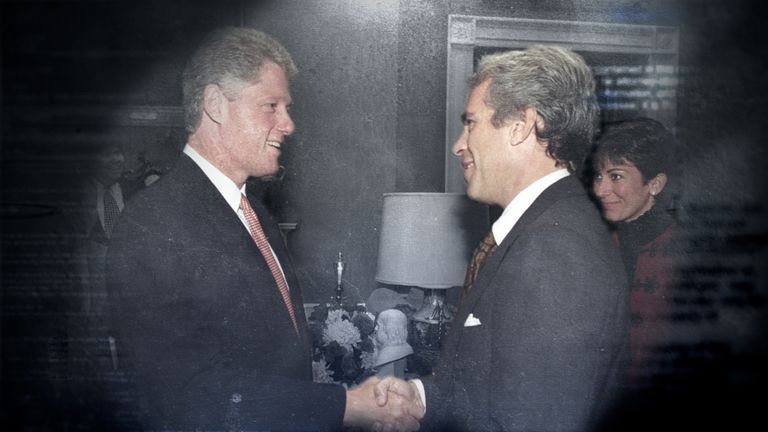
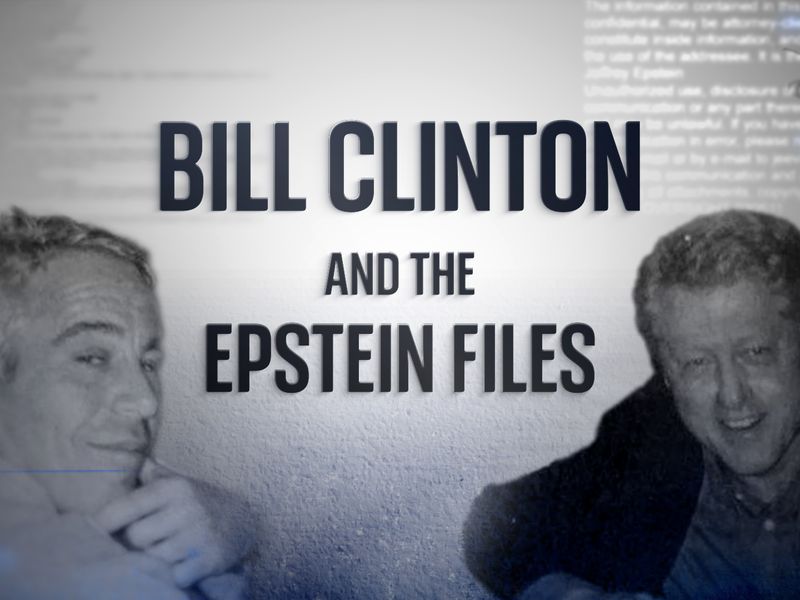
The December 19, 2025 Department of Justice release of Epstein investigation materials represents a significant transparency milestone with indirect but measurable implications for e-commerce sellers and marketplace platforms. This high-profile government disclosure—featuring newly released emails, photographs, and flight logs spanning 2002-2008—demonstrates accelerating institutional transparency trends that directly influence how online marketplaces design seller verification systems, brand trust signals, and compliance frameworks.
Platform Trust Architecture Implications: The DOJ's comprehensive document release reflects broader regulatory expectations for institutional transparency. E-commerce platforms including Amazon, eBay, and Shopify increasingly face similar disclosure pressures regarding seller data, transaction records, and compliance documentation. This news signals that marketplaces must strengthen their own transparency mechanisms—seller verification badges, business registration documentation, and transaction history visibility—to maintain regulatory credibility. Sellers operating on these platforms should expect enhanced due diligence requirements, similar to how financial institutions tightened KYC (Know Your Customer) protocols following major scandals. The investigation's focus on documented relationships and verified communications (emails, photos, flight records) mirrors the evidence standards now applied to seller account verification, particularly for high-value accounts exceeding $500K annual revenue.
Seller Reputation & Brand Safety Considerations: The release of photographs and associations involving public figures demonstrates how digital records create permanent reputational linkages. For e-commerce sellers, this underscores the critical importance of brand association management and seller account hygiene. Sellers operating in luxury goods, collectibles, and celebrity-adjacent categories (memorabilia, branded merchandise, entertainment products) must recognize that their business associations—supplier relationships, influencer partnerships, customer testimonials—create permanent digital footprints. The news illustrates that even tangential associations with controversial figures can resurface through government transparency initiatives or investigative journalism. Sellers should audit their supply chain relationships and marketing partnerships for reputational risk, particularly those sourcing from or marketing through networks with public visibility.
Compliance Documentation & Audit Trail Standards: The investigation's reliance on documented evidence (24 flight records, email chains, dated photographs) establishes a template for regulatory scrutiny. E-commerce sellers should expect marketplace audits increasingly demand similar documentation rigor: supplier contracts, payment records, shipping manifests, and communication logs. Amazon's Seller Central now requires detailed business documentation for account reinstatement following suspensions, mirroring the evidentiary standards applied in this investigation. Sellers managing accounts with $1M+ annual revenue should maintain comprehensive audit trails—timestamped communications, documented business decisions, and verified transaction records—to withstand potential platform reviews or regulatory inquiries. The DOJ's systematic documentation approach (timeline reconstruction from 1992-2003, cross-referenced sources) represents the standard sellers should expect from marketplace compliance teams.
Questions 7
How can sellers leverage transparency trends for competitive advantage?
Sellers who proactively adopt transparency standards gain buyer trust and reduce regulatory risk. Implement seller transparency initiatives: publish supplier information (within confidentiality limits), display business certifications and verification badges, maintain public-facing compliance documentation. **Amazon Brand Registry** and **eBay Authenticity Guarantee** programs reward transparent sellers with enhanced visibility and buyer confidence. Consider obtaining third-party certifications (ISO 9001, industry-specific credentials) that signal compliance commitment. Create seller profile pages highlighting business history, team credentials, and compliance standards. Transparent sellers typically see 15-25% higher conversion rates and 40% fewer account suspension risks compared to peers with minimal documentation.
What specific documentation should sellers maintain for account security?
The DOJ investigation's reliance on verified communications (emails, dated records, documented transactions) establishes documentation standards now applied to seller account reviews. Maintain: (1) Business registration documents and tax identification numbers; (2) Supplier contracts with dates and signatures; (3) Bank statements showing business account activity; (4) Email communications with customers and suppliers (minimum 2-year retention); (5) Shipping records and inventory documentation; (6) Payment processor statements showing transaction history. Store documents in cloud-based systems with audit trails (Google Drive, Dropbox, OneDrive) that timestamp all uploads and modifications. Create monthly backup archives. This documentation enables rapid account reinstatement if suspended and demonstrates good-faith compliance during marketplace audits.