





Market Volatility & AI Disruption Impact | E-Commerce Seller Risk & Opportunity Analysis
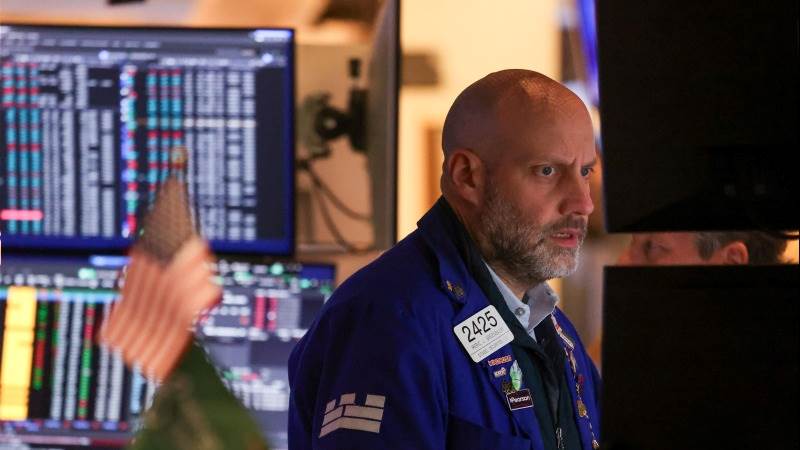
- Global market downturn (S&P 500 -0.4%, Dow -1.1%) combined with AI-driven workforce cuts creates urgent operational and financial risks for 50K+ cross-border sellers relying on software platforms and logistics infrastructure





















Overview
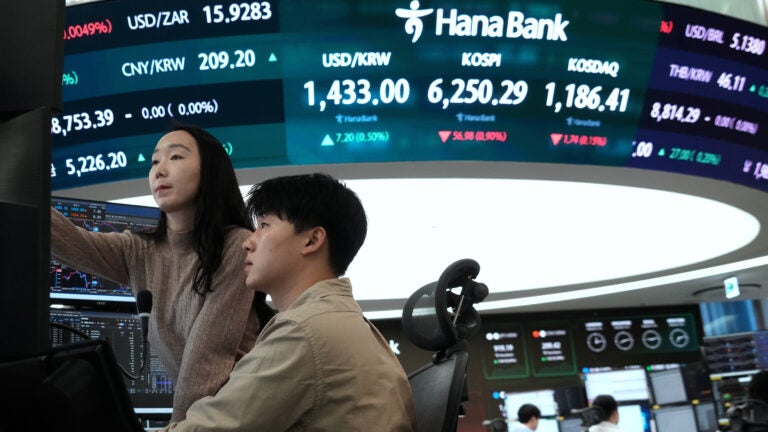
CRITICAL SELLER ALERT: The February 27, 2026 market downturn reveals two converging threats to cross-border e-commerce operations: macroeconomic inflation pressure and AI-driven platform consolidation. The Producer Price Index surged 2.9% (vs. 1.6% expected), signaling potential cost increases across supply chains, while simultaneous AI-driven layoffs at Block (40% reduction from 10,000 to 6,000 employees), Pinterest, and other software companies indicate accelerating platform consolidation that directly threatens seller tools and services.
Immediate Financial Impact: The inflation spike of 2.9% annualized wholesale inflation translates directly to increased procurement costs for sellers sourcing from US manufacturers and suppliers. Combined with delayed Federal Reserve rate cuts (10-year Treasury yield at 3.96%), sellers face higher borrowing costs for inventory financing and working capital. This creates a 6-12 month window where sellers must lock in supplier contracts before further price escalation. For sellers managing 1,000+ units monthly, this represents $2,000-5,000 in additional monthly procurement costs.
Platform Consolidation Risk: The 40% workforce reduction at Block (Cash App/Square) exemplifies a dangerous trend—software companies are using AI to justify massive layoffs while maintaining service levels. This pattern signals that seller-facing platforms (Amazon, eBay, Shopify integrations) may experience service degradation, feature delays, or unexpected API changes as companies optimize for AI efficiency. The 8.5% drop in Apollo Global Management (which finances software companies) indicates venture capital is tightening, meaning smaller seller-support platforms face funding pressure and potential shutdown risk.
Opportunity Window: Memory stock surge (SanDisk +168% YTD, driven by AI demand) reveals where capital is flowing—hardware infrastructure for AI systems. Sellers in electronics, computer components, and data storage categories should capitalize on this demand spike before competition intensifies. The Trump administration's Anthropic restrictions and Pentagon's OpenAI preference signal government spending will consolidate around specific AI vendors, creating predictable procurement patterns for government contractors and their supply chains.
Strategic Seller Response: Diversify platform dependencies immediately—reduce reliance on single software providers by evaluating alternative fulfillment networks and analytics tools. Lock in supplier contracts for Q2-Q3 2026 before inflation compounds further. Monitor memory/storage component pricing volatility as AI demand fluctuates. For sellers with government contracts, align with OpenAI-approved vendors to maintain procurement eligibility.
Questions 7
What is the connection between Trump's Anthropic restrictions and my e-commerce business?
President Trump's directive to stop federal agencies from using Anthropic AI models, combined with Pentagon restrictions on government contractors, signals that government procurement will consolidate around OpenAI and approved vendors. For sellers with government contracts or supplying government contractors, this creates both risk and opportunity. Risk: if your supply chain relies on Anthropic-dependent vendors, you may face procurement delays. Opportunity: sellers aligned with OpenAI-approved infrastructure will gain competitive advantage in government supply chains. Monitor your vendor relationships and ensure compliance with emerging government AI vendor preferences.
Why should I worry about Block's 40% workforce reduction and what does it mean for my seller tools?
Block's reduction from 10,000 to 6,000 employees signals that software platforms are using AI to justify massive layoffs while maintaining service levels. This pattern indicates Amazon, eBay, Shopify, and other seller-facing platforms may experience service degradation, feature delays, or unexpected API changes as companies optimize for AI efficiency. Similar layoffs at Pinterest and other software companies suggest venture capital is tightening for smaller platforms. Sellers should immediately audit their platform dependencies—if you rely on third-party tools for inventory management, analytics, or fulfillment integration, evaluate backup providers now before service disruptions occur.