




Oregon Healthcare Reform Signals Preventive Care Demand Surge | Wellness Product Opportunity
- First state eliminating diagnostic cost barriers drives $750-1,200 consumer savings, expanding women's health product market across 4.2M Oregon residents







Overview
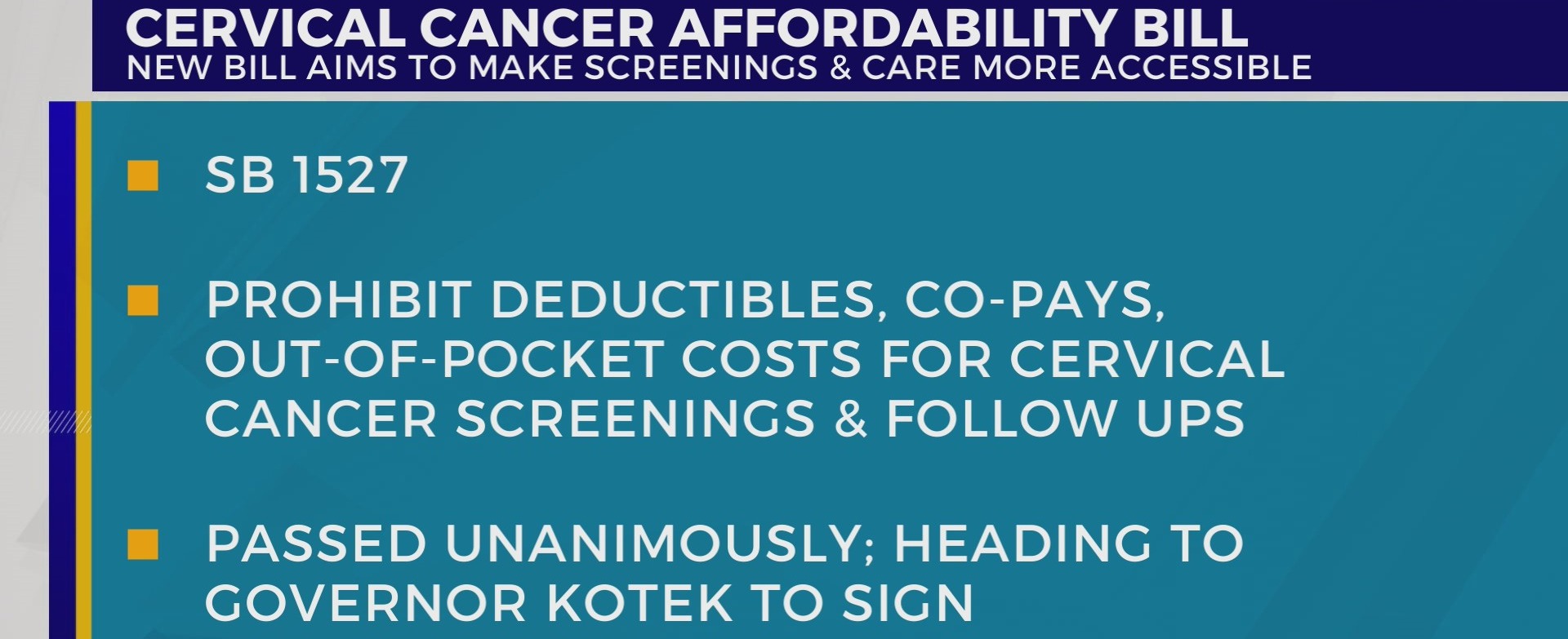
Oregon's Senate Bill 1527 represents a watershed moment in preventive healthcare policy that creates significant indirect opportunities for e-commerce sellers in the women's health and wellness categories. Approved unanimously by the Oregon House on February 26, 2026, and awaiting Governor Tina Kotek's signature, SB 1527 eliminates out-of-pocket costs for cervical cancer screenings and medically necessary follow-up diagnostics (colposcopies, biopsies) across private insurance, Public Employees Benefit Board, and Oregon Educators Benefit Board plans. This legislation removes the $750-$1,200 cost barrier that previously deterred 46.9% of women aged 25-44 from completing screening protocols—a critical insight for sellers targeting health-conscious female demographics.
The policy shift signals expanding consumer purchasing power in preventive wellness categories. By eliminating surprise medical bills and cost-sharing requirements, Oregon removes a major financial friction point that historically suppressed healthcare engagement among lower-income and high-deductible plan holders. This freed capital—potentially $300-500 annually per woman completing full screening protocols—redirects toward complementary wellness purchases: HPV vaccination education products, at-home health monitoring devices, women's health supplements, telehealth service subscriptions, and preventive care educational content. The legislation explicitly frames cervical cancer prevention as a public health priority combining vaccination, screening, and early intervention—creating a multi-product ecosystem opportunity.
Market expansion potential extends beyond Oregon's 4.2M residents to national precedent-setting. As the first U.S. state eliminating diagnostic cost barriers for cervical cancer care, Oregon establishes a policy template likely to influence other states' healthcare legislation. The 2023 Oregon breast exam cost-elimination law preceded this cervical cancer measure, suggesting a pattern of preventive care expansion. Nationally, 13,360 cervical cancer diagnoses occurred in 2024 (American Cancer Society data), with disproportionate impact on rural, lower-income, and communities of color populations—demographics increasingly active in cross-border e-commerce platforms. Sellers can position women's health products, preventive care guides, and wellness subscriptions toward these underserved segments as state-level healthcare reforms expand access and reduce financial barriers to health engagement.
Operational implications for sellers include audience targeting refinement and product category expansion. The legislation's emphasis on removing financial barriers to preventive care indicates growing consumer willingness to invest in health products when medical costs decrease. Sellers should monitor state-level healthcare policy changes as leading indicators of consumer spending pattern shifts. Oregon's policy creates a testable market for women's health product categories: HPV awareness educational materials, cervical health supplements, preventive care subscription boxes, telehealth platform partnerships, and health literacy content. The bipartisan passage and zero insurance company opposition signal sustainable policy momentum, reducing regulatory reversal risk for sellers building inventory around preventive health categories in Oregon and similar progressive healthcare markets.
Questions 8
How does SB 1527 compare to other state healthcare reforms affecting e-commerce?
Oregon's SB 1527 follows its 2023 breast exam cost-elimination law, establishing a pattern of preventive care expansion. Unlike treatment-focused healthcare policies, preventive care reforms directly increase consumer purchasing power for complementary wellness products by eliminating medical cost barriers. This differs from drug pricing reforms or insurance coverage expansions that may compress seller margins. SB 1527's focus on diagnostic cost elimination creates unique opportunities for sellers in education, prevention, and wellness categories. Sellers should track similar preventive care legislation in other states (California, New York, Massachusetts) as indicators of expanding women's health product markets.
What regulatory risks should sellers monitor regarding preventive care policies?
SB 1527 passed with bipartisan backing and zero insurance company opposition, indicating low regulatory reversal risk. However, sellers should monitor: (1) implementation timelines and insurance coverage definitions, (2) potential federal healthcare policy changes affecting state-level preventive care mandates, (3) insurance company reclassification of procedures from preventive to diagnostic categories, and (4) expansion or contraction of covered services. The 2023 Oregon breast exam law's successful implementation suggests sustainable policy momentum. Sellers should diversify product portfolios across multiple preventive care categories to mitigate risk from potential coverage definition changes.