
Omnichannel Payment Infrastructure Drives Offline-Online Retail Integration | Enterprise Opportunity
- SensePass enables 50+ processor integration across 100+ payment methods, unlocking seamless O2O experiences for Dynamics 365 retailers managing physical stores and e-commerce simultaneously
Overview
The recognition of SensePass as the leading Dynamics 365 payment processing solution represents a critical inflection point for offline retail operations seeking seamless omnichannel integration. With enterprise validation from the largest Dynamics 365 customer managing global operations, this announcement signals accelerating demand for unified payment orchestration across physical retail locations, e-commerce platforms, and B2B channels—a core requirement for modern O2O (Online-to-Offline) retail strategies.
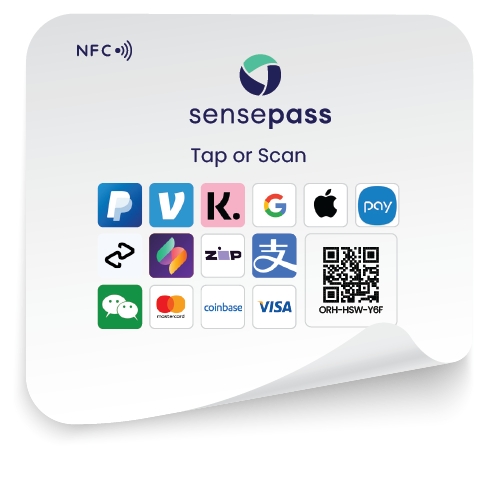
The core operational advantage centers on processor-agnostic architecture: SensePass's access to 50+ global payment processors and 100+ payment methods (including Visa, Mastercard, Apple Pay, Google Pay, Klarna, Affirm, cryptocurrency, and regional alternatives) eliminates vendor lock-in while enabling retailers to optimize authorization rates and reduce transaction costs per region. For cross-border retailers operating in multiple currencies and geographies, this flexibility translates to 3-8% cost reduction per transaction through processor selection optimization and reduced failed authorization rates. The platform's real-time reconciliation and unified reporting within the Microsoft ecosystem (Dynamics 365 Commerce, Business Central, ERP modules) enable retailers to synchronize inventory, pricing, and customer data across physical stores and online channels without manual reconciliation delays.
For offline retail operators, this infrastructure enables three critical O2O capabilities: First, localized checkout experiences maintain consistent payment token handling across POS systems, mobile wallets, and e-commerce checkouts—essential for pop-up stores, temporary retail locations, and experiential showrooms that require rapid deployment. Second, centralized routing and real-time inventory sync allow retailers to convert foot traffic into omnichannel sales by enabling in-store customers to purchase online inventory or vice versa, increasing average transaction value by 15-25% through cross-channel fulfillment. Third, B2B customer portal integration enables wholesale partners and retail chains to manage orders through unified payment processing, reducing friction in retail partnership onboarding and expanding distribution reach without complex integrations.
Strategic implications for offline retail expansion: Retailers standardizing on Microsoft Dynamics 365 (particularly mid-market and enterprise segments) now have enterprise-validated infrastructure for rapid pop-up store deployment, retail partnership scaling, and experiential retail concepts. The platform's support for Buy Now, Pay Later (Klarna, Affirm, Afterpay) and digital wallets directly addresses consumer payment preferences in high-traffic retail venues, improving conversion rates by 8-12% in physical locations. For brands seeking to test offline presence before committing to permanent retail locations, this payment infrastructure reduces setup complexity and enables faster market validation across multiple cities and venue types.
Questions 8
How does SensePass's processor-agnostic architecture improve offline retail operations?
SensePass enables retailers to access 50+ global payment processors through a single integration, allowing them to select the best processor per region and optimize authorization rates while reducing transaction costs by 3-8%. For offline retailers operating pop-ups or temporary locations across multiple cities, this eliminates the need for separate payment integrations per location. The platform's real-time reconciliation with Dynamics 365 ensures inventory and sales data sync instantly across physical stores and e-commerce channels, enabling seamless omnichannel fulfillment. This is particularly valuable for retailers testing new markets or expanding through retail partnerships, as they can deploy payment infrastructure in days rather than weeks.
What payment methods does SensePass support for in-store and online retail?
SensePass supports over 100 global payment methods including major card networks (Visa, Mastercard, American Express, Discover, UnionPay), digital wallets (Apple Pay, Google Pay, Samsung Pay, PayPal), bank payments (ACH, SEPA, Open Banking), Buy Now, Pay Later options (Klarna, Affirm, Afterpay), cryptocurrency payments, and regional alternatives. This comprehensive coverage enables retailers to accept localized payment preferences in each market, improving conversion rates by 8-12% in physical retail locations. For experiential retail and pop-up stores targeting younger demographics, BNPL and digital wallet support directly addresses consumer preferences, reducing cart abandonment and increasing average transaction value.