




Silent Predator: The Unstoppable Spread of Chronic Wasting Disease Across North American Ecosystems
- Wildlife Management Faces Unprecedented Challenge as Prion Disease Breaches New Geographical Boundaries





Overview
The emergence of Chronic Wasting Disease (CWD) represents a critical inflection point in North American wildlife management, revealing a complex ecological challenge that transcends traditional disease control strategies. Recent detections in multiple states and provinces paint a stark picture of an inexorable biological threat that is systematically expanding its geographical footprint.
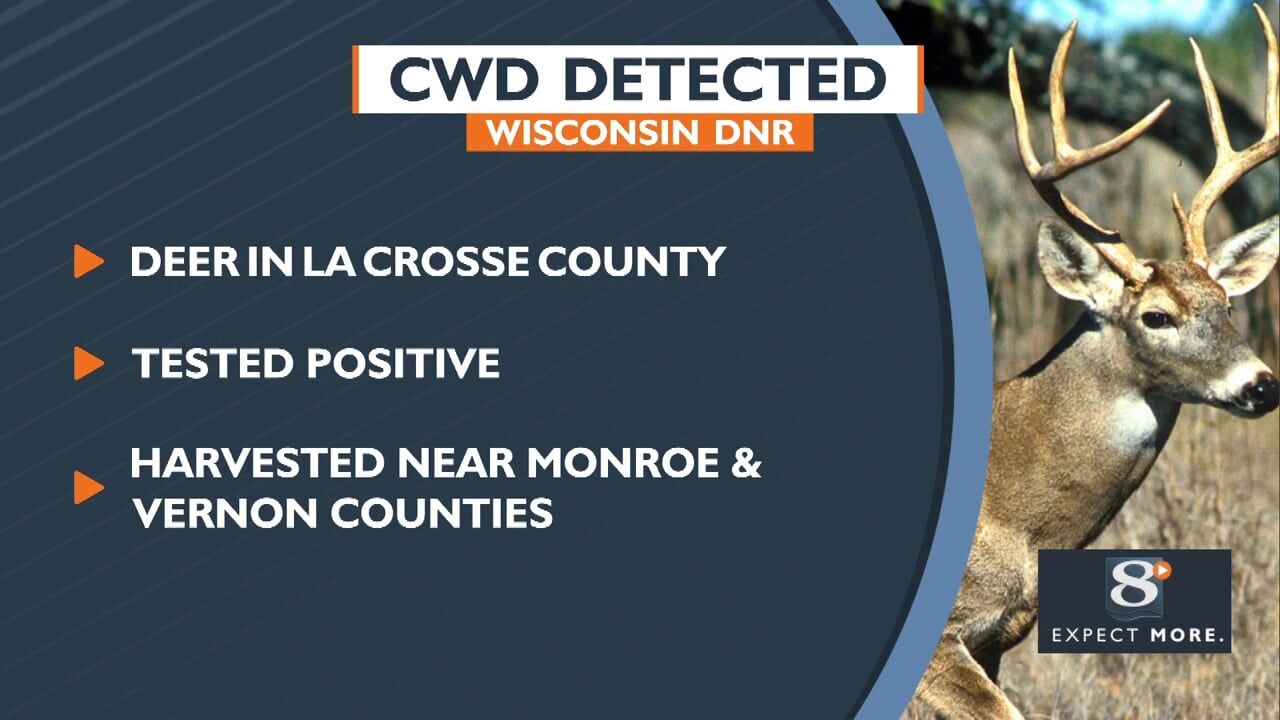
Wildlife agencies are confronting a disease with unprecedented characteristics: a 100% fatality rate, environmental persistence, and transmission mechanisms that defy conventional containment. The latest data points are alarming - CWD has now been documented in 36 U.S. states and four Canadian provinces, with recent cases emerging in previously unaffected regions like Arkansas, Wisconsin, and Manitoba. The Idaho Fish and Game department's extensive monitoring, which tested over 5,600 deer and elk samples in 2025, underscores the proactive yet potentially futile efforts to track this neurological menace.
The economic and ecological implications are profound. The deer farming industry, valued at $7.9 billion, faces potential systemic disruption. Local ecosystems are experiencing subtle but potentially catastrophic transformations as infected populations exhibit neurological deterioration, including confusion, walking difficulties, and rapid weight loss. Wildlife Manager Jana Ashling's observation that the disease's progression follows a "logical pattern" based on animal movement data suggests a deeply integrated biological strategy that human interventions struggle to interrupt.
Critically, while human transmission remains theoretical, the parallels with previous prion disease outbreaks like mad cow disease demand rigorous, preemptive research. The disease spreads through direct contact, bodily fluids, and environmental contamination - making traditional quarantine methods ineffective. Local wildlife management interventions, such as Wisconsin's baiting and feeding ban, represent stopgap measures in what increasingly appears to be a long-term ecological transformation.
The expanding geographical range of CWD signals more than a localized health crisis - it represents a fundamental challenge to our understanding of wildlife disease dynamics, ecosystem resilience, and the intricate balance between human management and natural biological processes.
Questions 4
How rapidly is Chronic Wasting Disease spreading across North America?
CWD has been documented in 36 U.S. states and four Canadian provinces, with recent cases in previously unaffected regions like Arkansas, Wisconsin, and Manitoba. The disease is expanding systematically, with wildlife agencies detecting new cases in multiple counties and provinces.
Is there a risk of CWD transmission to humans?
Currently, human transmission remains theoretical. However, researchers are drawing parallels with previous prion disease outbreaks like mad cow disease and continue to study potential transmission risks, emphasizing the need for ongoing research and vigilance.