


Vaccine Hesitancy Triggers Nationwide Measles Crisis: A Regulatory Compliance Breakdown
- Systemic Vaccination Policy Failures Expose Critical Public Health Vulnerabilities














Overview
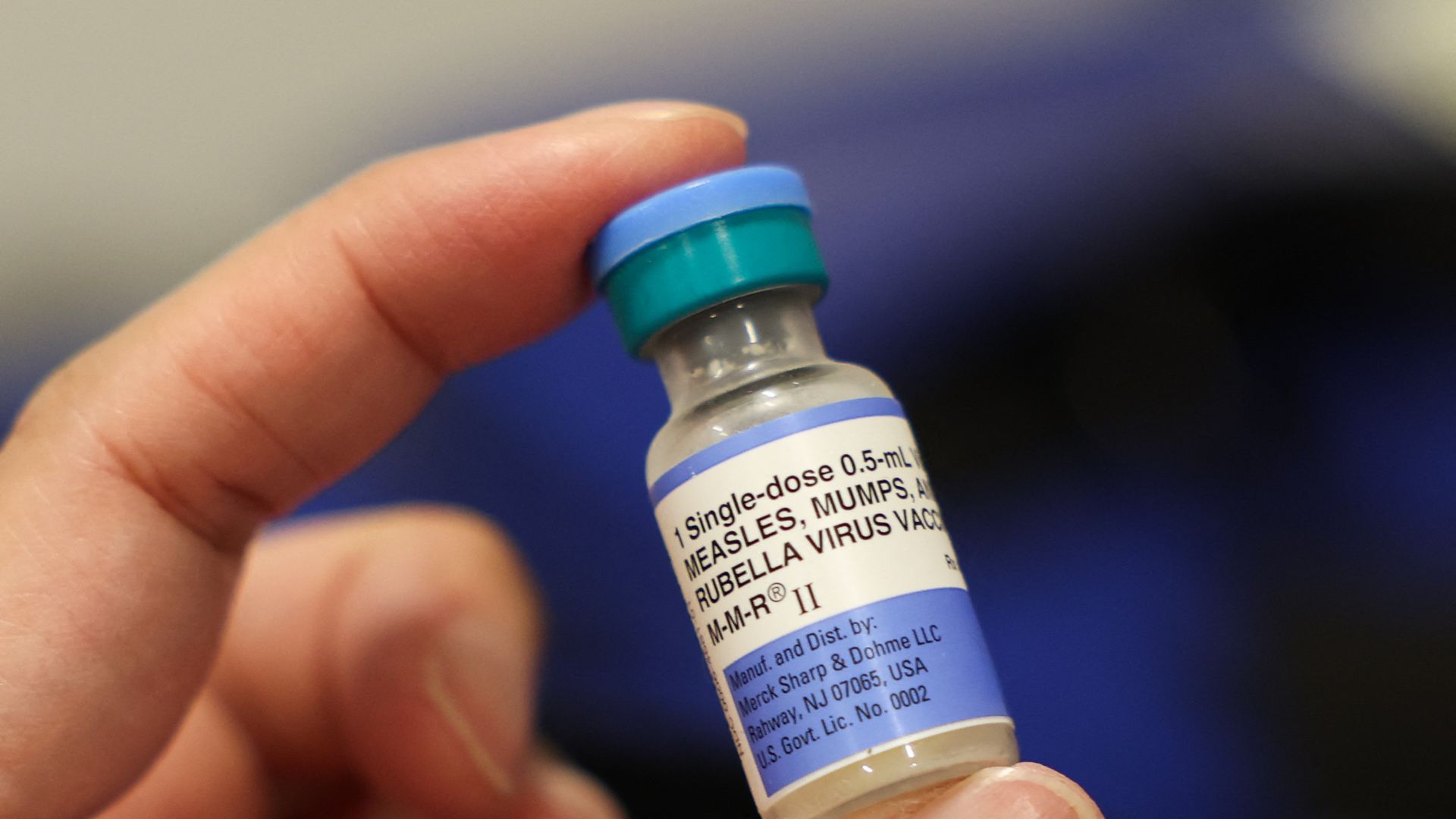
The United States stands at a critical public health crossroads as measles elimination status hangs in the balance, driven by a perfect storm of vaccine hesitancy and regulatory compliance failures. In 2025, the nation has witnessed an unprecedented surge to 2,012 measles cases—the highest in over three decades—with a staggering 93% of infections occurring among unvaccinated populations.
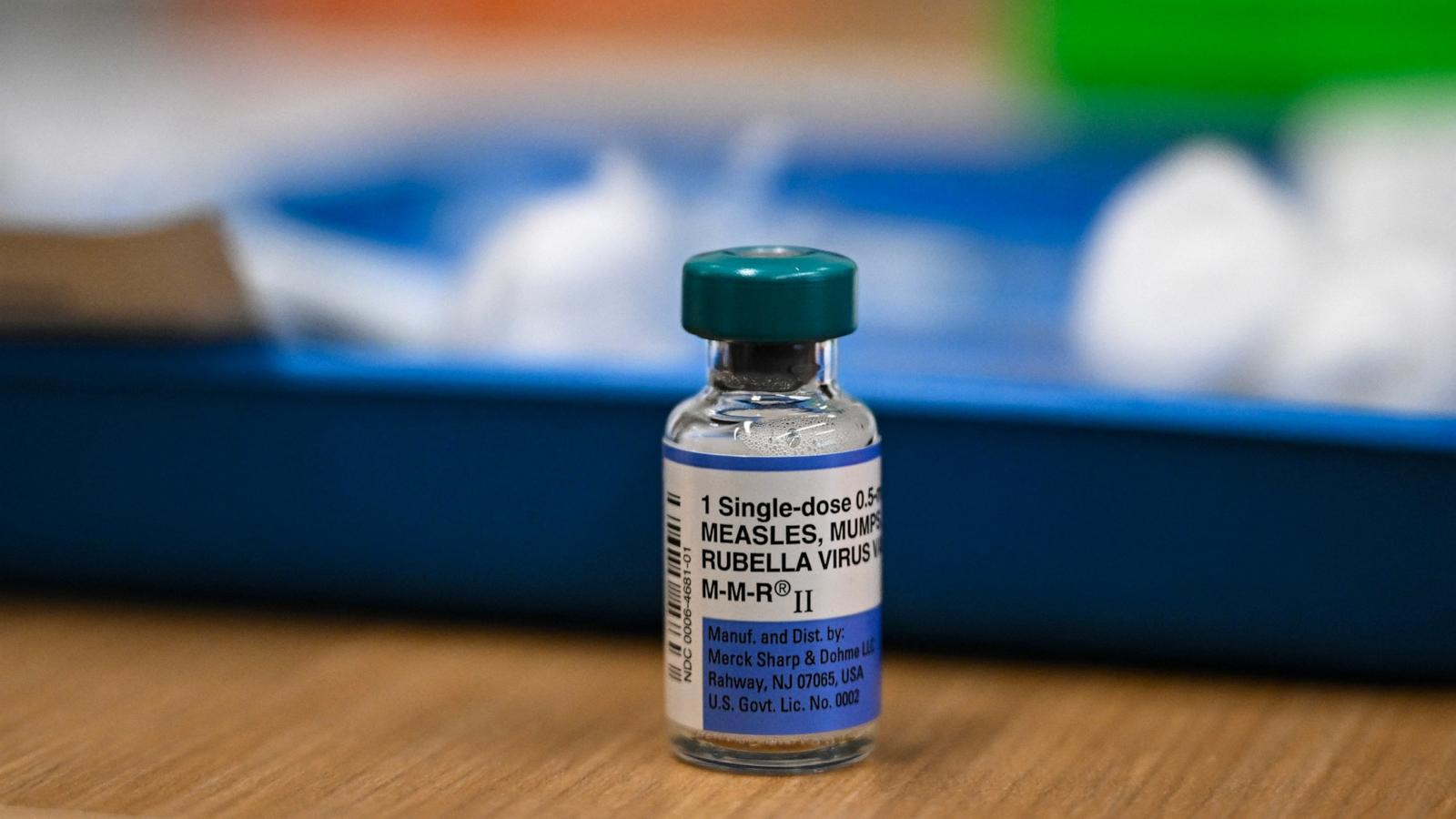
Regulatory compliance gaps are at the heart of this crisis. The CDC's data reveals a precipitous decline in kindergarten MMR vaccination rates, dropping from 95% in 2019-2020 to less than 93% in the 2024-25 school year. This seemingly small percentage shift represents a massive systemic vulnerability, falling critically below the 95% threshold required to prevent virus transmission.
The outbreak exposes multiple layers of compliance failure. State-level exemption policies have created significant loopholes, with jurisdictions like South Carolina allowing medical, religious, and temporary waivers that undermine comprehensive immunization strategies. The complex landscape of vaccine exemptions has effectively created regulatory blind spots that pathogens exploit.
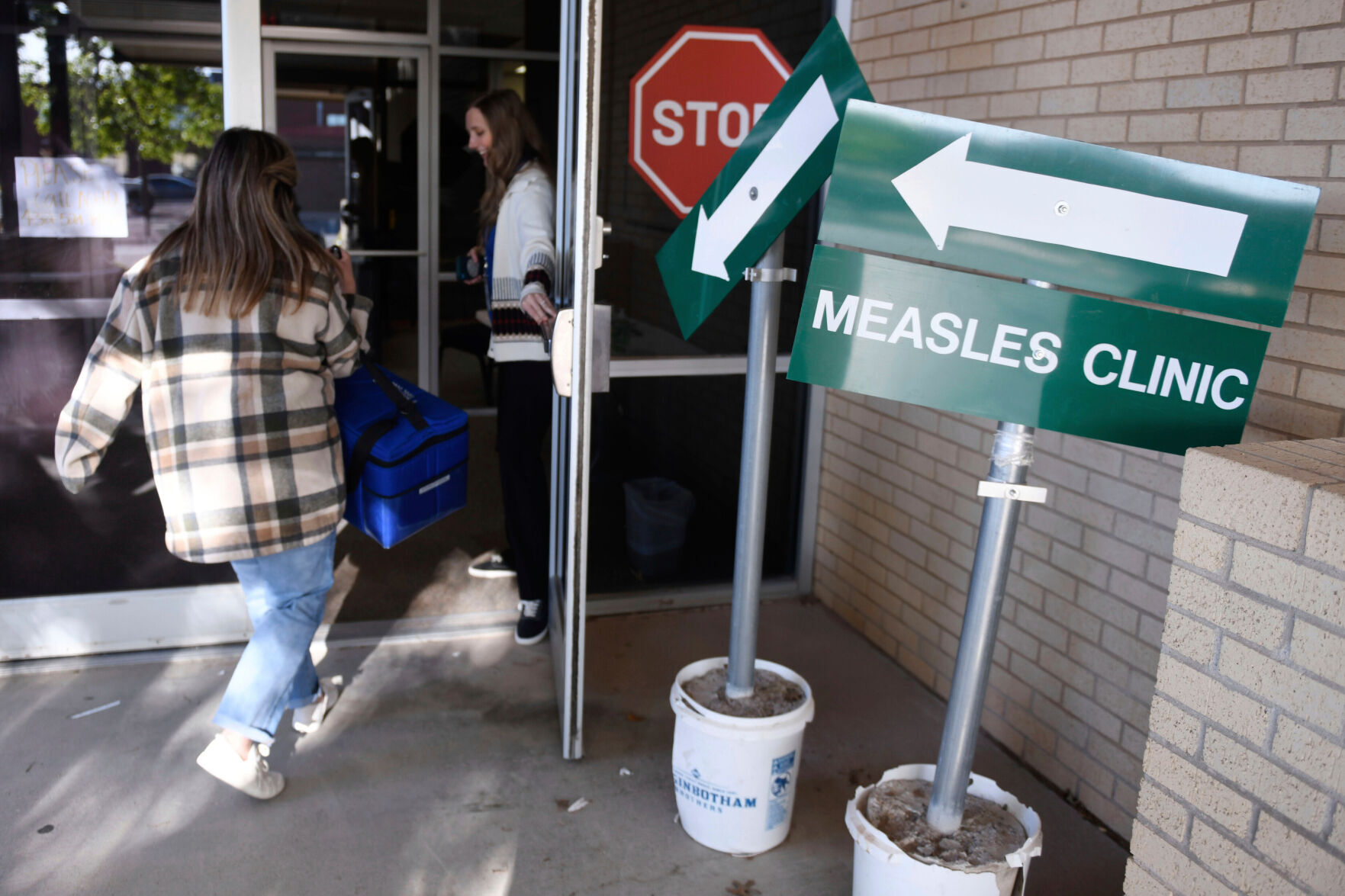
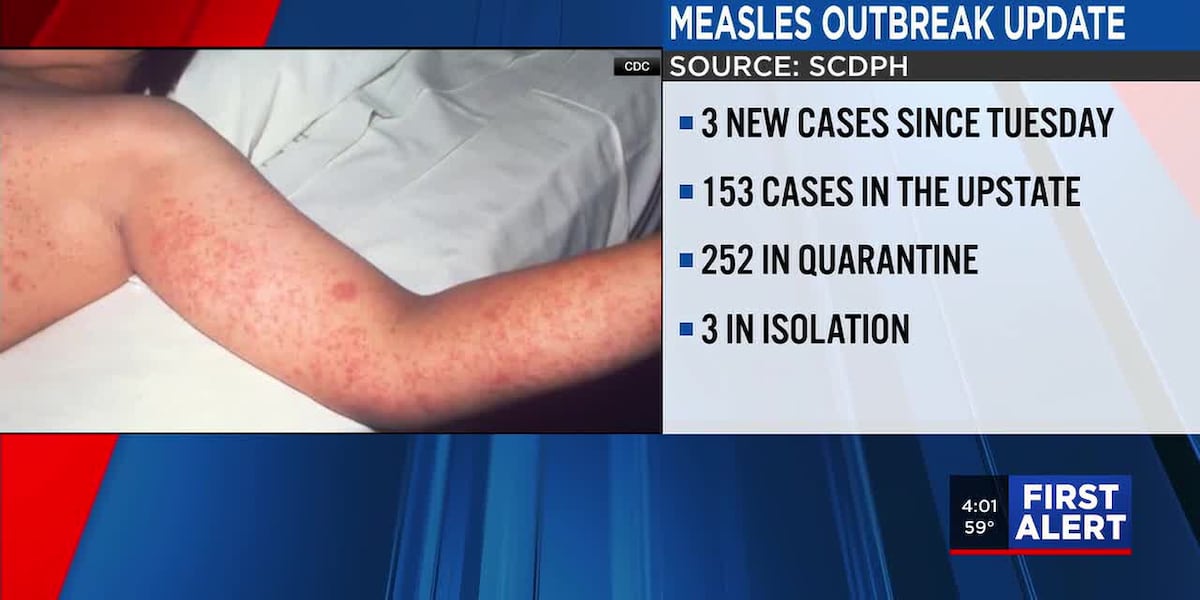
Geographically, the crisis is not uniform. Texas leads with 803 cases, followed by Arizona and South Carolina, highlighting regional disparities in public health infrastructure and vaccination compliance. The outbreak's transmission patterns—occurring in households, schools, and churches—underscore the need for a holistic, community-driven approach to immunization.
The potential consequences extend far beyond immediate health risks. With three confirmed deaths and 11% of patients requiring hospitalization, the economic and social costs of this outbreak could be substantial. Cross-border businesses and institutions must now navigate an increasingly complex landscape of potential travel restrictions, healthcare protocols, and operational disruptions.
Critically, the current crisis demonstrates that compliance is not just a bureaucratic checkbox, but a dynamic, interconnected system requiring constant vigilance, adaptive policymaking, and proactive public communication.
Questions 3
How can communities improve vaccination compliance?
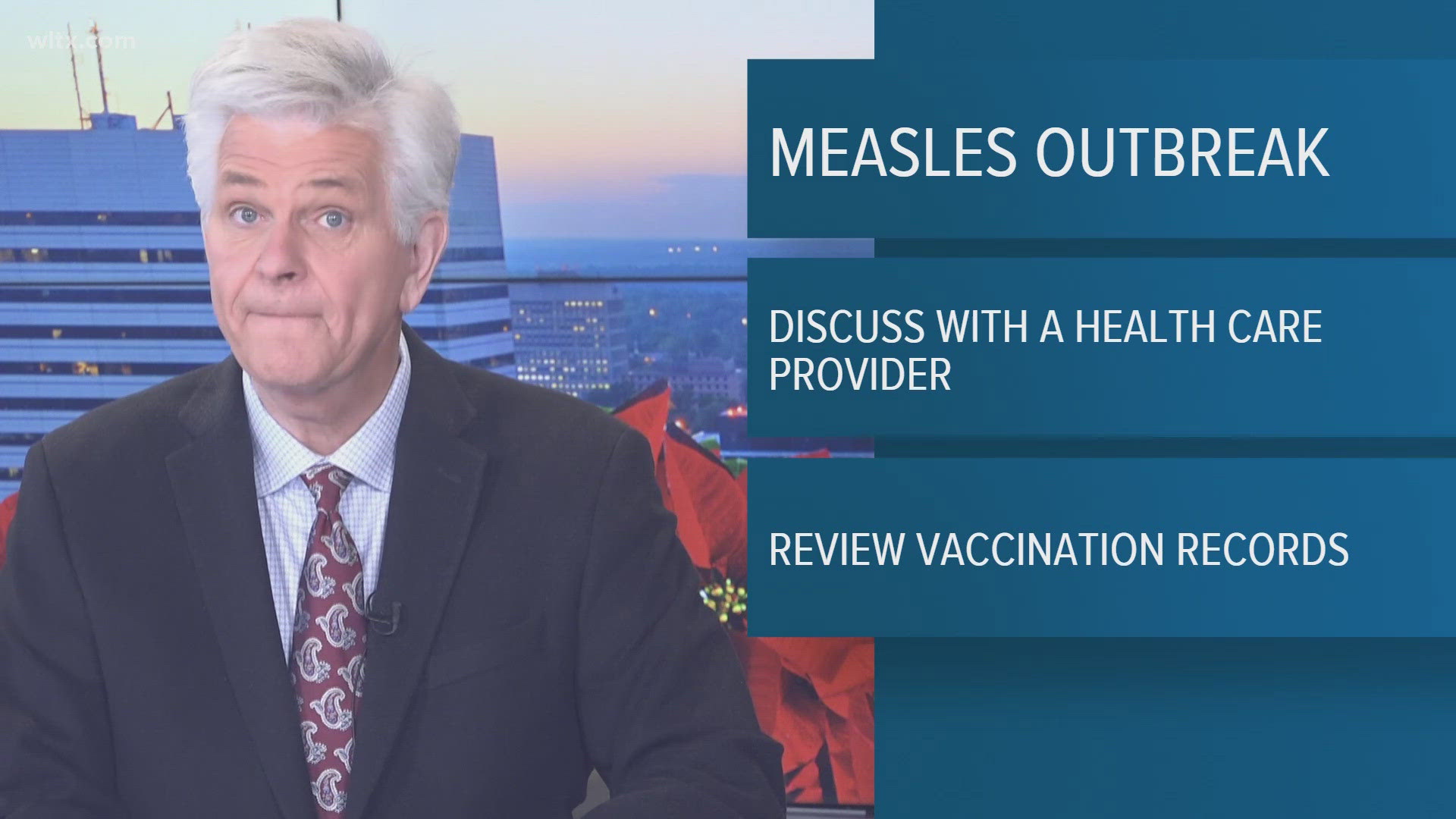
Strategies include tightening exemption policies, improving public health communication, addressing vaccine hesitancy through targeted education, and creating more robust community-level immunization tracking. The goal is maintaining vaccination rates above the critical 95% threshold needed to prevent disease transmission.
Why are vaccination rates declining despite known health risks?
Multiple factors contribute, including widespread misinformation, controversial public statements from leadership like Robert F. Kennedy Jr., and increasingly permissive state-level exemption policies. The CDC reports that kindergarten MMR vaccination rates have dropped from 95% to 92.7%, creating significant public health vulnerabilities.