



Cross-Border Transportation Vulnerability Exposed by Channel Tunnel Infrastructure Breakdown
- Critical Infrastructure Risks Threaten International Logistics and Passenger Mobility















)













Overview
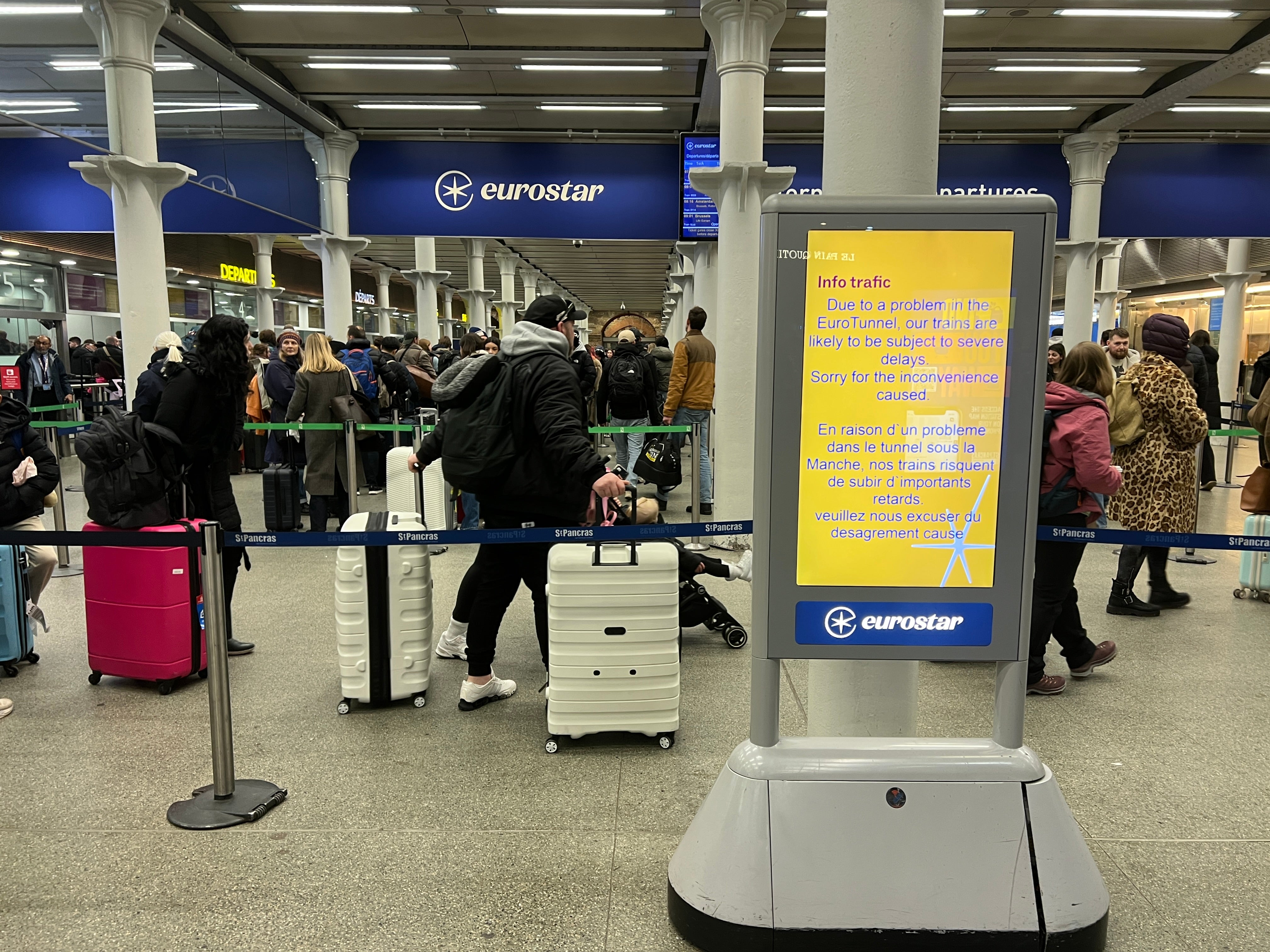
The Channel Tunnel power fault reveals profound vulnerabilities in cross-border transportation infrastructure that extend far beyond a single technical incident. On December 30, 2025, a 50-kilometer undersea power malfunction transformed a routine 90-minute journey into an 11-hour ordeal, exposing critical systemic weaknesses in international transit networks.
Infrastructure Resilience Challenges emerge as the core strategic concern. The technical failure—involving a fallen overhead power cable and complex train movement—demonstrates how a single point of failure can cascade into massive logistical disruptions. For cross-border transportation professionals, this incident signals an urgent need to reassess infrastructure redundancy and emergency response protocols.
Logistics and Supply Chain Implications are particularly significant. The power fault didn't just impact passenger travel; it underscored the fragility of critical transportation corridors connecting the United Kingdom and continental Europe. Eurotunnel's struggle to manage the incident reveals potential risks for businesses relying on seamless cross-channel logistics. Companies must now develop more robust contingency planning, potentially including:
- Diversifying transportation routes
- Implementing multi-modal backup systems
- Developing real-time communication protocols during infrastructure failures
The broader context suggests a systemic vulnerability in transnational transportation infrastructure. While Eurotunnel resolved the immediate power issue by December 31, 2025, the residual service disruptions highlight the complex challenges of maintaining critical international transit corridors. This event is not just a technical glitch, but a strategic wake-up call for logistics professionals to reimagine infrastructure resilience.
Strategic recommendations are clear: invest in redundant systems, develop agile response mechanisms, and treat infrastructure reliability as a core competitive advantage in international transportation networks.
Questions 3
How might this incident impact cross-border logistics strategies?
Logistics professionals will likely need to develop more robust contingency plans, including diversifying transportation routes, implementing multi-modal backup systems, and creating enhanced emergency communication protocols to mitigate similar infrastructure vulnerabilities.
What are the broader implications for international transportation infrastructure?
The incident exposes critical systemic weaknesses in transnational transportation networks, highlighting the need for increased infrastructure resilience, redundant systems, and more agile emergency response mechanisms across international transit corridors.