

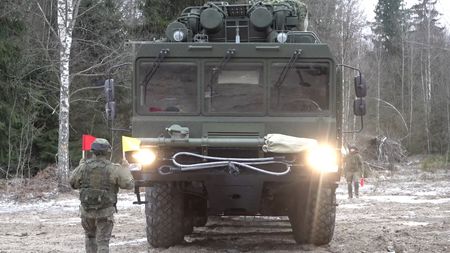
Nuclear Chess: Russia's Strategic Missile Deployment Reshapes European Security Landscape
- Hypersonic missile positioning signals a new era of geopolitical tension and deterrence strategy


Overview
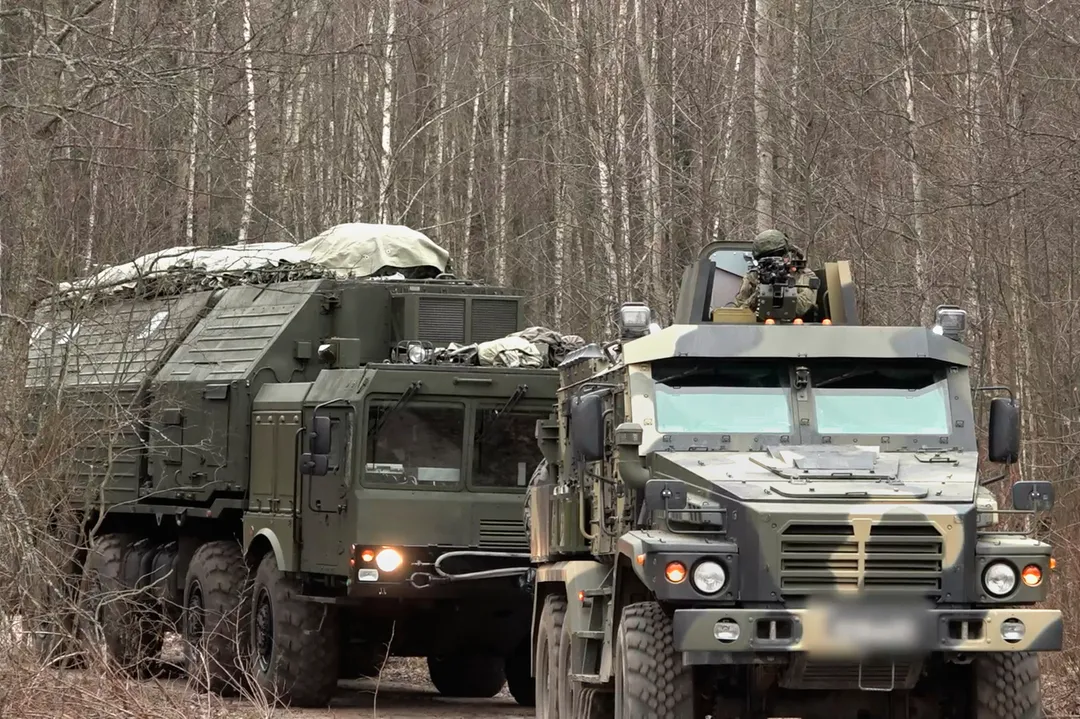
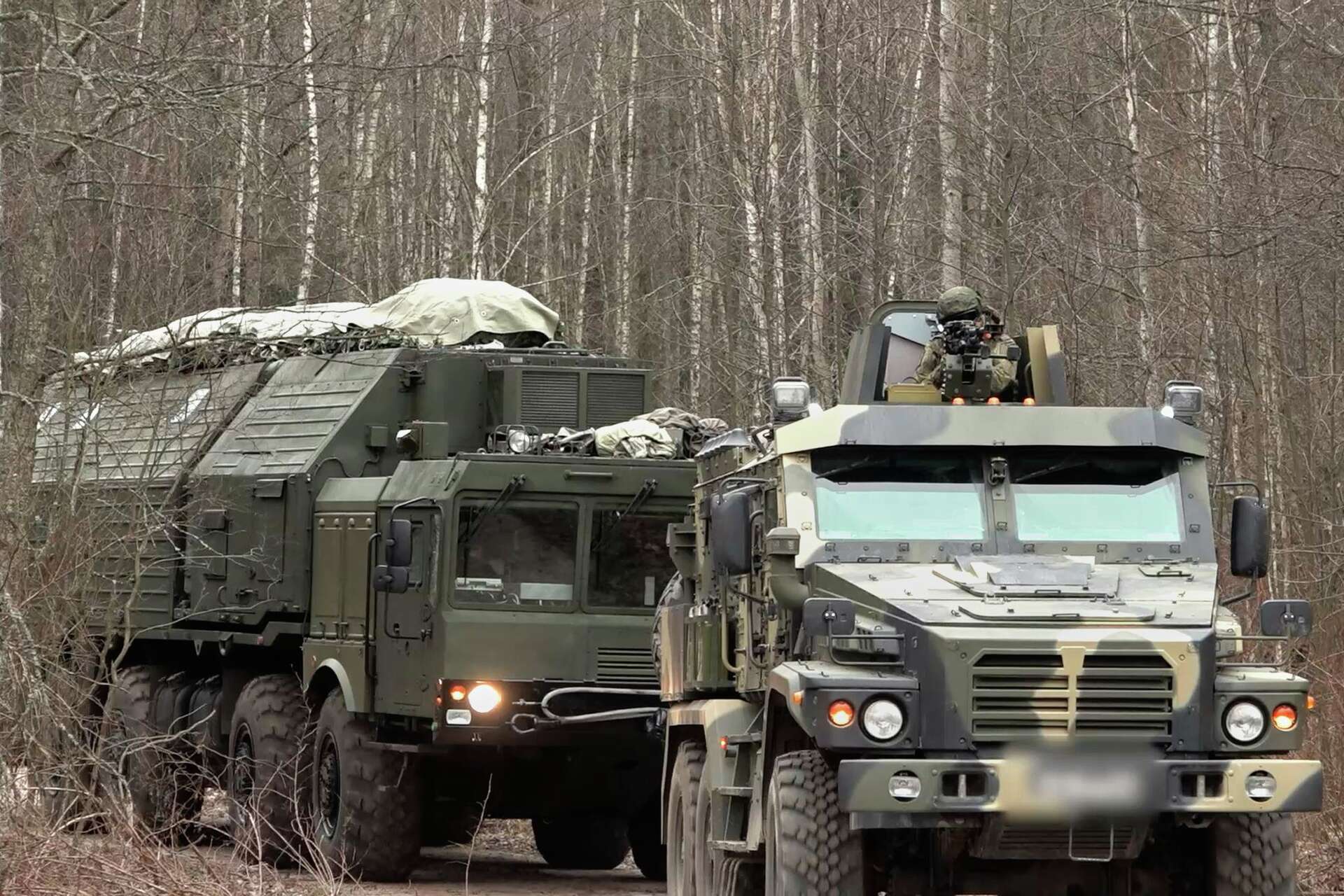
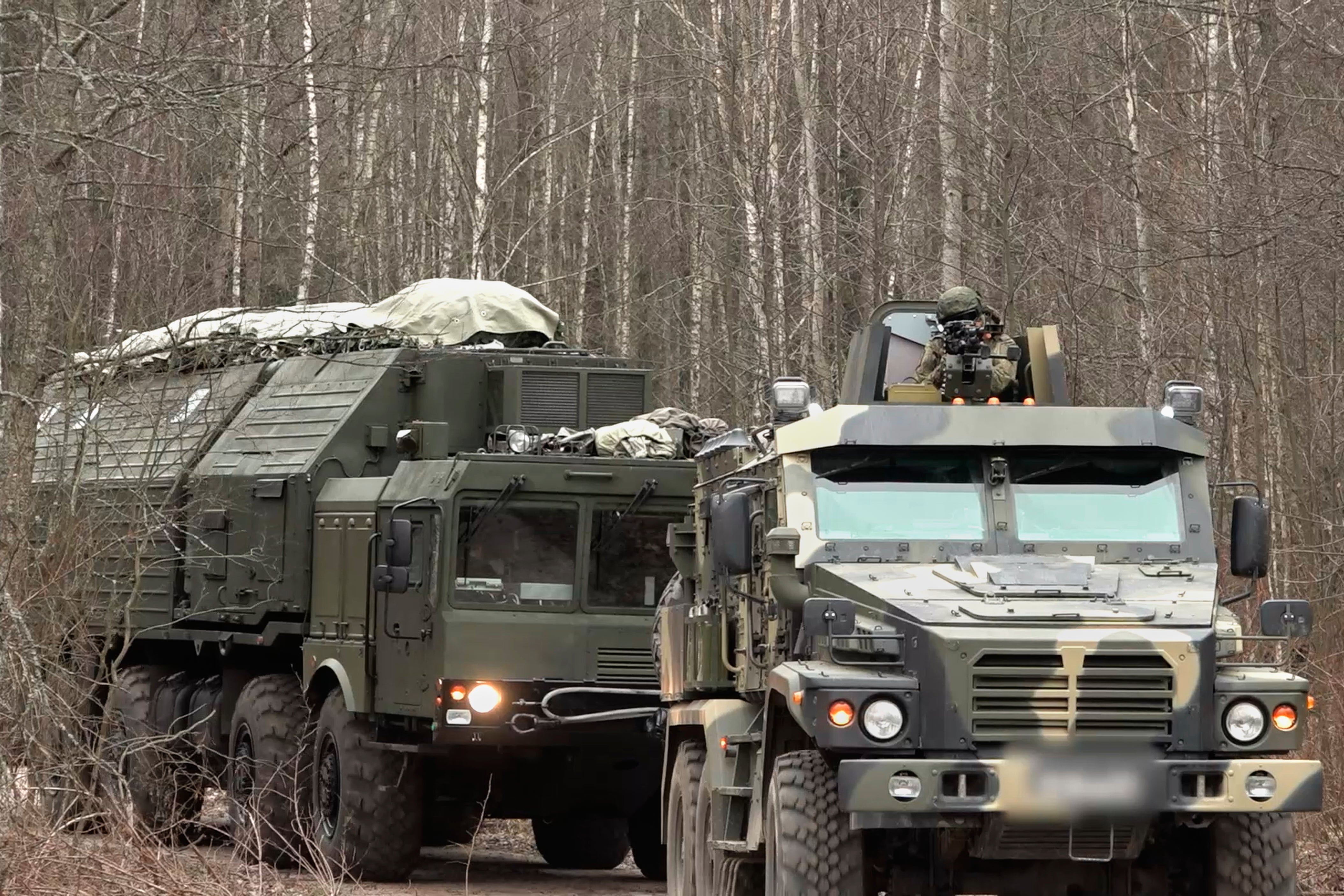
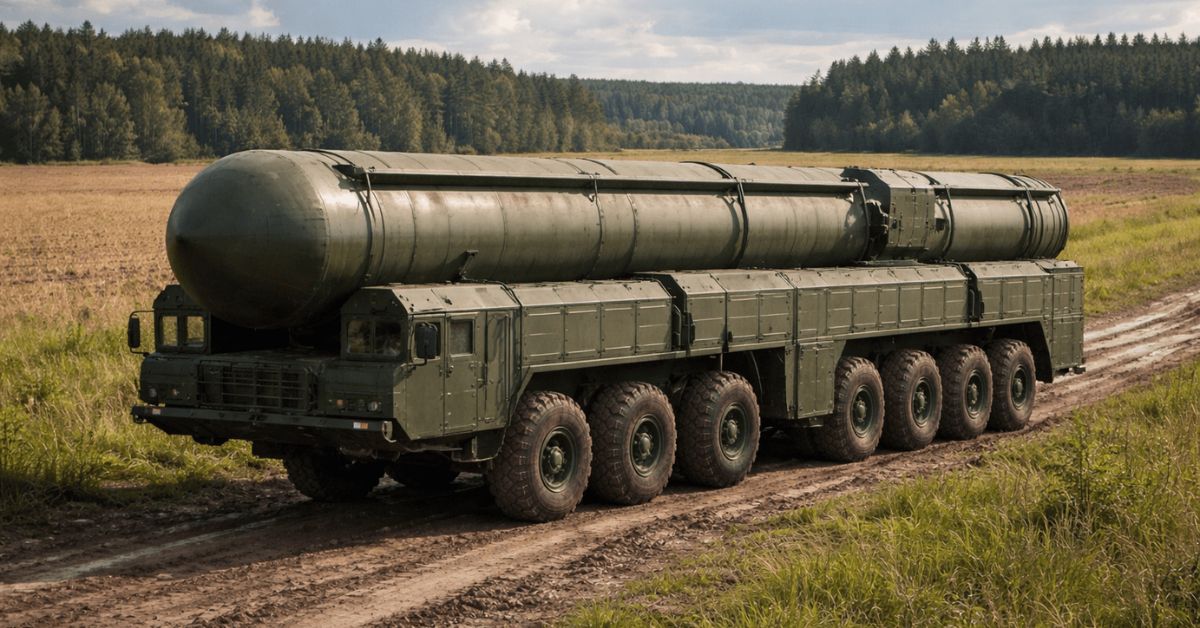
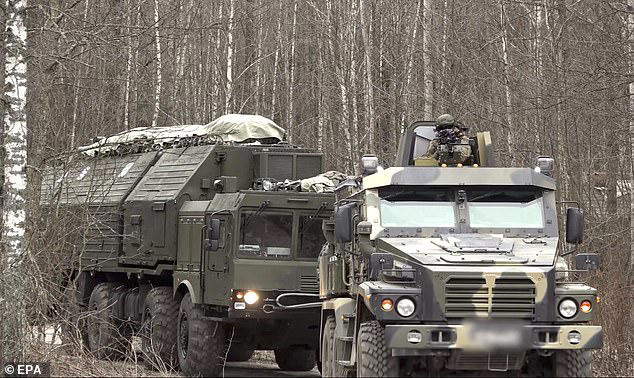
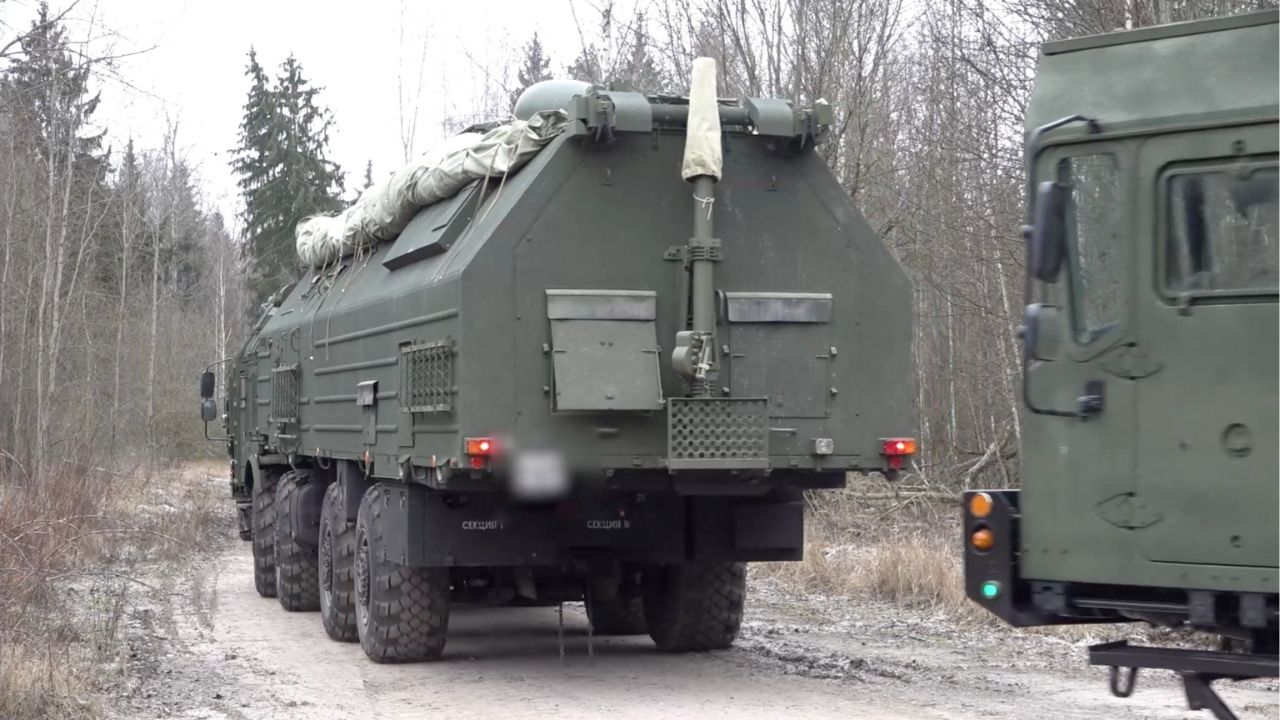
The deployment of Oreshnik hypersonic missiles in Belarus represents a pivotal moment in European geopolitical strategy, signaling a dramatic escalation of Russia's nuclear deterrence posture. President Vladimir Putin's strategic positioning of these missiles—capable of traveling over 10 times the speed of sound with a 5,500-kilometer range—creates a fundamental shift in the regional security calculus.
Strategic Provocation and Deterrence: The missile deployment is more than a military maneuver; it's a calculated geopolitical signal. By stationing these nuclear-capable systems in Belarus, Russia is effectively creating a forward-deployed nuclear threat that can rapidly target European locations. The limited deployment of a dozen missiles at the Krichev-6 airbase suggests a carefully calibrated approach—demonstrating capability without immediate full-scale escalation.
Geopolitical Implications: The move reveals a complex strategic calculus. German Chancellor Friedrich Merz's critical response highlights the growing uncertainty in European defense planning, particularly given potential shifts in US partnership dynamics. Belarus's willingness to host these missiles, despite not directly engaging in the Ukraine conflict, underscores the deepening Russia-Belarus military alignment.
Western Strategic Vulnerability: US researchers from the Middlebury Institute and CNA have confirmed the deployment, indicating these are not merely rhetorical threats. The missiles' claimed "impossible to intercept" status creates a significant strategic asymmetry. This positioning serves multiple objectives: deterring NATO support for Ukraine, demonstrating military technological superiority, and testing Western resolve.
The deployment represents a new paradigm of nuclear deterrence—where technological capability, strategic positioning, and psychological warfare intersect. It signals Russia's willingness to use geographical proximity and advanced missile technology as primary instruments of geopolitical pressure.
Critically, this move suggests a long-term strategy of creating strategic uncertainty. By positioning these missiles in Belarus, Russia introduces a persistent threat that fundamentally alters the risk calculations for European defense planners. The message is clear: traditional deterrence models are being dramatically reshaped by technological innovation and geopolitical opportunism.
Questions 4
What are the broader geopolitical implications of this deployment?
The missile deployment signals a new paradigm of nuclear deterrence, where technological capability and strategic positioning become primary instruments of geopolitical pressure. It creates persistent strategic uncertainty and challenges existing NATO defense calculations.
Why is Belarus allowing these missile deployments?
Belarus is positioning itself as a strategic ally to Russia, allowing missile deployments as a response to what they perceive as 'aggressive Western actions'. This deepens the military cooperation between Russia and Belarus while creating a forward-deployed nuclear threat against European nations.