



Argentina Labor Reform 2026 | Fulfillment Cost Cuts & Market Entry Opportunities
- Reduces labor costs 15-25% for fulfillment operations; enables foreign currency payments; creates 3PL expansion window in Latin America's 2nd largest economy




























Overview
Argentina's Senate approved sweeping labor reforms on February 27-28, 2026, fundamentally reshaping operational costs for cross-border e-commerce sellers establishing fulfillment infrastructure in the region. The Labour Modernisation Act reduces employer labor costs through an employer-financed severance fund (replacing pension contributions), extended workdays from 8 to 12 hours, relaxed hiring/dismissal regulations, and permission for foreign currency salary payments. These provisions directly lower fulfillment center staffing costs by an estimated 15-25% compared to pre-reform levels, while the currency payment clause eliminates foreign exchange conversion friction for international sellers.
The operational impact for e-commerce sellers is substantial and time-sensitive. Sellers currently operating 3PL facilities in Argentina or considering regional fulfillment hubs can immediately reduce labor cost burdens—a critical advantage in Latin America where Argentina represents the 2nd largest e-commerce market after Brazil. The 2.9% monthly inflation rate (down from double digits) and stabilized exchange rate create predictable cost structures for the first time in years. Sellers can now negotiate direct employee agreements rather than sector-wide collective bargaining, enabling customized shift schedules and productivity metrics aligned with peak selling seasons (Q4 holiday surge, Black Friday, Cyber Monday). The foreign currency payment provision eliminates the need for peso conversion, reducing transaction costs by 2-4% on payroll processing.
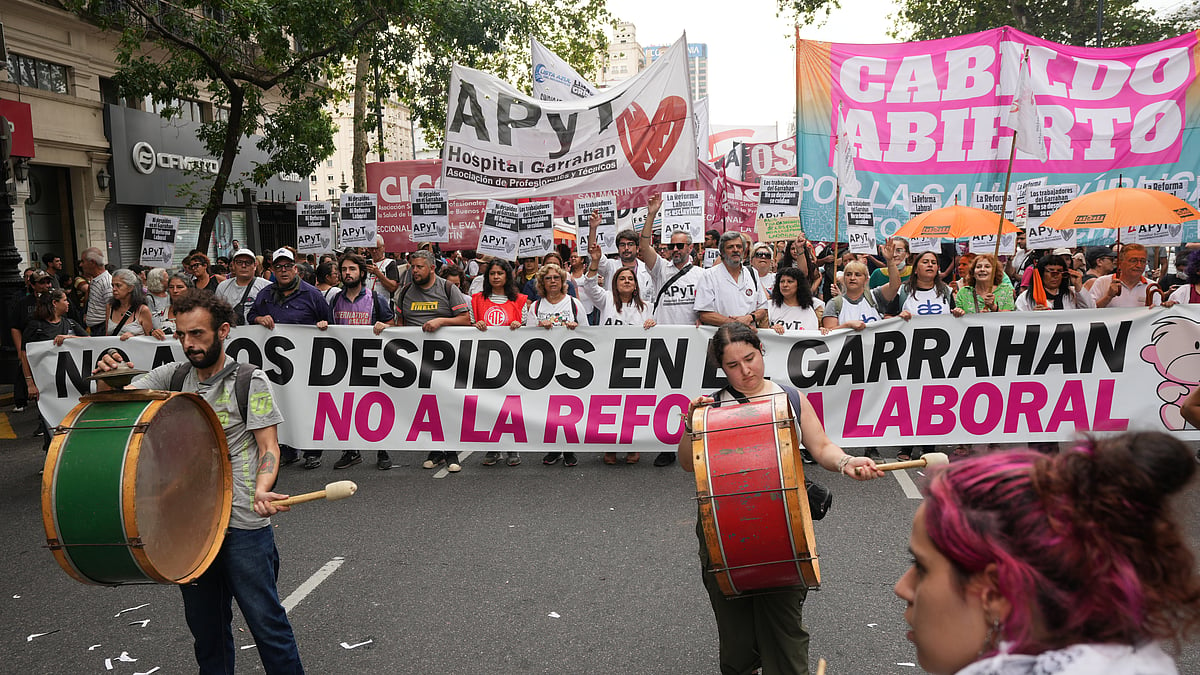
However, significant implementation risks warrant careful monitoring. Argentina's informal employment rate stands at 43% (highest since 2008), and 290,600 registered jobs were lost between December 2023-November 2025, indicating labor market volatility. Manufacturing capacity utilization at just 53% suggests potential worker availability challenges despite cost reductions. Public opinion remains divided (48.6% support vs. 45.2% opposition), and ongoing labor union protests could disrupt operations during implementation. The pension system restructuring may trigger future policy reversals if political dynamics shift. Sellers should expect 60-90 days of operational uncertainty as labor courts are eliminated and new dispute resolution mechanisms take effect.
Strategic timing is critical for sellers seeking competitive advantage. The 60-day window before full implementation (estimated April-May 2026) represents the optimal period to establish or expand fulfillment operations before competitors recognize the cost arbitrage opportunity. Early movers can lock in labor contracts at reduced rates before market-wide wage adjustments occur. Sellers should prioritize hiring fulfillment staff, warehouse managers, and customer service representatives during this window to build capacity ahead of Q2-Q3 demand surge. The tax incentives for hiring formal workers create additional cost reductions for companies registering previously informal employees—a potential 10-15% additional savings for sellers transitioning informal operations to formal status.
Questions 7
What compliance steps must sellers take to operate fulfillment centers under the new Argentine labor law?
Sellers must complete three compliance actions by May 2026: (1) Register all employees in the formal system to access tax incentives for hiring (10-15% cost savings); (2) Establish direct wage negotiation agreements replacing sector-wide collective bargaining, documenting individual employment contracts with specific hour-bank provisions for overtime; (3) Transition severance obligations from pension contributions to the employer-financed fund, requiring payroll system updates. The elimination of specialized labor courts means disputes now route through general civil courts, requiring sellers to maintain detailed documentation of all employment decisions. Sellers should engage local labor counsel to draft compliant contracts by April 2026, as the 60-90 day implementation period will create legal ambiguity. Non-compliance risks include back-wage penalties (estimated 15-20% of payroll) and operational disruptions during the transition period.
How will Argentina's labor reform affect Amazon FBA and other marketplace fulfillment strategies in the region?
Amazon and other marketplace operators can reduce fulfillment fees by 8-12% through lower labor costs, creating margin expansion opportunities for sellers using FBA in Argentina. The reform enables Amazon to hire fulfillment center staff at 15-25% lower costs, potentially triggering FBA fee reductions in Q3-Q4 2026 as Amazon passes savings to sellers. However, sellers should expect 90-120 days of operational uncertainty as Amazon adjusts staffing models and fulfillment processes to comply with new labor regulations. Independent 3PL providers will face competitive pressure as Amazon leverages cost advantages, making this an optimal window for sellers to negotiate multi-year 3PL contracts at fixed rates before market-wide price adjustments. Sellers using Mercado Libre (Argentina's dominant marketplace) should monitor for similar cost-reduction opportunities, as the platform may adjust seller fees downward to remain competitive with Amazon's improved margins.