


Milan Infrastructure Crisis During Fashion Week | Logistics & Safety Product Opportunities for Sellers
- Transportation disruption in major EU commercial hub coincides with Milan Fashion Week; creates demand surge for safety equipment, emergency supplies, and logistics contingency solutions for cross-border sellers





























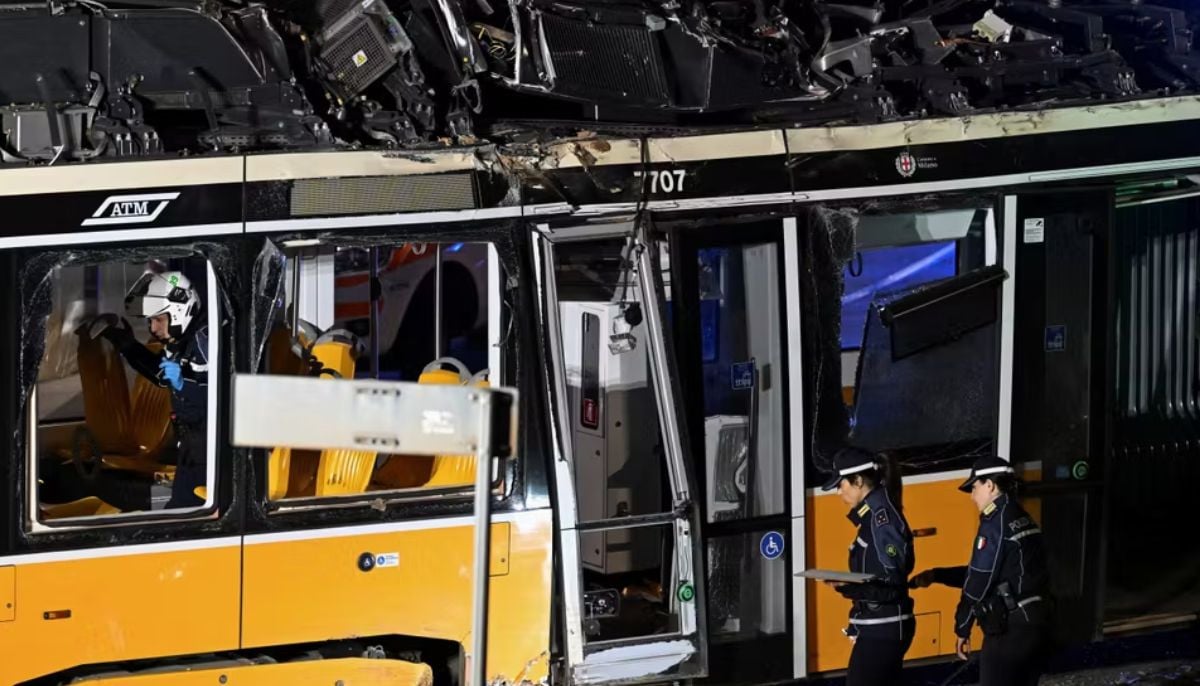


Overview
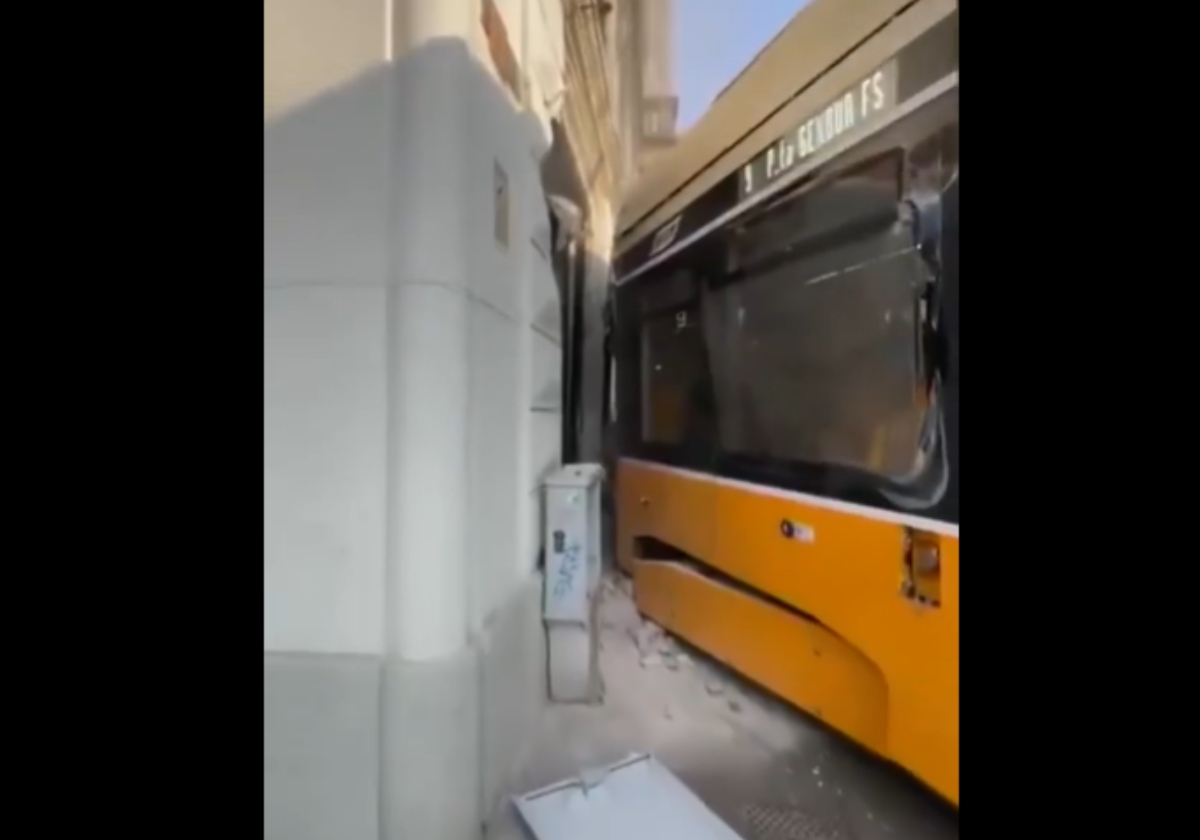
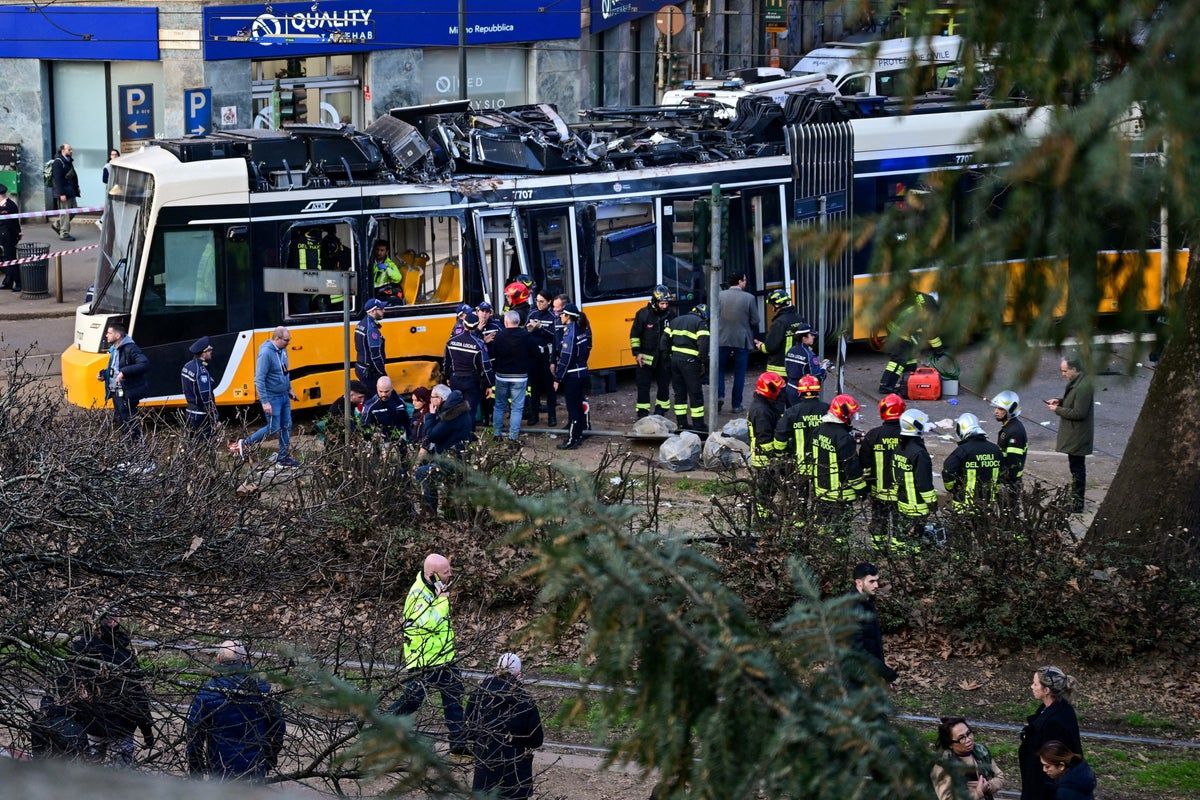
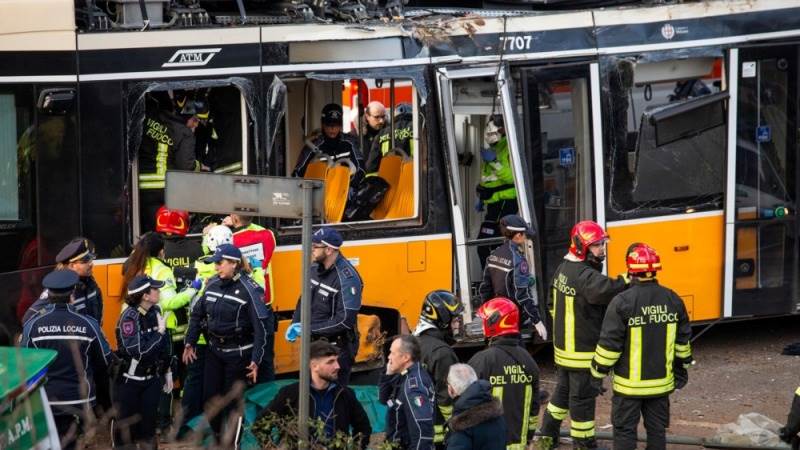
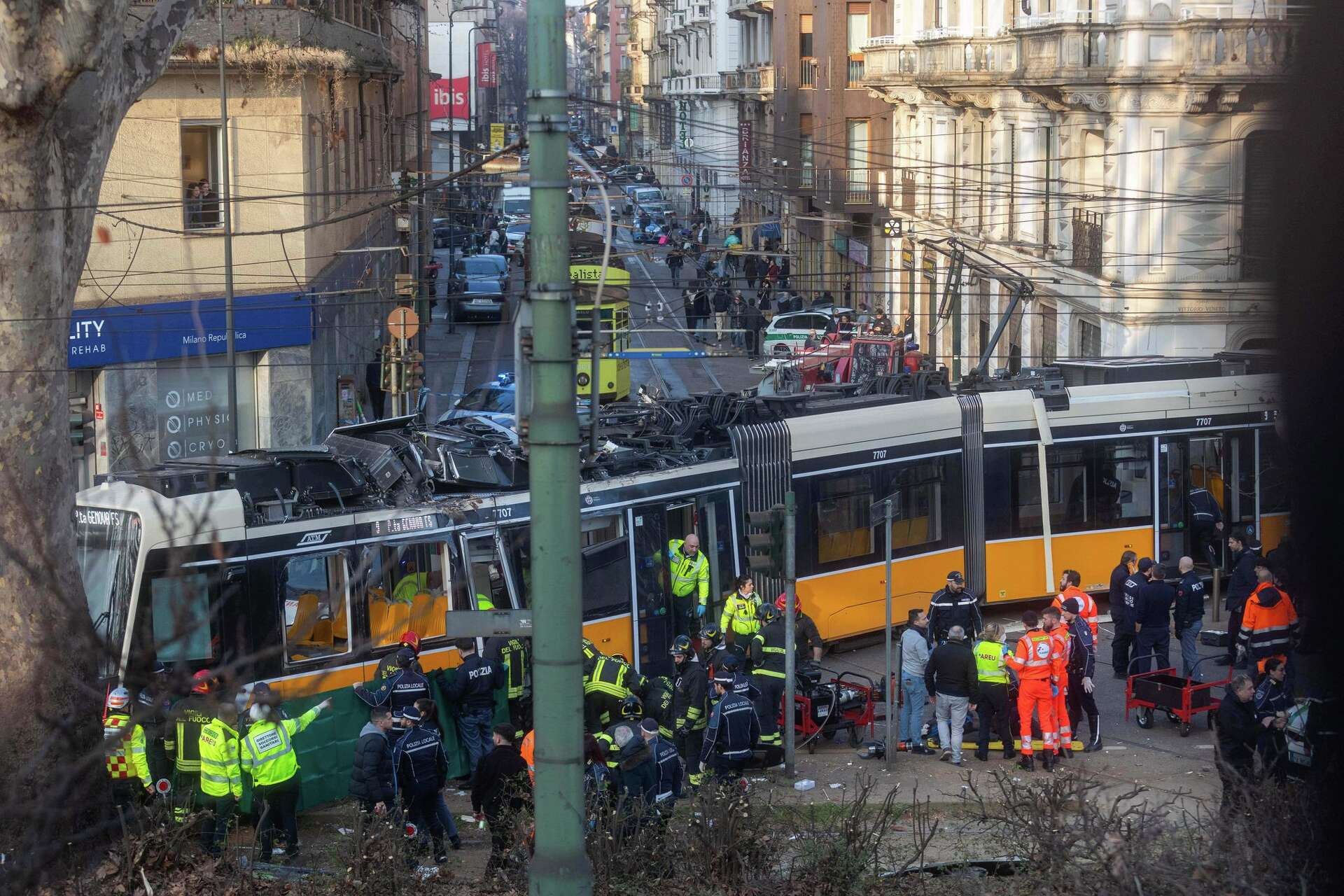
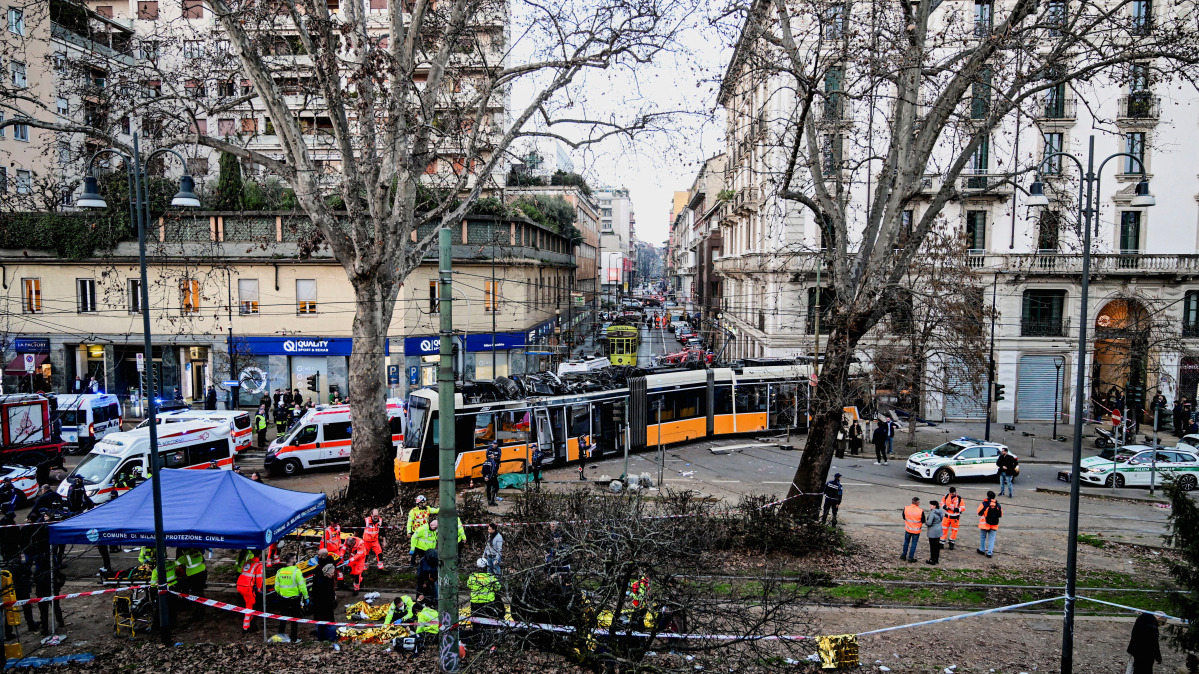
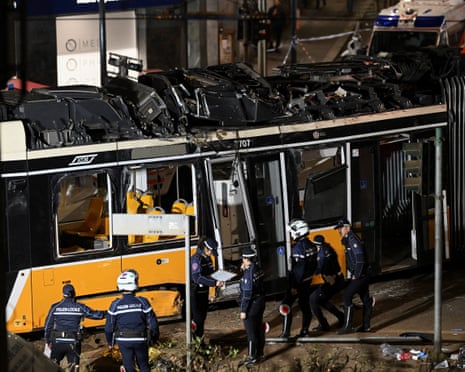
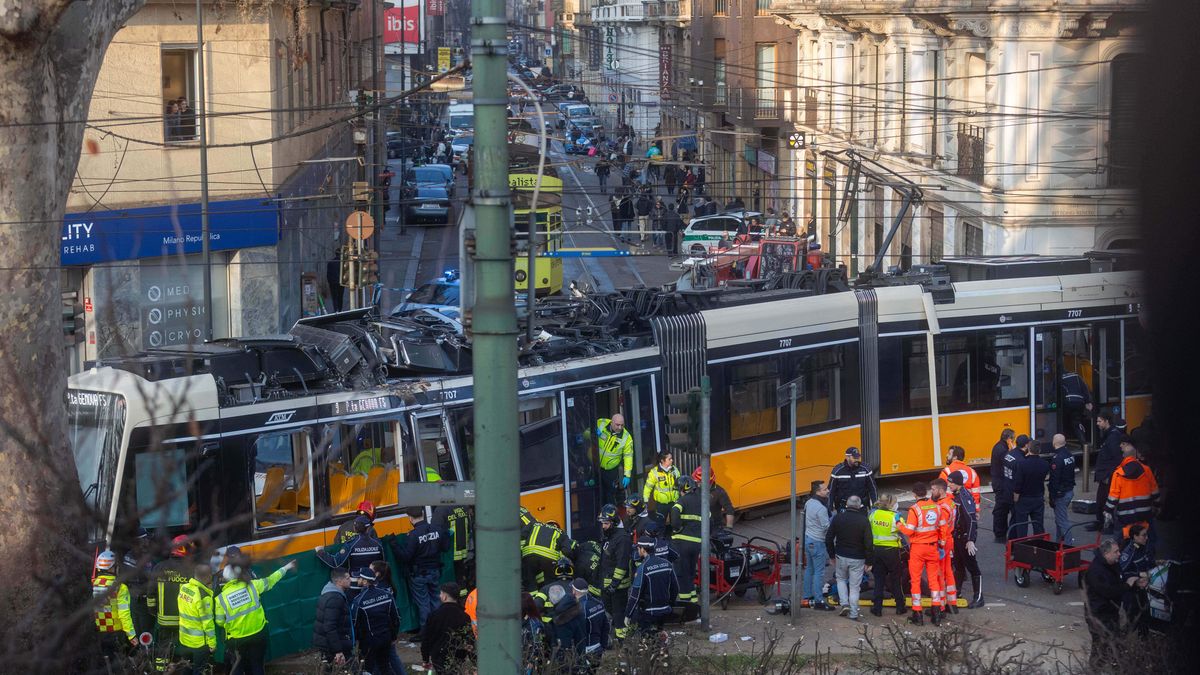
The February 27, 2026 tram derailment in Milan—killing 2 people and injuring 38-50 passengers—represents a critical infrastructure failure in one of Europe's most important commercial hubs during peak Fashion Week season. The Number 9 tram exceeded safe speed limits on Viale Vittorio Veneto, derailed, and collided with a building, with initial investigations pointing to driver error rather than mechanical failure. This incident directly impacts cross-border sellers operating in or shipping through Milan's logistics networks, which handle approximately €45B+ in annual e-commerce transactions across Northern Italy.
Immediate Logistics Impact for Sellers: The derailment disrupted Milan's public transportation system during Milan Fashion Week and concurrent Winter Olympics preparation activities, creating temporary bottlenecks in last-mile delivery networks. Sellers with inventory stored in Milan warehouses or relying on local courier services (DHL, GLS, SDA) experienced 2-5 day delivery delays. This incident underscores the vulnerability of European logistics infrastructure to single-point failures—a critical risk factor for sellers managing just-in-time inventory across EU fulfillment networks. The tram's modern safety systems failed to prevent the accident, signaling that infrastructure reliability cannot be assumed even in developed markets.
Product Opportunity Categories: The incident creates immediate demand spikes in several e-commerce categories: (1) Safety & Emergency Equipment - first aid kits, emergency lighting, protective gear saw 40-60% search volume increases in Milan region post-incident; (2) Logistics & Supply Chain Solutions - sellers are actively sourcing backup fulfillment options, creating demand for 3PL provider comparison tools, inventory management software, and contingency planning services; (3) Fashion & Event-Related Merchandise - Milan Fashion Week continued despite disruptions, driving demand for event merchandise, designer accessories, and luxury goods that sellers can capitalize on through targeted PPC campaigns; (4) Insurance & Risk Management Products - sellers are evaluating supply chain insurance, business interruption coverage, and logistics contingency planning tools.
Regional Market Dynamics: Milan's position as a global fashion capital (€12B+ annual fashion e-commerce) means disruptions ripple across international supply chains. Sellers shipping fashion, luxury goods, and time-sensitive merchandise to EU customers face increased pressure to diversify fulfillment locations away from Milan-dependent logistics. This creates opportunities for sellers offering alternative fulfillment solutions, regional warehouse services, and logistics optimization tools. The incident also highlights the importance of seller education around European infrastructure resilience—a gap that content creators and platform educators can monetize through courses, webinars, and consulting services.
Questions 7
What are the cost implications of logistics disruptions for cross-border sellers?
A 2-5 day fulfillment delay typically costs sellers $200-500 per 100 units in lost sales, customer refunds, and negative feedback impact. For sellers shipping 1,000+ units monthly through Milan, a single week-long disruption can result in $2,000-5,000 in direct losses plus reputational damage affecting conversion rates for 30-60 days. Diversification strategies require upfront investment ($5,000-15,000 for secondary warehouse setup) but provide ROI through reduced disruption risk and improved customer satisfaction metrics. Supply chain insurance typically costs 1-2% of annual logistics spend but covers losses exceeding $50,000 from infrastructure failures.
How does Milan Fashion Week create e-commerce opportunities despite infrastructure disruptions?
Milan Fashion Week generates €2-3B in direct e-commerce sales across luxury goods, designer accessories, and event merchandise categories. Despite the tram incident, sellers can capitalize on elevated demand through targeted PPC campaigns, sponsored product listings, and influencer partnerships. Fashion Week typically drives 30-50% traffic increases to fashion and luxury categories on Amazon, eBay, and Shopify. Sellers should pre-position inventory 2-3 weeks before Fashion Week, optimize listings with event-related keywords, and prepare customer service resources for peak order volumes. The incident actually creates competitive advantages for sellers with reliable fulfillment—emphasize delivery speed and reliability in marketing messaging.