
)



Canada-India FTA & Asia-Pacific Trade Pivot | Tariff Arbitrage Opportunities for Cross-Border Sellers
- Opens 15-year stalled trade agreement creating tariff reduction windows; India faces ~50 US tariffs creating sourcing diversification urgency; Canadian sellers gain preferential access to 1.4B consumer market by Q3 2026





)











Overview
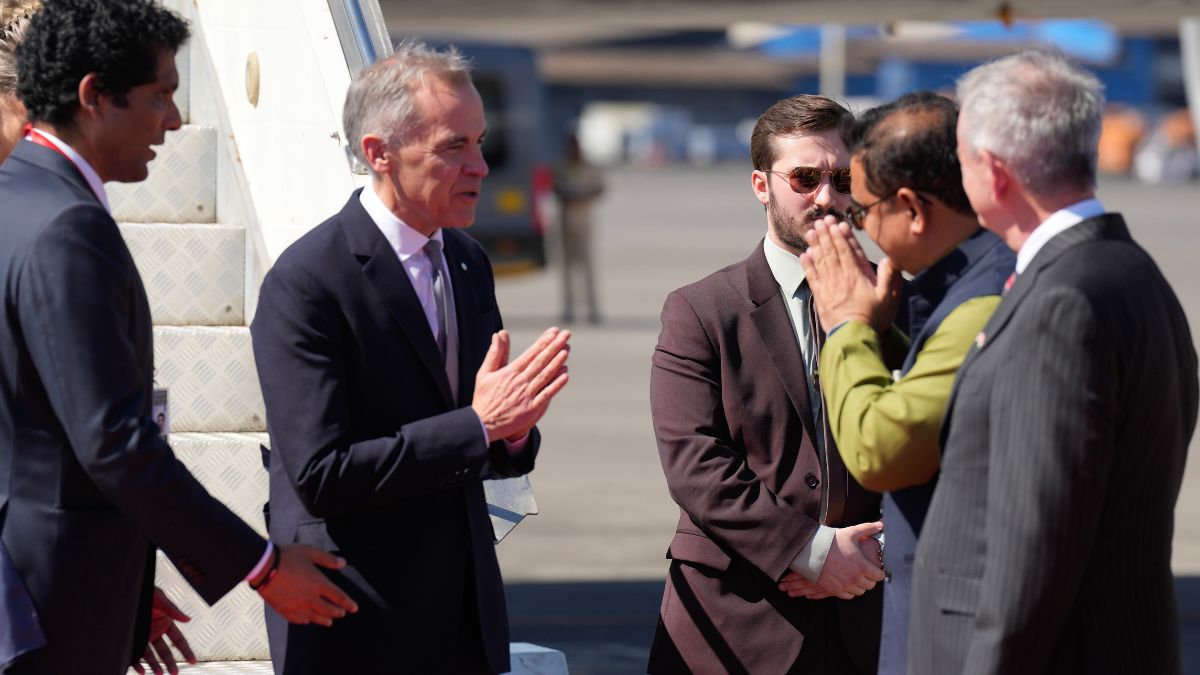
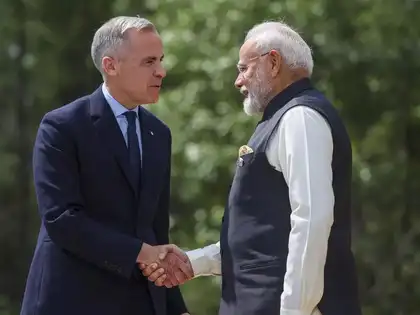
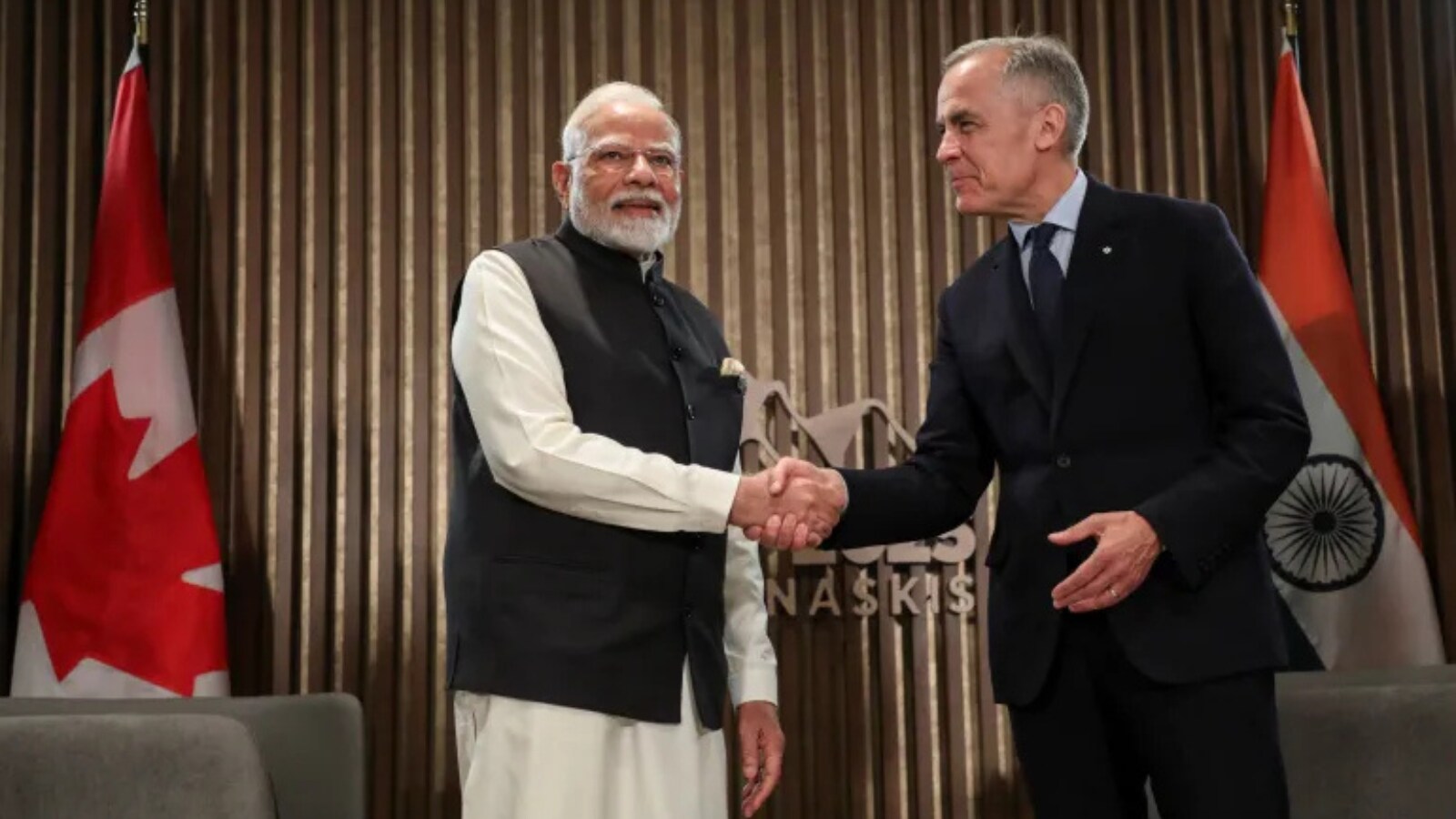
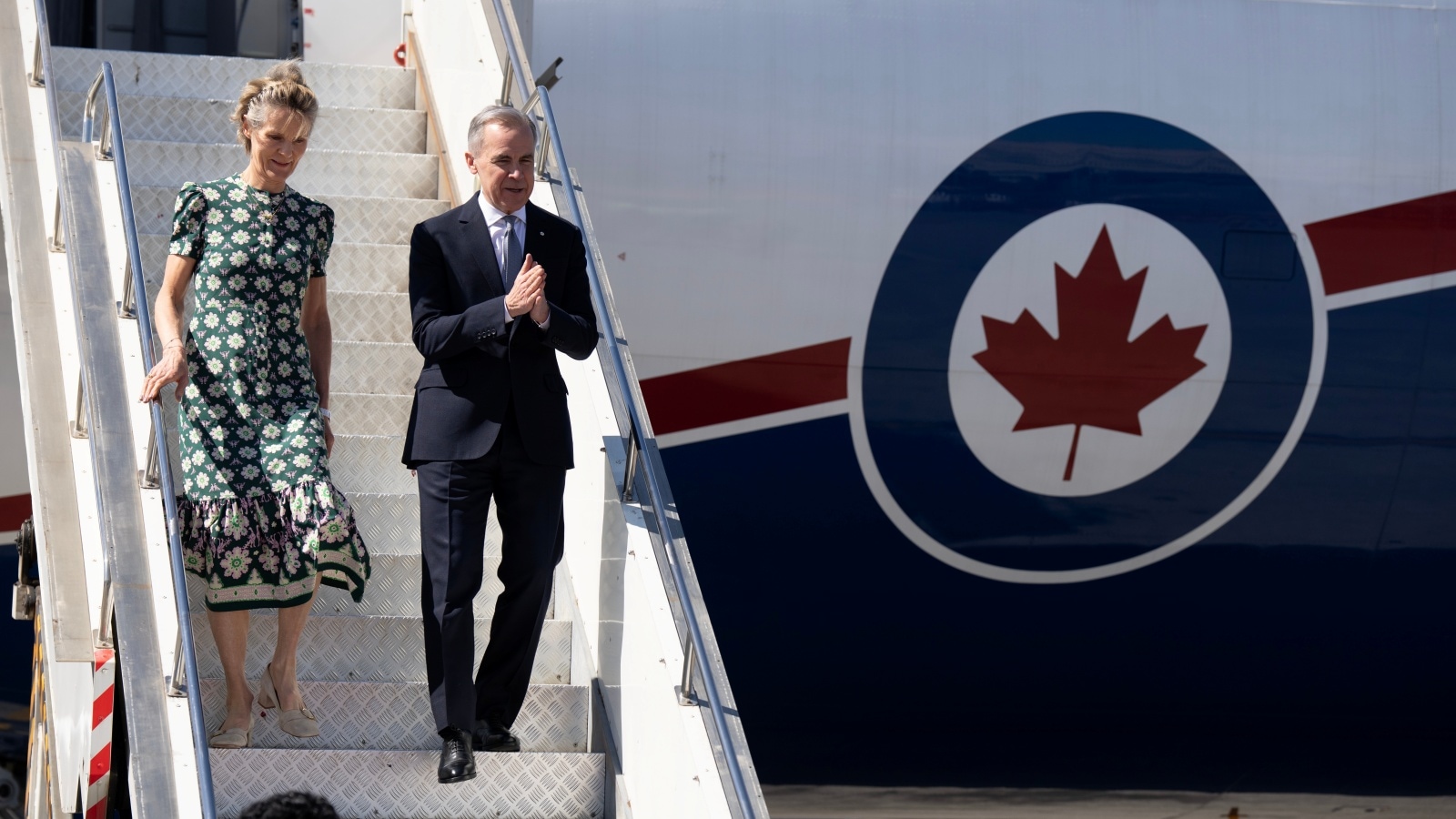
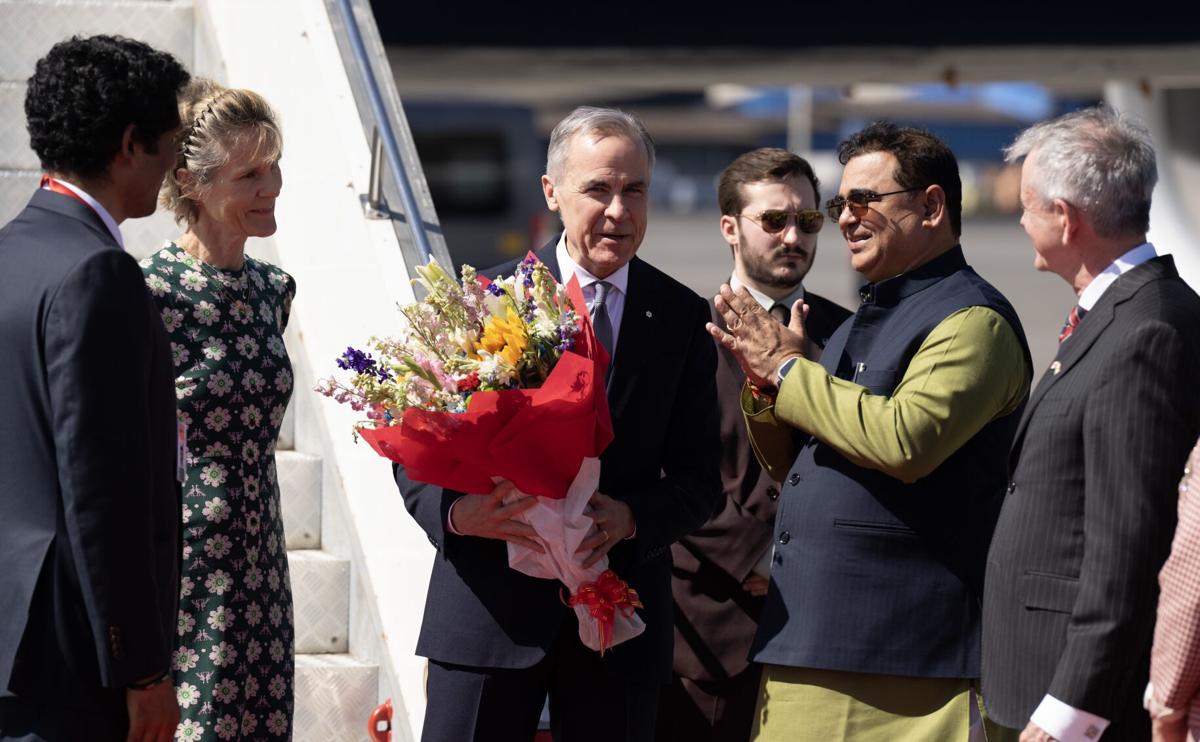
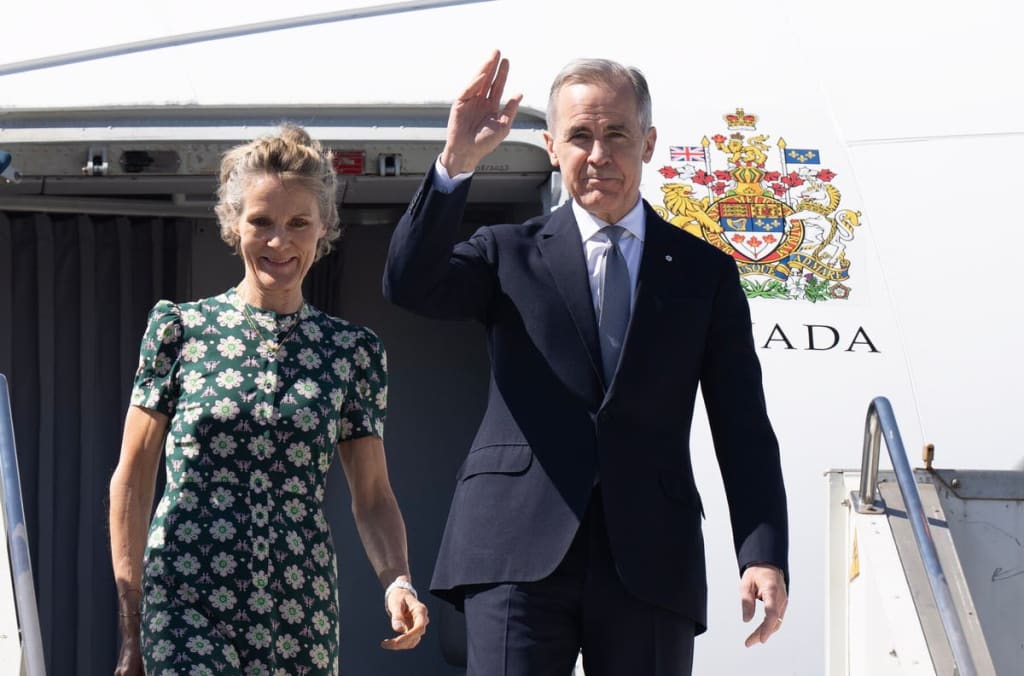
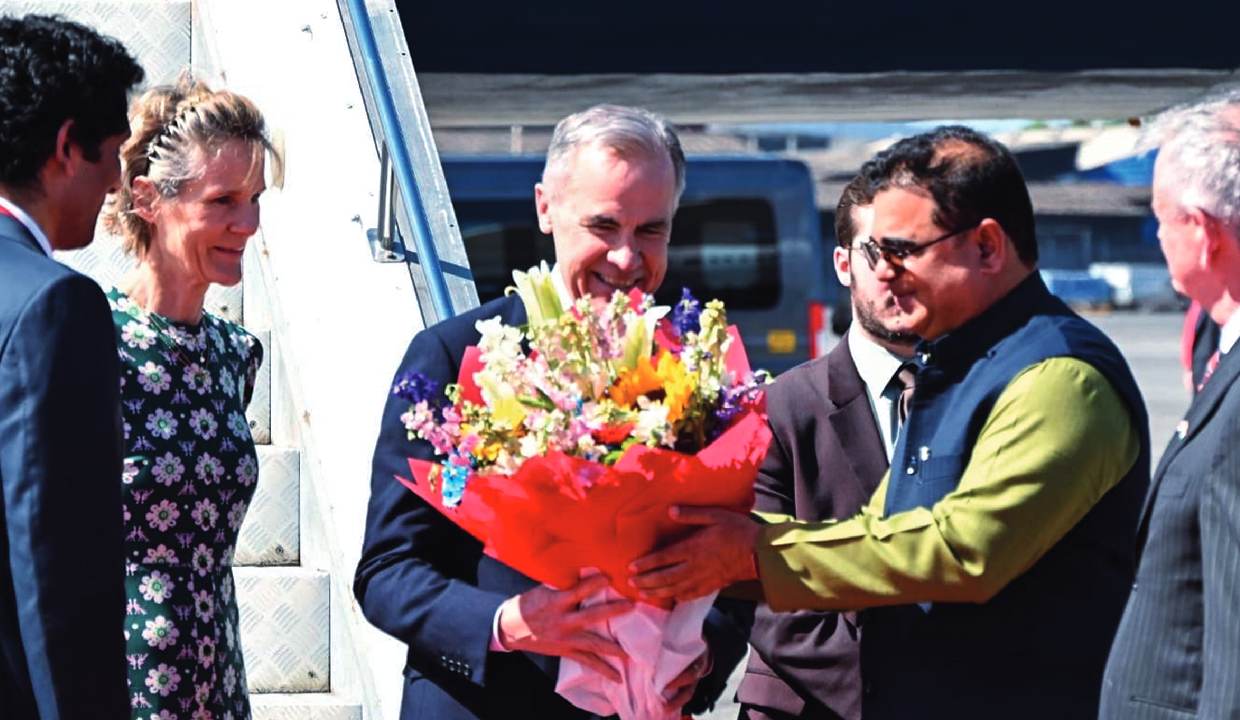
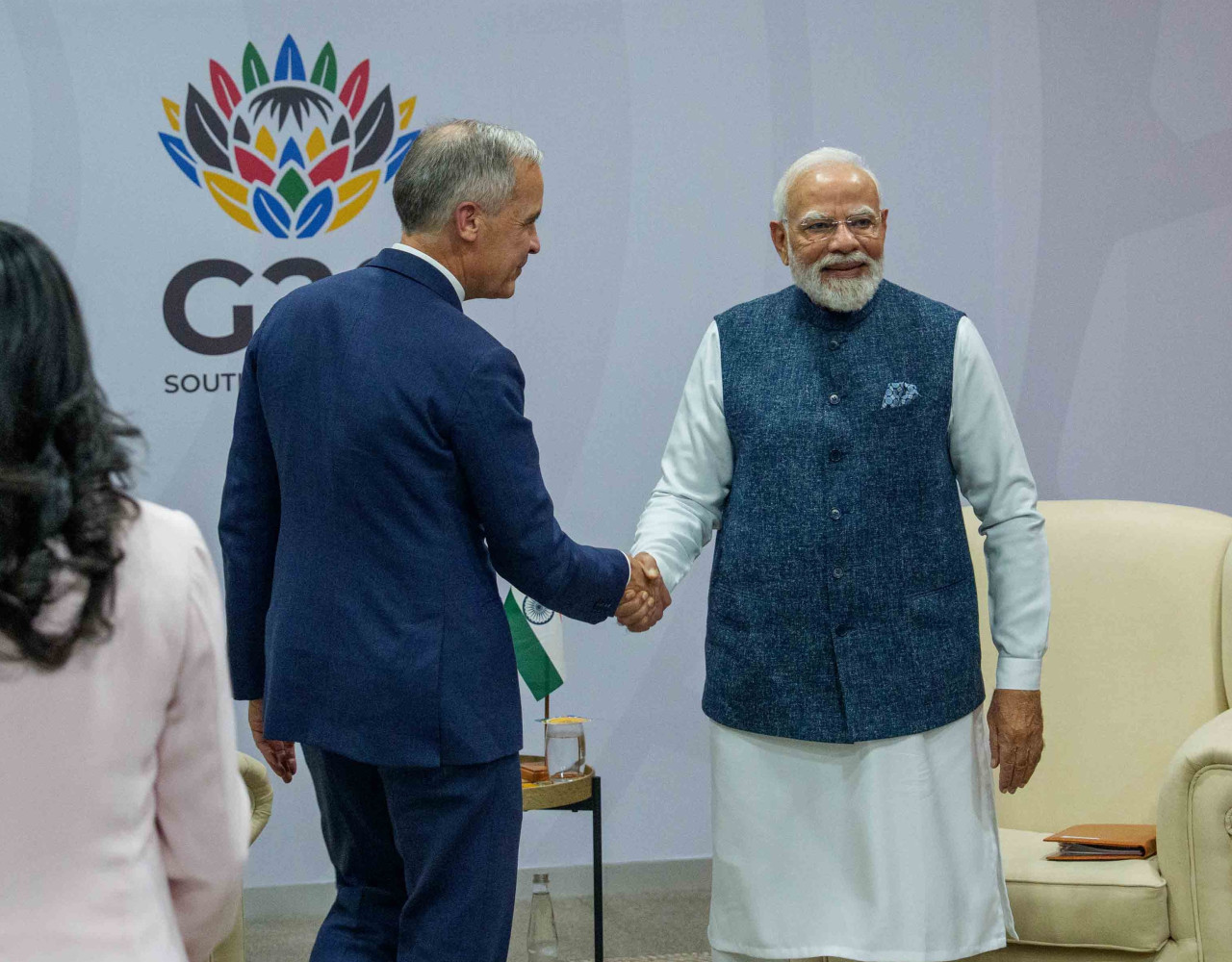
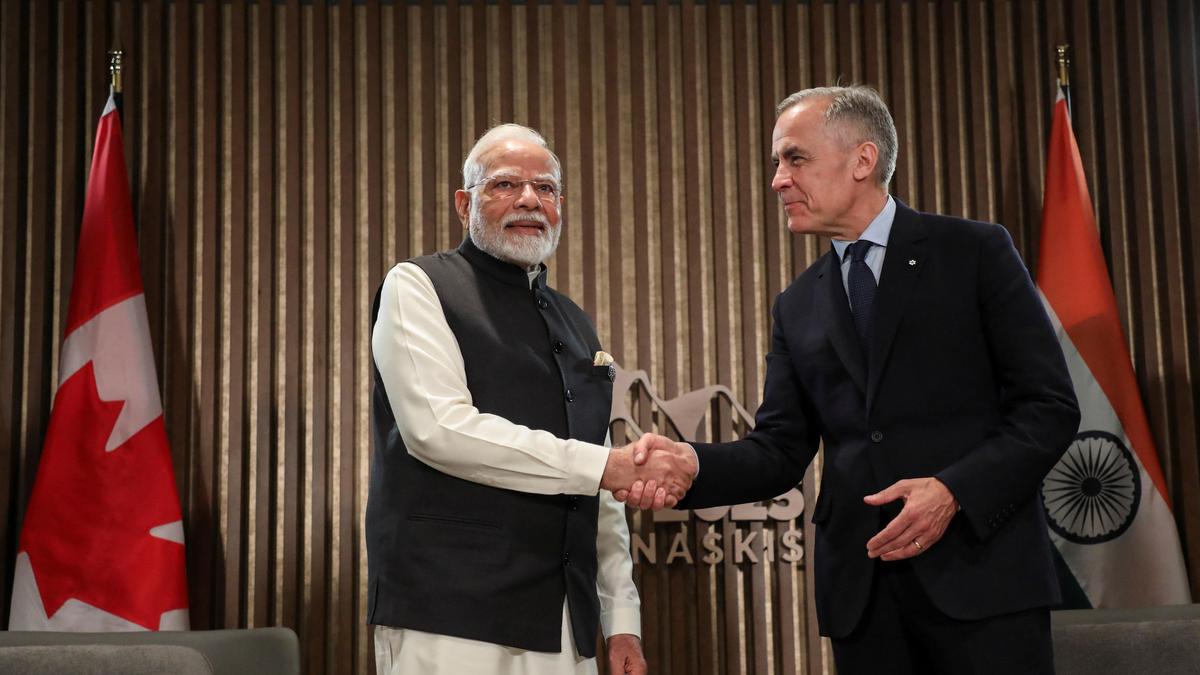
Canada's strategic pivot toward India and Asia-Pacific markets represents a critical tariff arbitrage opportunity for cross-border sellers facing Trump administration trade uncertainty. Prime Minister Mark Carney's February 2026 diplomatic tour across India, Australia, and Japan—following his January 2026 China tariff negotiations—signals accelerating trade agreement finalization that will reshape sourcing costs and market access for e-commerce businesses. The centerpiece is a long-stalled Canada-India Free Trade Agreement (FTA), discussed intermittently for 15 years but now prioritized as Canada seeks to reduce economic dependence on the US amid significant tariffs on automobiles (25%+), steel, aluminum, and lumber.
For cross-border sellers, this creates three immediate tariff arbitrage windows: First, Canadian exporters gain preferential access to India's 1.4 billion-person consumer market with reduced duties on technology, defense, and AI-related products—categories where India currently faces ~50 tariffs from US exports. Second, India's energy diversification strategy (10-year uranium supply agreement, increased crude oil/gas imports from Canada) signals infrastructure investment and industrial growth that will drive demand for manufacturing equipment, industrial components, and logistics technology. Third, the "middle power coalition" framework—uniting Canada, India, Australia, and Japan against unpredictable US tariffs—creates a counter-tariff bloc where sellers can source from multiple countries with preferential rates, reducing single-country supply chain risk.
The operational impact is substantial for specific seller segments. Canadian-based sellers in industrial equipment, technology components, and defense-adjacent sectors (cybersecurity, telecommunications) can expect tariff reductions of 5-15% on India exports once the FTA finalizes, typically within 6-12 months of agreement signing. US-based sellers currently sourcing from Canada face tariff pressure (automobiles at 25%, aluminum at 10%), but can mitigate by establishing Canadian subsidiaries or partnering with Canadian exporters gaining India FTA benefits. India-based sellers exporting to Canada gain preferential treatment over US competitors facing ~50 existing tariffs, creating a competitive advantage in electronics, pharmaceuticals, and textiles. The defense partnership component signals regulatory changes affecting technology exports—sellers in cloud services, cybersecurity, and logistics software should monitor India's defense procurement rules for compliance requirements and market opportunities.
Timeline urgency is critical: Carney's Davos speech (February 28, 2026) framed the Trump era as a "rupture" requiring coordinated responses, indicating negotiations will accelerate through Q2-Q3 2026. The FTA could be finalized by late 2026, with tariff reductions phasing in over 2027-2028. Sellers must position inventory and supply chains now to capture first-mover advantages when tariffs drop. The defense deals component may create regulatory changes affecting technology and logistics sectors serving government contracts, requiring compliance updates by Q4 2026.
Questions 8
How does India's ~50 US tariffs create opportunities for Canadian sellers?
India faces approximately 50 tariffs on US exports due to trade disputes, making Indian buyers actively seek alternative suppliers. Canadian sellers gain competitive advantage through FTA preferential rates, allowing them to undercut US competitors on price while maintaining margins. This is particularly valuable in electronics, industrial components, and technology sectors where US tariffs create 10-25% cost premiums. Sellers should target Indian importers and e-commerce platforms (Amazon.in, Flipkart) with competitive pricing enabled by FTA benefits. The window is time-sensitive: once FTA tariffs drop (late 2026-2027), early movers will establish market share before larger competitors respond.
What supply chain risks does the Trump tariff environment create for sellers?
Trump's erratic tariff policies create unpredictability for sellers relying on single-country sourcing. Canada faces significant tariffs on automobiles (25%+), steel, aluminum, and lumber, while India faces ~50 US tariffs. The 'middle power coalition' (Canada, India, Australia, Japan) strategy signals sellers should diversify sourcing across multiple countries to reduce tariff exposure. For Amazon FBA sellers, this means evaluating 3PL providers in multiple countries and adjusting inventory allocation to avoid tariff-heavy corridors. Sellers should model tariff scenarios for 2026-2027 and identify which sourcing countries offer tariff advantages for their specific HS codes, potentially reducing landed costs by 5-15%.