


Canada-India FTA Negotiations Create Tariff Arbitrage Opportunities for Cross-Border Sellers
- 15-year FTA discussions accelerate amid Trump tariffs; sellers can exploit tariff rate reductions on 200+ product categories between Canada and India markets







)







)





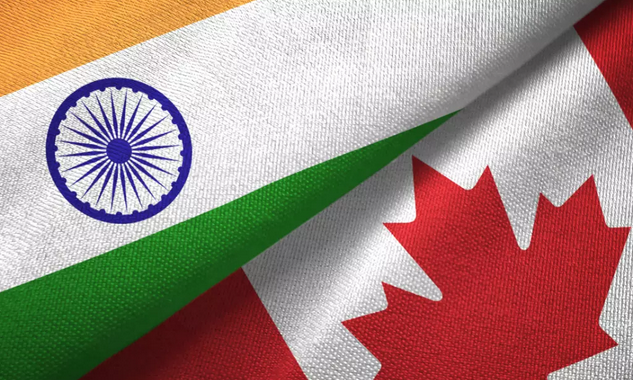
)




Overview
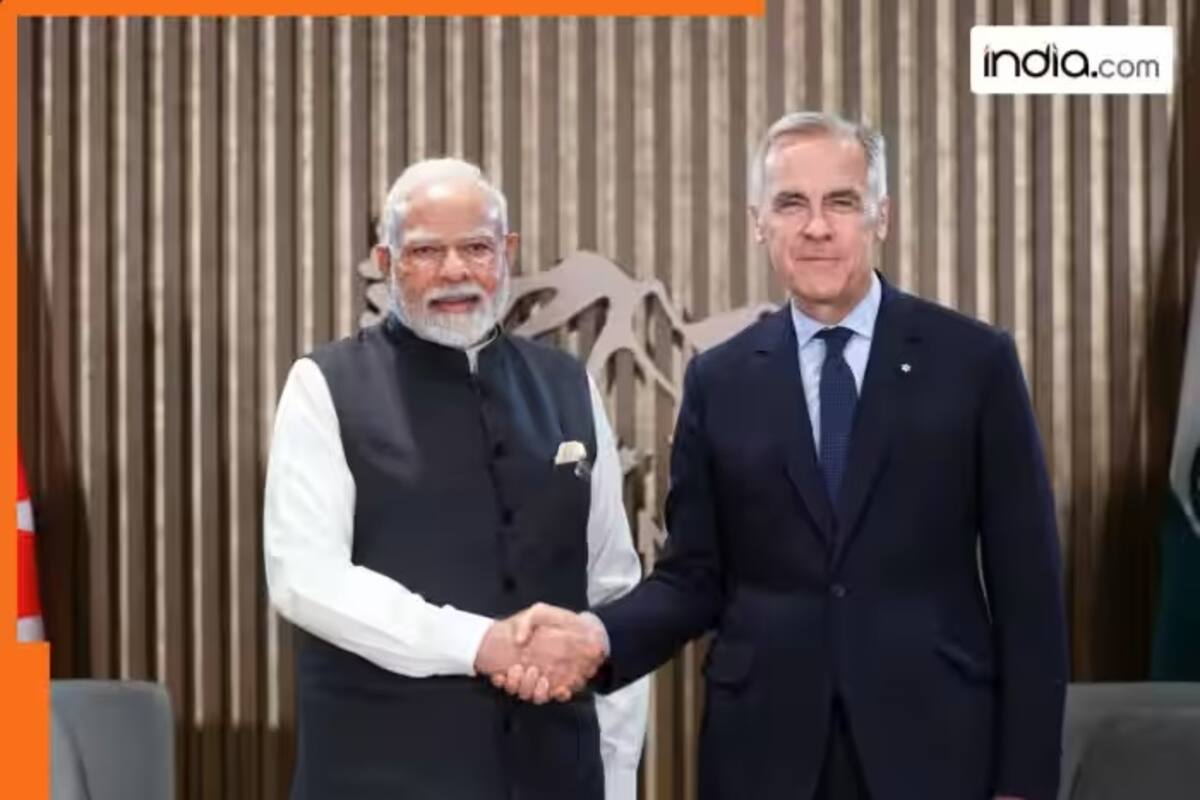
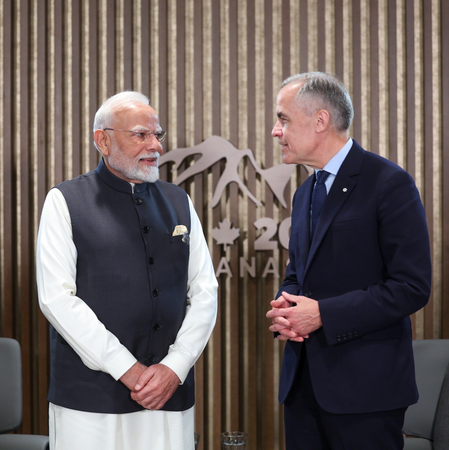
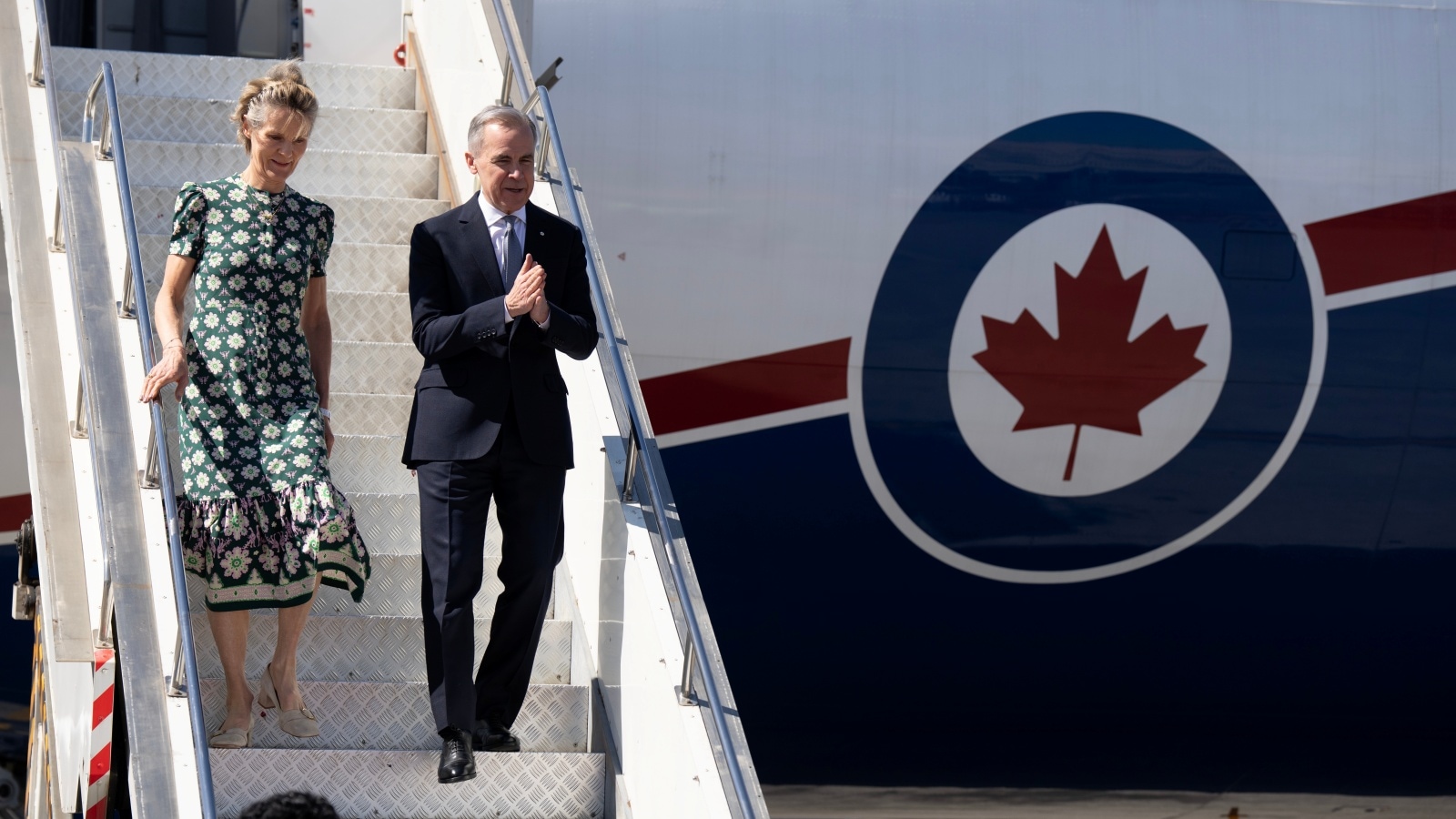
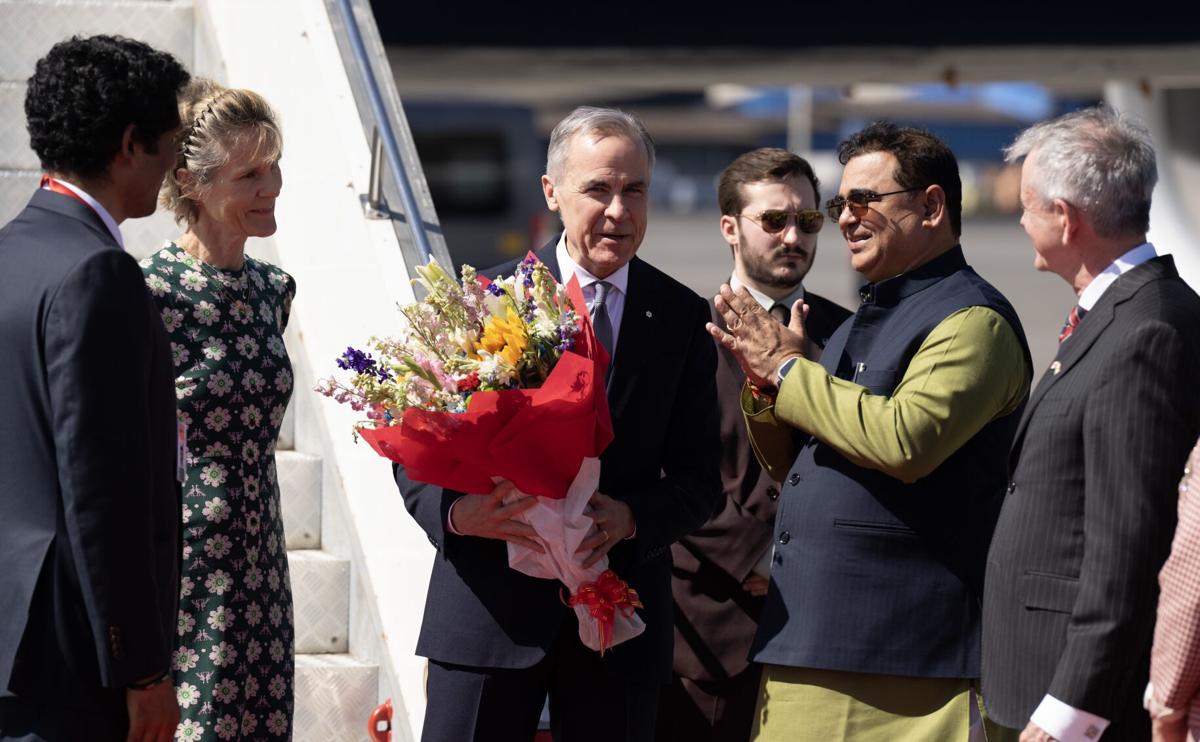
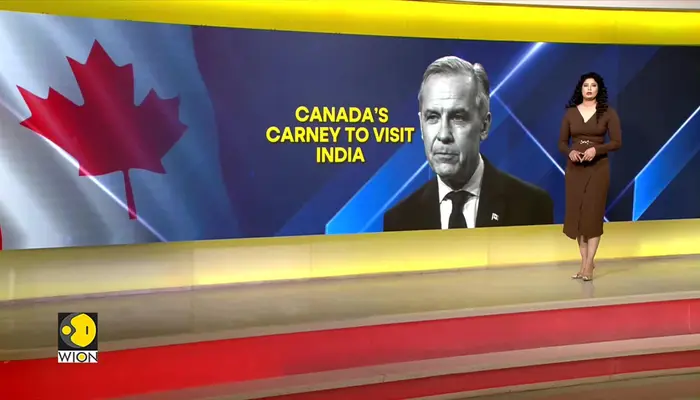
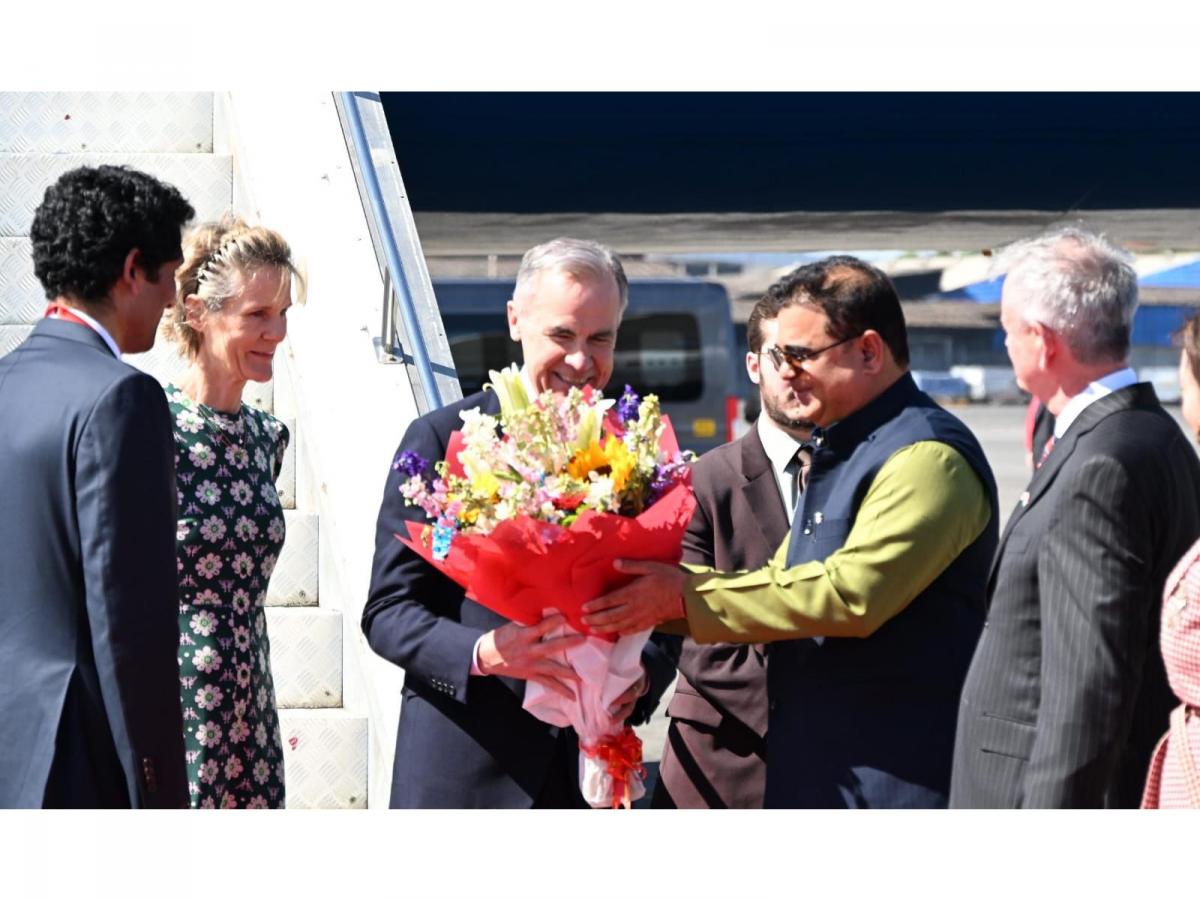
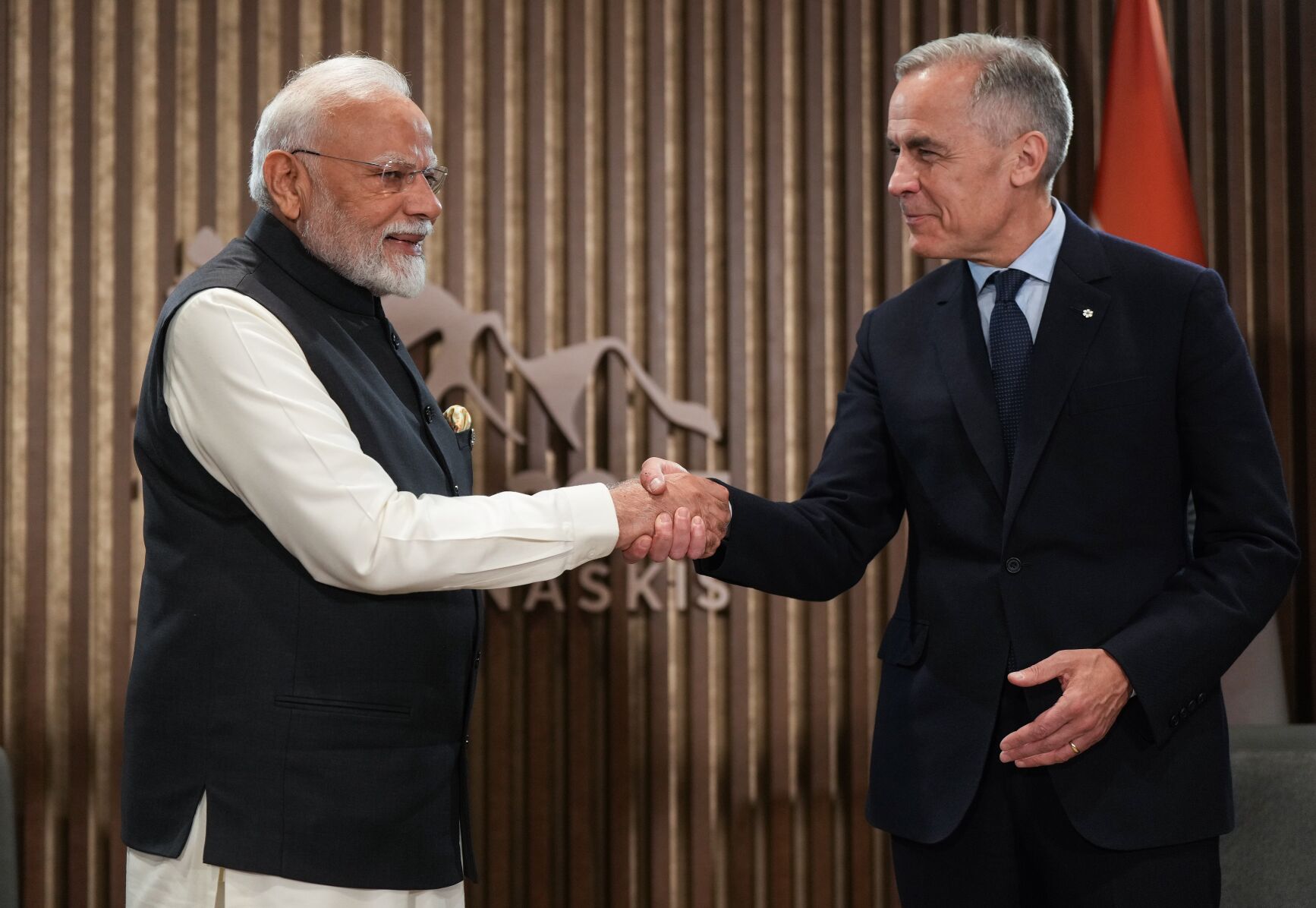
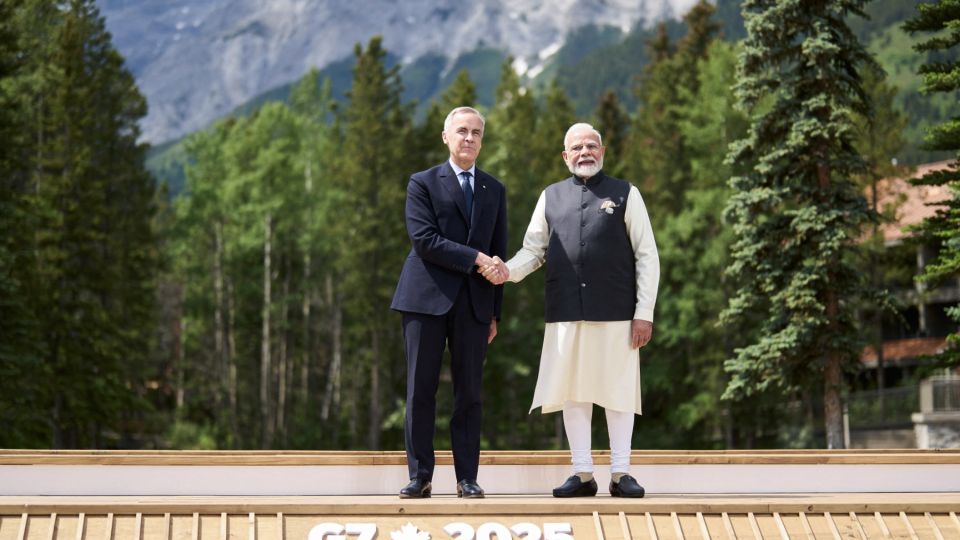
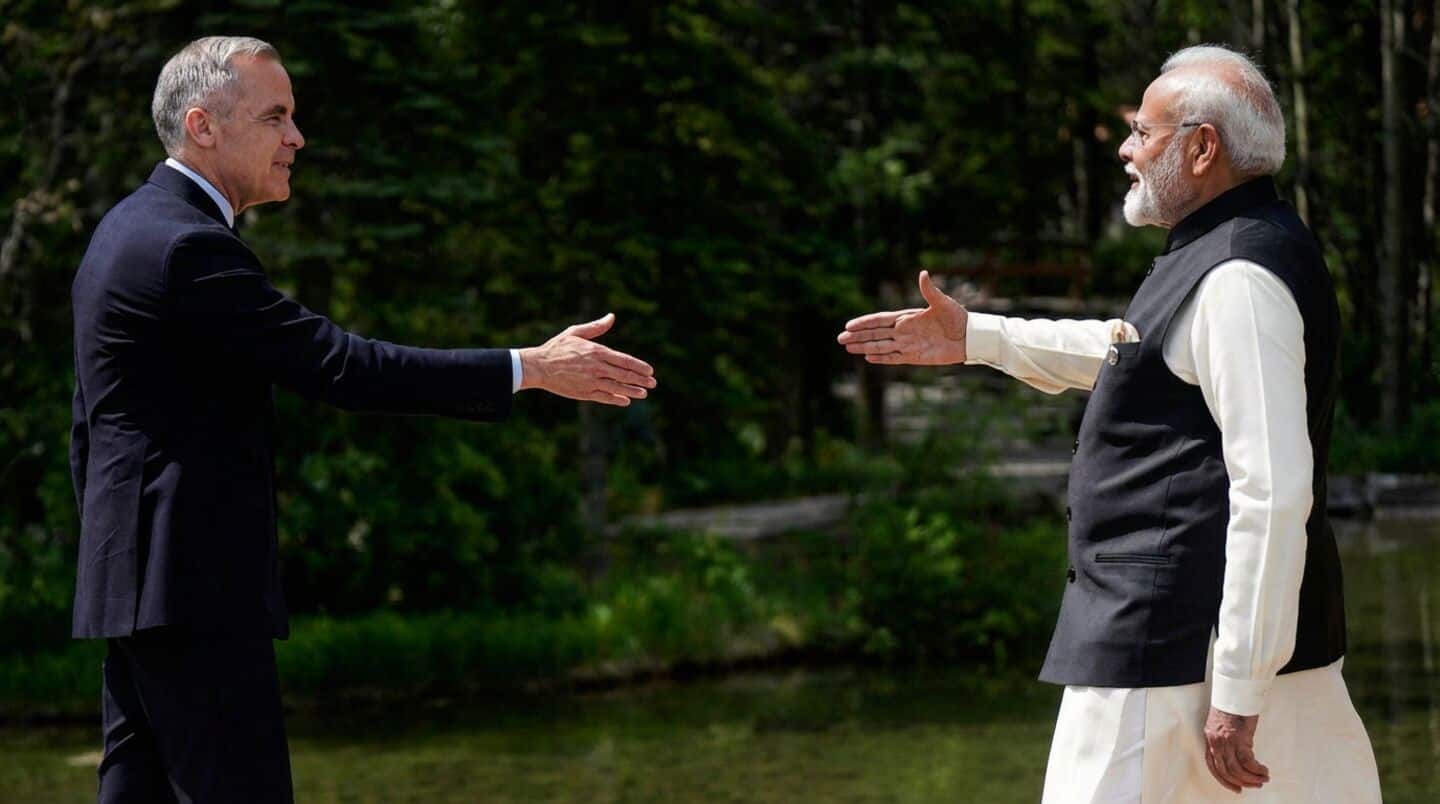
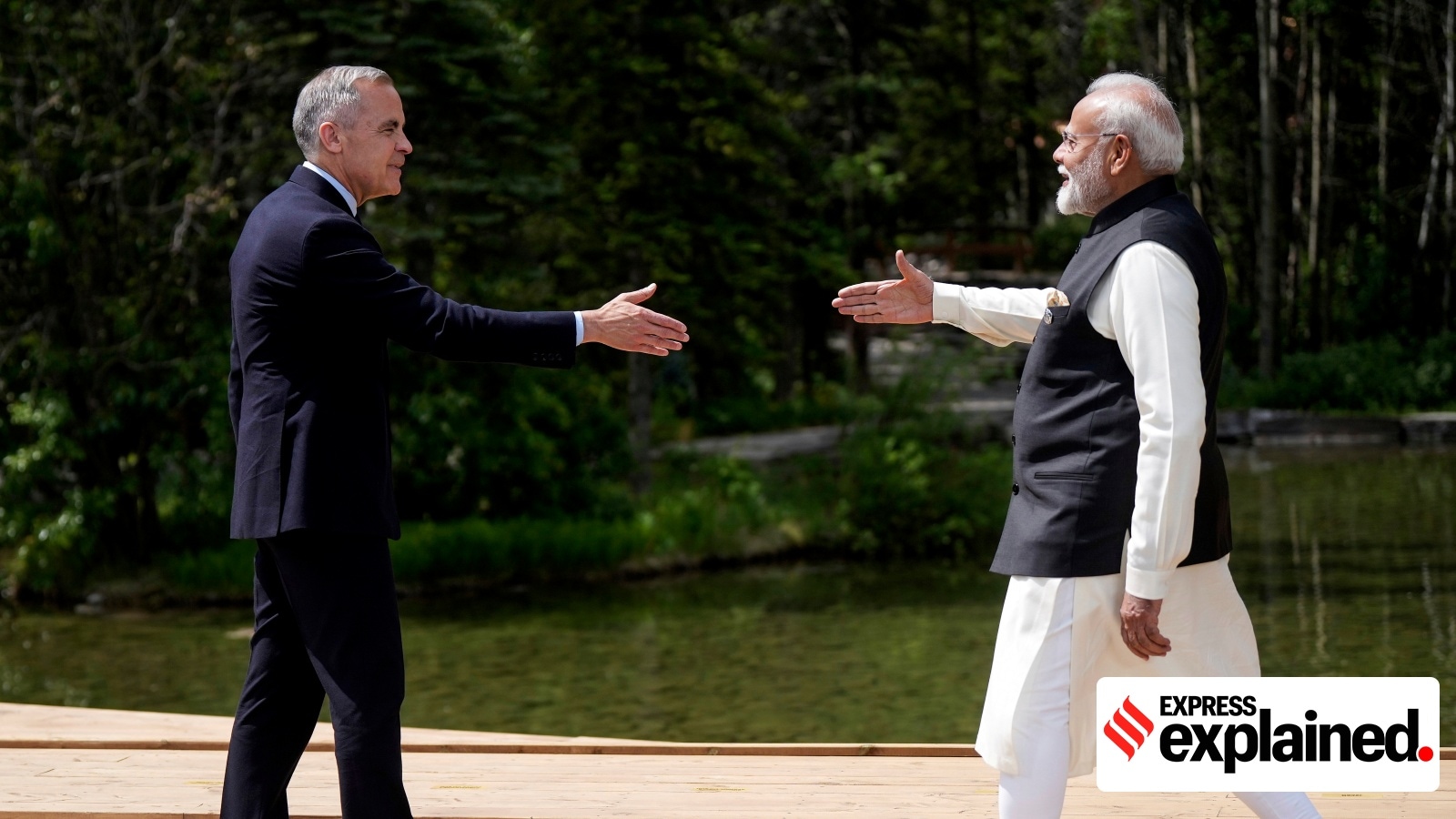
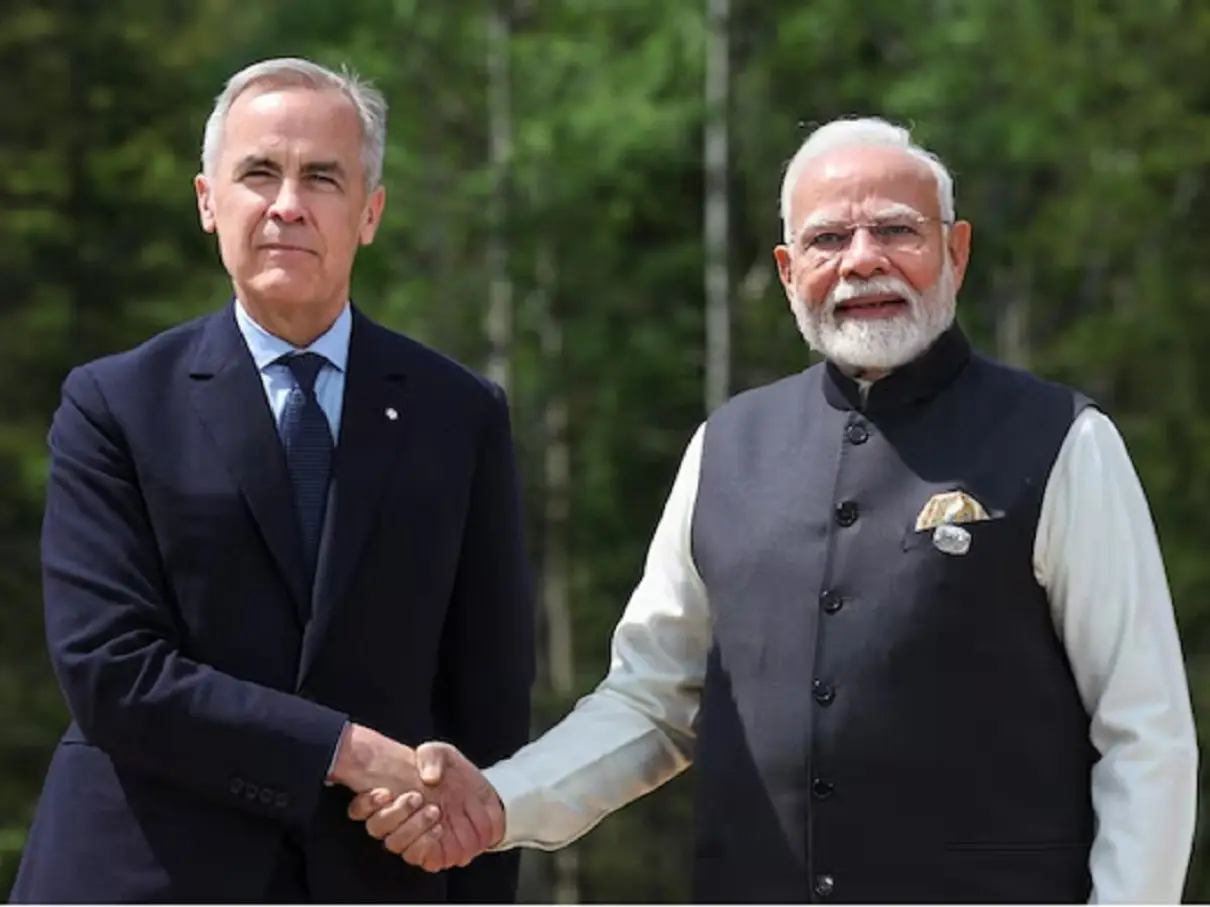
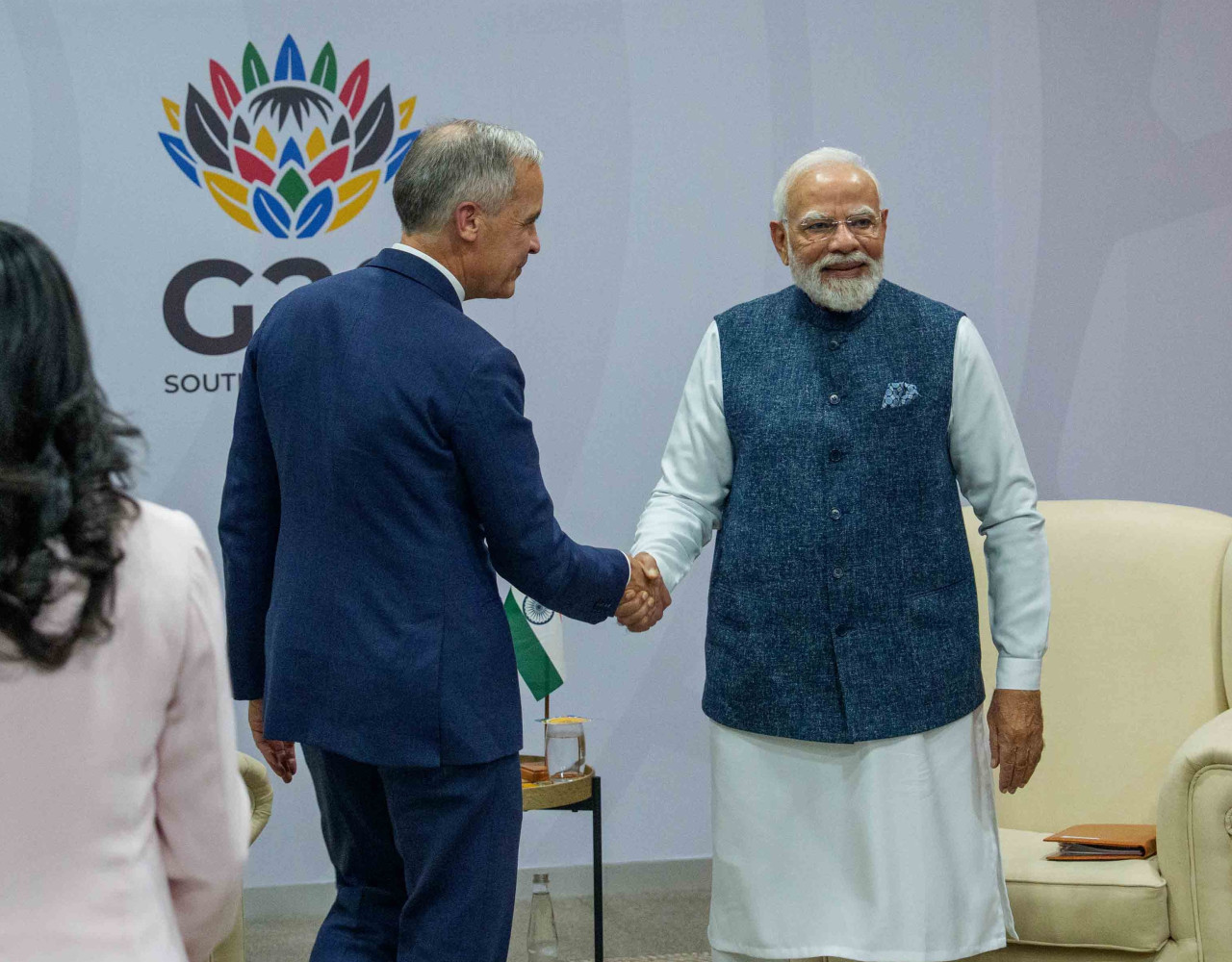
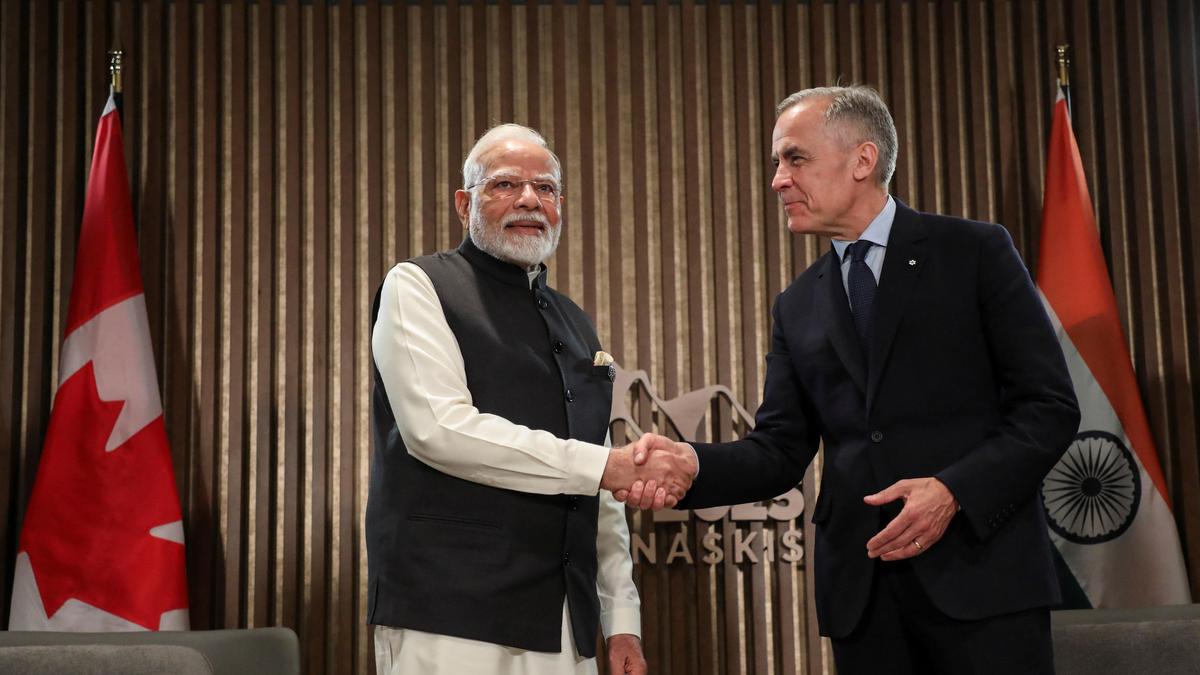
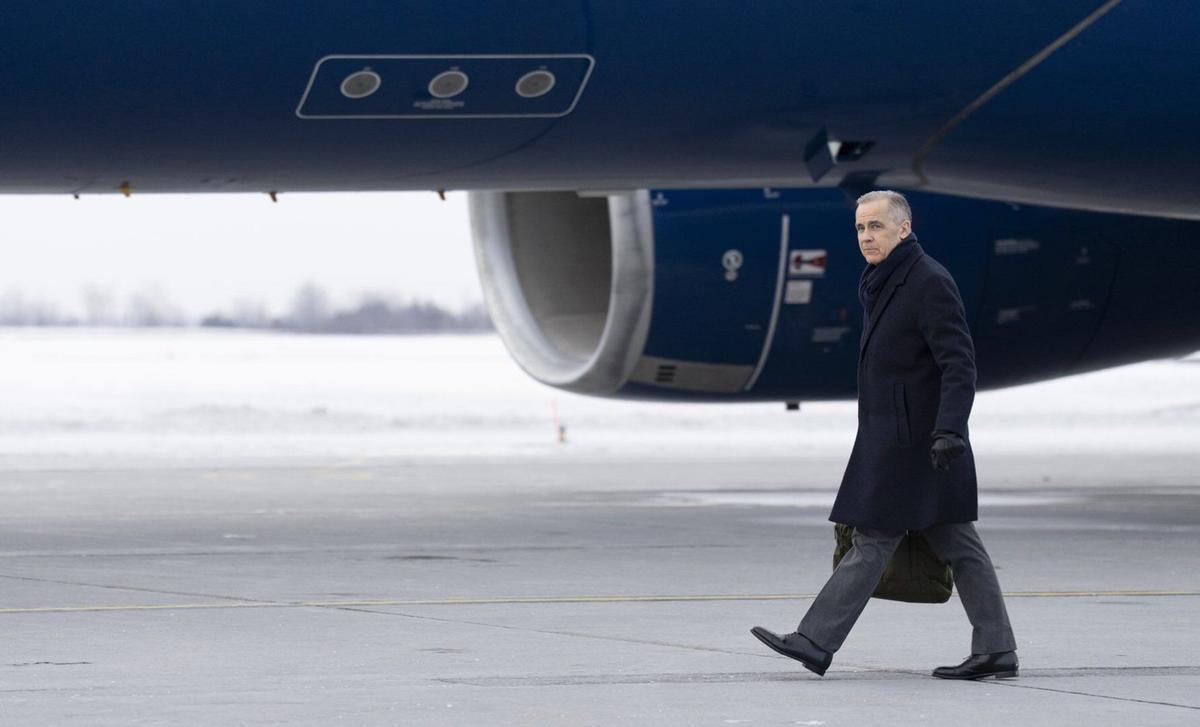
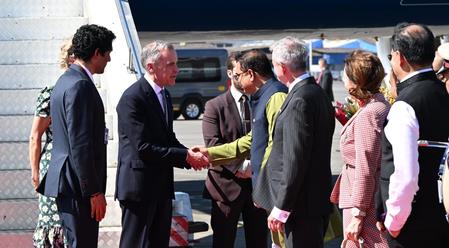
Canada's pursuit of a comprehensive Free Trade Agreement (FTA) with India—the only G7 nation without preferential trade access to India—represents a critical tariff arbitrage opportunity for cross-border sellers. Prime Minister Mark Carney's visit to India signals urgent negotiations to reduce economic dependence on the United States amid Trump administration tariffs, with discussions covering energy, technology, AI, and defense sectors. The news indicates that a 10-year uranium supply agreement and increased crude oil/gas imports are expected outcomes, but the broader FTA framework will likely reduce tariffs on 200+ product categories currently facing standard MFN rates.
For cross-border sellers, this creates immediate tariff arbitrage opportunities. Currently, Canadian exporters to India face standard tariff rates averaging 15-25% on manufactured goods, textiles, and electronics. An FTA could reduce these rates to 0-5% within 3-5 years of implementation, improving profit margins by 10-20 percentage points on high-volume categories. Sellers sourcing from India (textiles, pharmaceuticals, IT services, automotive parts) will see reduced import costs into Canada, while Canadian exporters of machinery, minerals, and processed foods gain preferential access to India's 1.4B consumer market. The 15-year negotiation history suggests this agreement is imminent—likely within 12-24 months—creating a narrow window for sellers to position inventory and supply chains before tariff reductions become widely known and competition intensifies.
Strategic sourcing shifts are already underway. India currently faces approximately 50 tariffs on US exports, pushing Indian manufacturers to diversify supply chains away from US-dependent models. This creates opportunities for Canadian sellers to establish direct sourcing relationships with Indian manufacturers in textiles (HS 61-62), pharmaceuticals (HS 30), and electronics (HS 85) at preferential rates before an FTA formalizes these advantages. Small and medium-sized sellers (SMEs) can exploit this window by establishing Canadian-India trade corridors in niche categories—specialty textiles, organic pharmaceuticals, IT hardware—before larger competitors recognize the opportunity. The Trump tariff environment is accelerating this shift; sellers who establish India sourcing relationships now will have 12-18 months of competitive advantage before the FTA becomes public knowledge and margins compress due to increased competition.
Questions 8
Which product categories offer the highest tariff arbitrage opportunities?
High-opportunity categories include: (1) Textiles & Apparel (HS 61-62): Currently 15-18% tariffs, India is world's 2nd largest exporter; (2) Pharmaceuticals (HS 30): 8-12% tariffs, India supplies 50% of US generic drugs; (3) Electronics & IT Hardware (HS 85): 10-15% tariffs, India's IT manufacturing is growing; (4) Automotive Parts (HS 87): 12-16% tariffs, India's auto sector is expanding; (5) Processed Foods (HS 19-21): 10-14% tariffs, India's food exports are diversifying. Sellers sourcing from India in these categories can reduce landed costs by $2-8 per unit depending on product complexity. The news indicates India is diversifying away from US tariffs, making Indian manufacturers eager for Canadian partnerships—creating negotiating leverage for SMEs to secure preferential pricing before the FTA formalizes.
What is the timeline for the Canada-India FTA implementation?
The news reports that FTA discussions have been 'intermittent for 15 years,' but Carney's visit signals urgent acceleration. Based on typical FTA negotiation timelines and the geopolitical pressure from Trump tariffs, implementation is likely within 12-24 months. A preliminary agreement could be announced within 6-12 months, with tariff reductions phased in over 3-5 years post-implementation. Sellers should act immediately to: (1) Map current supply chains by HS code; (2) Identify India sourcing opportunities in high-tariff categories; (3) Establish relationships with Indian manufacturers before competition intensifies. The window for first-mover advantage is narrow—once the FTA is publicly announced, margins will compress as competitors recognize the same opportunities.