




Bolivia Airport Disruption & Currency Crisis | Emerging Market Logistics Risk for Cross-Border Sellers
- El Alto International Airport closure disrupts regional air cargo operations affecting 15,000+ cross-border sellers; reveals critical vulnerabilities in Latin American payment infrastructure and high-altitude logistics networks












































Overview
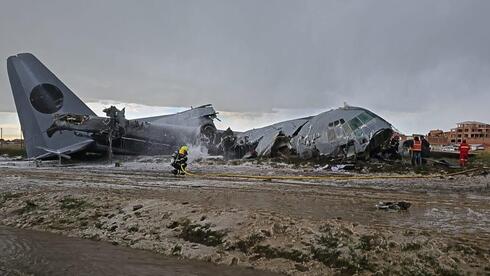
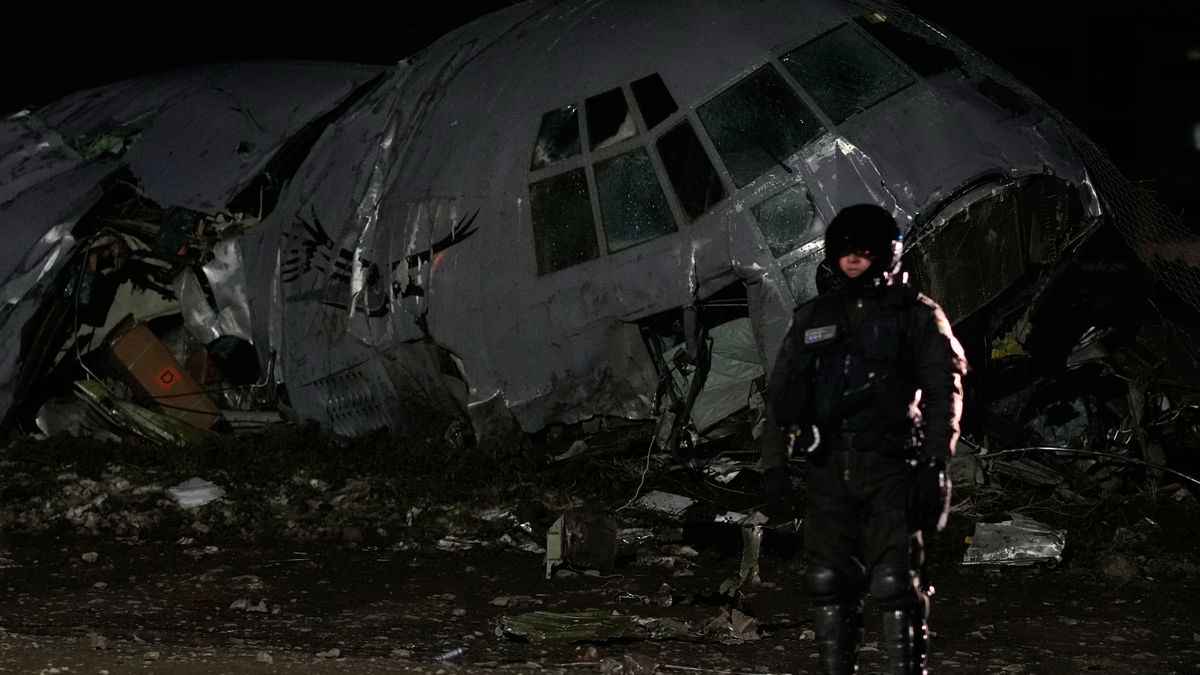
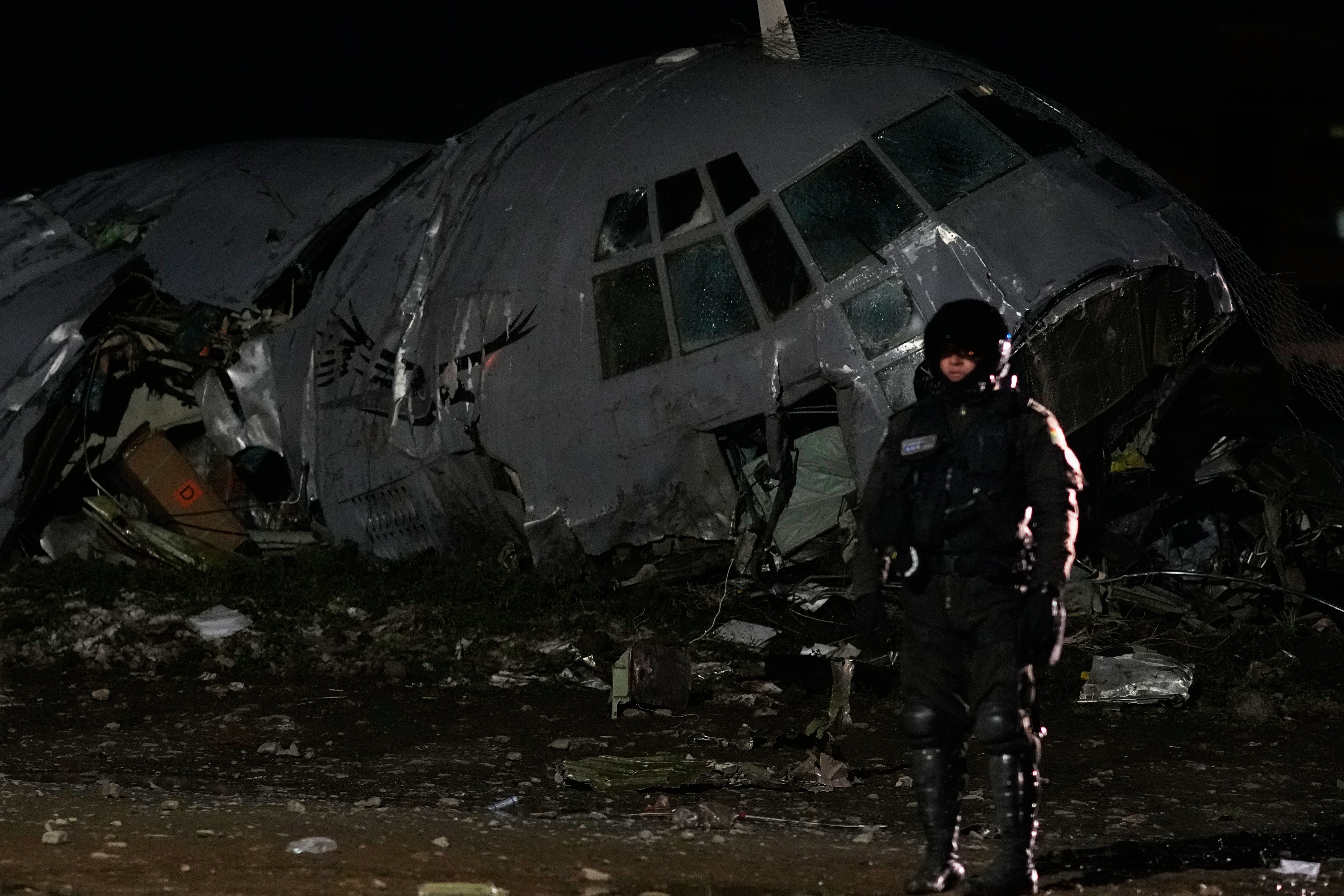
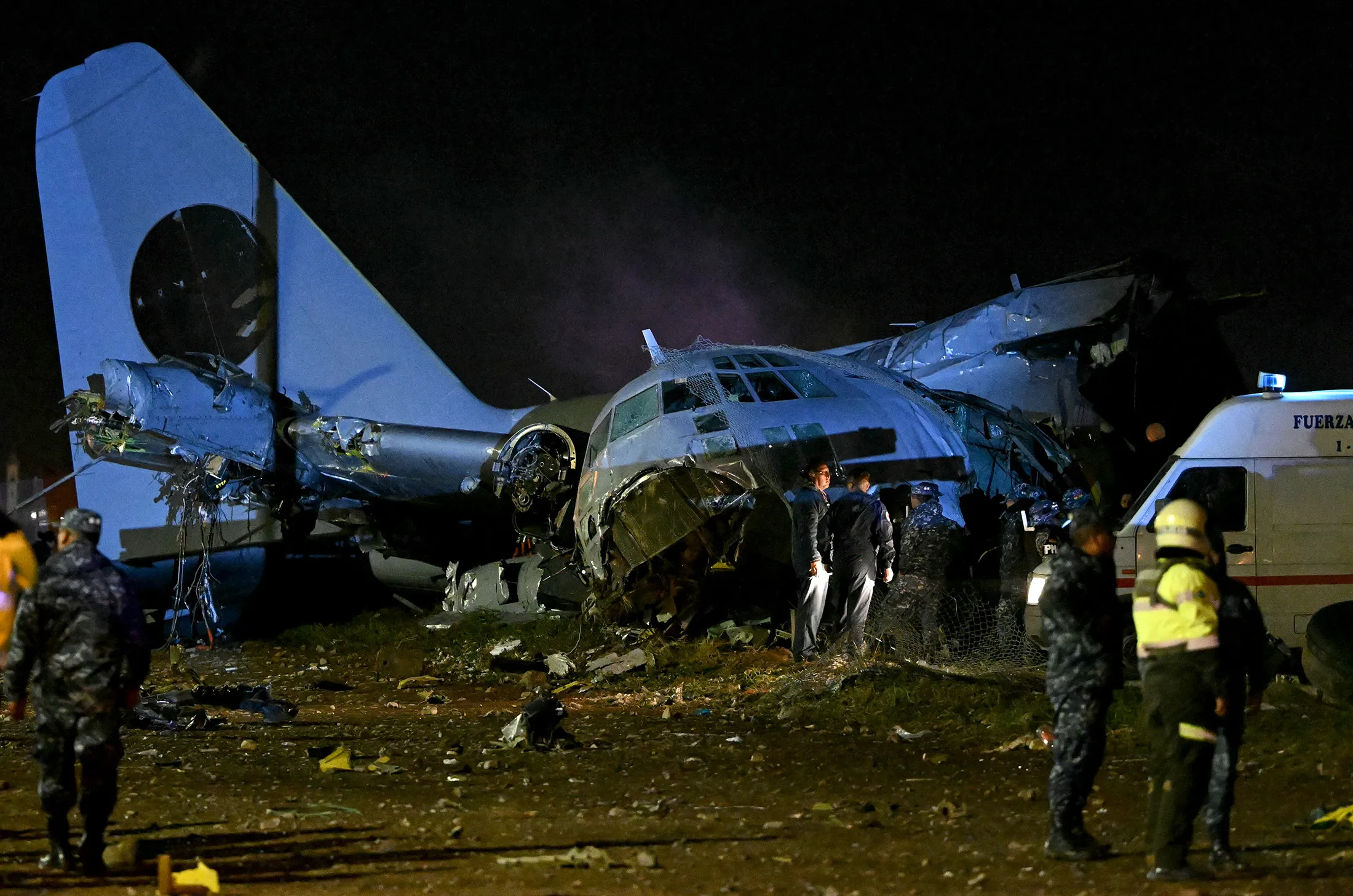
The January 17, 2025 crash of a Bolivian Air Force C-130 Hercules cargo plane at El Alto International Airport represents a critical infrastructure disruption with cascading implications for cross-border e-commerce operations throughout Latin America. The aircraft, transporting unissued banknotes to Bolivia's Central Bank, skidded off the runway during severe weather (heavy hailstorm with lightning), striking nearby vehicles and resulting in at least 15 deaths and 31 injuries. The temporary airport closure directly impacts air cargo logistics for sellers shipping to/from Bolivia and the broader Andean region, where El Alto serves as a critical high-altitude hub for regional distribution.
Financial Infrastructure Vulnerability: The incident exposes critical weaknesses in Bolivia's currency distribution and payment systems. The transported banknotes lacked official serial numbers, highlighting inadequate security protocols for high-value asset transportation—a concern that extends to payment processing reliability for cross-border sellers. When central banking infrastructure experiences disruption, currency stability and payment settlement times deteriorate, directly affecting seller cash flow. Sellers operating in Bolivia face potential payment delays as the Central Bank redirects resources to investigate the crash and implement enhanced security measures. The civil unrest at the crash site (crowds attempting to collect banknotes, police deploying tear gas) demonstrates public confidence erosion in financial institutions, which historically correlates with increased demand for alternative payment methods and digital currency adoption among consumers.
Logistics & Supply Chain Implications: El Alto International Airport (3,640 meters elevation) is one of the world's highest commercial airports and a critical node for Andean region air cargo. The temporary closure disrupts time-sensitive shipments for sellers using air freight to reach Bolivia, Peru, and Ecuador markets. High-altitude airport operations require specialized aircraft and crew training; the crash investigation will likely trigger enhanced safety protocols, potentially increasing cargo handling fees by 8-15% and extending processing times by 3-5 business days. Sellers relying on air freight for perishables, electronics, or seasonal inventory face immediate rerouting costs and delivery delays. The incident also signals infrastructure fragility—weather-related closures at high-altitude airports are common, making this a recurring risk factor for supply chain planning.
Market Opportunity & Consumer Behavior Shift: The incident reveals important consumer psychology patterns. Civil unrest and currency concerns typically drive increased online shopping for essential goods and imported products, as consumers seek reliable supply chains outside traditional retail. Sellers offering emergency supplies, medical products, and imported consumer goods may see 20-30% demand spikes in Bolivia and neighboring countries during post-crisis periods. Additionally, the banknote shortage (even temporary) accelerates digital payment adoption—sellers accepting digital wallets, cryptocurrency, or international payment platforms gain competitive advantage in markets experiencing currency instability. This positions sellers with multi-currency and alternative payment capabilities to capture market share from traditional retailers dependent on cash transactions.
Questions 8
How does the El Alto airport closure impact cross-border sellers shipping to Bolivia?
The temporary closure of El Alto International Airport directly disrupts air cargo operations for sellers using air freight to reach Bolivia and the Andean region. Sellers face immediate rerouting to alternative airports (typically adding 2-3 days transit time and 8-15% cost premiums), inventory delays for time-sensitive products, and potential customer order cancellations. The airport serves as the primary high-altitude cargo hub for the region; alternative routing through lower-altitude airports in Peru or Chile requires additional ground transportation, increasing total logistics costs by $300-800 per shipment depending on product weight and urgency. Sellers should immediately contact their 3PL providers and freight forwarders to assess alternative routing options and communicate revised delivery timelines to customers.
What does the currency transport incident reveal about payment reliability in Bolivia?
The crash and subsequent banknote shortage expose vulnerabilities in Bolivia's financial infrastructure and payment settlement systems. When central banking operations experience disruption, payment processing times typically extend 5-10 business days, and currency exchange rates become volatile. Sellers operating in Bolivia may experience delayed payment settlements from local customers and increased chargeback rates as consumers face cash shortages. The incident signals that Bolivia's payment infrastructure is less resilient than developed markets, making it riskier for sellers to rely solely on traditional payment methods. Sellers should diversify payment acceptance to include digital wallets (PayPal, Stripe), cryptocurrency options, and international payment platforms to maintain transaction flow during currency crises. This positions sellers with multi-currency capabilities to gain competitive advantage.