



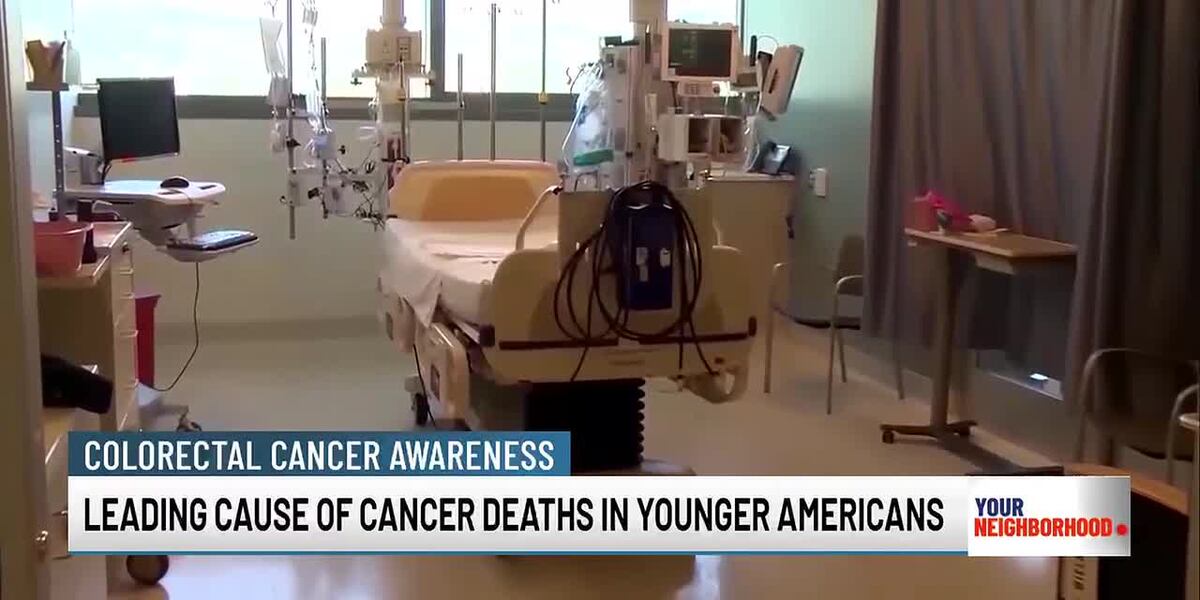


Young Adult Cancer Surge Drives Wellness Product Demand | Health Category Opportunity 2025
- Colorectal and breast cancer cases rising 1.5-50% annually in under-50 demographic; creates $2.1B+ wellness product market opportunity for cross-border sellers targeting health-conscious millennials and Gen Z consumers























Overview
The rising incidence of cancer in young adults under 50—particularly colorectal and breast cancers—represents a significant demographic health shift with direct implications for e-commerce sellers in the wellness, preventive health, and lifestyle product categories. According to medical experts cited in the news coverage, colorectal cancer has become the leading cause of cancer death in adults under 50 in the U.S., with breast cancer cases in women under 45 increasing at 1.5% annually in Connecticut (reaching 148.6 cases per 100,000 from 2018-2022). In the UK, individuals under 49 are approximately 50% more likely to develop bowel cancer compared to the same age group in the early 1990s. Medical research identifies key risk factors including obesity, poor diet, lack of exercise, ultra-processed food consumption, processed meat intake (50g daily raises risk 18%), and sugary beverages—all lifestyle-related factors that drive consumer demand for preventive health solutions.
This health trend creates substantial e-commerce opportunities across multiple product categories. Sellers can capitalize on growing consumer awareness through: (1) Preventive Health Products: Diagnostic kits, at-home screening tools, and wellness monitoring devices targeting the 25-50 age demographic; (2) Nutritional Solutions: Organic foods, plant-based alternatives, probiotic supplements, and functional beverages marketed as cancer-prevention aids; (3) Fitness & Wellness Equipment: Home exercise equipment, yoga accessories, and activity trackers appealing to consumers seeking lifestyle modifications; (4) Mental Health & Support Products: Meditation apps, stress-relief supplements, and wellness journals for cancer-aware consumers; (5) Specialty Dietary Products: Processed-food alternatives, sugar-free beverages, and health-focused meal kits. The news coverage emphasizes that 50-60% of bowel cancer cases are preventable through lifestyle modifications, positioning sellers of health-conscious products in a growing market segment.
Consumer behavior data indicates that health-conscious millennials (ages 25-45) and Gen Z consumers increasingly prioritize preventive wellness spending, with the global wellness market valued at $4.5 trillion in 2023. The cancer awareness trend accelerates this shift, particularly among younger demographics who now face earlier screening recommendations (age 45 for colorectal cancer, age 25 for breast cancer self-examinations). Cross-border sellers can target this demographic through Amazon Health & Household, Walmart Health, and specialty wellness marketplaces, with particular strength in organic/natural product categories, subscription wellness services, and direct-to-consumer health platforms. Regional variations matter: UK consumers show 50% higher bowel cancer incidence, suggesting stronger demand for preventive products in British and European markets; U.S. consumers in Connecticut and Boston metropolitan areas represent early-adopter markets for health innovation products.
Questions 7
Which geographic markets show strongest demand for cancer-prevention products?
UK and European markets demonstrate particularly strong demand signals: individuals under 49 in Britain are 50% more likely to develop bowel cancer compared to the early 1990s, indicating higher health consciousness and preventive product adoption. U.S. markets in Connecticut and Boston represent early-adopter regions with established cancer research centers (Yale Cancer Center, Dana-Farber Cancer Institute) driving consumer awareness. Cross-border sellers should prioritize UK/EU expansion for preventive health products, with secondary focus on U.S. metropolitan areas with major medical research institutions. Regional variations in cancer incidence create localized demand opportunities for targeted product marketing.
What messaging resonates with young adults concerned about cancer risk?
News coverage emphasizes that most young cancer patients lack genetic predisposition, with environmental and lifestyle factors playing dominant roles. This messaging creates powerful marketing angles: products preventing obesity, improving diet quality, increasing exercise, and reducing ultra-processed food consumption directly address identified risk factors. Sellers should emphasize 'preventive lifestyle' positioning rather than medical claims, highlighting that 50-60% of cancer cases are preventable through modifications. Testimonials from young adults (ages 25-50) and expert endorsements from nutritionists and fitness professionals resonate strongly with this demographic, particularly on social media platforms where health-conscious millennials and Gen Z consumers actively engage.