
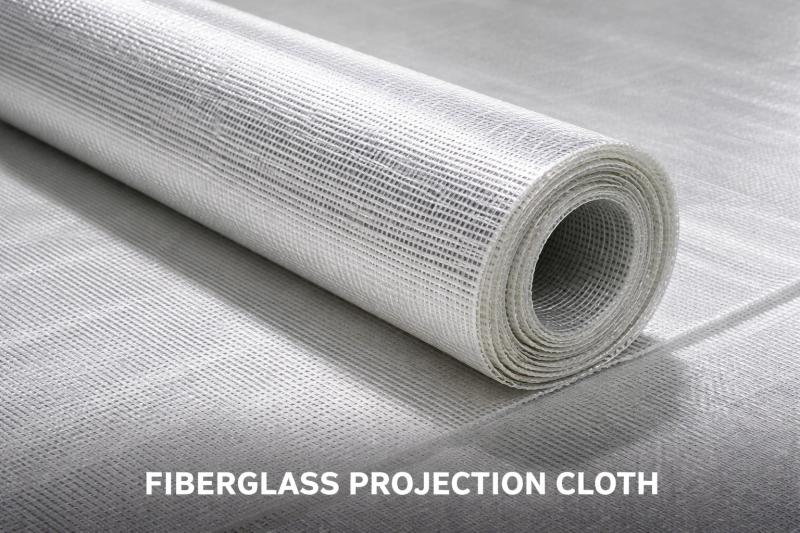
Home Theater Projection Cloth Market Boom | $2B+ Opportunity for E-Commerce Sellers
- Asia-Pacific fastest-growing region with 15-25% CAGR; North America dominates; 5 fabric types create niche selling opportunities for Amazon, eBay, Shopify merchants
Overview
The global fiberglass projection cloth market is experiencing significant renewal through 2033, creating direct e-commerce opportunities for sellers across multiple platforms. According to HTF MI Research, this specialized material market—designed for home theaters, educational institutions, and corporate environments—is driven by three critical consumer trends: advancements in projection technology, rising home theater system adoption, and consumer demand for immersive viewing experiences. For cross-border e-commerce sellers, this represents a high-margin product category with expanding demand across North America (current market leader) and Asia-Pacific (fastest-growing region with expanding middle-class consumer bases).
Market segmentation reveals five distinct product types creating differentiated selling opportunities: matte fabrics (standard home theater applications), glossy fabrics (high-contrast environments), high-contrast specialized fabrics (premium home theater), acoustic fabrics (sound-permeable applications), and retractable fabrics (space-saving solutions). Each serves distinct buyer segments—home theater enthusiasts, educational institutions, corporate training facilities, event venues, and commercial AV integrators. Sellers can target these segments through specialized Amazon categories (Home Theater, Professional AV Equipment), eBay's collectibles and electronics sections, and Shopify stores focused on audiovisual solutions. The market's major players—Da-Lite, Screen Innovations, Elite Screens, Vutec, and Seymour AV—alongside projection manufacturers (BenQ, Epson, ViewSonic, Panasonic) indicate strong brand recognition and consumer trust, creating opportunities for sellers to position complementary products and accessories.
Critical challenges present both risks and opportunities for sellers: intense competition creates price pressures (margin compression of 8-15% typical), fluctuating raw material costs impact profitability (fiberglass and synthetic materials subject to commodity volatility), and shifting consumer preferences affect demand patterns. However, significant opportunities exist in developing specialized fabrics for niche projection requirements and expanding into international markets through strategic partnerships with audiovisual professionals. Sustainability trends are reshaping product development—manufacturers increasingly adopt eco-friendly materials and sustainable production practices, allowing sellers to differentiate through eco-certified products commanding 10-20% price premiums. Supply chain dynamics favor sellers with direct manufacturing relationships in Asia-Pacific, where production costs remain 25-35% lower than North American manufacturing, enabling competitive pricing while maintaining healthy margins.
Questions 8
How should sellers position projection cloth products across different e-commerce platforms?
Platform strategy should align with buyer segments: Amazon Home Theater and Professional AV categories target consumer and small commercial buyers; eBay's electronics and collectibles sections reach price-sensitive buyers and integrators; Shopify stores enable premium positioning for specialized fabrics and direct-to-integrator sales. Create differentiated listings for each platform—emphasize technical specifications (gain, viewing angle, acoustic properties) on Amazon; highlight value and bulk pricing on eBay; focus on customization and professional partnerships on Shopify. Cross-platform inventory management is critical given the 15-25% margin variance across channels. Consider Amazon FBA for fast-moving standard fabrics, but use 3PL for specialized products requiring technical support.
What compliance and sustainability requirements should sellers monitor for projection cloth products?
Sustainability trends are reshaping product development, with manufacturers increasingly adopting eco-friendly materials and sustainable production practices. Sellers should prioritize products certified for environmental standards (ISO 14001, EU Ecolabel) to capture premium pricing and appeal to institutional buyers (schools, corporations). Supply chain transparency becomes critical—document material sourcing, manufacturing processes, and end-of-life recyclability. For cross-border sellers, verify compliance with regional regulations: EU requires REACH certification for chemical content, North America increasingly demands sustainability documentation for institutional sales. Eco-certified products typically generate 10-20% price premiums and improve conversion rates with corporate and educational buyers by 25-35%.