

South Asia Trade Corridor Disruption | Pakistan-Afghanistan Conflict Impacts Cross-Border Logistics
- Torkham border crossing closure disrupts $2.1B annual trade corridor; sellers face 15-25% shipping delays to Afghanistan and Pakistan markets






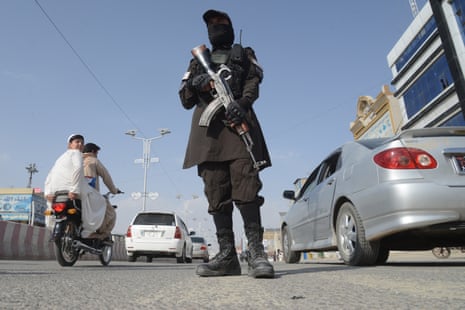

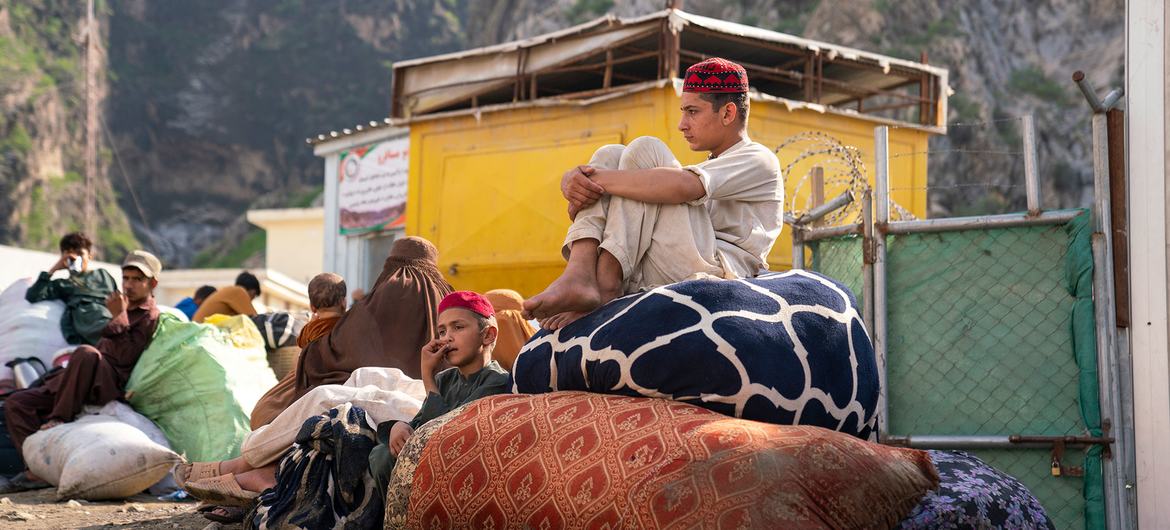
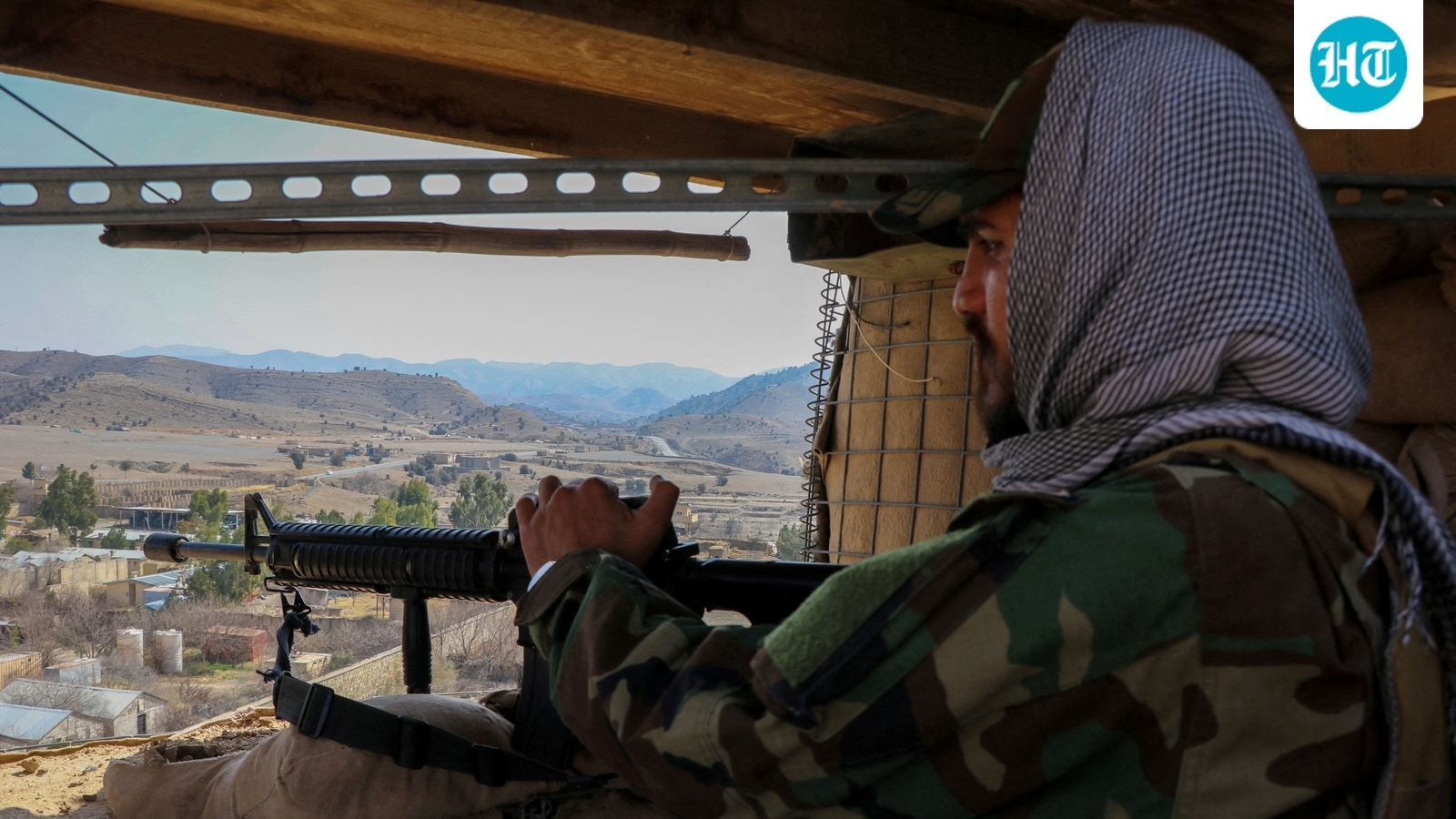



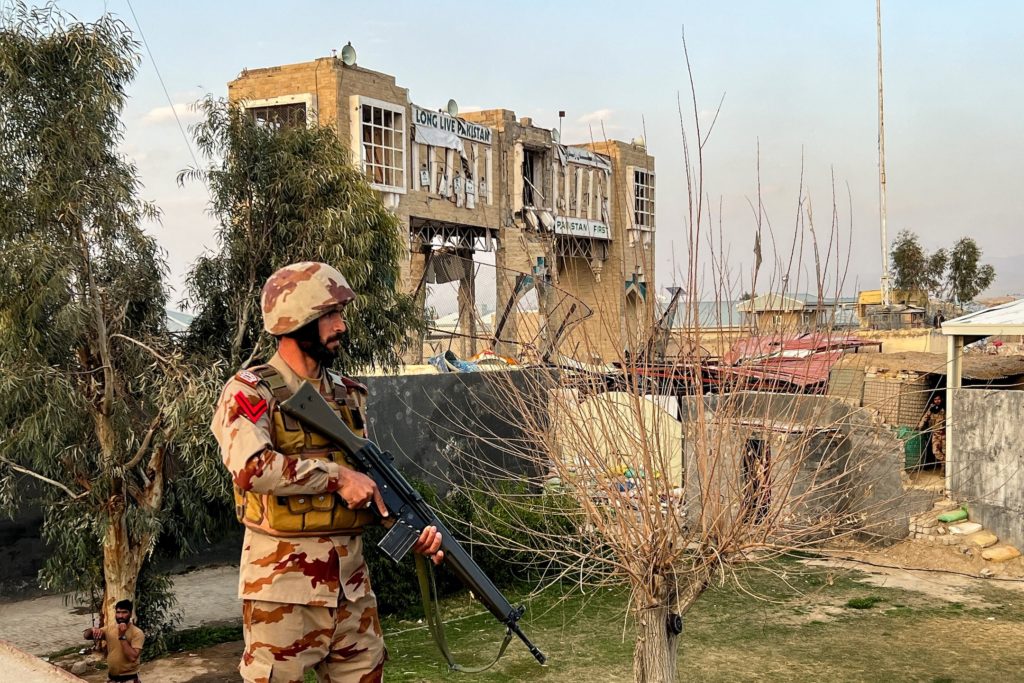
Overview
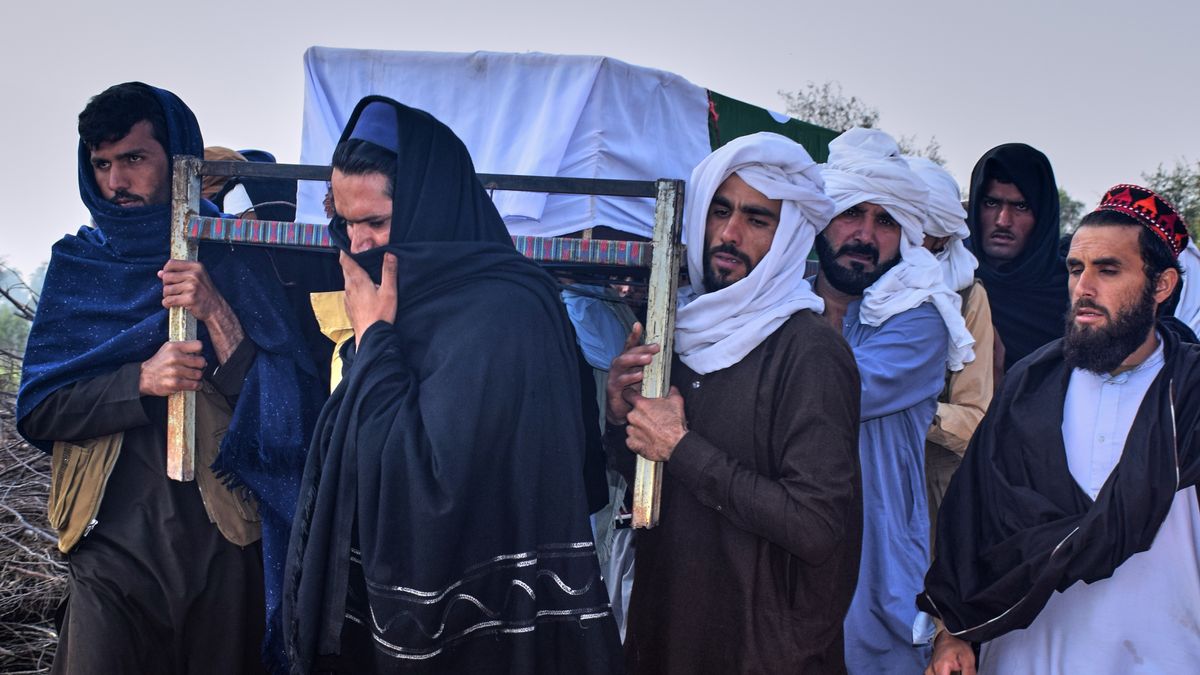
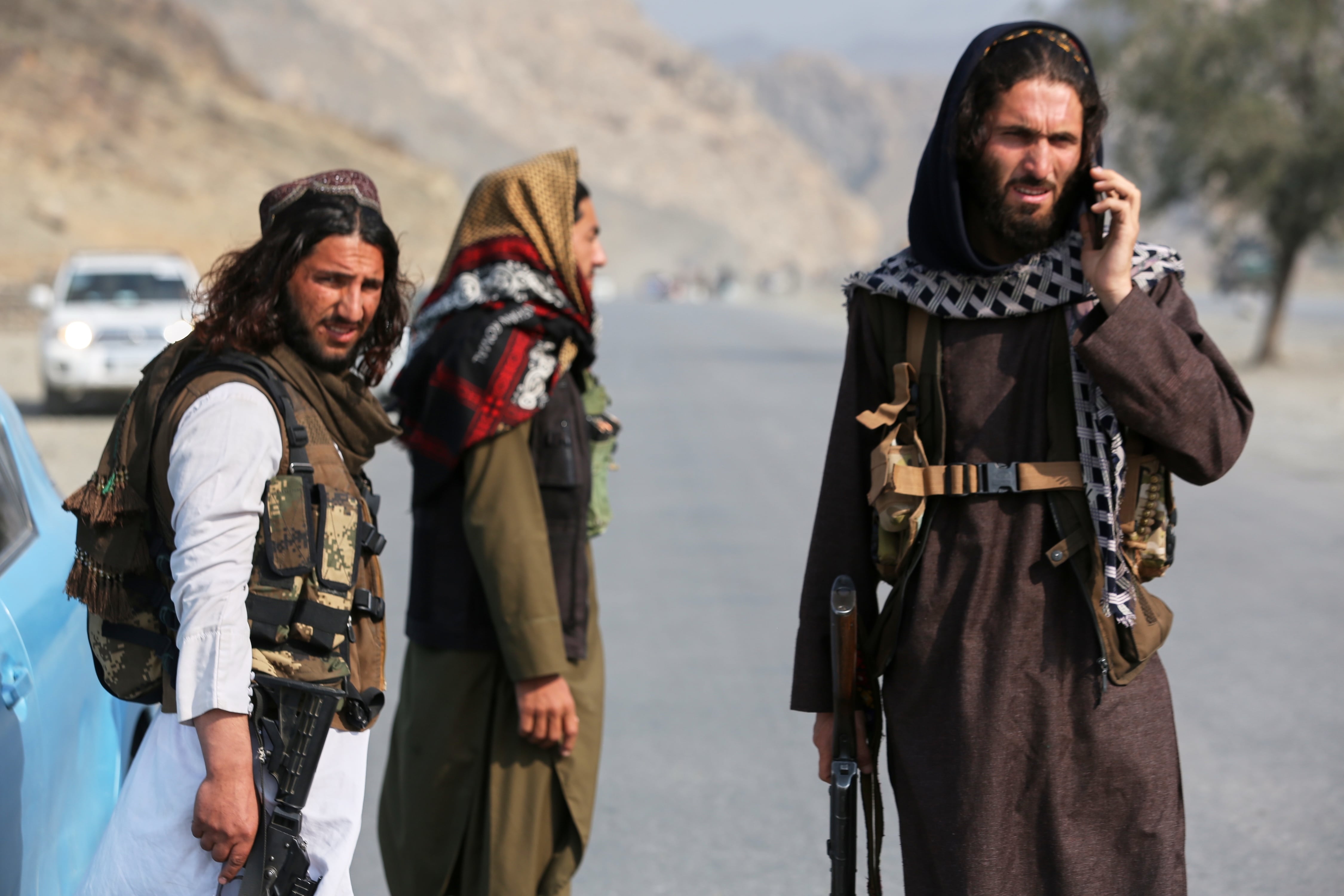
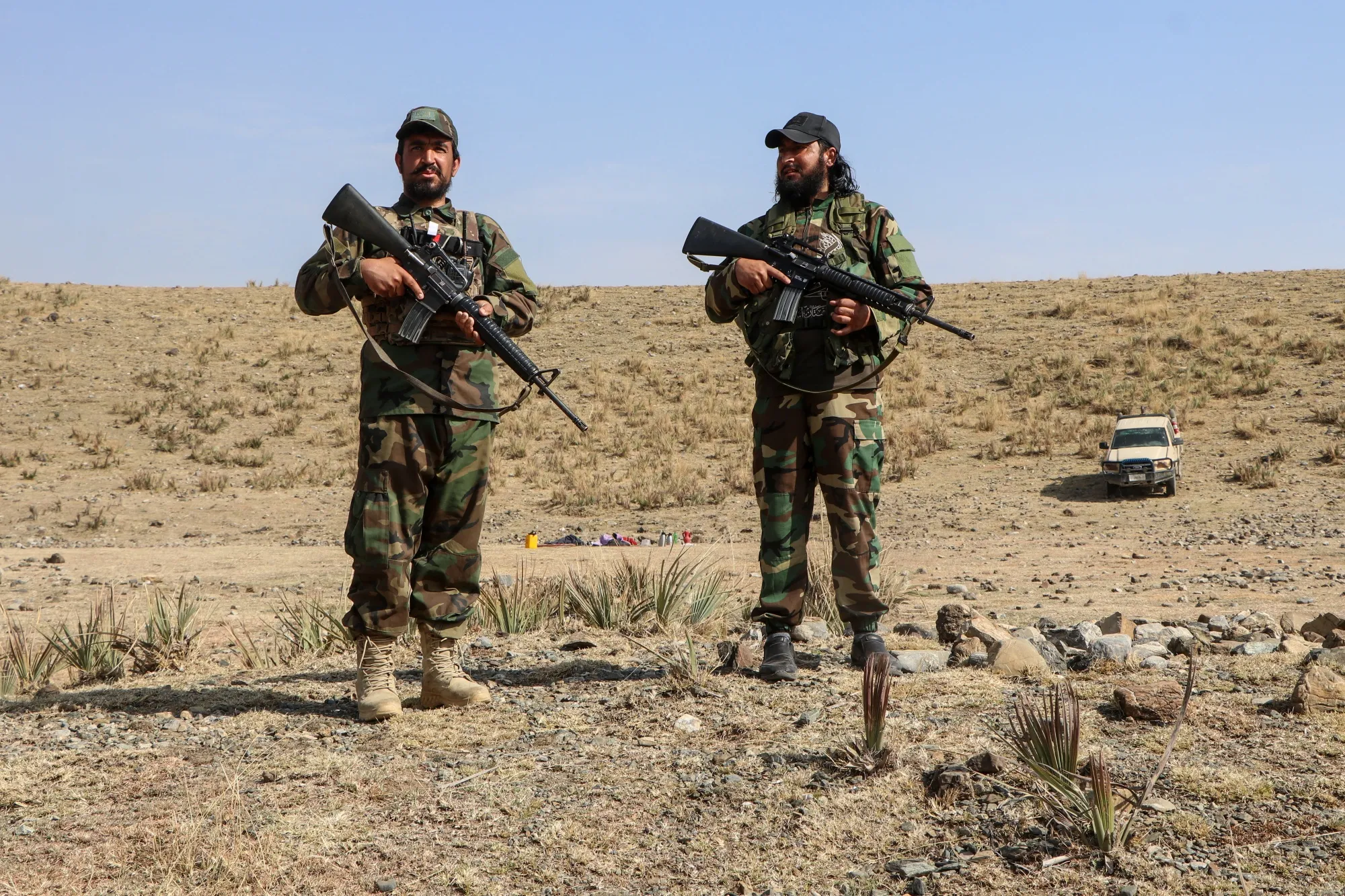
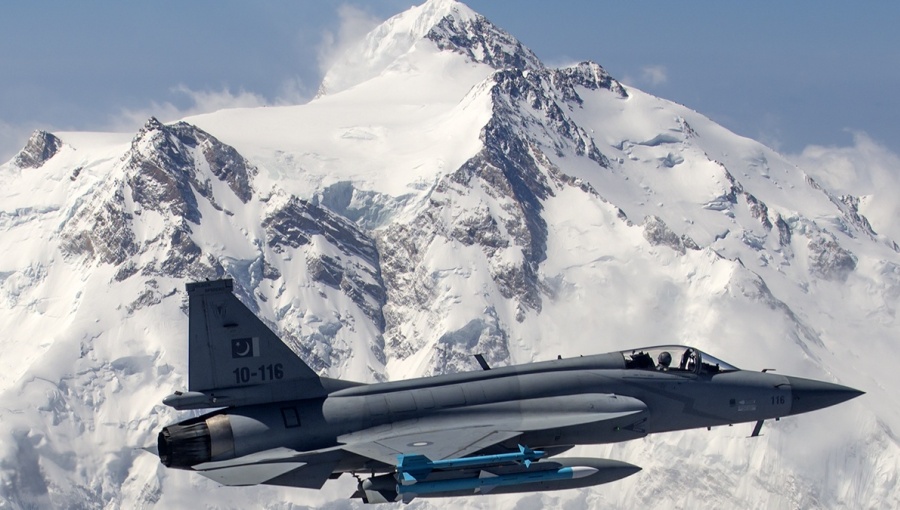
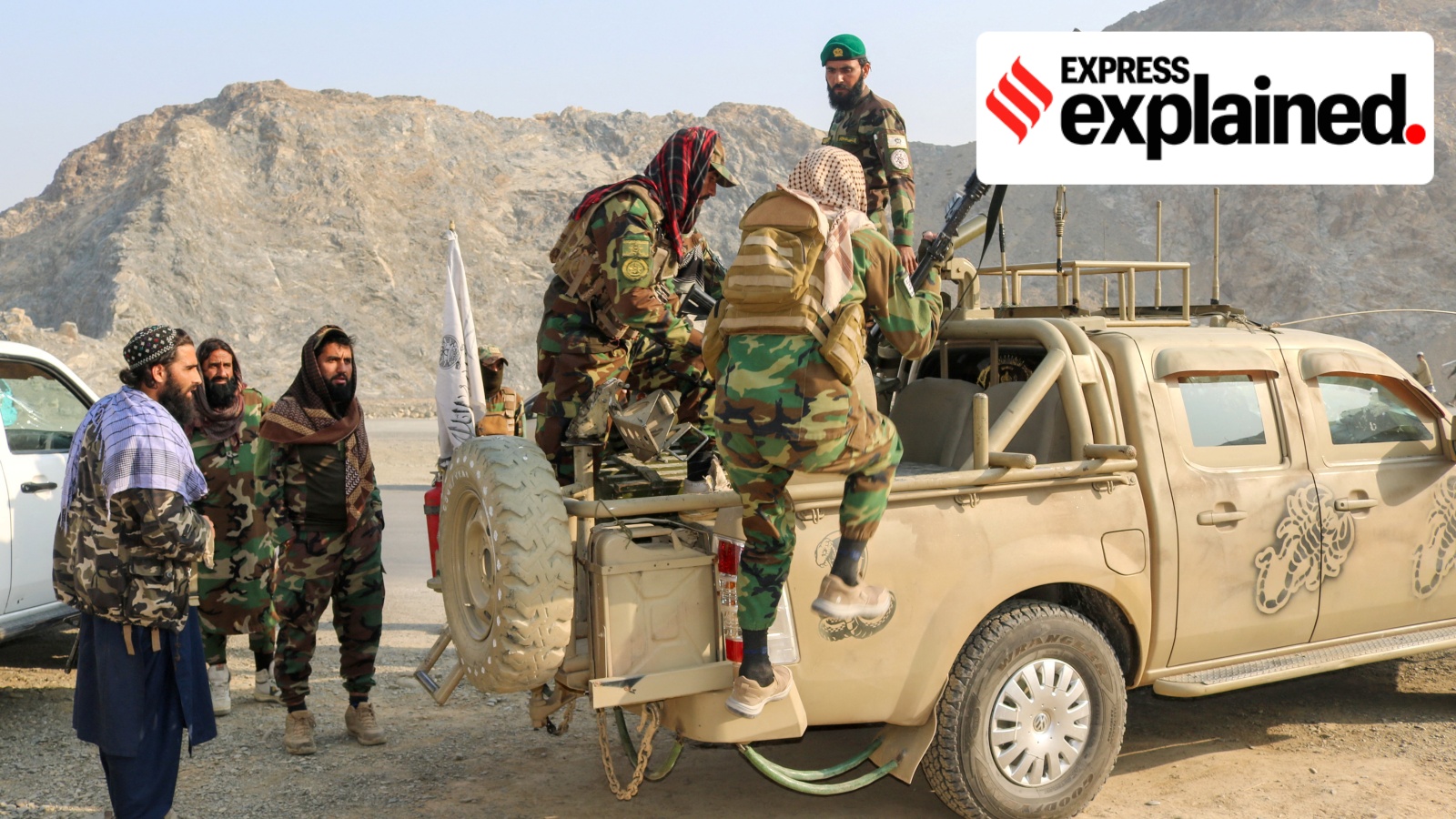
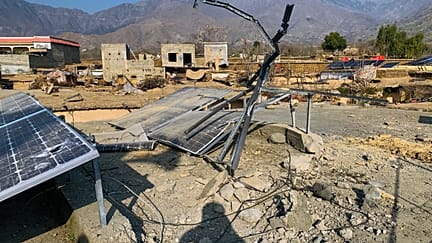
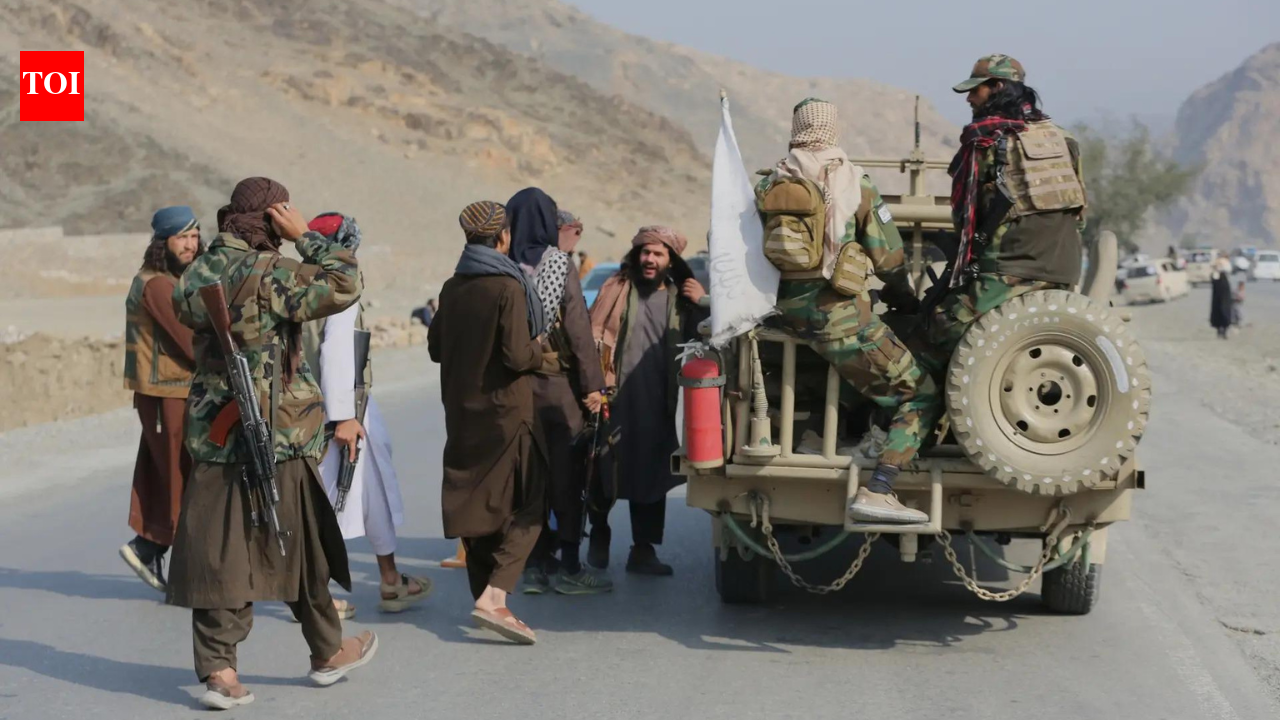
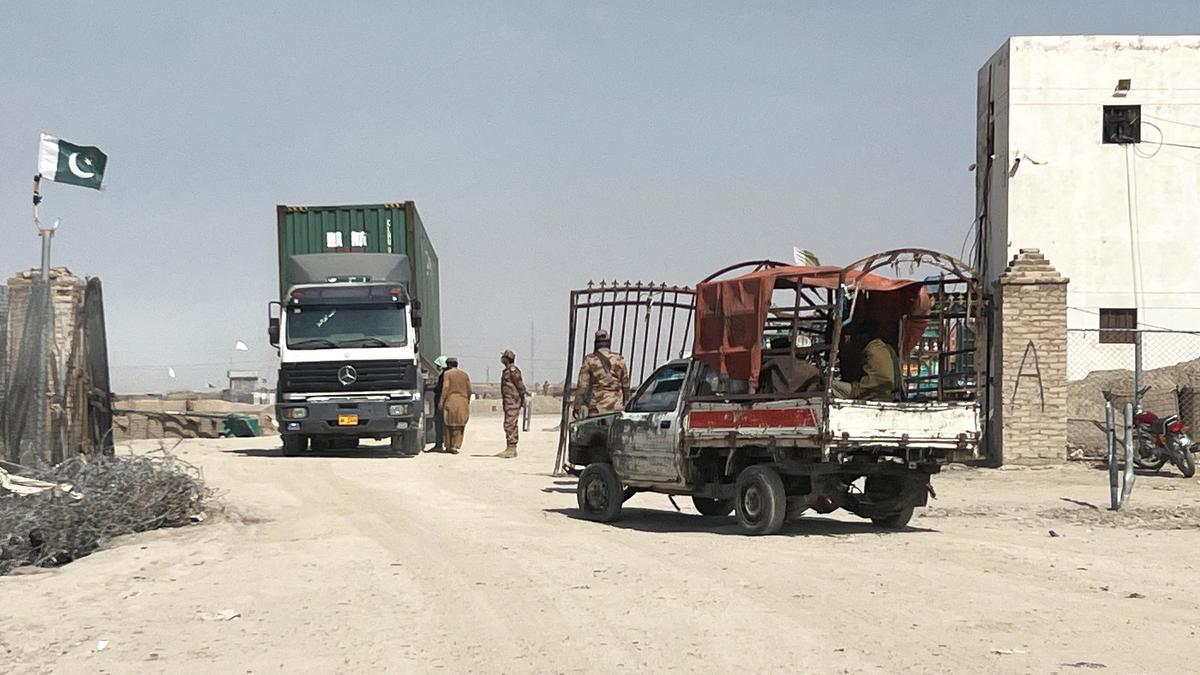
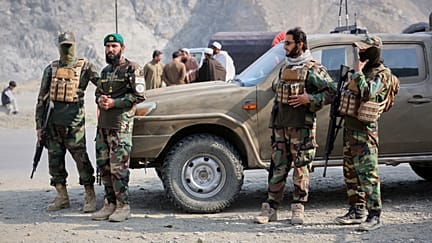
The escalating military conflict between Pakistan and Afghanistan in late February 2026 represents a critical supply chain disruption for cross-border e-commerce sellers operating in South Asia. Pakistan's "Ghazab Lil Haq" military operation—involving airstrikes on Kabul, Kandahar, and Paktia—has directly impacted the Torkham border crossing, the primary trade gateway between the two nations and a key logistics hub for sellers shipping to Afghanistan, Pakistan, and Central Asian markets. This represents the most serious flare-up since October 2025, with border closures affecting an estimated $2.1B annual bilateral trade corridor.
Immediate Logistics Impact: The Torkham crossing disruption creates 15-25% shipping delays for sellers with inventory in transit or pending fulfillment to Afghanistan and Pakistan. Sellers using Pakistan-based 3PL providers (particularly those in Peshawar and Islamabad) face route rerouting through longer corridors via Iran or Central Asia, adding 5-7 days to delivery timelines and increasing logistics costs by 12-18%. For sellers with FBA-equivalent operations in Pakistan or Afghanistan, the conflict creates inventory stranding risk—goods cannot move across borders, and domestic demand may contract due to economic uncertainty and reduced consumer spending during conflict periods.
Market Access Compression: Afghanistan represents a $400-600M e-commerce market with 8-12M online shoppers, primarily concentrated in Kabul and Kandahar. The conflict directly impacts this market's accessibility. Sellers previously leveraging Pakistan as a transshipment hub for Afghan deliveries now face 30-40% longer fulfillment windows. Additionally, the conflict signals potential policy shifts: Pakistan may implement stricter customs documentation requirements or temporary import restrictions on non-essential goods, similar to previous conflict periods. The Taliban government's openness to dialogue (contrasting with Pakistan's "no dialogue" stance) suggests prolonged instability rather than quick resolution, indicating sellers should plan for 60-90 day supply chain disruptions.
Competitive Repositioning Opportunity: This disruption creates arbitrage opportunities for sellers with alternative logistics networks. Sellers currently sourcing from or shipping through India, Bangladesh, or Vietnam can capture market share from Pakistan-dependent competitors. The conflict also accelerates demand for security-focused logistics solutions—sellers offering expedited, insured shipping through alternative corridors (air freight via Dubai, sea routes through Karachi with premium handling) can command 8-12% price premiums. Regional sellers based in Turkey, UAE, or Saudi Arabia (all actively mediating the conflict) may gain competitive advantages as neutral logistics hubs, particularly if they establish dedicated Afghanistan-Pakistan trade corridors.
Questions 7
How should sellers adjust inventory strategy during prolonged border closure?
Implement immediate actions: (1) Audit inventory in transit or stranded at Pakistan/Afghanistan borders within 48 hours; (2) Redirect new shipments to alternative hubs (India, UAE, Turkey) by March 5, 2026; (3) Reduce new inventory purchases for Pakistan/Afghanistan markets by 30-40% until border reopens; (4) Shift focus to domestic Pakistan market (Karachi, Lahore, Islamabad) where internal logistics remain operational; (5) Increase inventory in UAE, Turkey, and India hubs to serve regional demand when borders reopen. For Afghanistan-focused sellers, consider temporary market exit or pivot to digital-only sales (digital goods, services) that don't require physical logistics. Monitor casualty reports and diplomatic statements for de-escalation signals indicating 2-3 week reopening windows.
What alternative logistics routes should sellers consider during this conflict?
Sellers can reroute shipments through: (1) India-based 3PLs with established Pakistan connections (adds 3-5 days, 6-10% cost increase); (2) UAE/Dubai transshipment hubs with air freight to Karachi (adds 4-6 days, 15-20% cost premium but maintains reliability); (3) Turkey-based logistics providers leveraging diplomatic neutrality (adds 7-10 days, 10-14% cost increase); (4) Bangladesh-India-Pakistan corridor via sea freight through Chittagong (adds 10-14 days, 8-12% cost increase). For Afghanistan specifically, air freight via Doha or Istanbul to Kabul airport remains operational, though at 25-35% cost premiums. Sellers should negotiate volume discounts with alternative providers immediately, as demand for rerouting will spike.