



Strait of Hormuz Disruption Risk | Energy Cost Surge Threatens E-Commerce Logistics
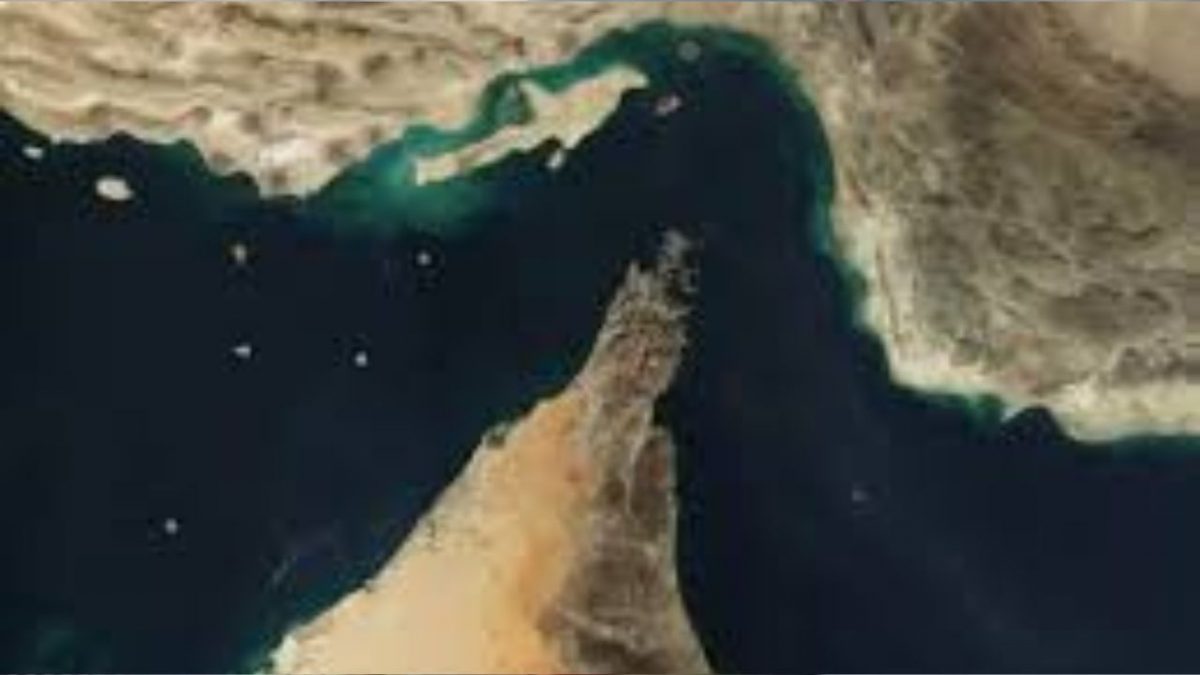
- 20% of global oil transits disputed waters; Brent crude could spike to $100/barrel, raising fulfillment costs 8-15% for cross-border sellers





)






































Overview
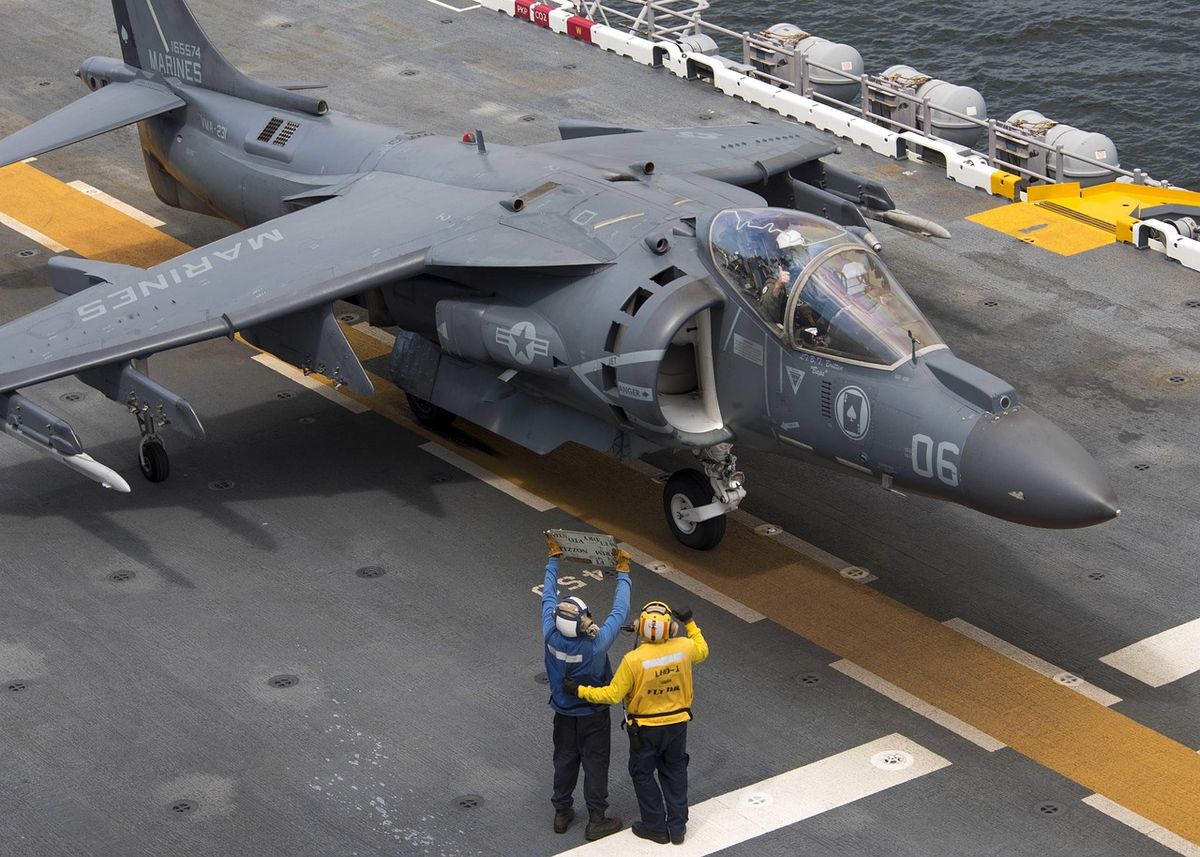
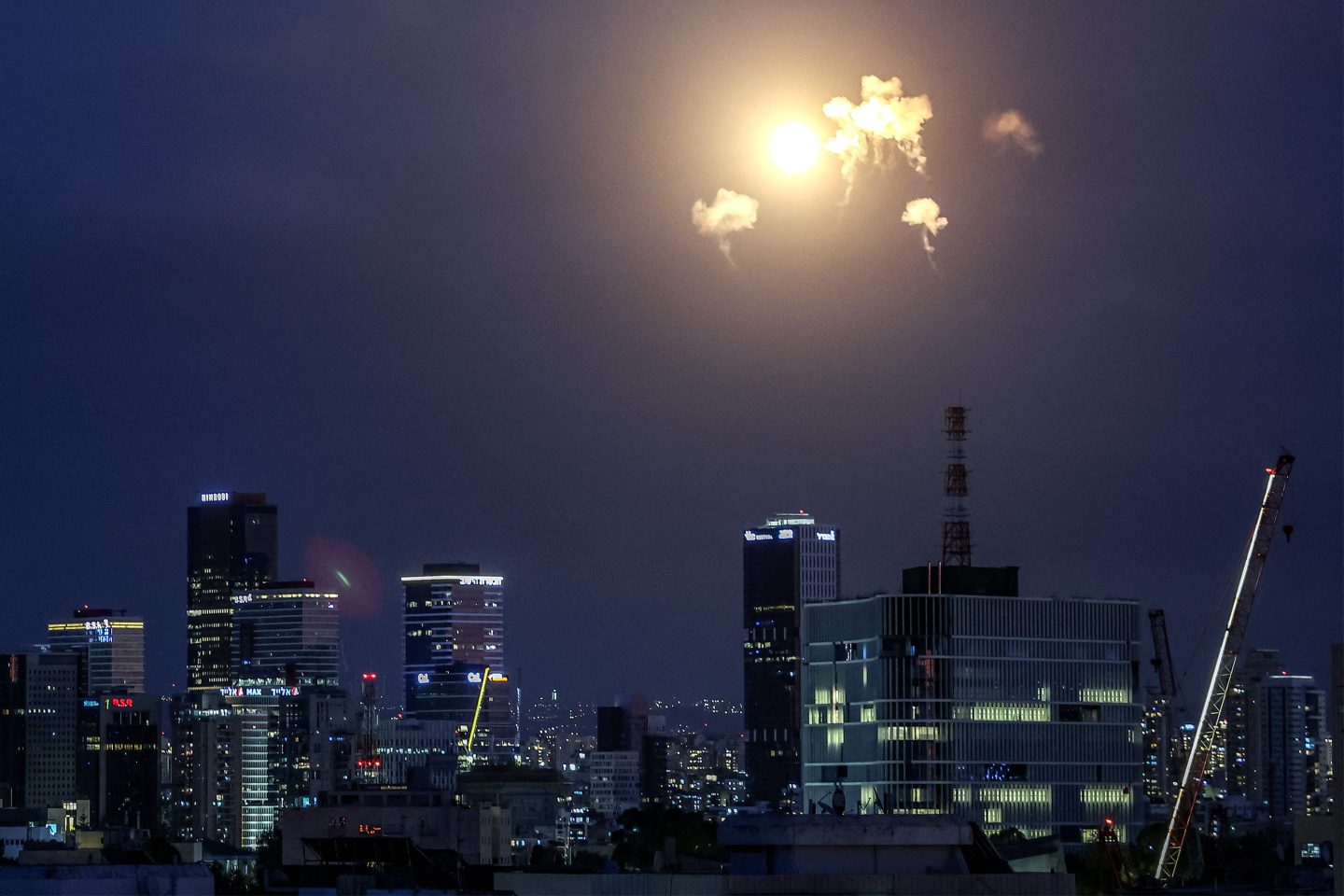
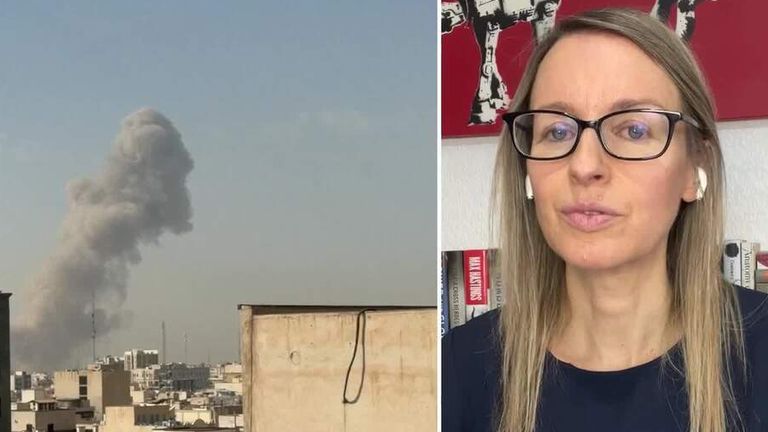
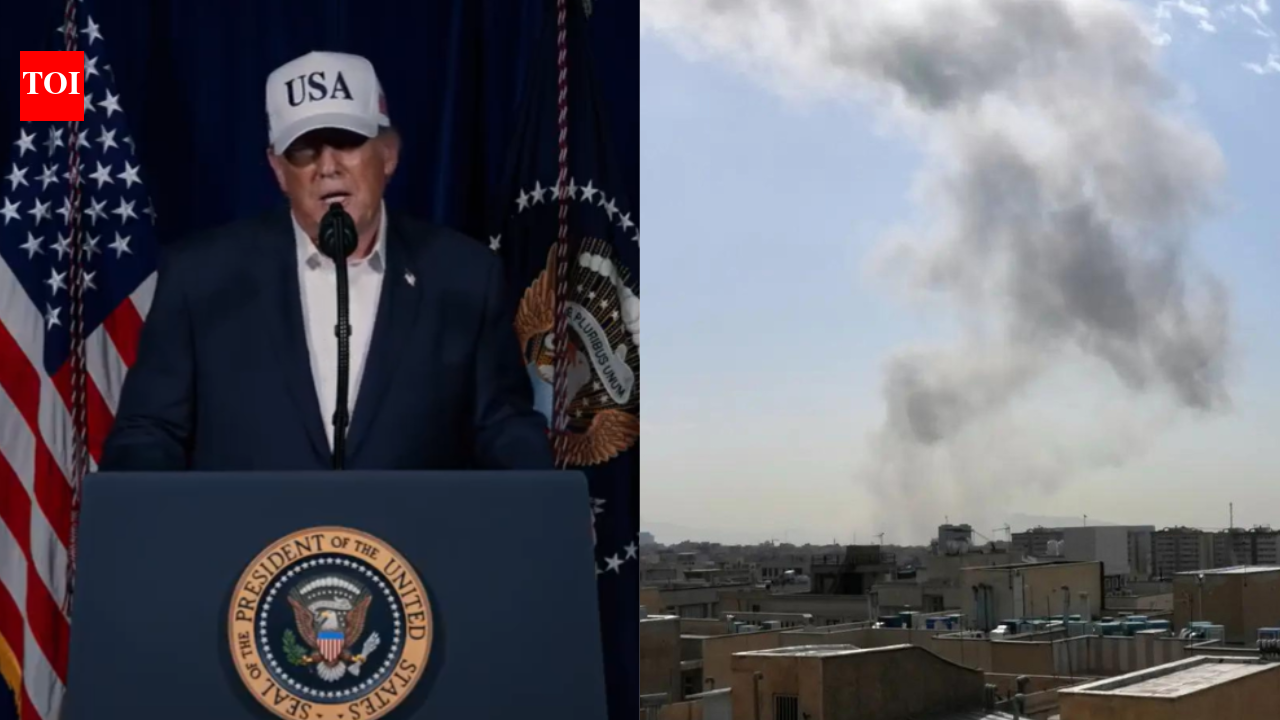
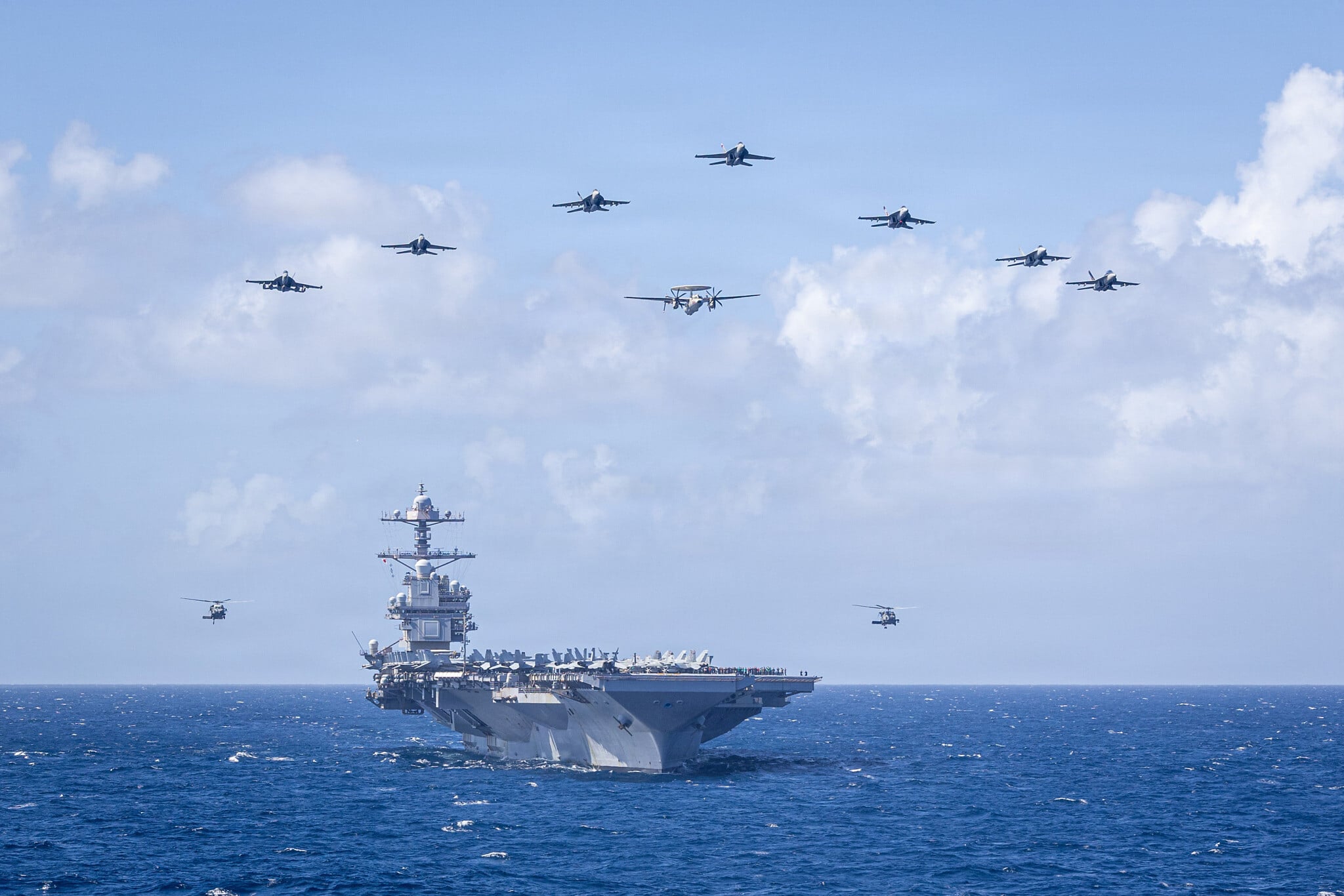
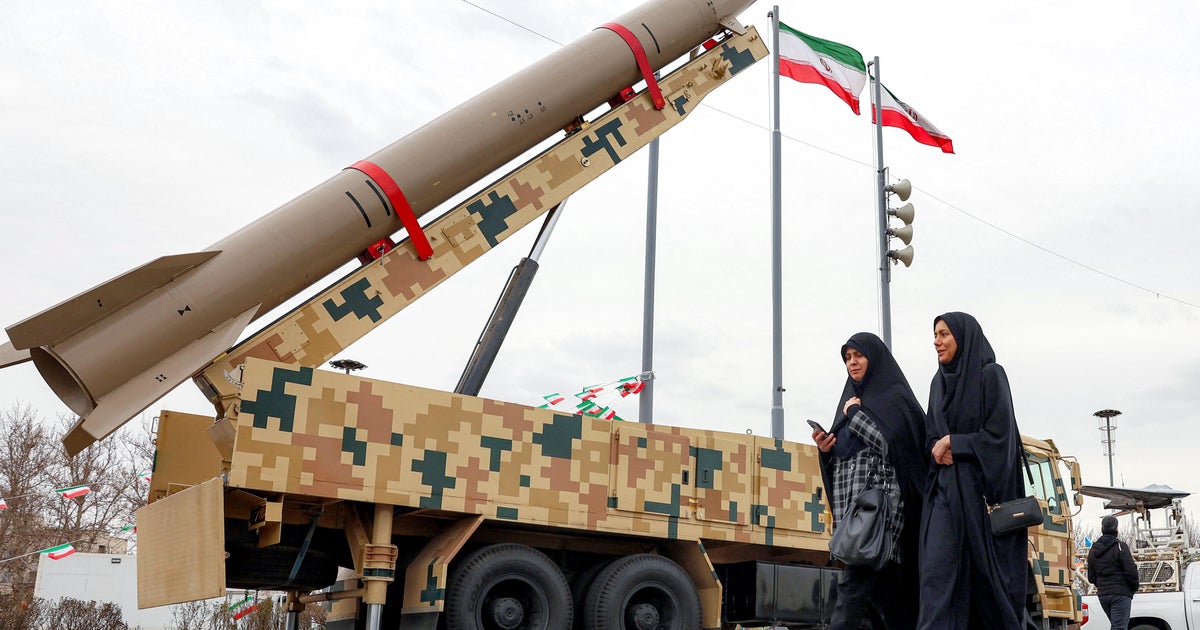
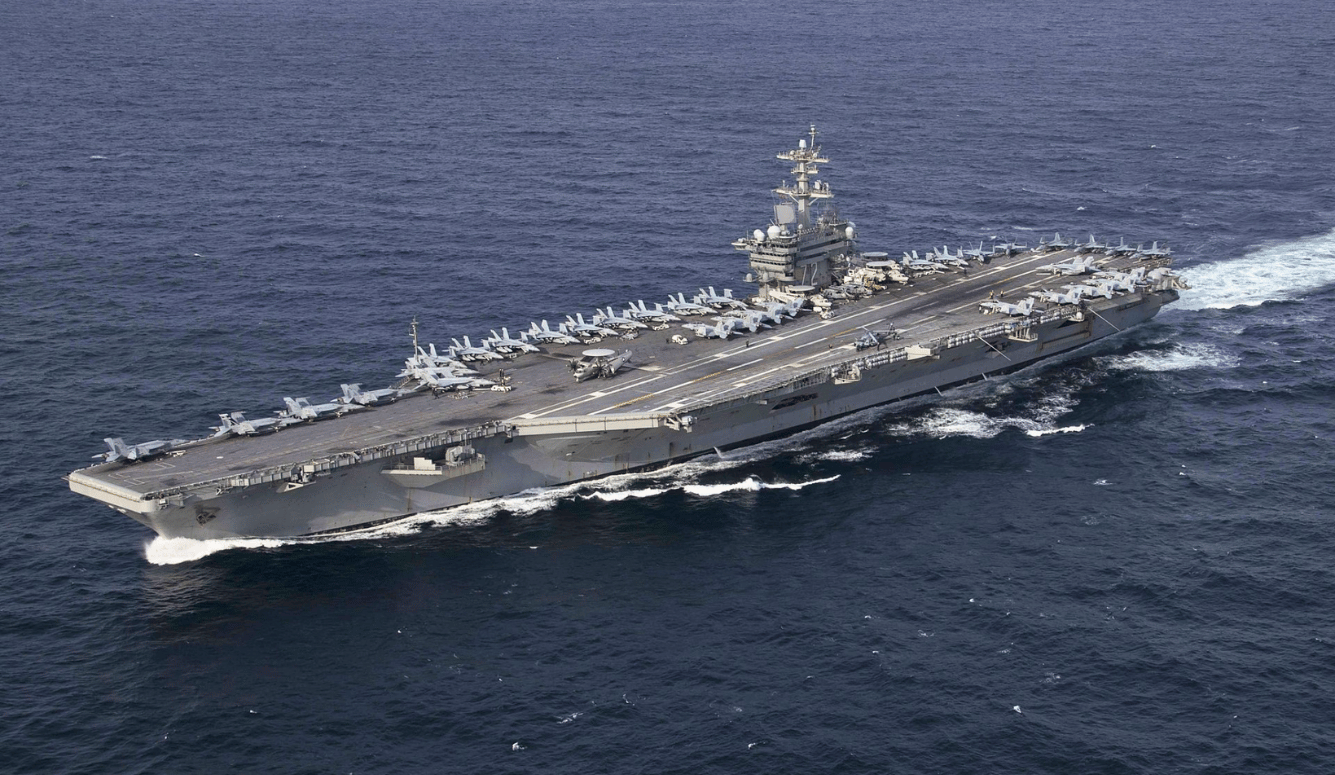
The escalating US-Iran military tensions documented across multiple news sources (February 26-28, 2026) present a critical supply chain risk for cross-border e-commerce sellers, with the Strait of Hormuz emerging as the central vulnerability. According to Admiral James Stavridis's analysis, Iran could respond to US military strikes by closing the Strait of Hormuz, through which approximately 20% of global oil passes—a scenario that could send Brent crude prices to $100 per barrel. This energy cost shock directly impacts e-commerce operations through three mechanisms: (1) Fulfillment Cost Escalation: Increased fuel surcharges on FBA shipments, 3PL logistics, and international air freight. Sellers using Amazon FBA could see storage and fulfillment fees rise 8-15% within 30-60 days of supply disruption. (2) Shipping Route Rerouting: Vessels avoiding the Strait would add 7-10 days to Asia-Europe transit times and increase shipping costs by 12-20% for sellers sourcing from China, Vietnam, or India. (3) Product Category Vulnerability: High-weight, low-margin categories (electronics, appliances, furniture) face margin compression of 5-8%, while lightweight luxury goods and digital products remain insulated.
The geopolitical uncertainty creates immediate operational decisions for sellers. The news reports indicate Trump administration officials have called for regime change, with diplomatic negotiations ongoing through Omani mediation (as of February 27, 2026). However, the Henry Jackson Society analysis emphasizes that authoritarian regimes are designed to outlast opponent attention spans, suggesting prolonged uncertainty rather than rapid resolution. This creates a 60-90 day window where energy prices remain elevated and shipping routes face disruption risk. Sellers should immediately audit their supply chain exposure: those with 40%+ of inventory sourced from Asia-Pacific regions face the highest risk, while sellers with European or North American sourcing enjoy relative protection. Currency volatility compounds the risk—the Bloomberg newsletter notes China's yuan movements and derivative market positioning are shifting, indicating traders are already pricing in supply chain disruption scenarios.
The compliance and strategic implications extend beyond logistics. If sanctions escalate against Iran (as suggested by the congressional oversight discussions in the New York Times piece), sellers with any Iranian market exposure or suppliers with Iranian components face sudden regulatory barriers. Additionally, the cyber attack risks mentioned by security experts (Colin Clarke, Soufan Center; Thomas Warrick, Atlantic Council) could disrupt payment processing systems and marketplace infrastructure, creating operational downtime risks for sellers relying on real-time inventory management and order fulfillment systems. The most likely outcome, per the analysis, is prolonged instability rather than swift resolution, making this a 6-12 month planning horizon for supply chain restructuring.
Questions 8
What happens to my shipping costs if the Suez Canal route becomes the alternative?
Rerouting from the Strait of Hormuz to the Suez Canal adds approximately 7-10 days to Asia-Europe transit times and increases shipping costs by 12-20% due to longer distance and higher fuel consumption. For a 40-foot container from Shanghai to Rotterdam, costs could rise from $3,500-4,500 to $4,200-5,400. Air freight premiums are even steeper—Asia to US air freight could increase 15-25%. Sellers should lock in shipping rates now if possible and consider consolidating shipments to reduce per-unit costs. Monitor Suez Canal congestion reports, as alternative routing could create bottlenecks.
Should I diversify my sourcing away from Asia right now?
A 60-90 day diversification window exists before supply chain costs stabilize. The news indicates diplomatic negotiations are ongoing (Omani mediation as of February 27, 2026), but the Henry Jackson Society analysis suggests prolonged uncertainty. For sellers with 50%+ Asia sourcing, consider: (1) Shifting 15-25% of volume to Vietnam or India (lower geopolitical risk than China), (2) Exploring nearshoring to Mexico for US-focused sellers (eliminates Strait exposure), (3) Building 60-day safety stock of high-velocity SKUs before prices rise further. The cost of diversification (higher unit costs, longer lead times) is typically 5-8% but protects against 12-20% shipping cost spikes. Calculate your break-even point based on current margins.