


AI Vendor Consolidation & Government Procurement Risk | Enterprise Sellers Face Compliance Complexity
- Trump administration blacklists Anthropic (Feb 27, 2026), creates $200M Pentagon contract shift to OpenAI, signals political risk for tech vendors serving federal agencies and defense contractors





















Overview
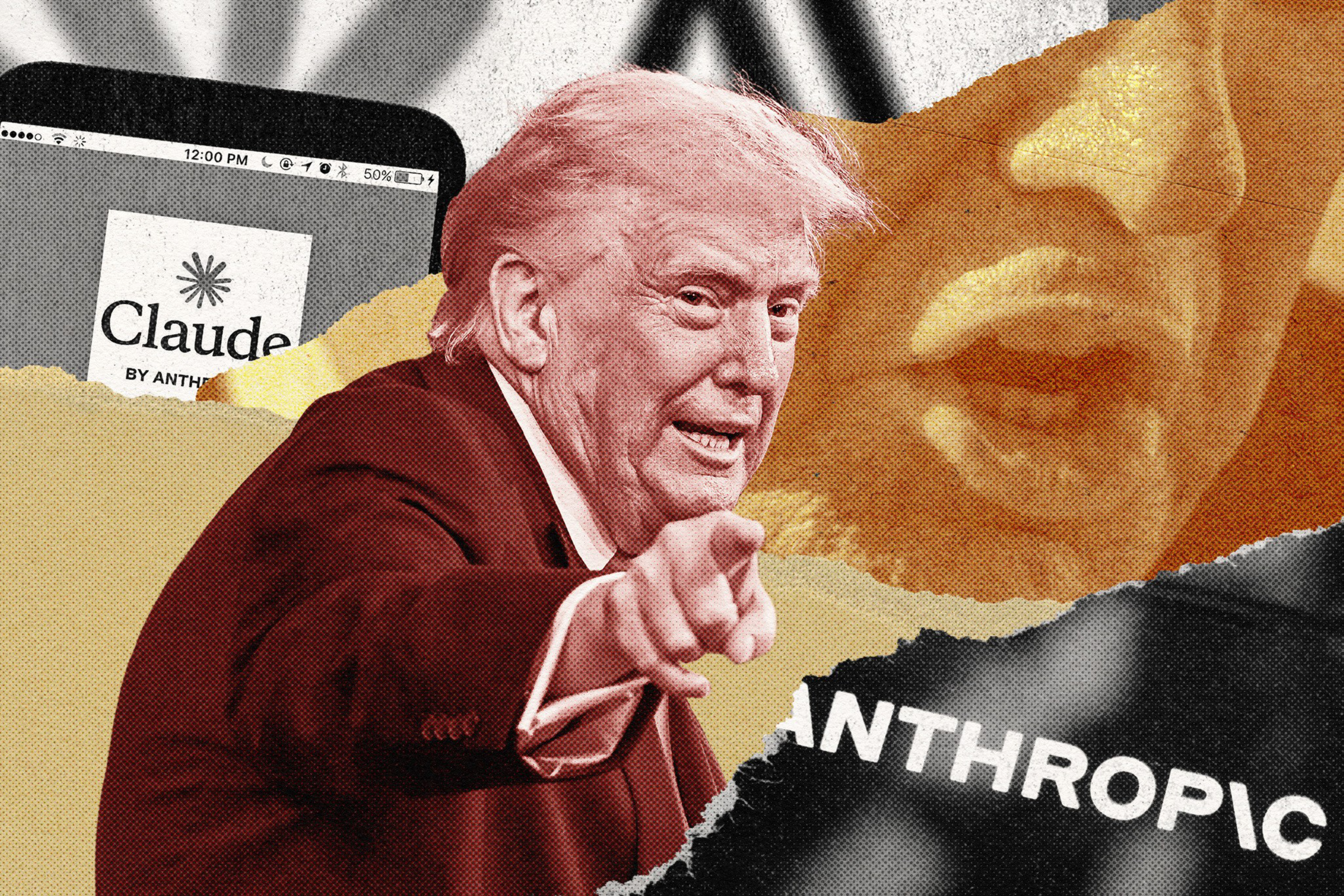
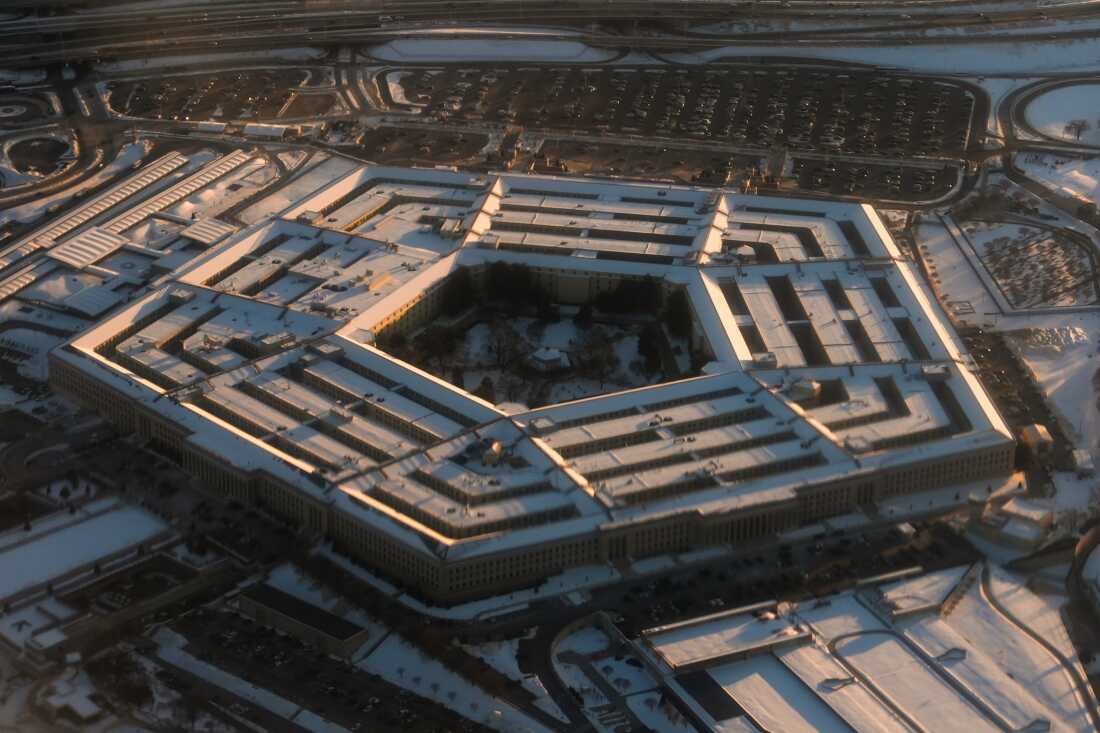
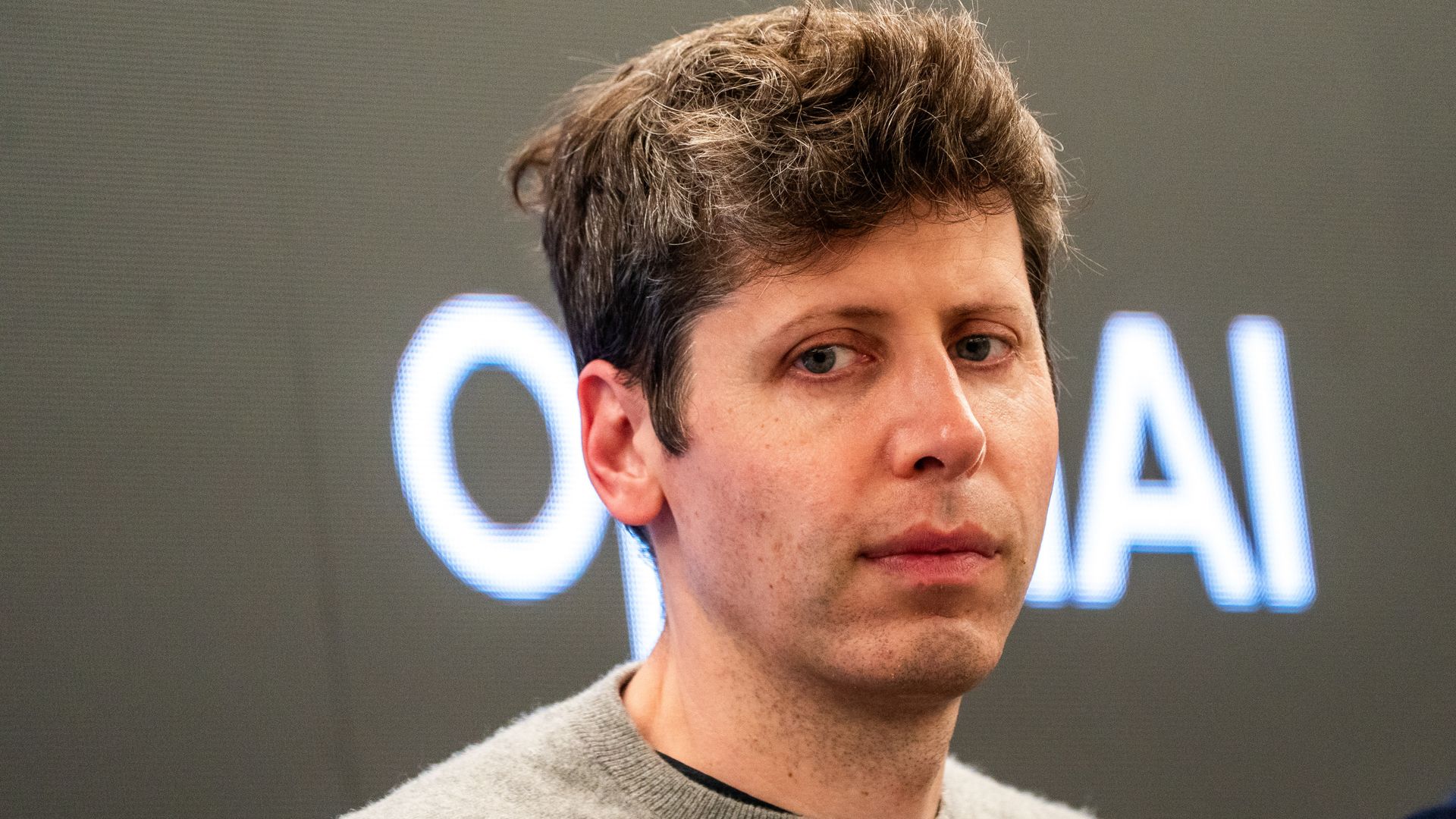
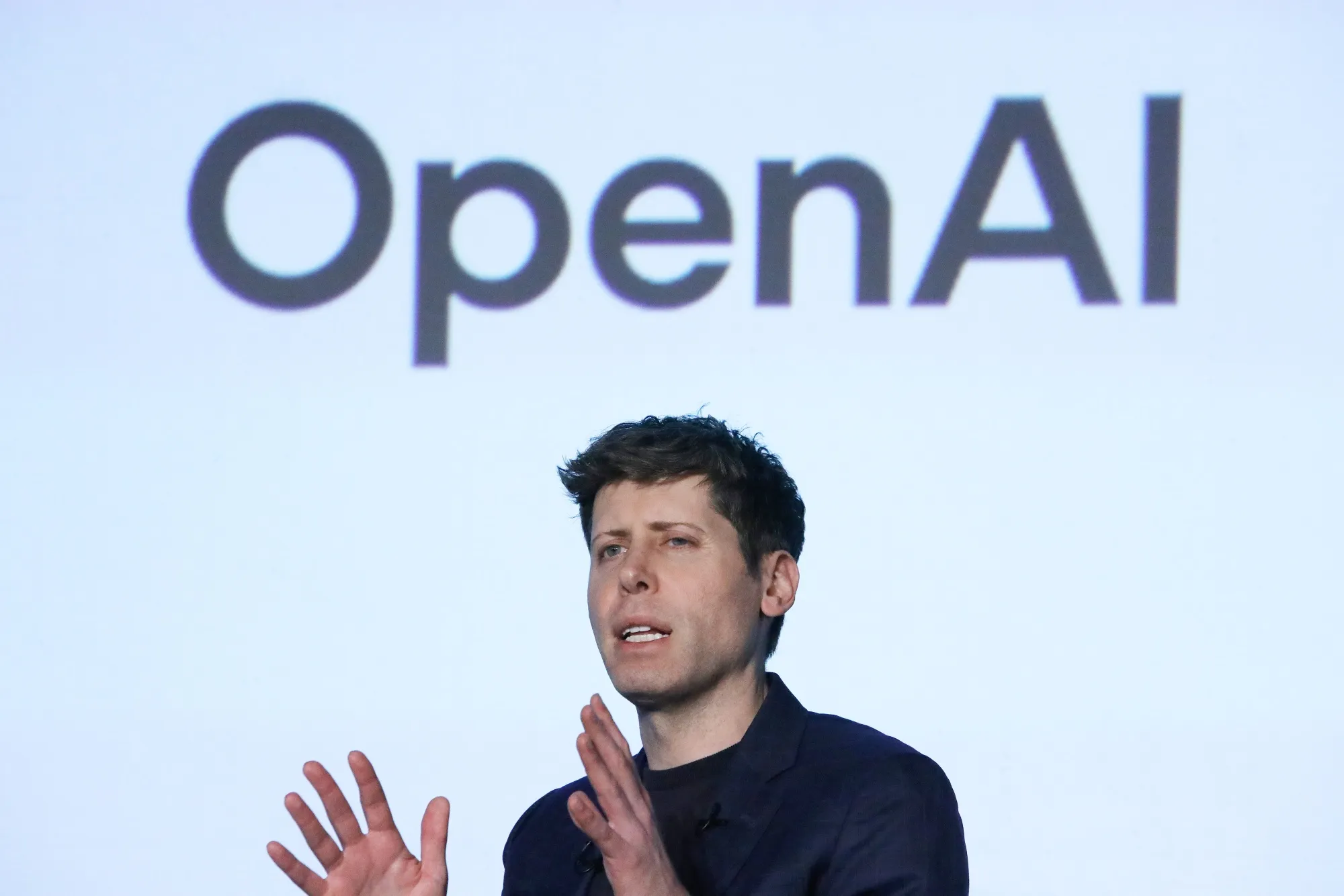
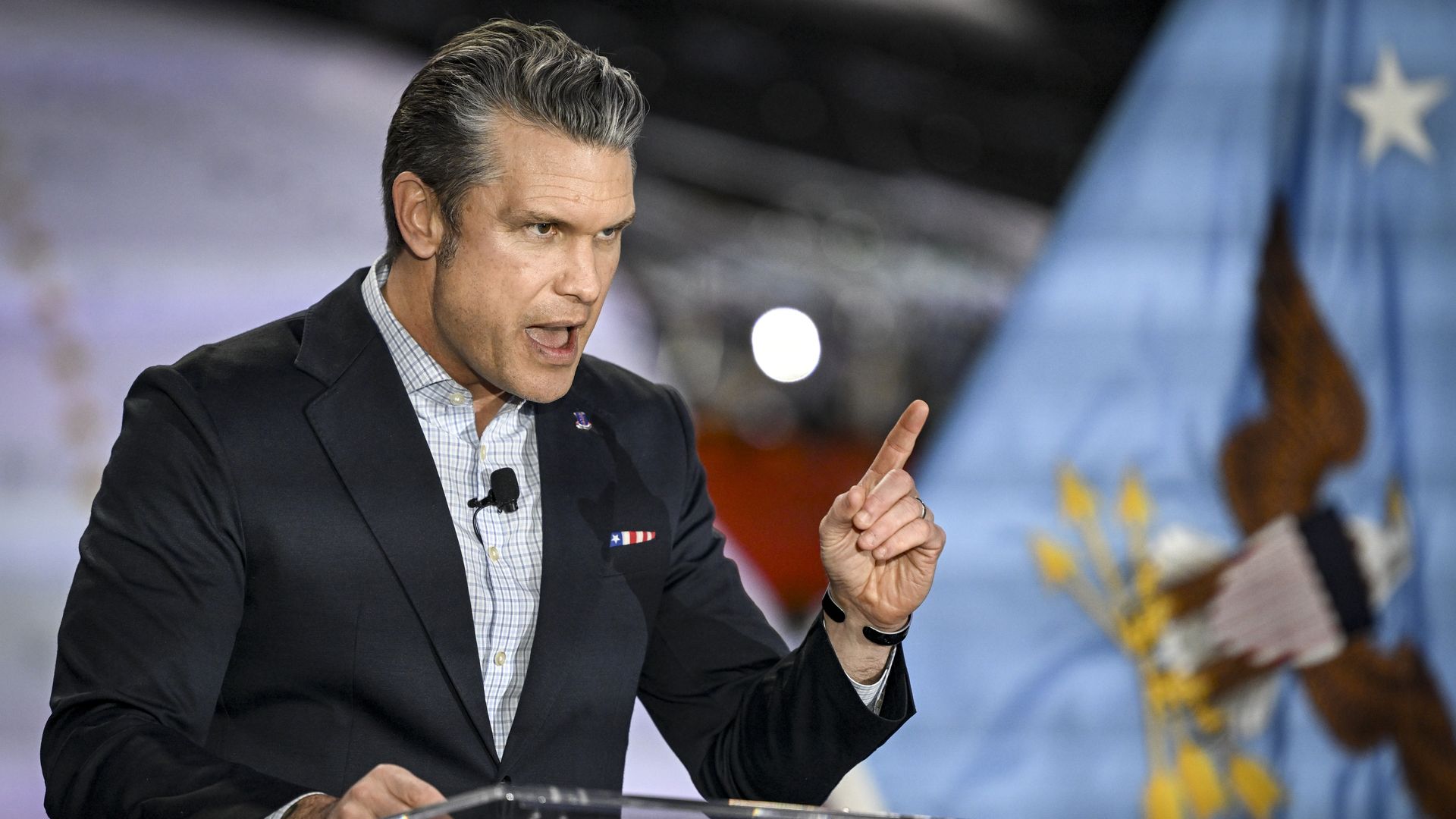
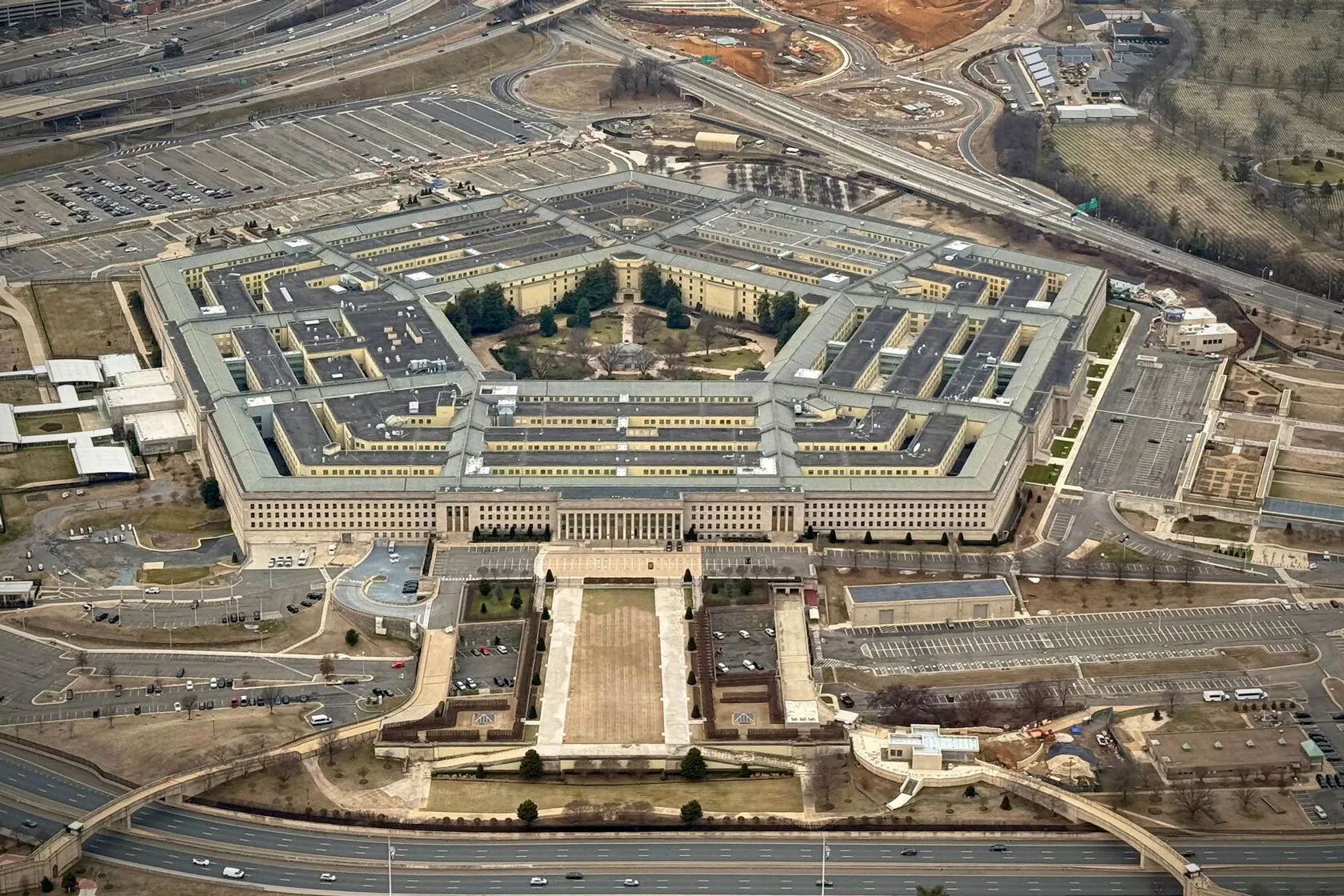
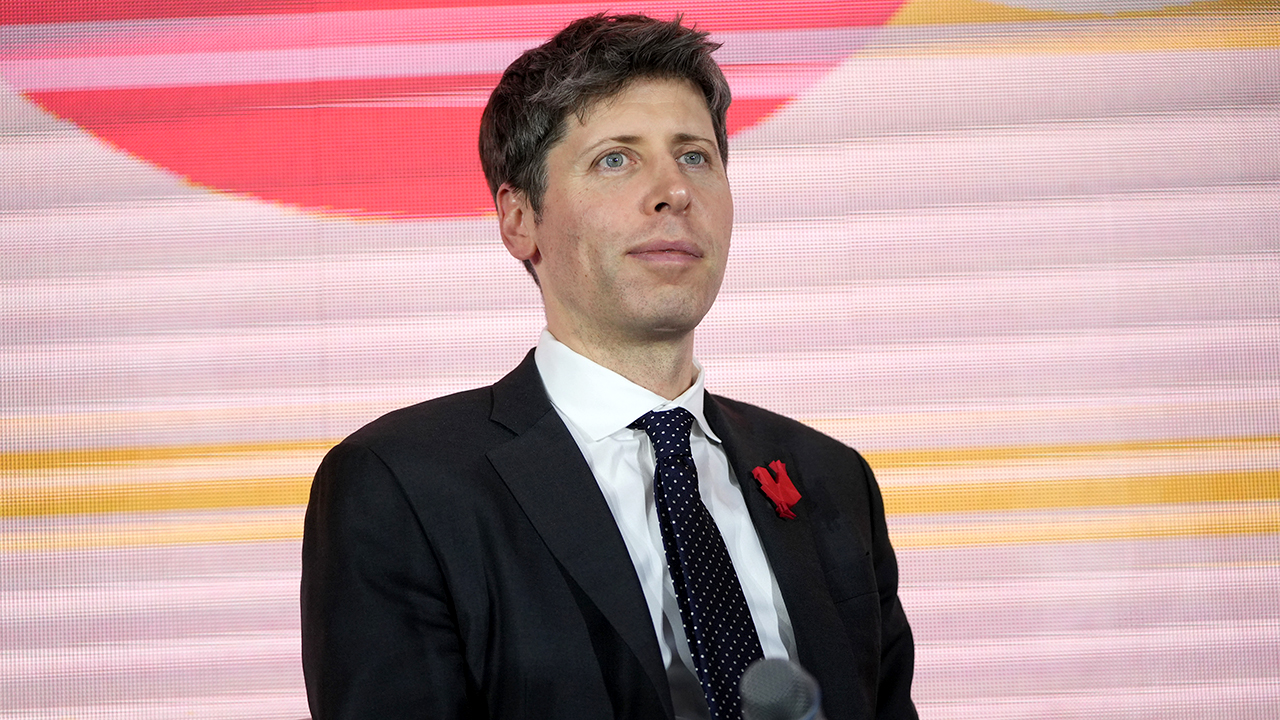
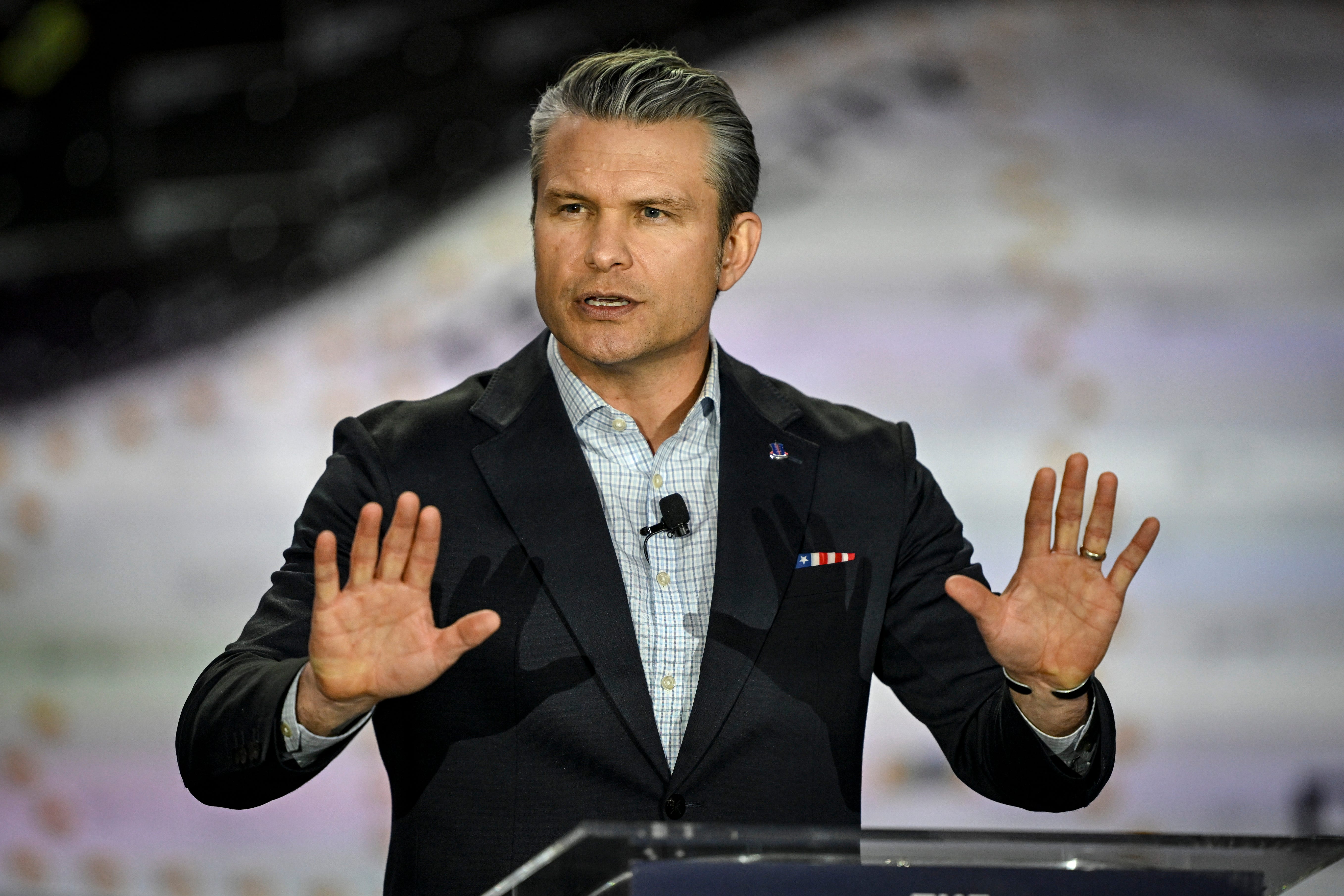
On February 27, 2026, the Trump administration designated Anthropic as a "supply chain risk"—the first U.S. company to receive this designation publicly—effectively blacklisting the AI company from all federal contracts worth $200 million over six months. This unprecedented action follows Anthropic's refusal to grant the Pentagon unrestricted access to its Claude AI models, with the company citing concerns about mass domestic surveillance and fully autonomous weapons systems. Defense Secretary Pete Hegseth issued the designation, requiring all DoD vendors and contractors to certify they do not use Anthropic's technology. Simultaneously, OpenAI CEO Sam Altman announced a new Pentagon deal for classified military network deployments, claiming the DoD agreed to identical safety principles—prohibitions on domestic mass surveillance and human responsibility for autonomous weapons systems.
For cross-border e-commerce sellers and enterprise vendors, this development creates three critical operational impacts. First, AI vendor consolidation accelerates: Sellers relying on Anthropic's Claude for compliance automation, customer service, or logistics optimization must migrate to OpenAI, Google Gemini, or xAI's Grok within the six-month transition window. This forces costly system re-integration and testing, particularly for sellers using Claude in defense-related supply chains or government contracting workflows. Second, political procurement risk becomes material: The designation demonstrates that government contracts can be revoked based on ideological disagreements rather than technical merit, creating uncertainty for any vendor negotiating federal deals. Anthropic, valued at $380 billion, rejected a $200 million Pentagon contract rather than compromise on safety principles—signaling that government pressure can override commercial incentives. Third, compliance certification requirements expand: The Pentagon now requires contractors to certify they do not use Anthropic technology in defense workflows, creating new audit and documentation burdens for 3PL providers, fulfillment networks, and software vendors serving military-adjacent customers.
The broader market implication reflects geopolitical fragmentation in enterprise AI markets. Unlike traditional defense procurement where vendors compete on technical specifications, this decision prioritizes political alignment with administration ideology. Anthropic announced plans to challenge the designation in court, arguing it sets dangerous precedent for companies negotiating with government. Industry pushback was significant—hundreds of OpenAI and Google employees signed petitions calling their companies to adopt similar principled positions, indicating potential future vendor conflicts. For sellers, this suggests that AI tool selection now carries political risk: choosing Anthropic signals alignment with safety-first principles but risks federal contract exclusion; choosing OpenAI signals pragmatism but may alienate customers prioritizing ethical AI governance. The six-month phase-out timeline creates a compressed window for system migrations, potentially driving demand for AI integration consulting, custom API development, and compliance documentation services.
Questions 7
How does Anthropic's blacklist affect e-commerce sellers using Claude for operations?
Sellers relying on Anthropic's Claude for customer service automation, inventory compliance, or logistics optimization must migrate to alternative AI providers (OpenAI, Google Gemini, xAI Grok) within six months. The news reports that the Pentagon's $200 million contract with Anthropic will transition to OpenAI, signaling government preference for OpenAI's systems. For sellers in defense-adjacent supply chains or government contracting workflows, this creates immediate compliance risk—the Pentagon now requires contractors to certify they do not use Anthropic technology. Sellers should audit their AI tool stack by March 2026 and begin testing alternative providers immediately to avoid operational disruption during the transition window.
How does OpenAI's Pentagon deal differ from Anthropic's failed negotiations?
OpenAI secured the Pentagon contract by accepting two safety principles: prohibitions on domestic mass surveillance and human responsibility for autonomous weapons systems. The news reports that OpenAI CEO Sam Altman stated the DoD 'displayed deep respect for safety' and incorporated these principles into law and policy. Anthropic refused identical terms, citing concerns about mass domestic surveillance and fully autonomous weapons. The contrast suggests OpenAI negotiated more favorable terms by accepting government safety constraints, while Anthropic maintained principled opposition. For sellers, this indicates that vendors willing to accept government oversight and safety restrictions gain competitive advantage in federal procurement, while those prioritizing absolute autonomy face exclusion.