


Middle East Air Freight Crisis | Sellers Face 15-30% Cost Surge & 2-5 Day Delays
- Dubai, Doha, Tel Aviv airspace closures disrupt cross-border logistics for 40K+ e-commerce sellers shipping perishables, electronics, and time-sensitive goods through Middle Eastern hubs














Overview
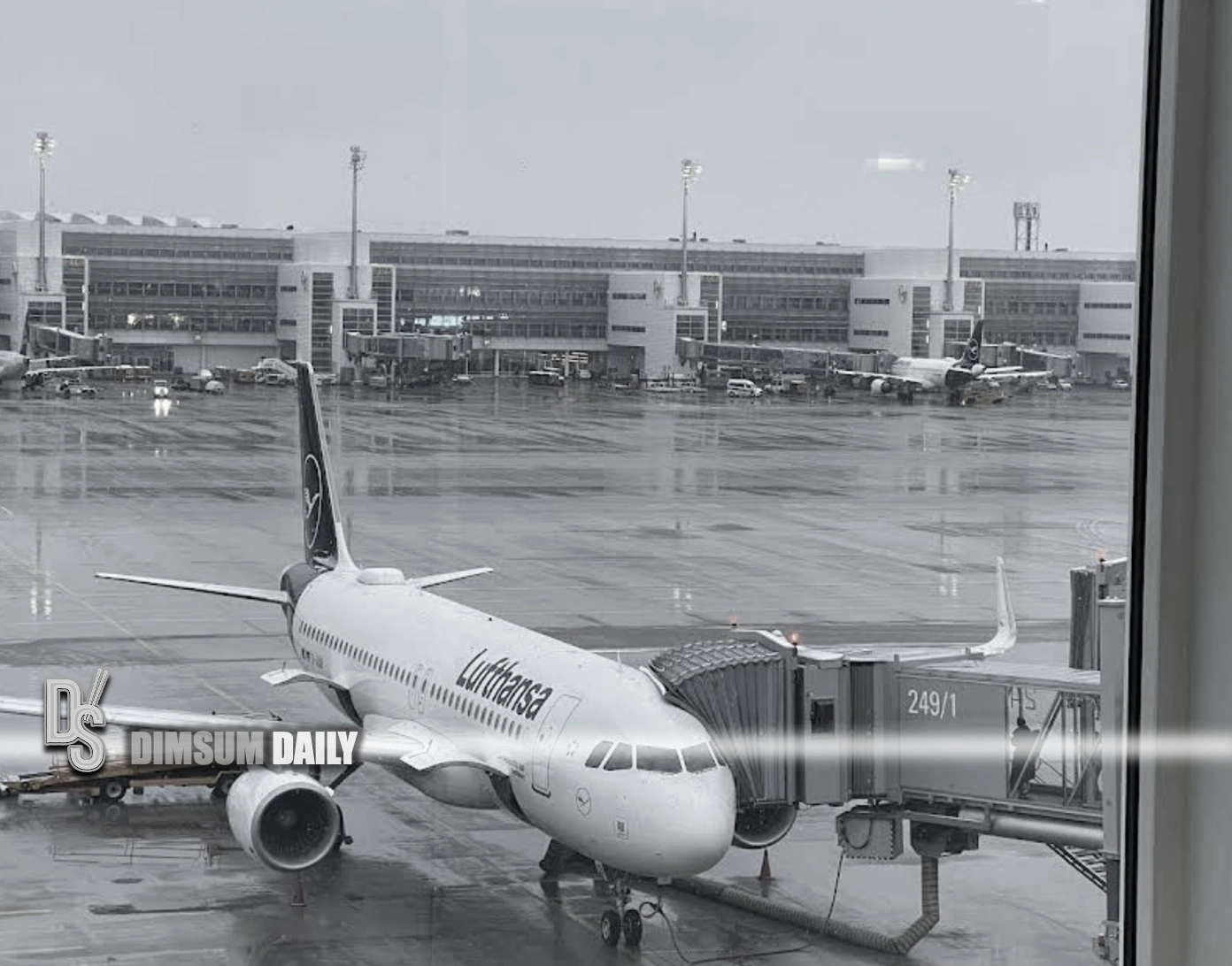
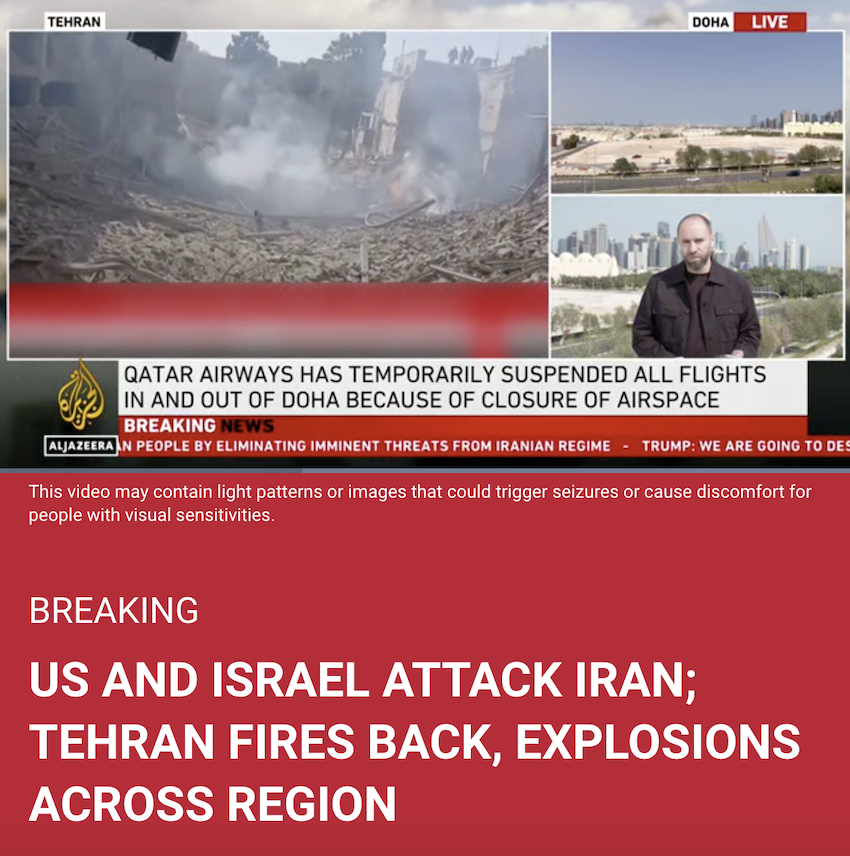
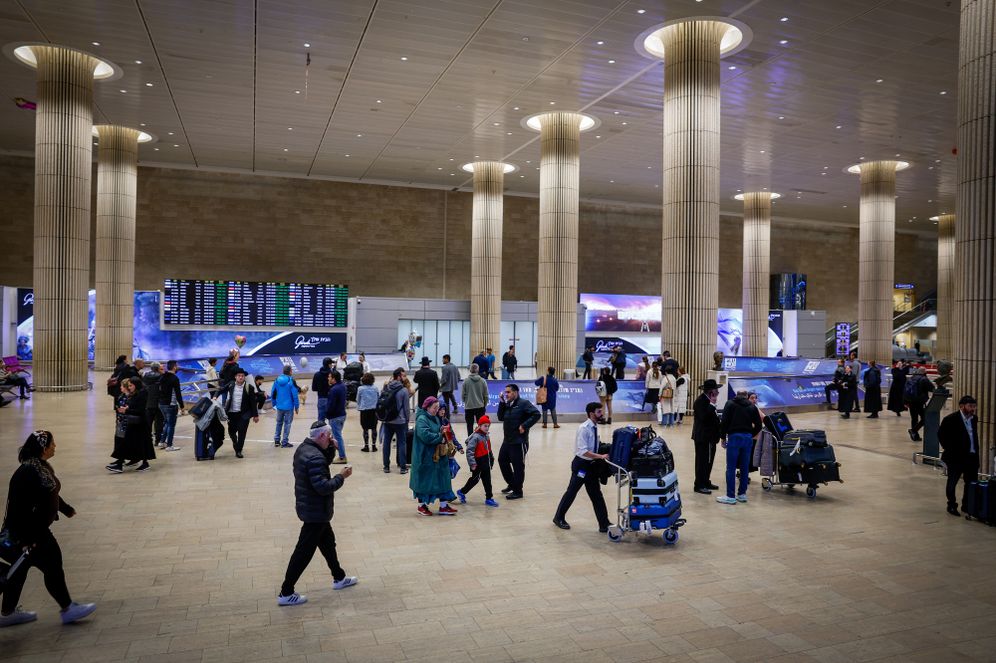
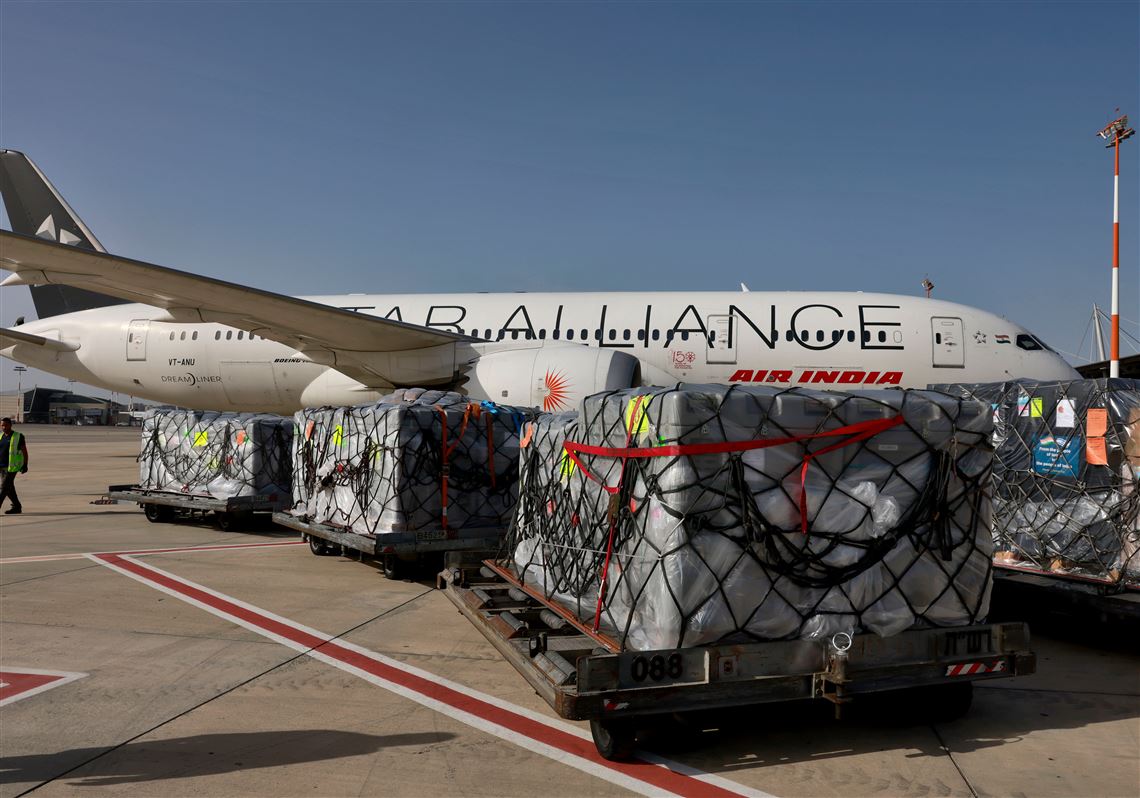
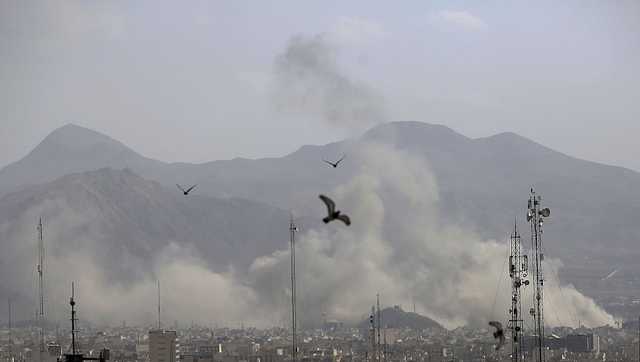
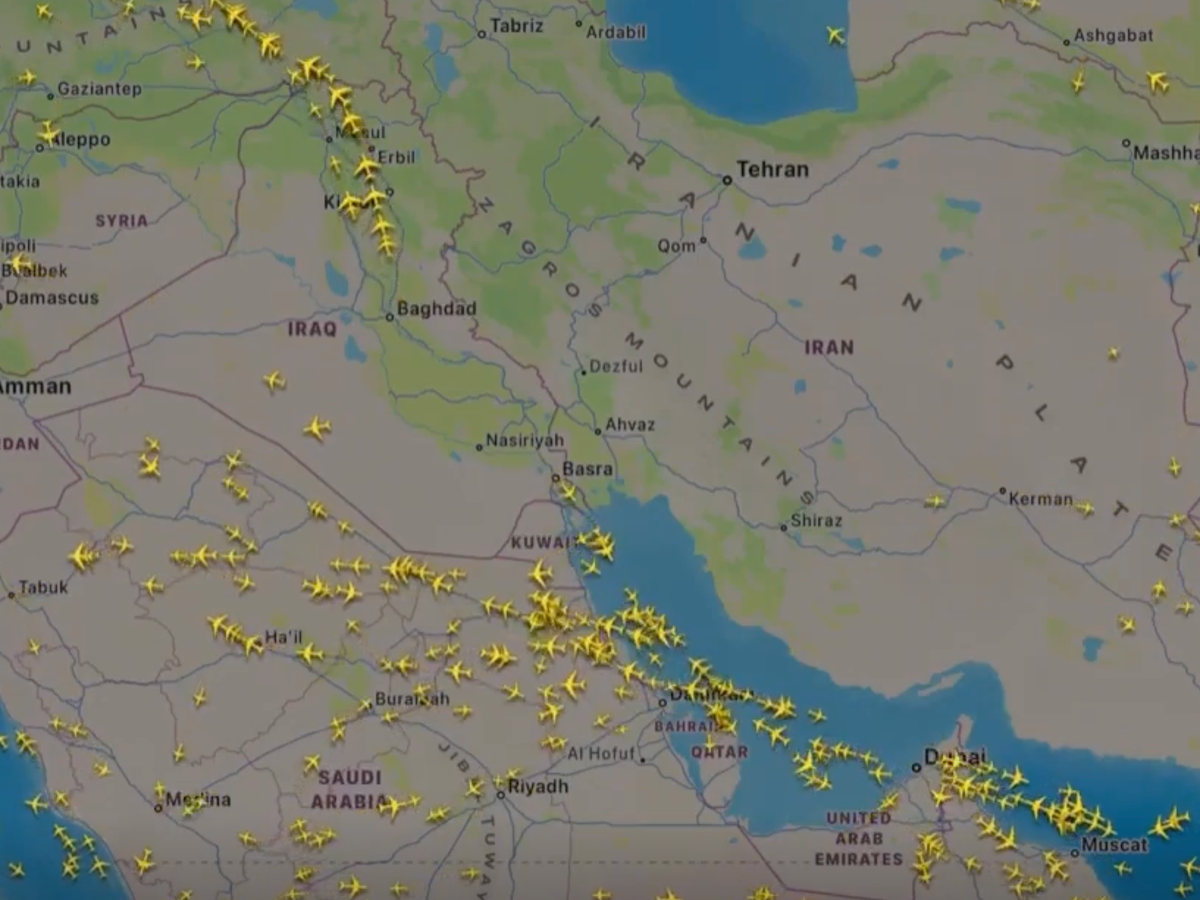
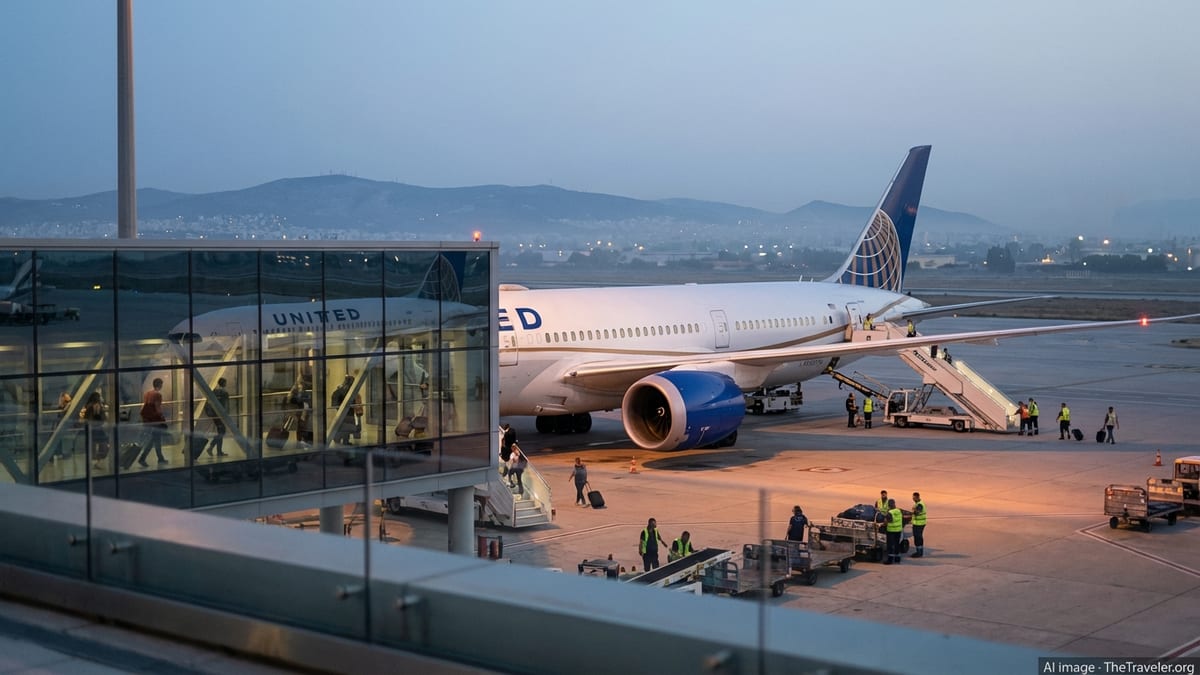
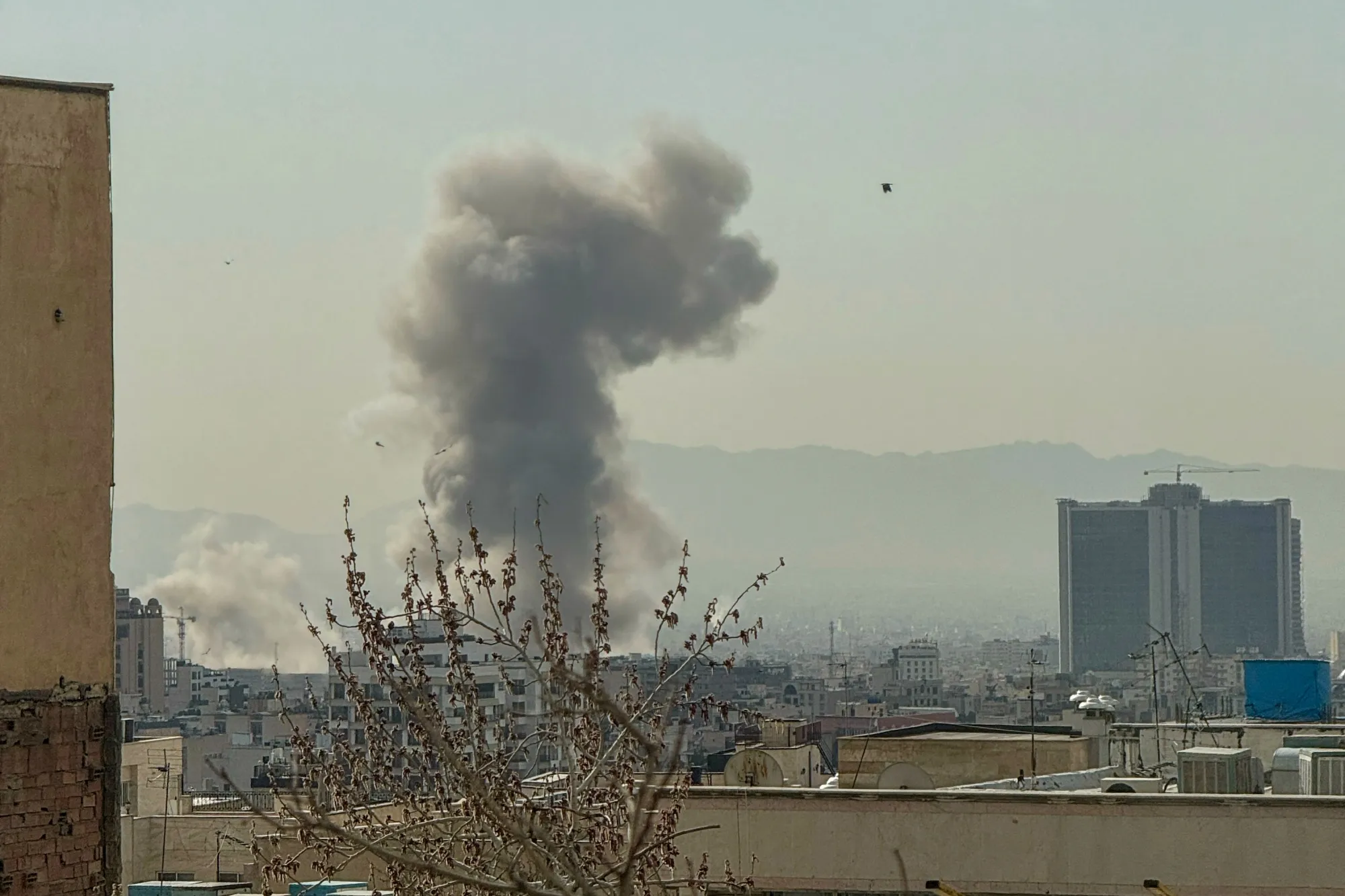
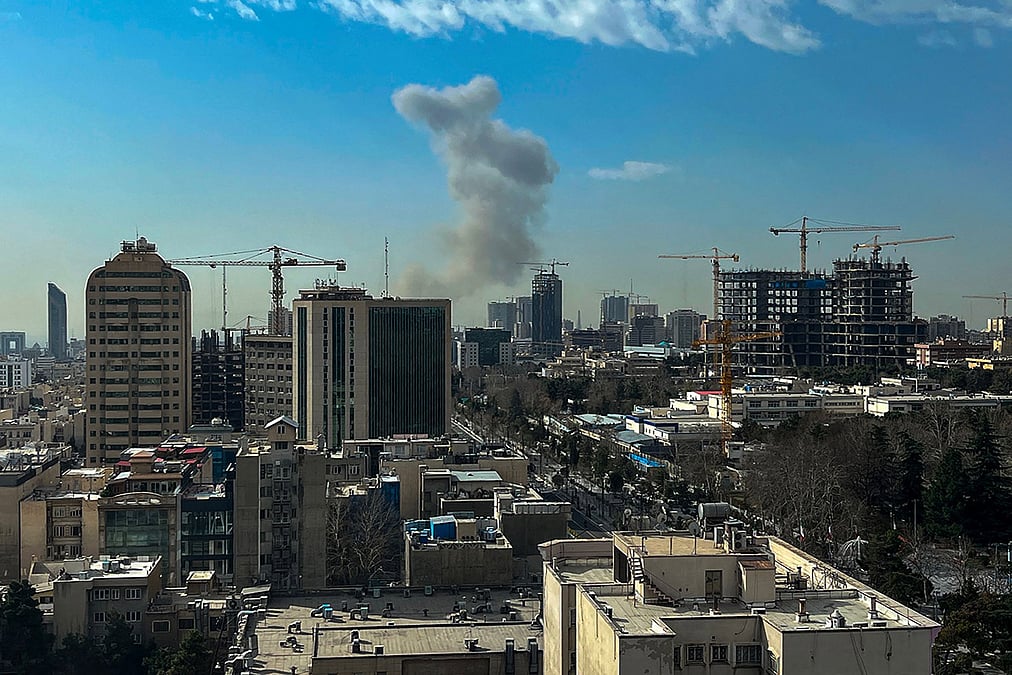
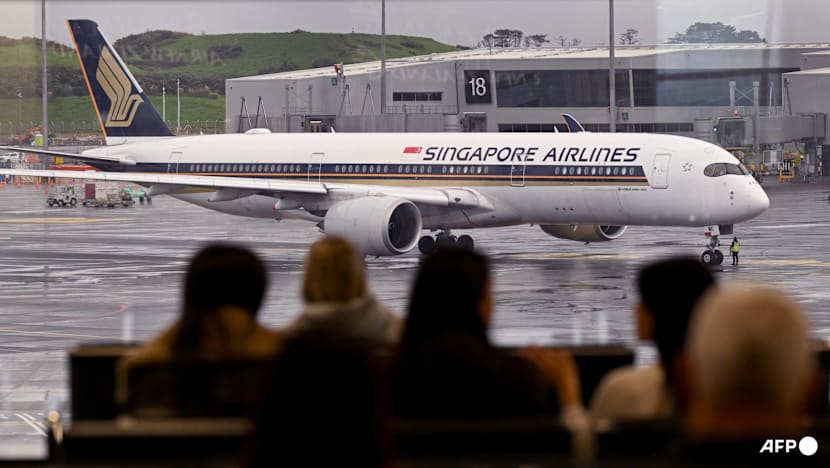
CRITICAL LOGISTICS DISRUPTION: The February 28, 2026 U.S.-Israeli military strikes on Iran triggered simultaneous airspace closures across eight countries—Iran, Iraq, Kuwait, Israel, Bahrain, Qatar, UAE, and Jordan—creating the most severe Middle Eastern aviation disruption since the Russia-Ukraine conflict. Major carriers including Emirates, Etihad, Qatar Airways, Turkish Airlines, Lufthansa, British Airways, and Air India suspended operations through March 2-7, 2026, affecting approximately 6.7% of regional flights and 40+ daily cancellations to Israel alone.
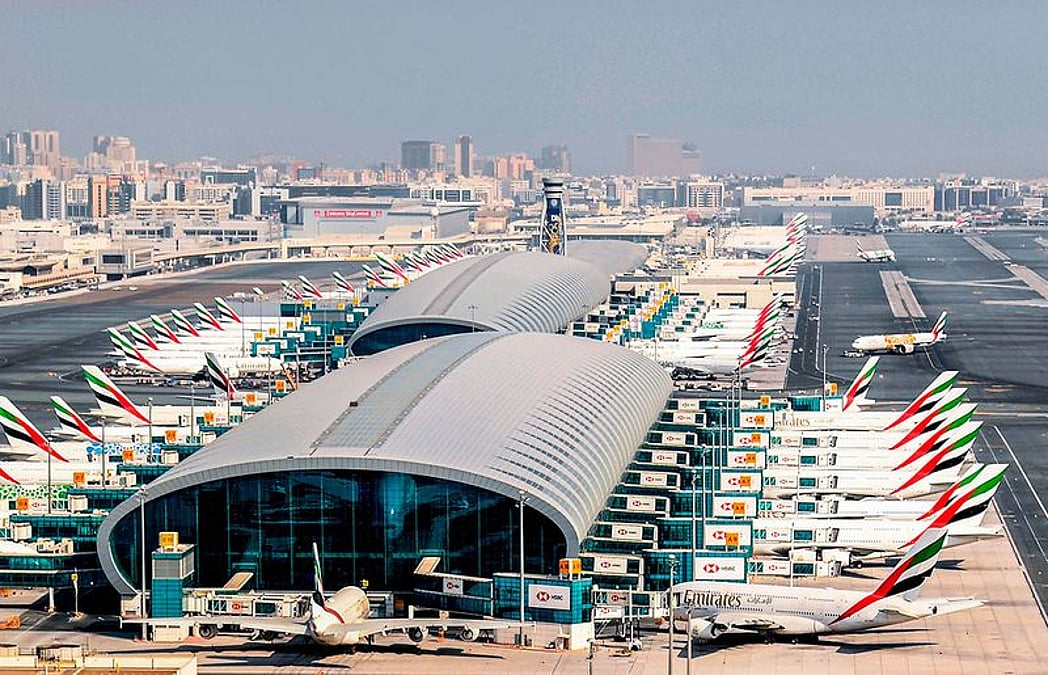
IMMEDIATE SELLER IMPACT: Cross-border e-commerce sellers relying on air freight through Middle Eastern hubs face 15-30% shipping cost increases and 2-5 day delivery delays. Dubai International Airport—the world's busiest international hub—serves as the critical transshipment point for Asian-to-European and Asian-to-American shipments. With Emirates and Etihad grounded, sellers shipping electronics, perishables, pharmaceuticals, and high-value goods must immediately reroute through alternative corridors (European hubs, African routes, or slower maritime options). The closure of Doha (Qatar Airways hub) and Tel Aviv eliminates express shipping capacity, forcing sellers to absorb premium rerouting costs or accept extended delivery windows that damage customer satisfaction and Amazon/eBay seller ratings.
COMPETITIVE ADVANTAGE WINDOW: Sellers with pre-positioned inventory in European fulfillment centers (UK, Germany, Netherlands) or African hubs (Egypt, Kenya) gain 2-3 week competitive advantage over Asia-dependent competitors. Sellers using maritime routes (15-30 day transit) face less disruption than air-freight dependent competitors. Small/medium sellers (100-500 units/month) absorb costs more painfully than large enterprises with negotiated carrier contracts. The Russia-Ukraine conflict already forced Middle East routing adoption—this crisis accelerates shift toward Southeast Asian sourcing (Vietnam, Thailand, Indonesia) with direct European/US shipping, bypassing Middle Eastern hubs entirely.
STRATEGIC SOURCING SHIFT: Sellers should evaluate Vietnam/India/Indonesia sourcing for 30-40% of inventory currently routed through China-Dubai-Europe corridors. The tariff arbitrage opportunity: goods sourced from Vietnam face lower US tariffs (0-5%) versus China (25-60%), and this crisis makes Vietnam sourcing more attractive despite slightly higher unit costs. Compliance advantage: Vietnam-sourced goods avoid China tariff exposure while maintaining cost competitiveness. Expect 3-6 month window before competitors optimize alternative routes—early movers gain 8-12% margin improvement through tariff optimization plus logistics cost reduction.
Questions 7
What's the fastest way to reroute shipments during this crisis?
**Immediate actions** (next 48 hours): Contact your 3PL/freight forwarder to shift shipments to **European fulfillment centers** (UK, Germany, Netherlands) or **African hubs** (Egypt, Kenya). **Lufthansa, Air France, and British Airways** are rerouting cargo through Frankfurt and Paris with 2-3 day delays vs. 5-7 days through alternative routes. **Cost**: European rerouting adds $200-400/shipment but preserves delivery timelines. **Alternative**: Switch to **maritime routes** (15-30 days) for non-urgent inventory—costs 60-70% less but requires advance planning. **Compliance**: Ensure customs documentation is updated for new routing countries. Contact Amazon Seller Central or eBay to flag potential delivery delays and request temporary rating protection.
Should I shift sourcing from China to Vietnam to avoid this crisis?
**Yes, strategically**—Vietnam sourcing offers **dual advantages**: (1) **Tariff arbitrage**: Vietnam-sourced electronics face 0-5% US tariffs vs. China's 25-60%, saving $250-3,000 per container; (2) **Logistics efficiency**: Vietnam-to-Europe direct routes bypass Middle Eastern hubs entirely, reducing disruption exposure. Unit costs increase 3-8% but tariff savings offset this. **Timeline**: Implement for 30-40% of inventory within 60 days to capture 3-6 month competitive window before competitors optimize. Vietnam sourcing also reduces geopolitical risk from future US-China tensions. Evaluate **India and Indonesia** as secondary alternatives for apparel and home goods categories.