



Humanitarian Crisis Escalates: Sudan's Conflict Reaches Critical Inflection Point
- Devastating Civilian Casualties Expose Systemic Breakdown in Regional Conflict Management













)


-693638f6d659e.jpg)
)










Overview
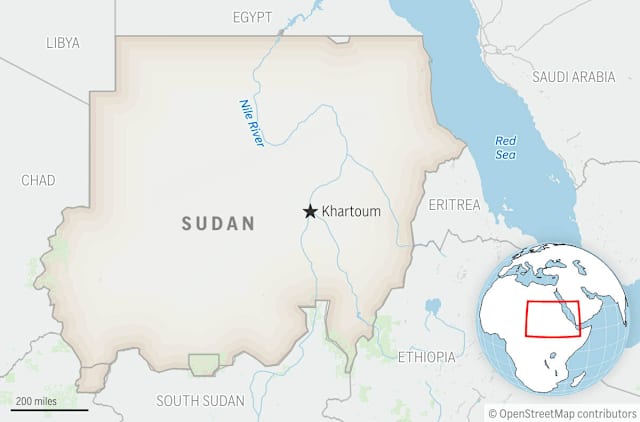
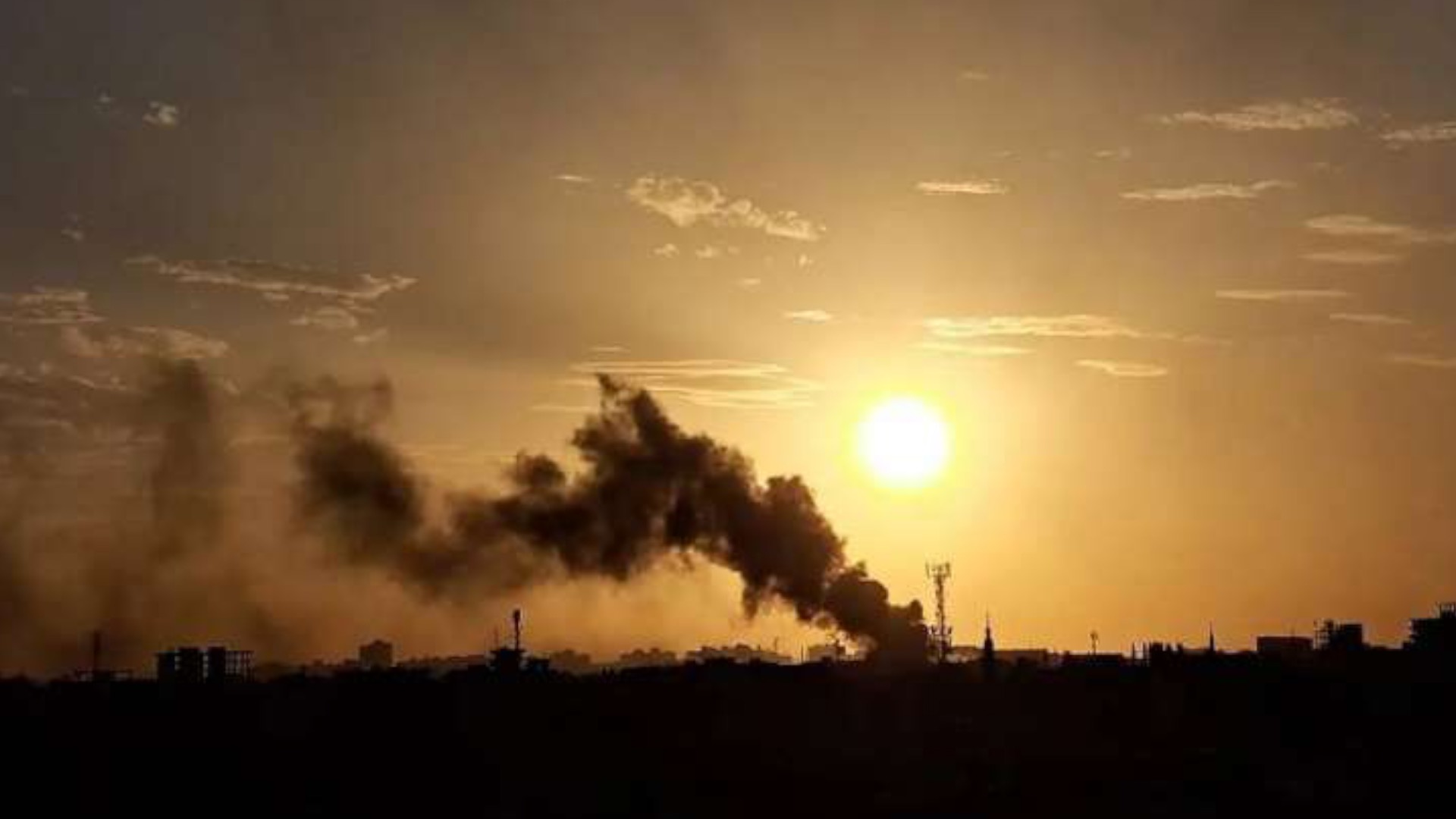
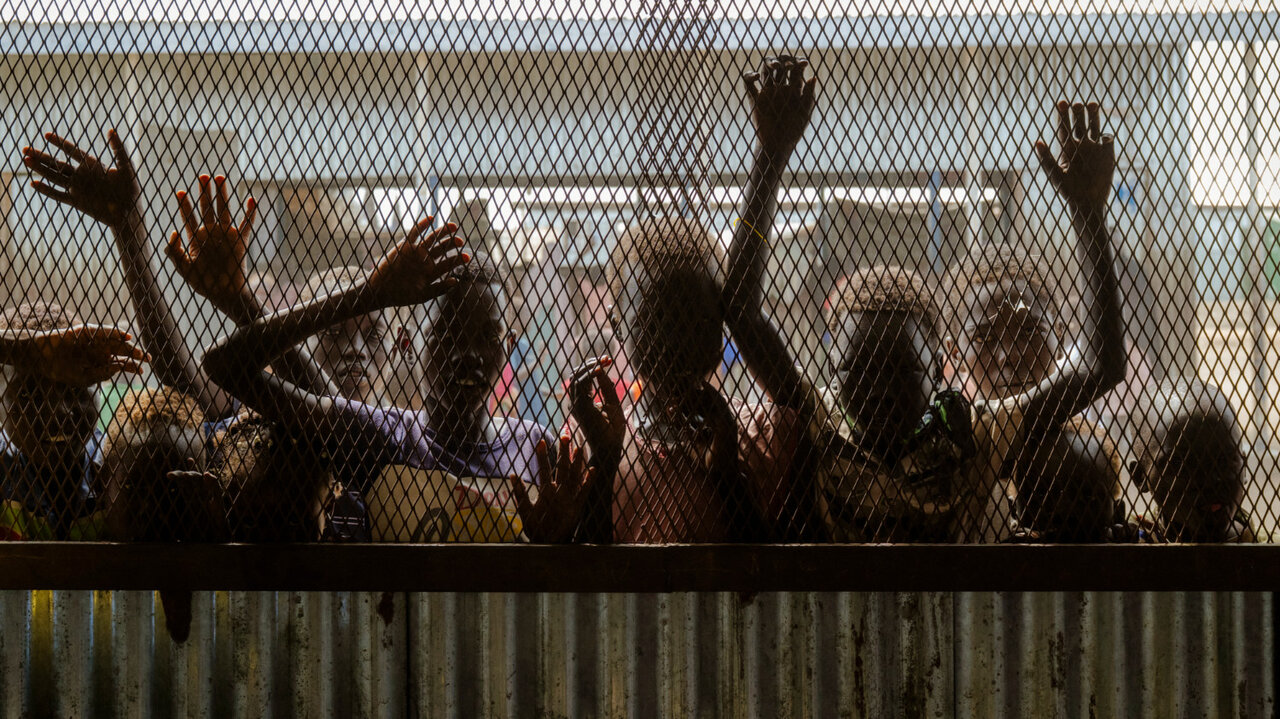
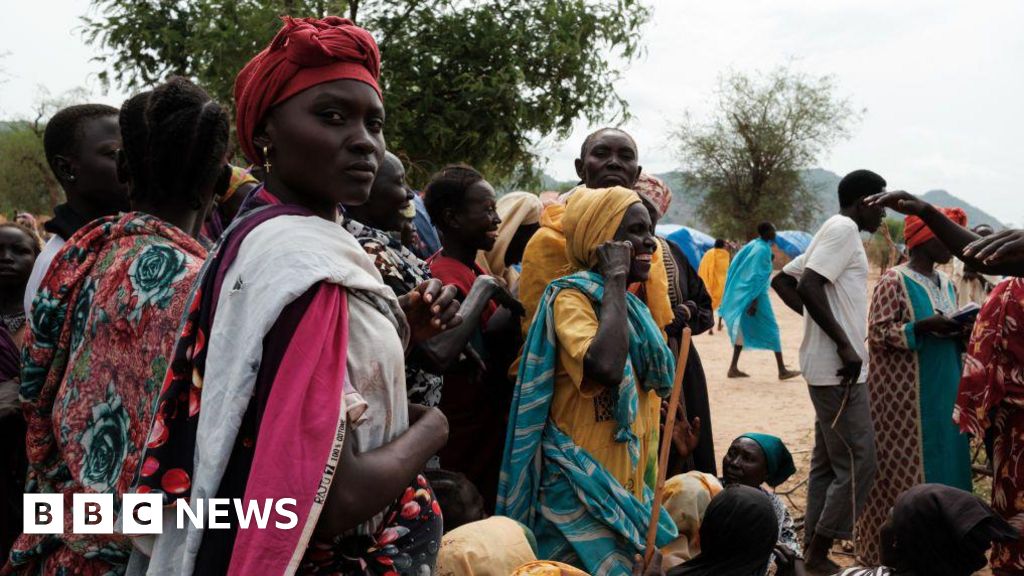
The ongoing conflict in Sudan has reached a catastrophic humanitarian threshold, revealing a complex geopolitical landscape where strategic violence has become a primary mode of political negotiation. With over 114 civilian deaths in recent drone strikes, including 63 children, the conflict between the Rapid Support Forces (RSF) and Sudanese military has transcended traditional warfare into a systematic campaign of civilian destruction.
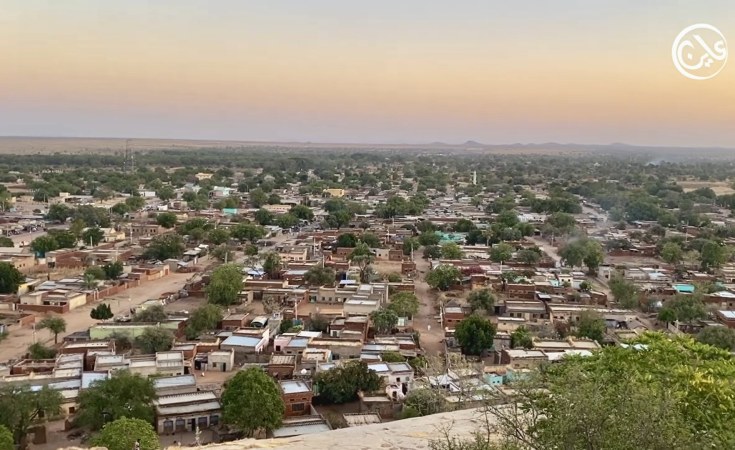
The strategic implications are profound. The RSF's capture of Heglig, Sudan's largest oil field, represents more than a territorial gain—it's a calculated economic warfare strategy designed to cripple national infrastructure. By targeting not just military installations but kindergartens, hospitals, and rescue workers, the conflict demonstrates a deliberate strategy of psychological and economic destabilization.
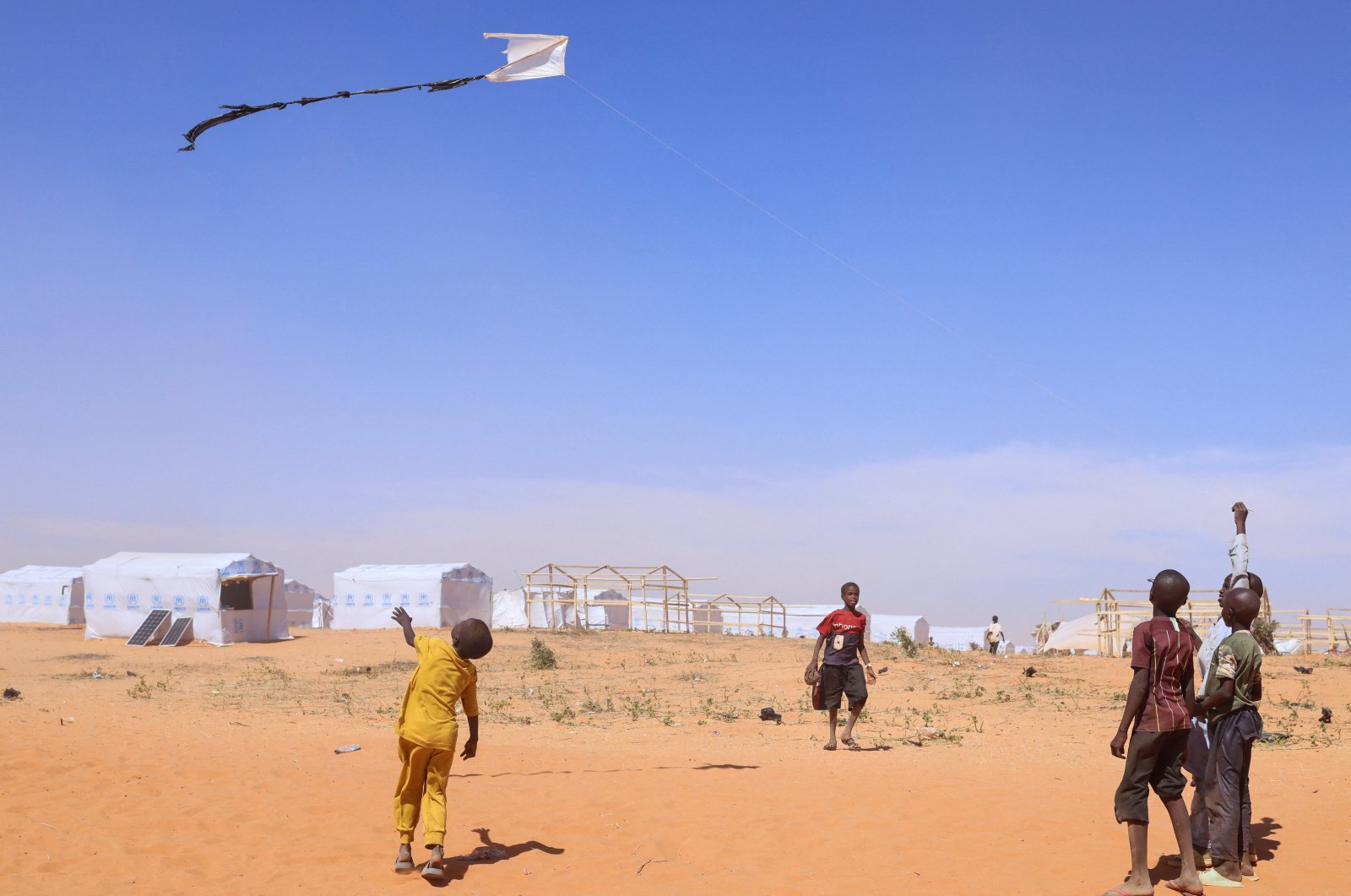
The humanitarian toll is staggering: over 40,000 lives lost and 12 million people displaced. Communication blackouts and targeted attacks on medical facilities suggest a deliberate strategy to prevent documentation and international intervention. The UN Human Rights Chief's warning of potential new atrocities in Kordofan underscores the conflict's unpredictability and systemic violence.
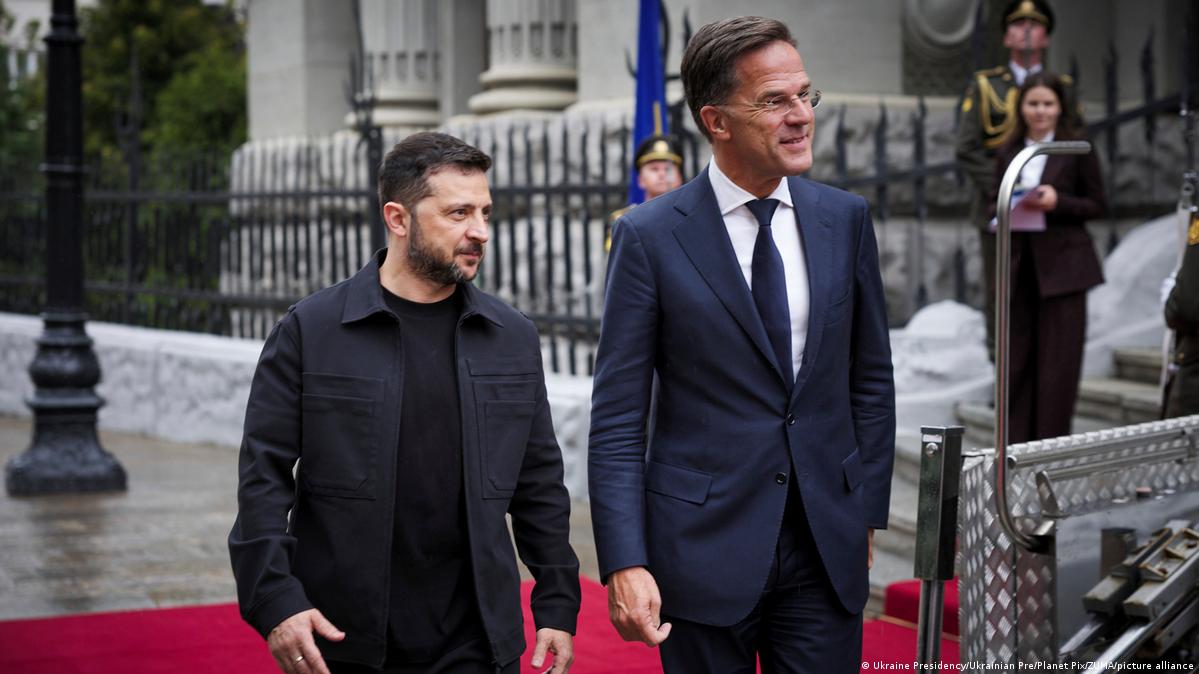
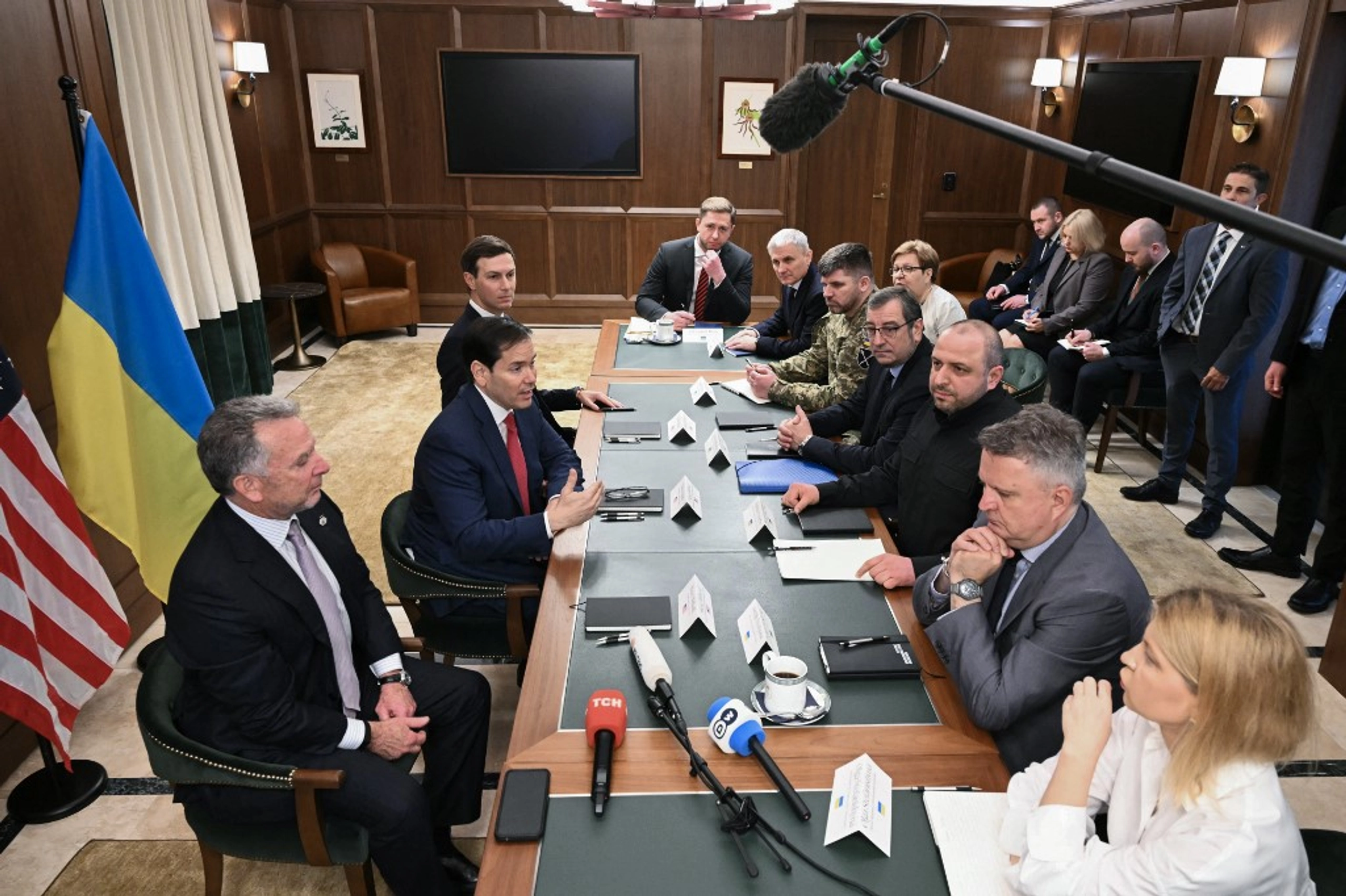
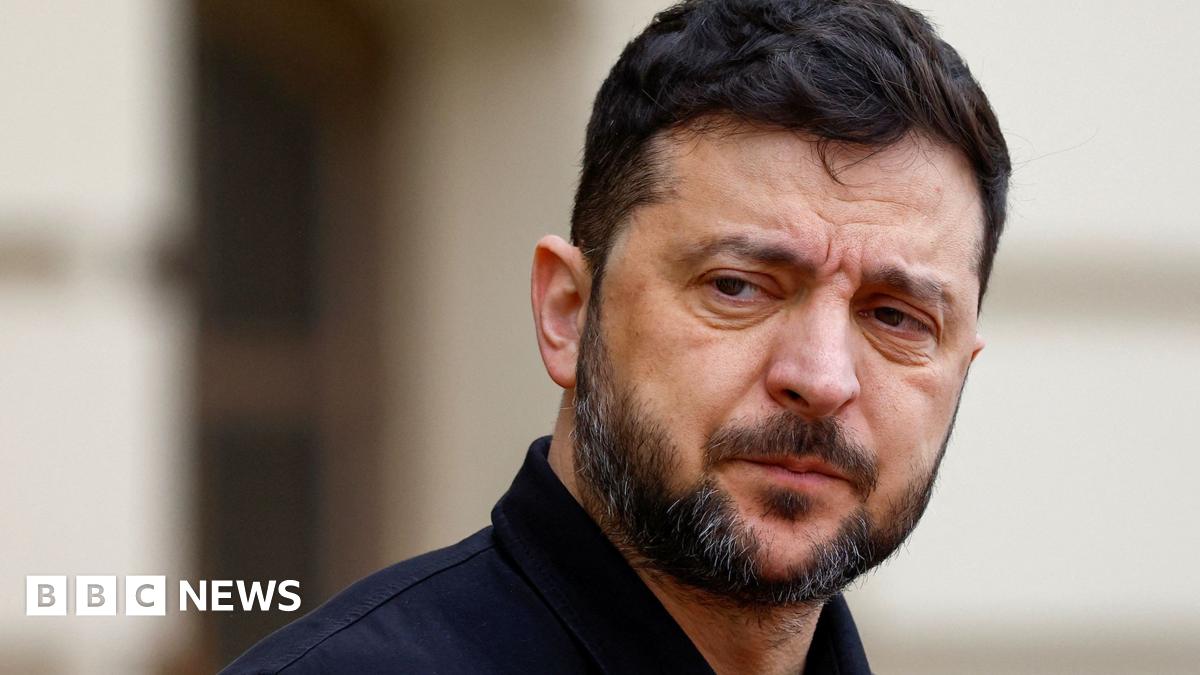
Simultaneously, international diplomatic efforts appear fragmented. The parallel news of Ukrainian diplomatic negotiations highlights a broader global context where traditional conflict resolution mechanisms are increasingly ineffective. The disconnect between diplomatic discussions and ground-level brutality reveals a critical gap in contemporary conflict management strategies.
Strategically, this conflict represents a dangerous precedent: where military factions prioritize territorial and economic control over human life, international humanitarian frameworks become mere rhetorical exercises. The systematic targeting of civilian infrastructure—schools, hospitals, rescue workers—indicates a fundamental breakdown of international norms of engagement.
Urgent international intervention is required, focusing not just on ceasefire but on comprehensive reconstruction of institutional frameworks that can prevent such systematic violence.
Questions 3
What makes the current Sudan conflict particularly devastating?
The conflict goes beyond traditional warfare by systematically targeting civilian infrastructure like schools and hospitals, with 114 recent deaths including 63 children. The strategic capture of Sudan's largest oil field and deliberate attacks on rescue workers indicate a comprehensive strategy of economic and psychological destabilization.
What are the long-term economic implications of this conflict?
The RSF's capture of Heglig oil field demonstrates how military factions use economic infrastructure as a weapon. This strategy of controlling critical resources while destroying civilian capacity could lead to prolonged economic devastation, potentially creating a failed state scenario in Sudan.