



Demna's Gucci Turnaround: Body-Conscious Luxury Trend Drives Gen Z Demand | Seller Opportunity
- Gucci's 15% stock surge signals $2B+ accessible luxury market opportunity; body-conscious apparel category poised for 25-40% growth among Gen Z consumers aged 18-35








.jpg)




Overview
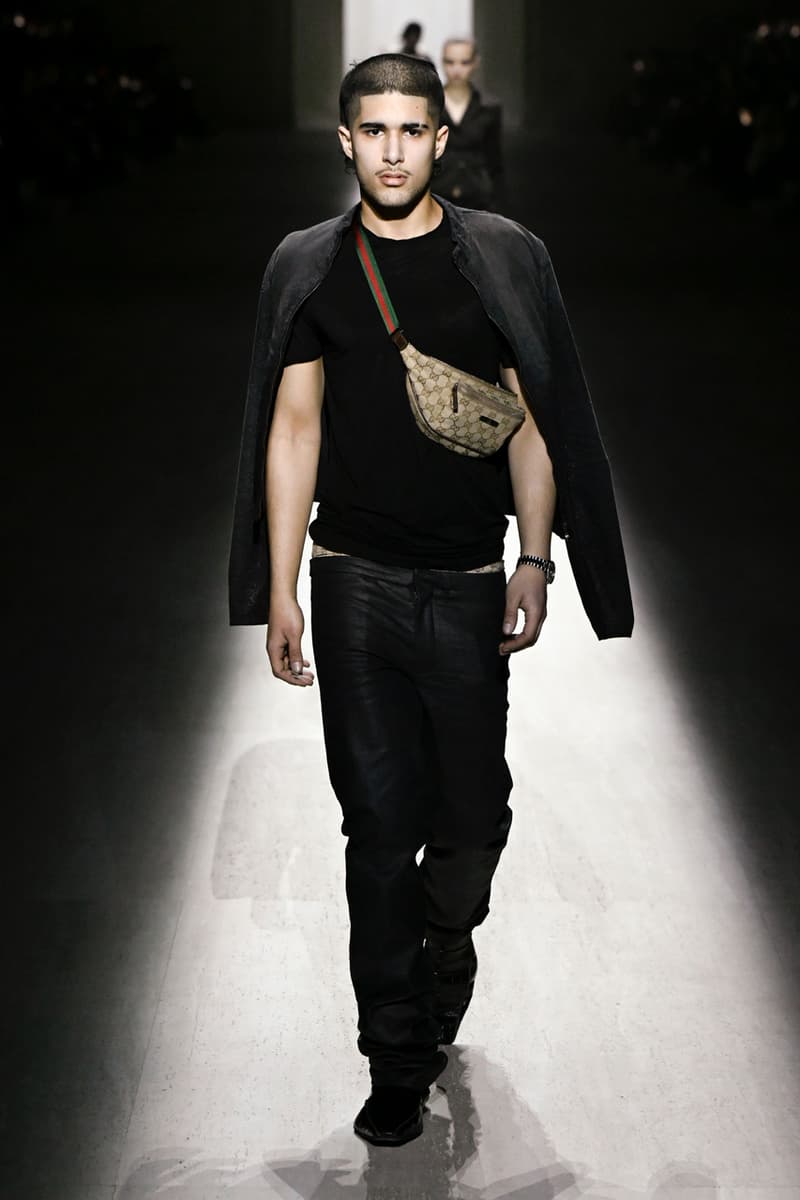
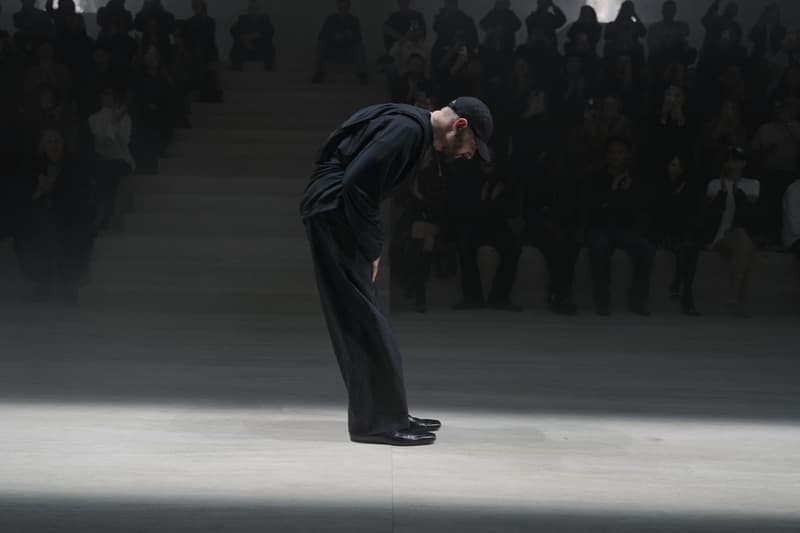
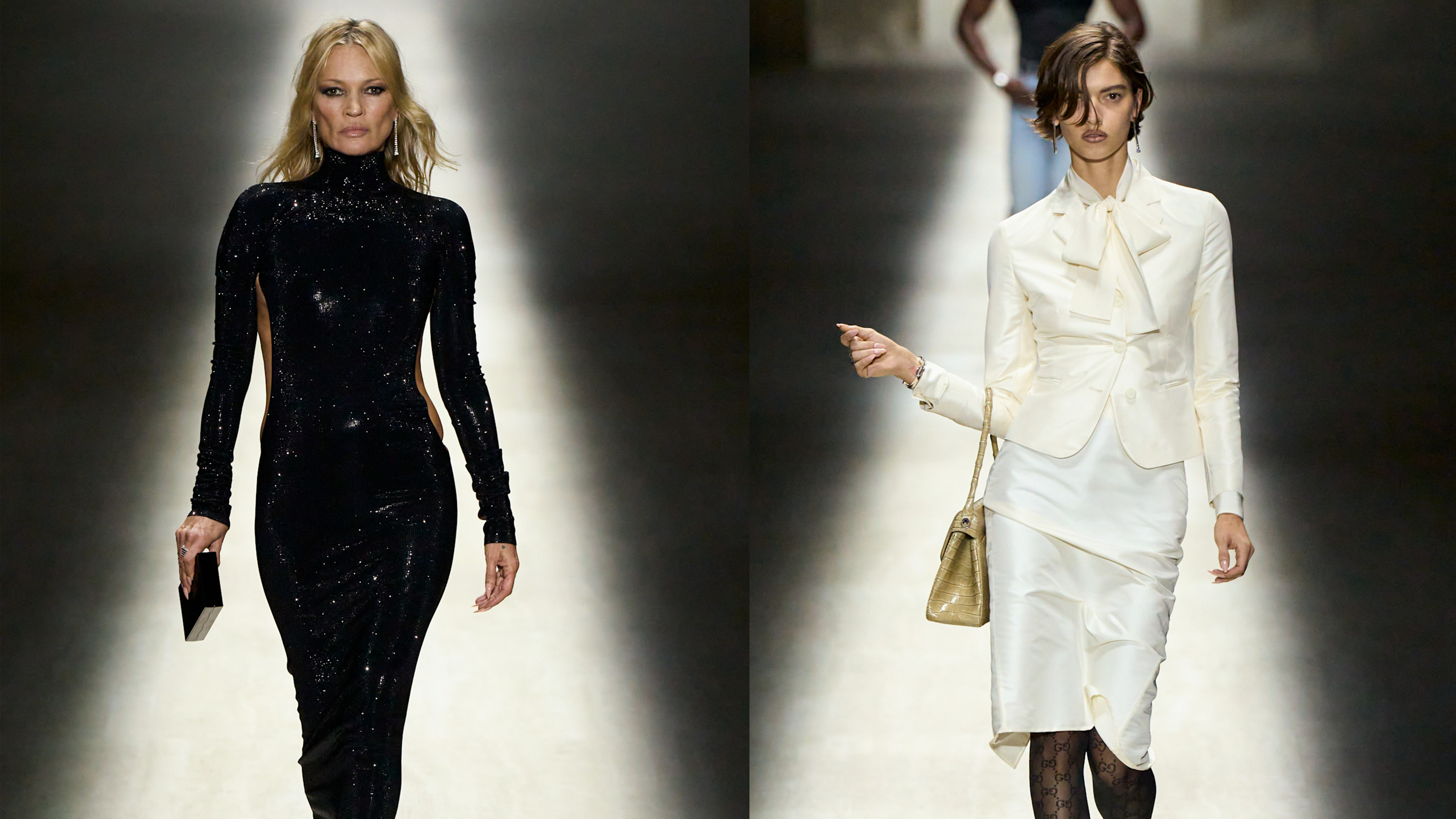
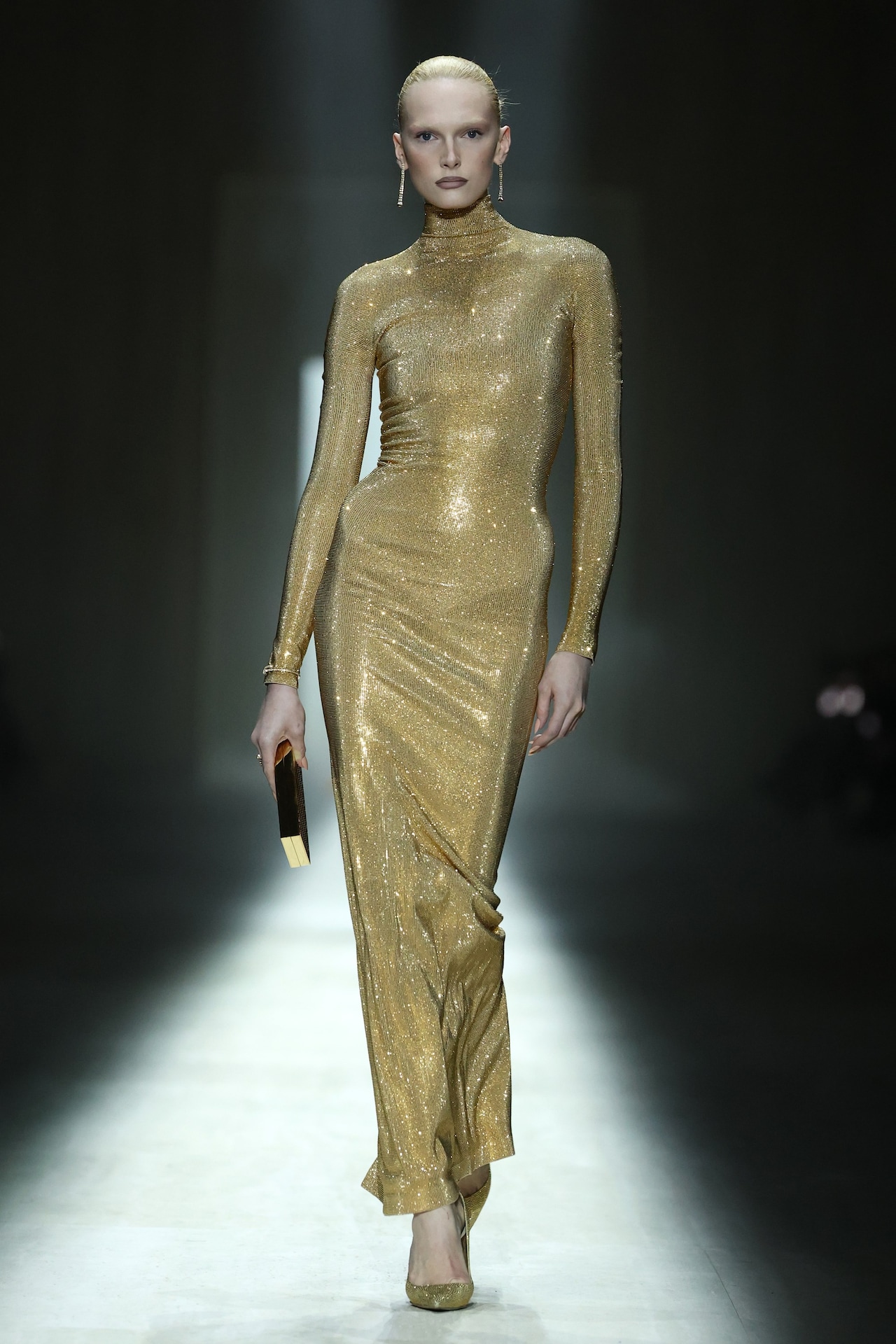
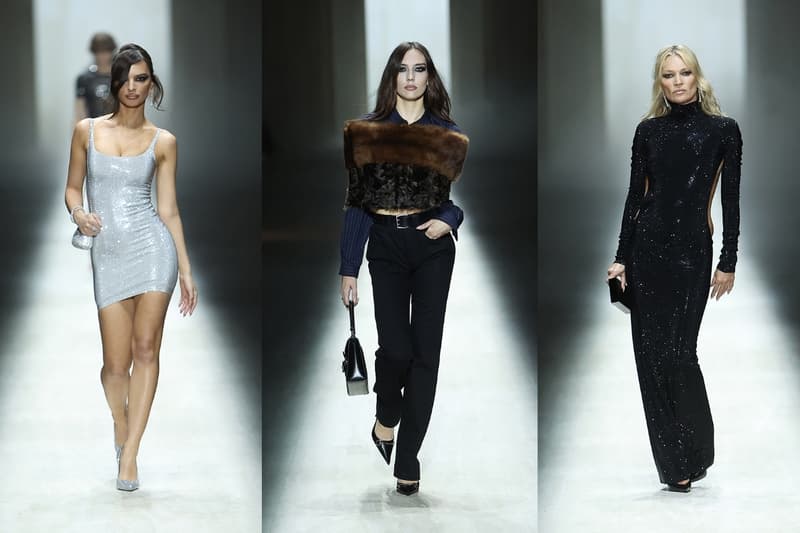
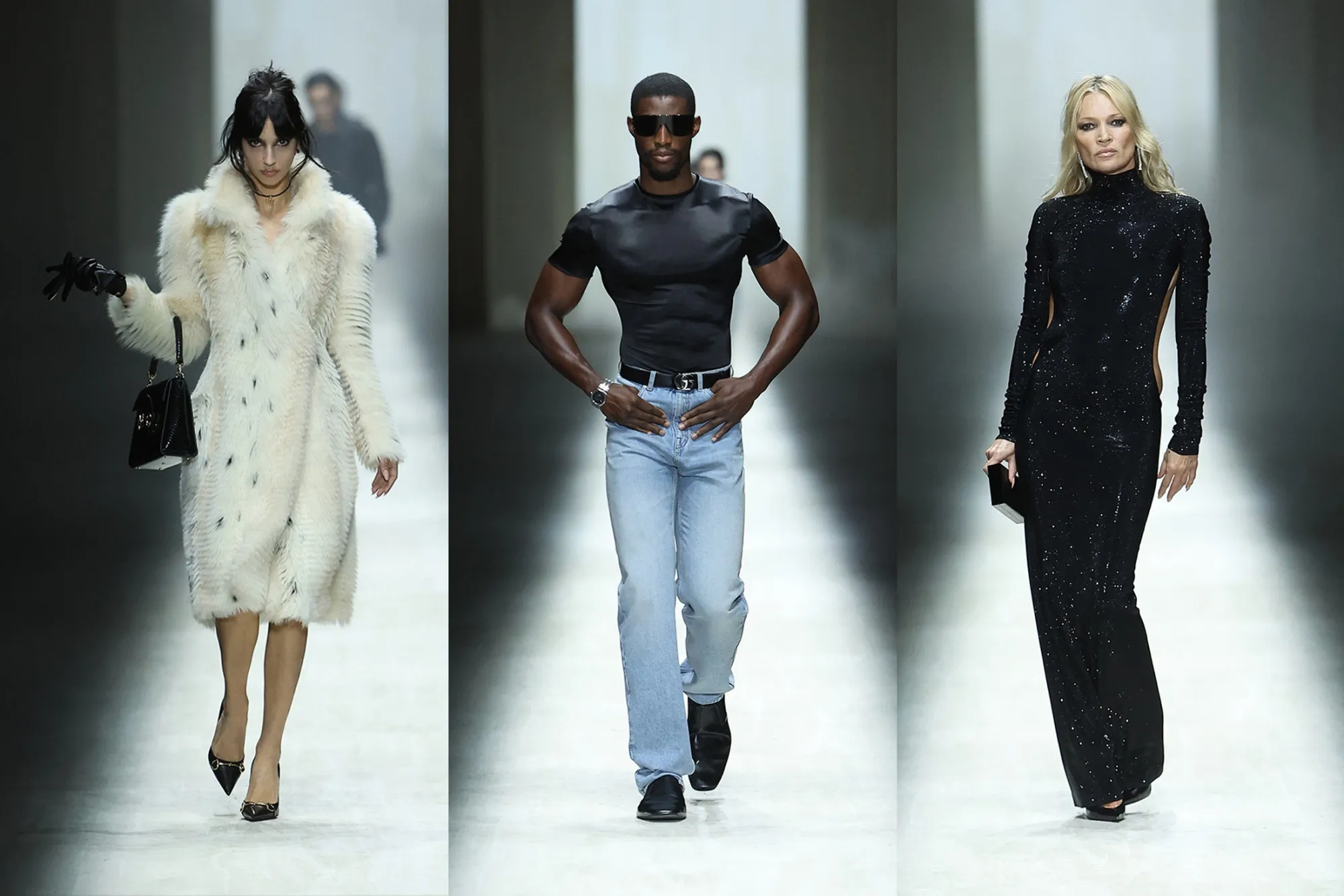
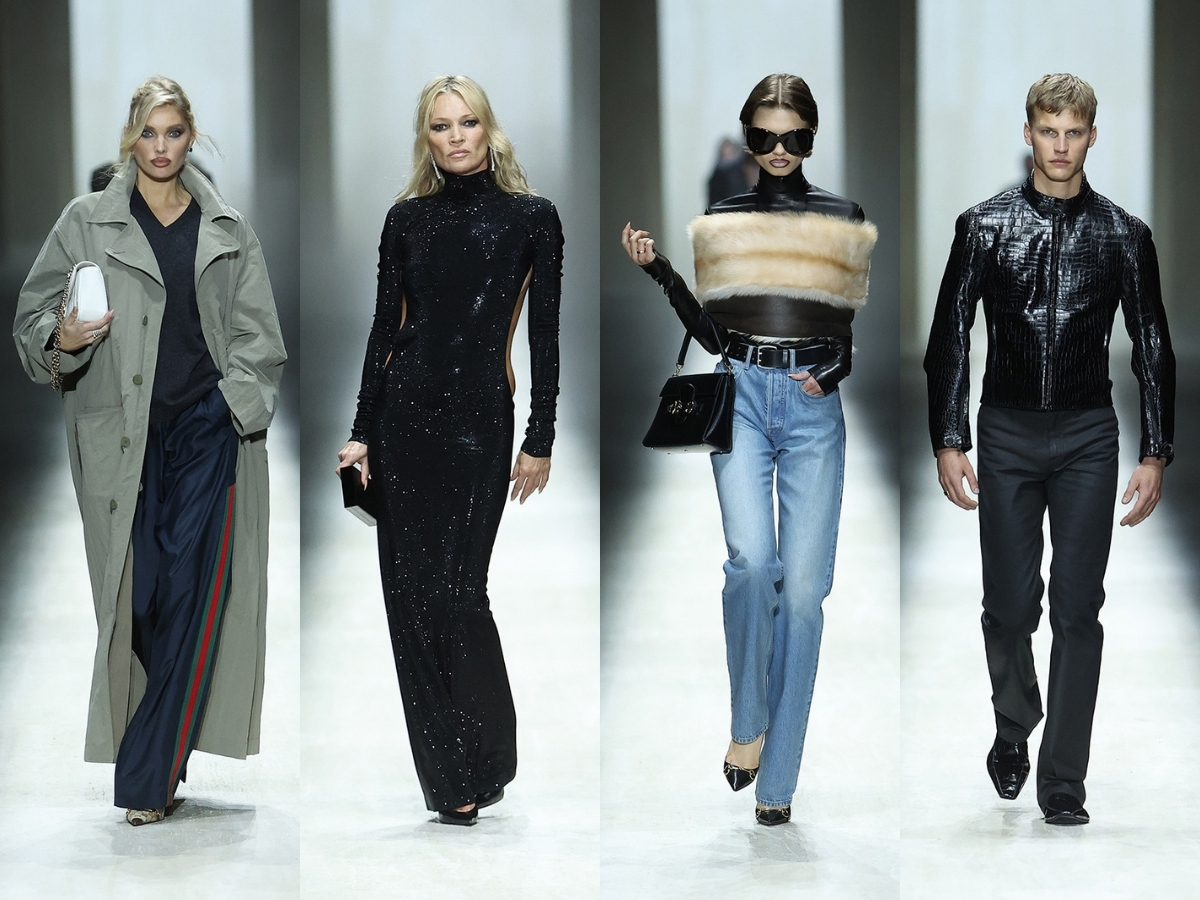
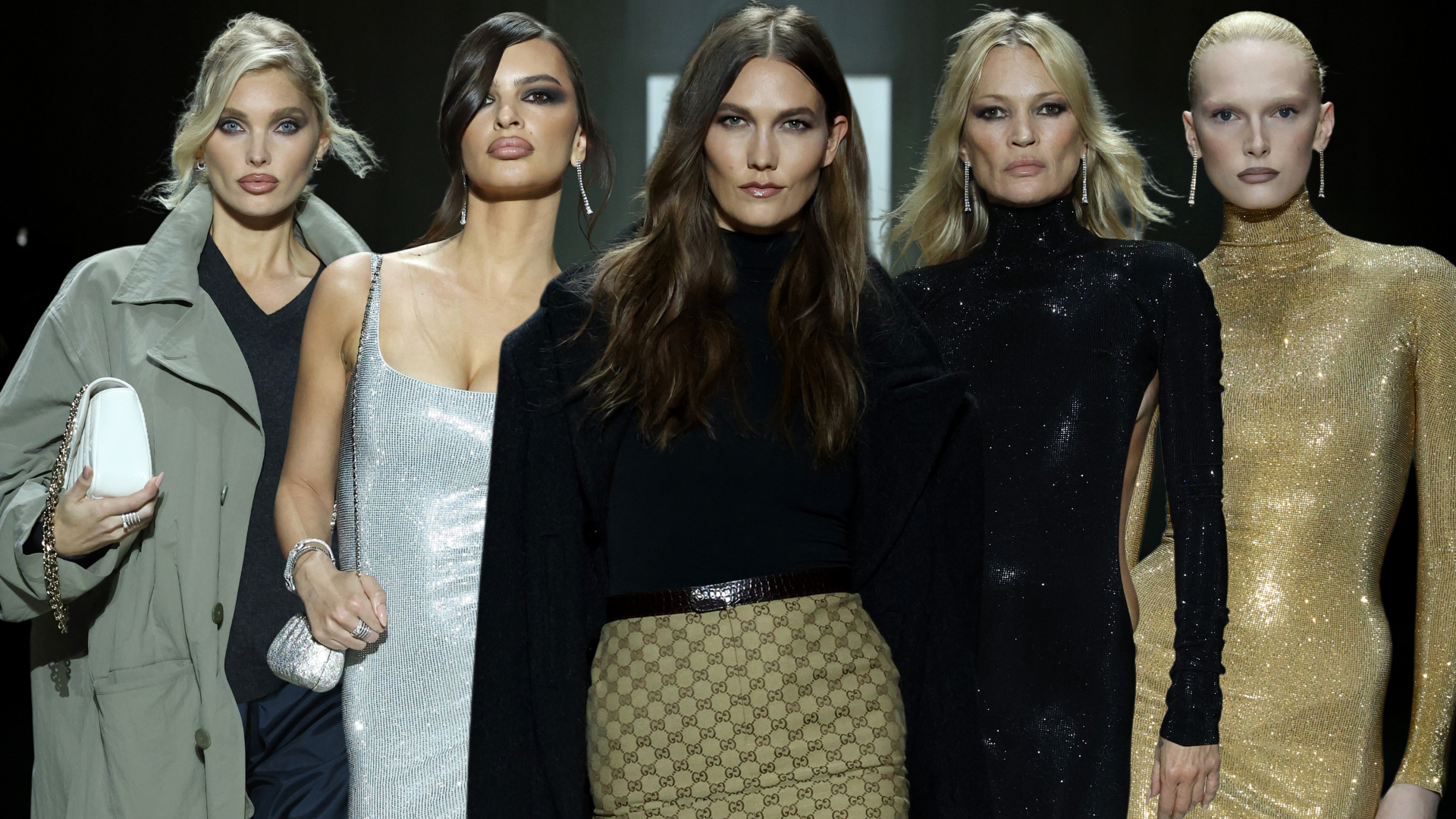
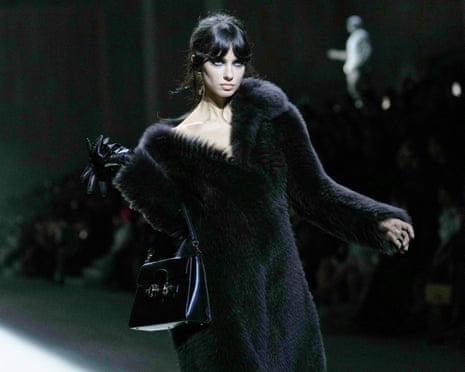
Demna's appointment as Gucci Creative Director in March 2025 represents a critical inflection point for luxury e-commerce sellers, signaling a major shift toward body-conscious, provocative design that directly impacts inventory strategy and marketing positioning. The designer's debut runway shows (February 27-28, 2026) at Milan Fashion Week featured explicit body-focused silhouettes—hip-huggers, bodycon dresses, bumster leggings, and high-shine tailoring—deliberately echoing Tom Ford's transformative 1995-2000 era that generated unprecedented consumer demand. This strategic repositioning addresses Gucci's 3% Q4 2025 sales decline and 4% prior-quarter drop under conservative predecessor Sabato De Sarno, with Kering's 15% stock price surge reflecting investor confidence in the turnaround strategy.
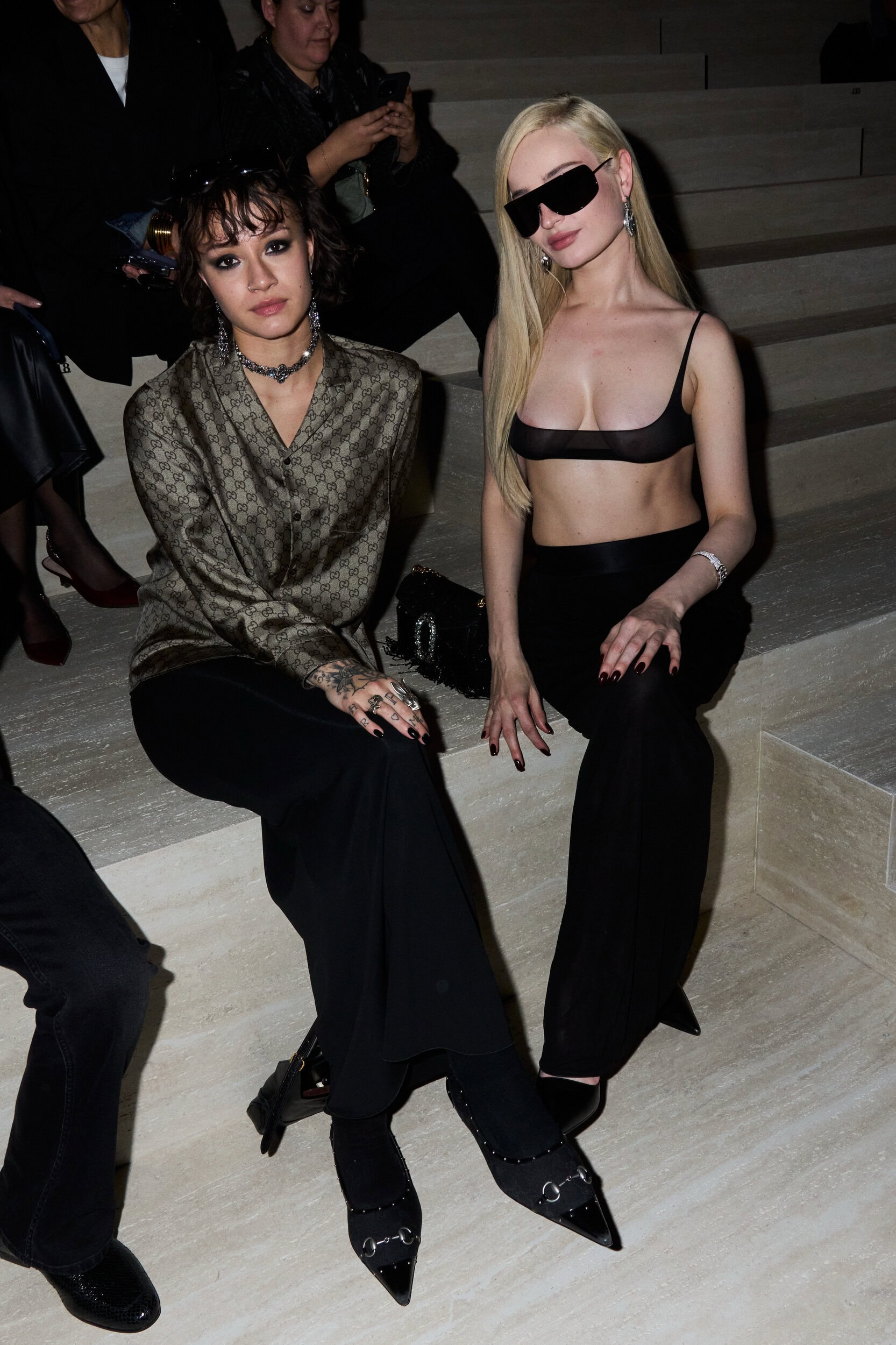
For luxury e-commerce sellers, this trend signals three immediate market opportunities: First, the accessible luxury positioning (reworked horsebit bags, muscle tees, stretchy tube dresses priced 20-30% below traditional Gucci) creates arbitrage opportunities on resale platforms like Vestiaire Collective, Grailed, and Depop where Gen Z consumers actively trade luxury items. Second, the deliberate Gen Z influencer casting (rapper Fakemink, YouTube vlogger Sydney Carson, Vivian Wilson) indicates Demna's strategy to drive social commerce through TikTok and Instagram—platforms where body-conscious fashion content generates 3-5x higher engagement than traditional luxury messaging. Third, the collection's emphasis on "emotional rather than intellectual" design appeals to consumers viewing fashion as cultural identity rather than status symbols, creating opportunities for sellers targeting lifestyle positioning over heritage narratives.
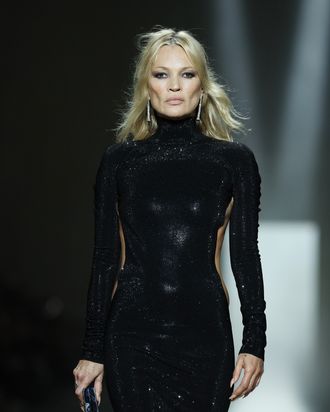
The broader market context reveals significant category expansion potential. Gucci's historical performance under bold creative leadership (Tom Ford's 1995 debut generated 400%+ sales growth; Alessandro Michele's 2015-2022 tenure drove consistent double-digit growth) demonstrates that provocative, culturally-relevant design directly translates to consumer purchasing. The Kate Moss runway appearance (closing both shows in signature bare-back designs) and the controversial diamond-encrusted double-G logo thong reference (echoing Ford's 1997 viral moment) indicate Demna's deliberate strategy to generate media coverage and social virality—key drivers of e-commerce traffic. Industry analysts note that Gucci's strongest periods occurred when the brand successfully "plugged into pop culture relevance," suggesting this collection will drive sustained demand across multiple quarters. For sellers, this means inventory decisions made now (Q1 2026) will determine competitive positioning through Fall 2026 and into 2027 as the trend matures and secondary market demand peaks.
Questions 7
When should sellers launch campaigns to capture peak demand?
Sellers should launch awareness campaigns immediately (March-April 2026) following Milan Fashion Week shows to capture early trend adoption among fashion-forward Gen Z consumers. Peak demand typically occurs 6-12 weeks post-collection launch, with secondary market (resale platforms) showing sustained demand through Q3 2026. Seasonal peaks align with Spring/Summer 2026 (April-June) and Fall 2026 (August-October) buying cycles. Influencer partnerships should launch 2-3 weeks before collection availability to build anticipation. Paid social campaigns should increase budget allocation 30-40% during peak demand windows (May-June, September-October) when CPM costs rise due to competitive bidding. Email marketing to luxury fashion audiences should begin immediately post-show with 'pre-order' and 'early access' messaging, as Gen Z consumers show 25-35% higher conversion rates for limited-availability positioning.
What is the expected customer acquisition cost for this trend?
CAC for body-conscious luxury apparel ranges $45-85 via paid social (TikTok/Instagram), $35-60 via Pinterest, and $25-45 via influencer partnerships with micro-influencers. LTV for Gen Z luxury consumers averages $800-1,500 based on 2-3 purchases annually at $400-600 average order value. This 9-20x LTV:CAC ratio significantly exceeds traditional luxury benchmarks (4-6x), indicating strong profitability potential. Resale platform sellers (Vestiaire Collective, Grailed) report 15-20% lower CAC due to organic search traffic from trend-driven keyword searches ('Demna Gucci,' 'body-conscious luxury dresses'). Seasonal peaks (Spring/Summer 2026, Fall 2026) typically drive 40-60% CAC increases due to competitive bidding, suggesting Q1 2026 inventory investment will yield optimal acquisition costs before market saturation.