



Demna's Gucci Turnaround Signals Luxury Fashion Shift | Body-Conscious Design Drives Gen Z Demand 2026
- Gucci rebounds from 7% cumulative sales decline with provocative, accessible luxury positioning targeting Gen Z influencers and digital natives










.jpg)


Overview
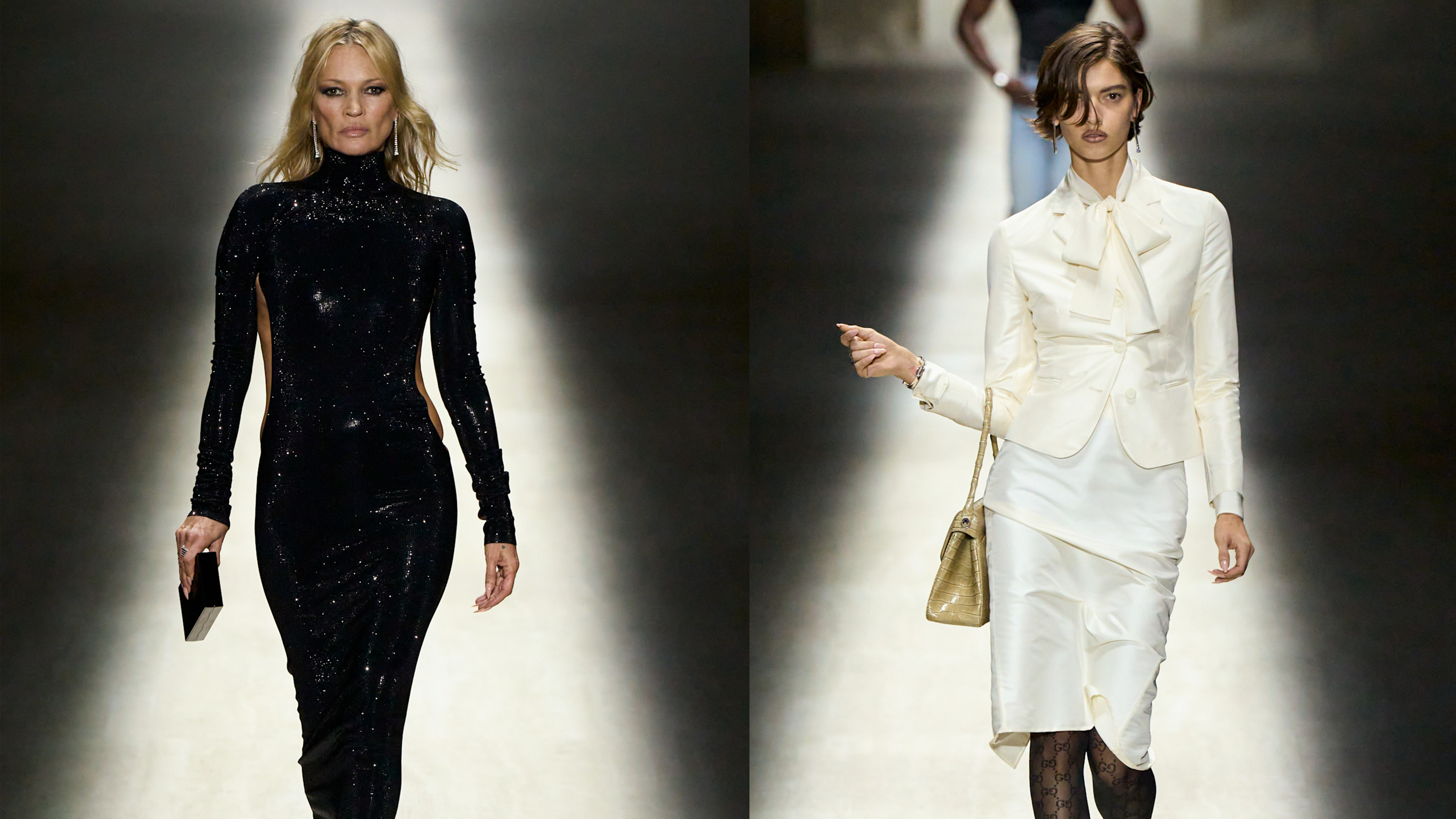
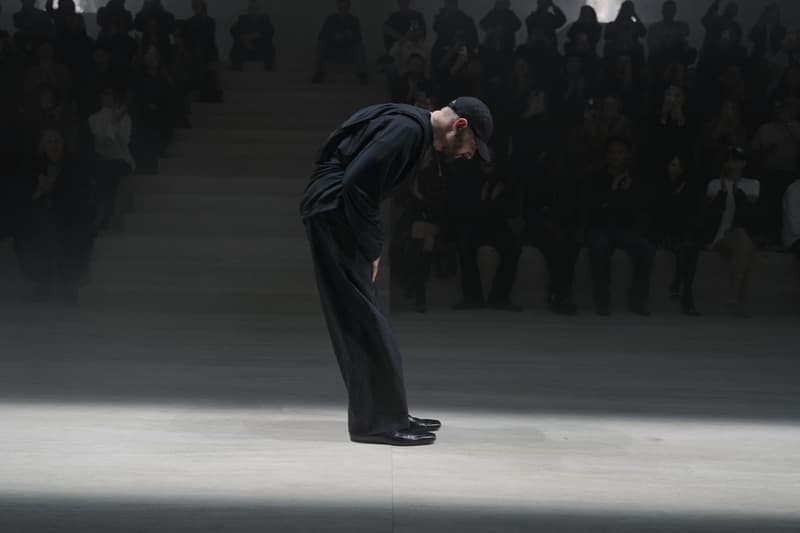
Demna's appointment as Gucci Creative Director marks a critical strategic pivot for the luxury fashion market, with direct implications for e-commerce sellers in apparel, accessories, and luxury goods categories. The designer's debut collections (February 27-28, 2026) represent a deliberate shift from Alessandro Michele's conservative approach—which triggered a 3% Q4 2025 sales decline and 4% Q3 2025 decline—toward provocative, body-conscious silhouettes explicitly modeled on Tom Ford's transformative 1995-2000s era. This creative repositioning triggered a 15% surge in parent company Kering's share price, signaling investor confidence in the turnaround strategy and broader luxury market appetite for bold, culturally-relevant design.
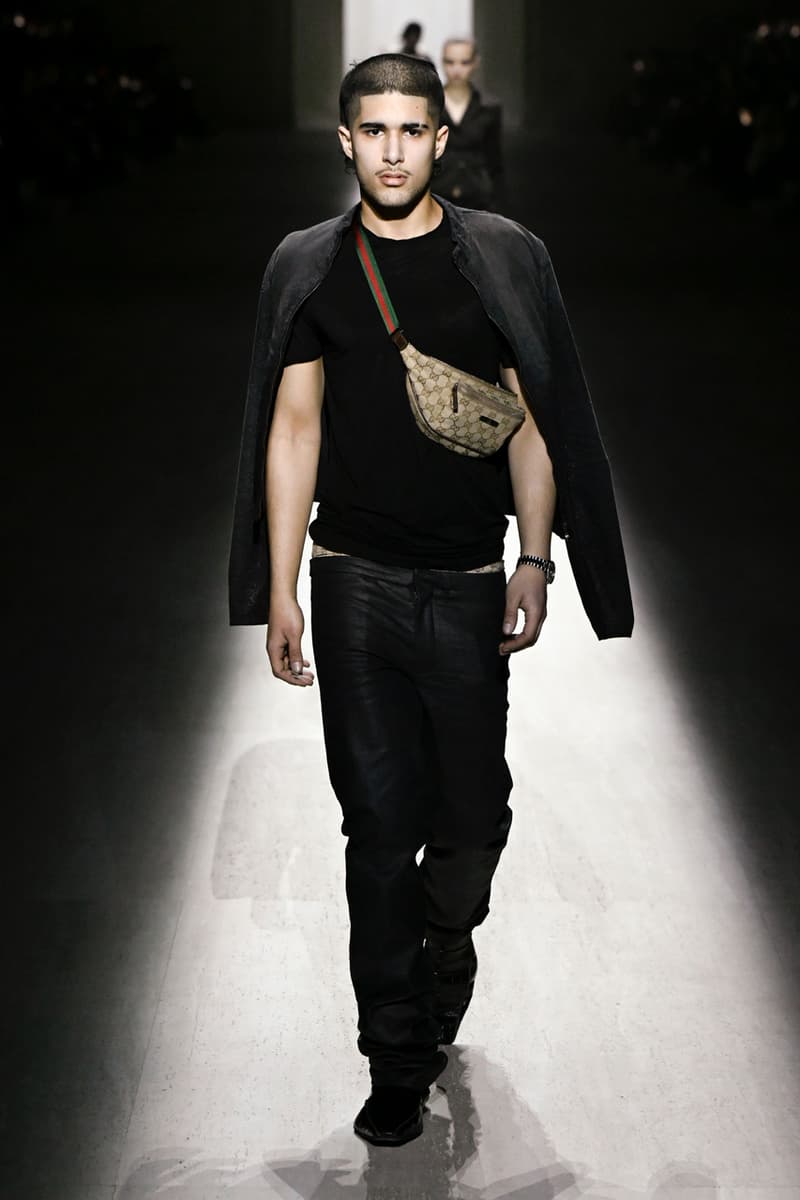
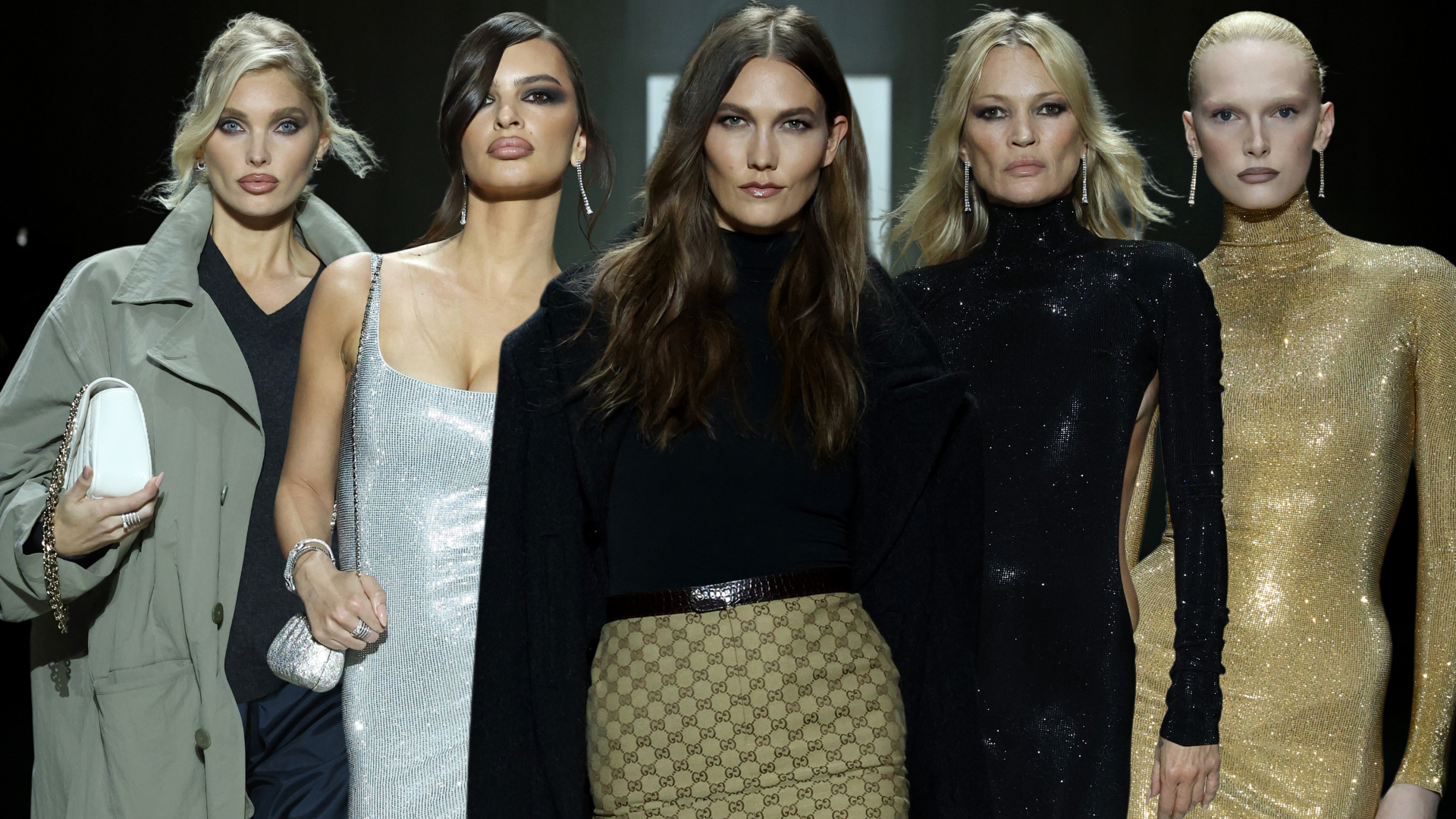
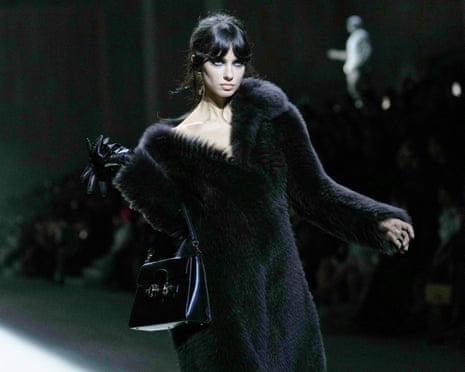
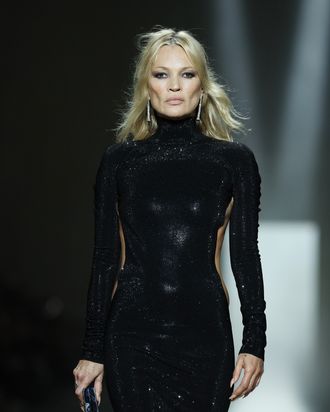
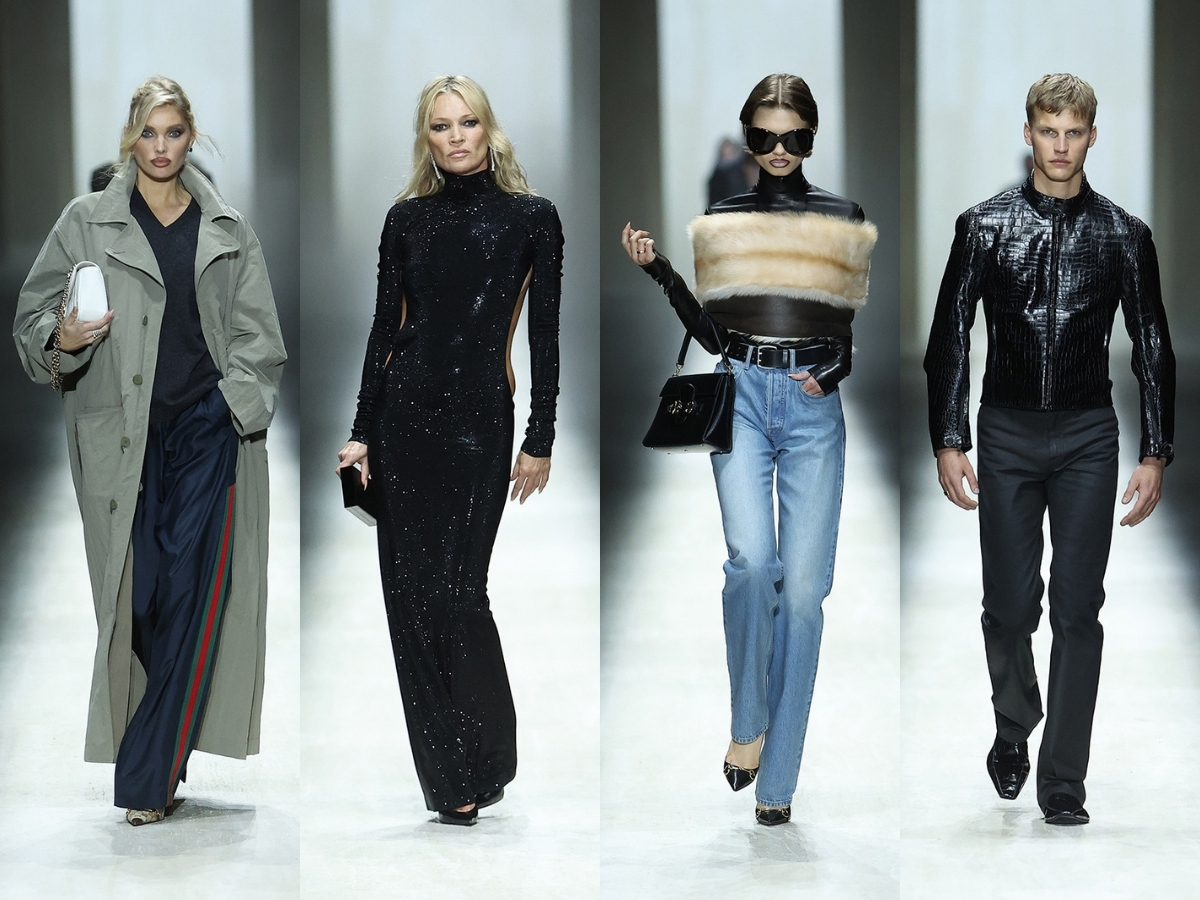
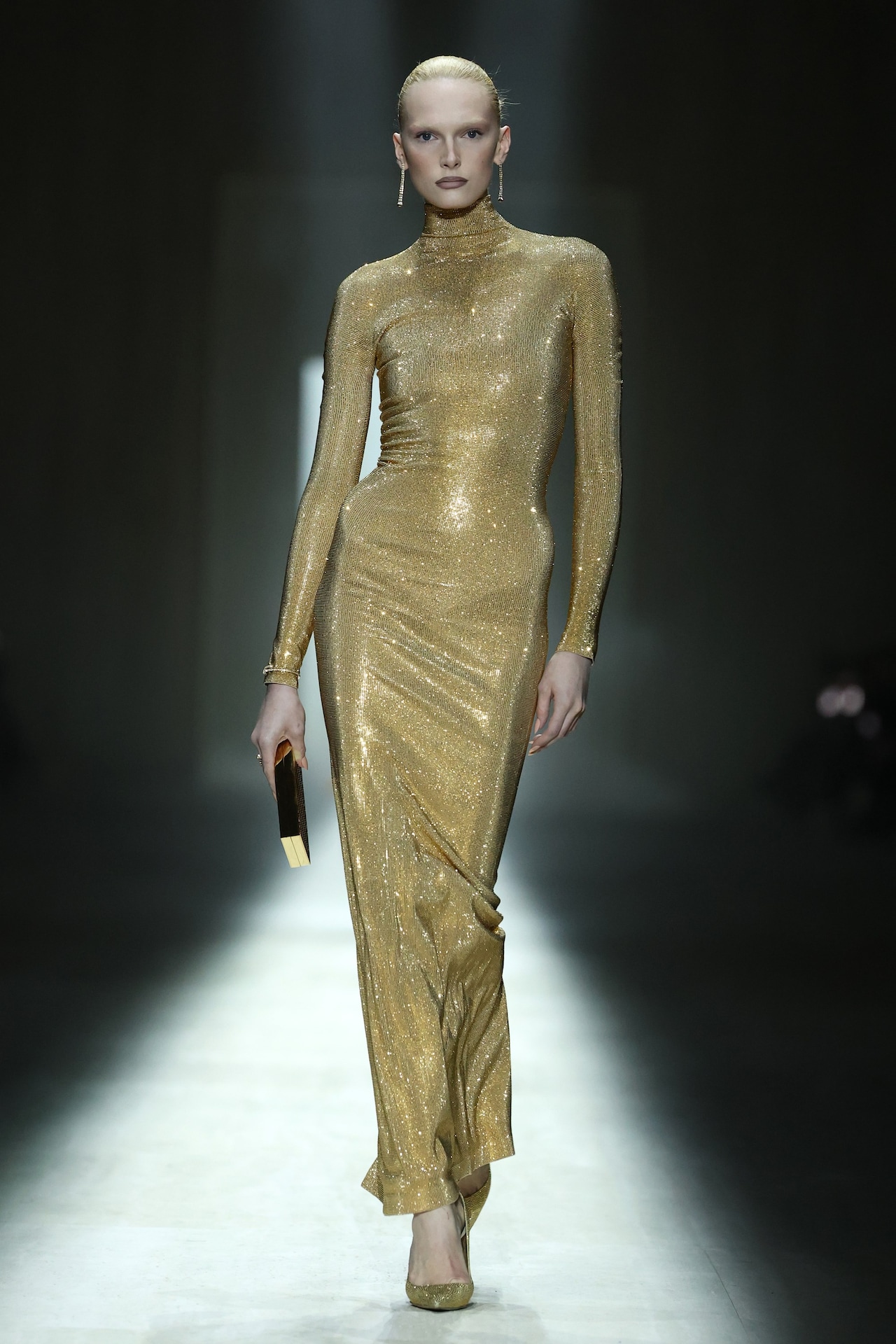
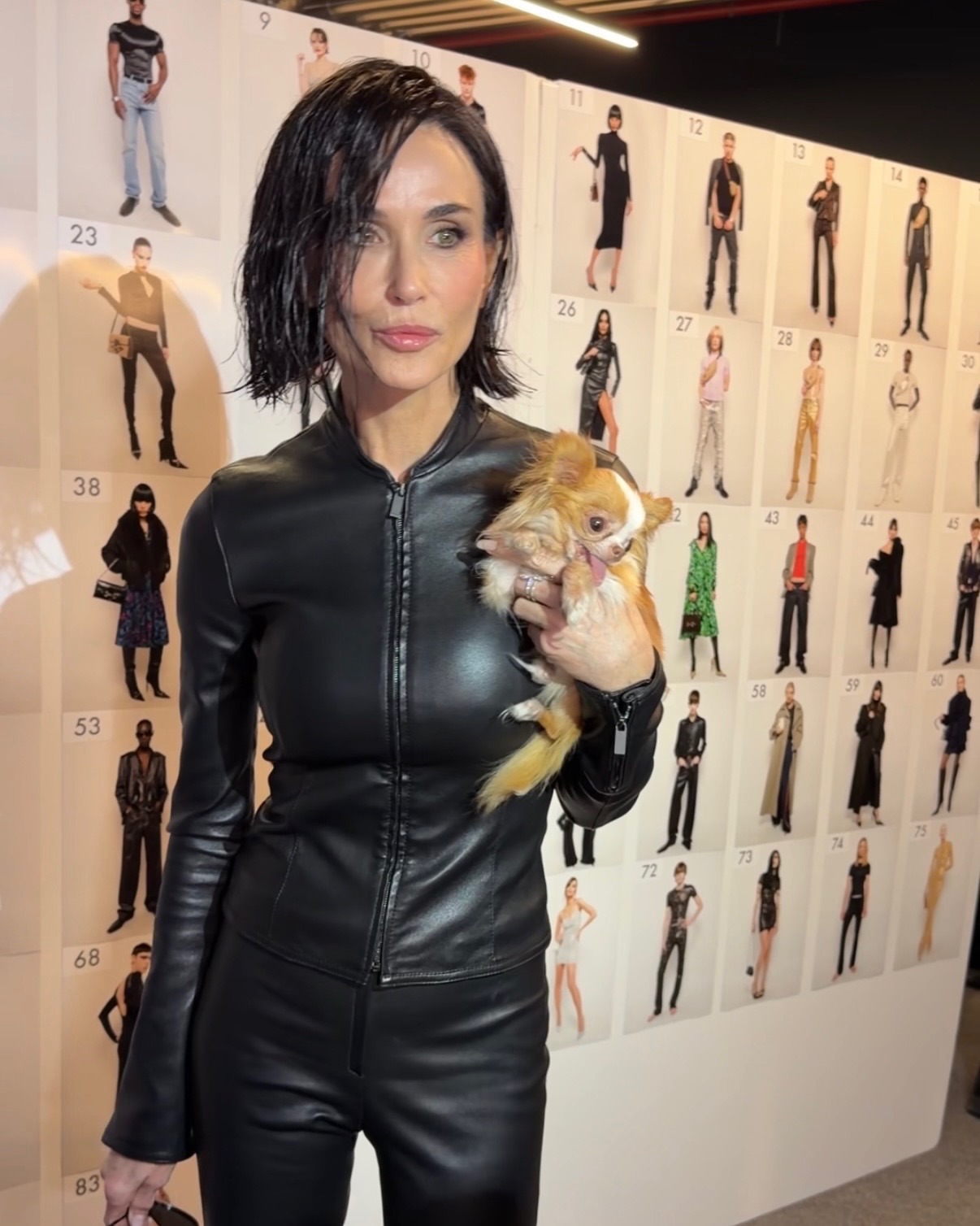
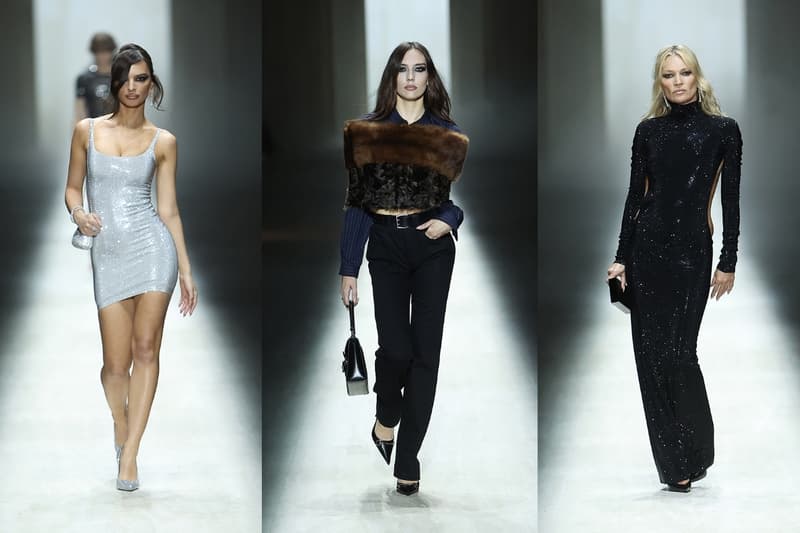
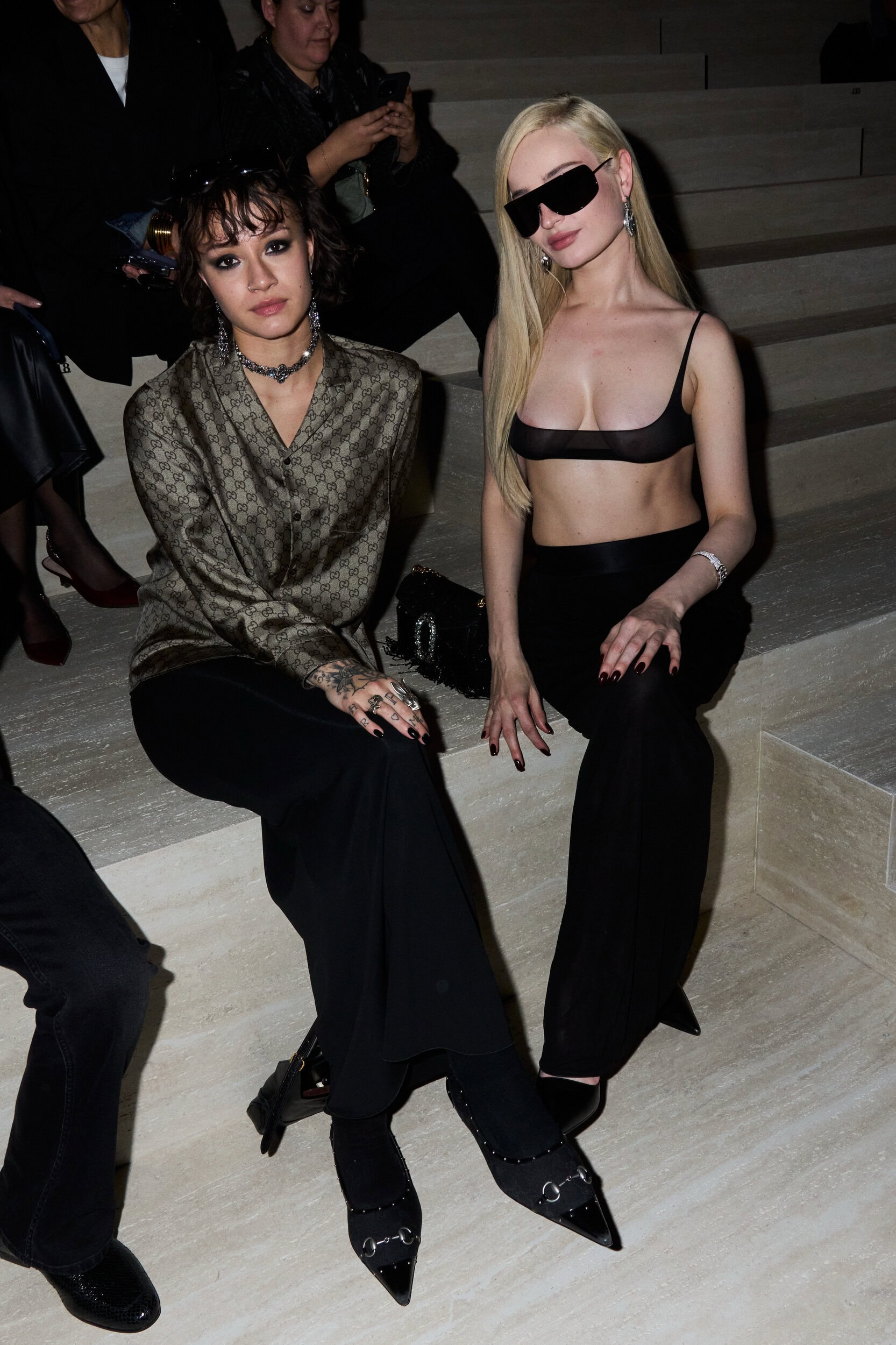
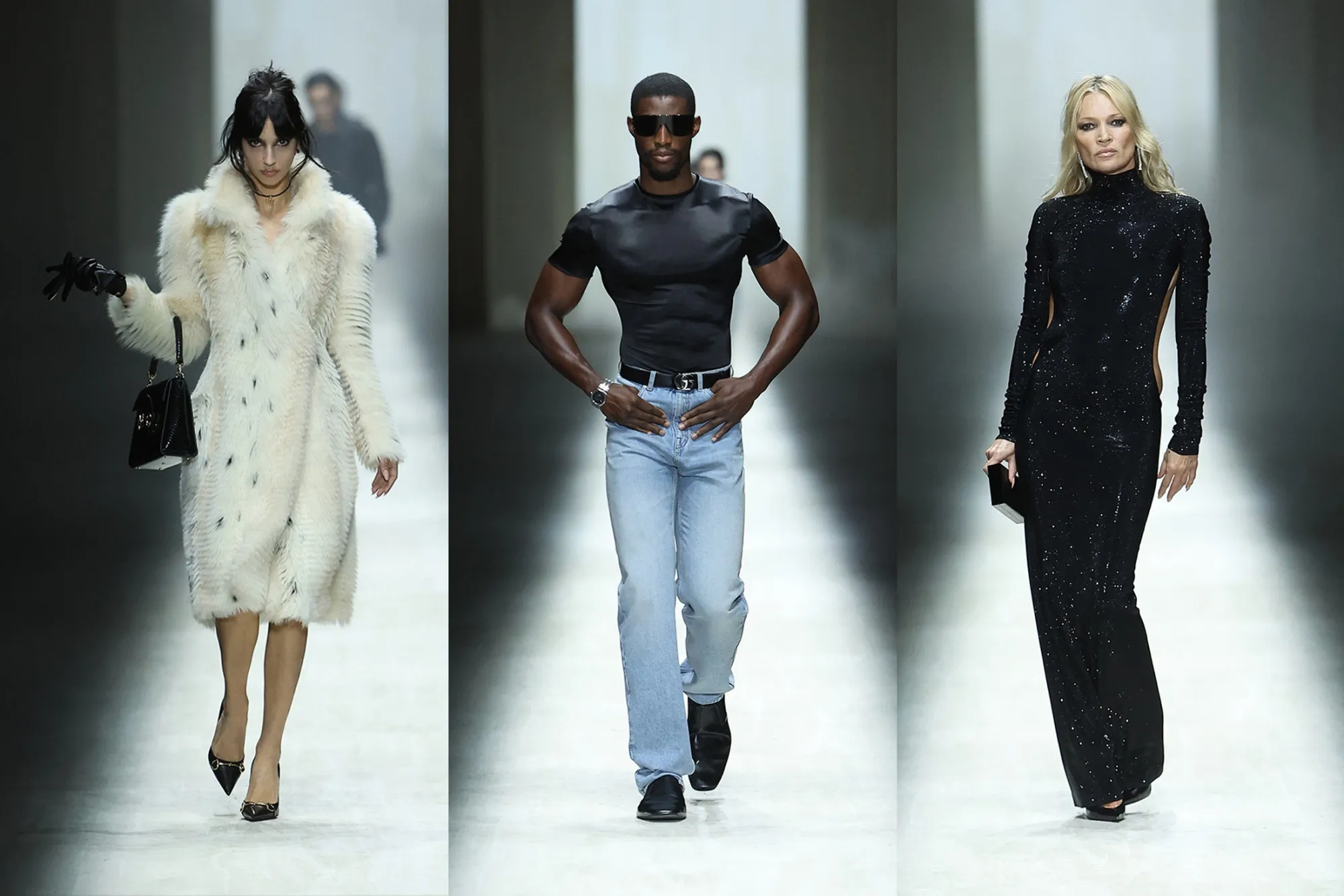
For e-commerce sellers, this trend creates immediate product opportunity windows across multiple categories. The Fall 2026 collection emphasizes accessible luxury through body-conscious staples (muscle tees, stretchy tube dresses, high-waisted jeans, leather tailoring) combined with reworked iconic bags designed to feel "lighter and less formal" than previous iterations. The strategic casting of Gen Z digital natives—including rapper Fakemink, YouTube vlogger Sydney Carson, and Elon Musk's daughter Vivian Wilson—alongside legacy celebrities (Kate Moss, Emily Ratajkowski, Karlie Kloss) signals Demna's dual-audience approach. This creates arbitrage opportunities for sellers targeting both luxury enthusiasts and younger demographics seeking aspirational-yet-accessible fashion. The use of innovative production techniques (seamless garment construction with invisible heat-sealed edges, engineered curved hems) indicates Gucci is investing in technical differentiation, which may influence wholesale pricing and margin structures for authorized resellers.
The broader market context reveals a luxury fashion reset favoring emotional authenticity over intellectual complexity. Demna explicitly rejected oversized monogrammed pieces—the signature of Michele's era—in favor of "energy, passion, fun, and sex appeal." This messaging directly targets Gen Z consumers who view luxury brands as cultural statements rather than status symbols. The theatrical presentation strategy (museum-inspired sets referencing Florence's Uffizi Gallery and classical sculpture) emphasizes brand storytelling, which translates to content marketing opportunities for sellers. Sellers in luxury fashion categories should anticipate increased demand for body-conscious silhouettes, high-shine tailoring, and statement accessories throughout 2026, with peak interest likely during Milan Fashion Week coverage periods and influencer-driven social commerce windows. The 15% Kering share price increase reflects institutional confidence that Demna's approach will restore Gucci's market dominance, suggesting sustained investment in collection depth and distribution expansion—favorable conditions for authorized sellers and marketplace resellers managing Gucci inventory.
Questions 7
Which e-commerce channels and seller segments should prioritize Gucci inventory for 2026?
Sellers targeting Gen Z demographics (ages 18-28) and luxury fashion enthusiasts should prioritize body-conscious apparel, statement accessories, and reworked iconic bags for 2026 inventory planning. The strategic emphasis on accessible luxury suggests strong demand across mid-to-premium price points ($200-2,000 per piece), making Gucci attractive for sellers on platforms like SSENSE, Farfetch, Vestiaire Collective, and Grailed. Influencer-driven social commerce channels (TikTok Shop, Instagram Shopping) represent high-potential distribution windows, particularly for pieces featured in Gen Z influencer styling content. Sellers should monitor Milan Fashion Week coverage periods (February, September) for peak demand windows and plan inventory allocation accordingly. The 15% Kering share price increase suggests sustained investment in distribution, making authorized reseller channels and marketplace partnerships increasingly viable throughout 2026.
What production innovations is Gucci implementing and how might this affect wholesale pricing?
Gucci's Fall 2026 collection features innovative seamless garment construction with invisible heat-sealed edges and engineered curved hems, demonstrating technical advancement in production capabilities. These innovations suggest Gucci is investing in differentiated manufacturing processes that may increase production costs but enhance product quality and perceived value. For e-commerce sellers, this technical differentiation may influence wholesale pricing structures, potentially supporting higher retail margins if Gucci positions these pieces as premium-tier offerings. The emphasis on technical innovation also indicates Gucci is competing on product quality and craftsmanship, which may reduce pressure from counterfeit competition and support authorized reseller pricing power in luxury marketplaces.