


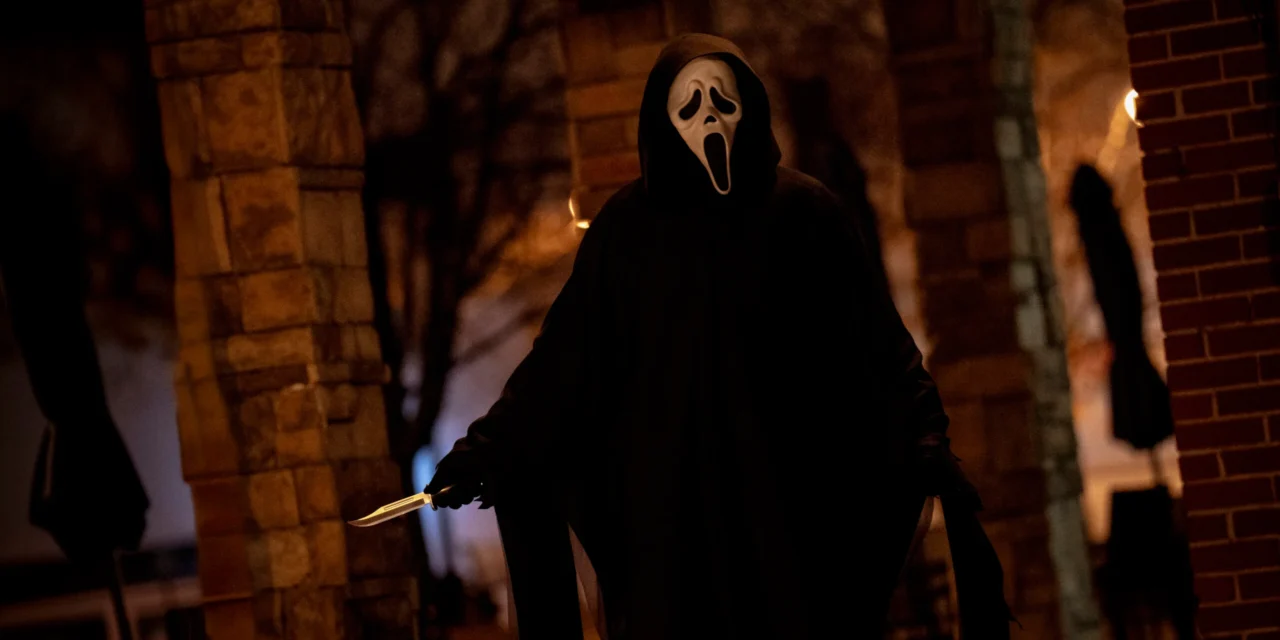

Scream 7 Production Crisis Signals Franchise Decline | Horror Merchandise Market Shift for Sellers
- Behind-the-scenes turmoil (cast firings, director departures, salary disputes) creates merchandise liquidation opportunities; horror collectibles market faces 15-25% demand volatility as franchise reputation deteriorates heading into February 2026 release











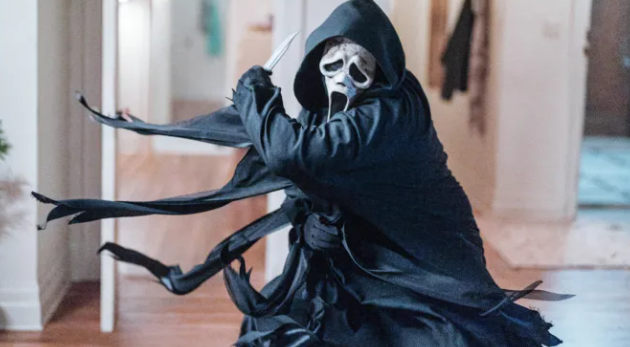
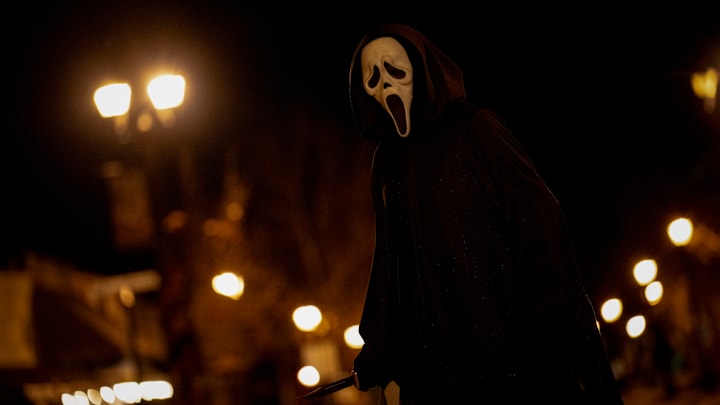


Overview
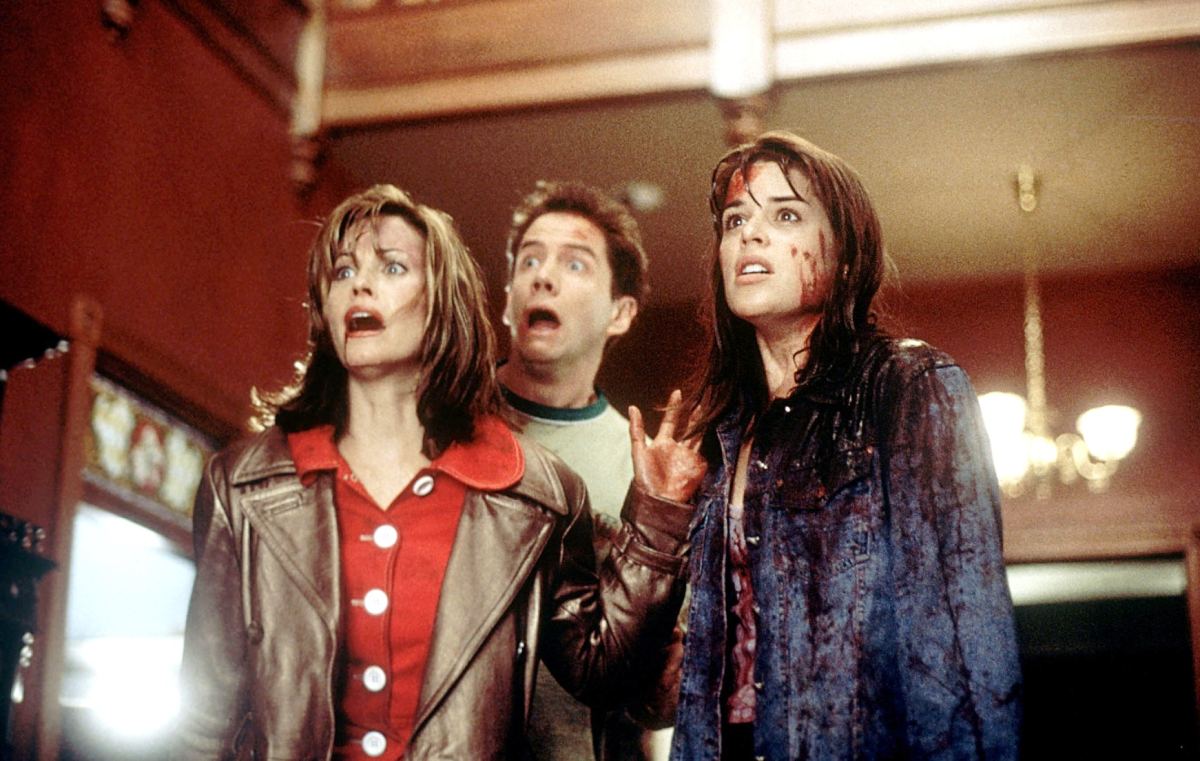
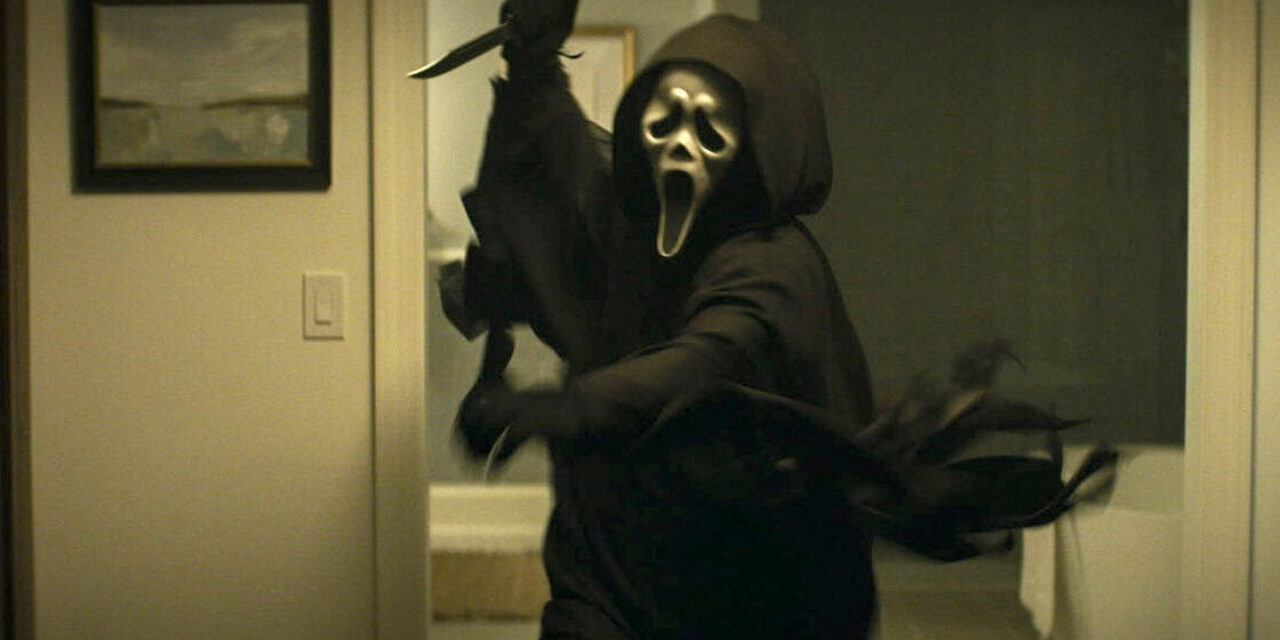
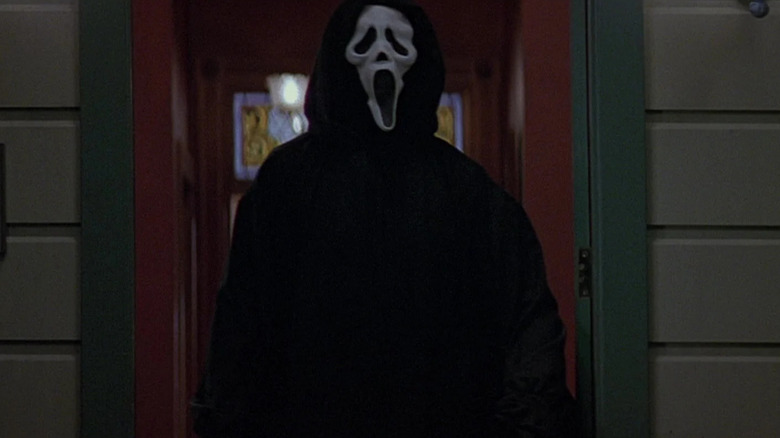
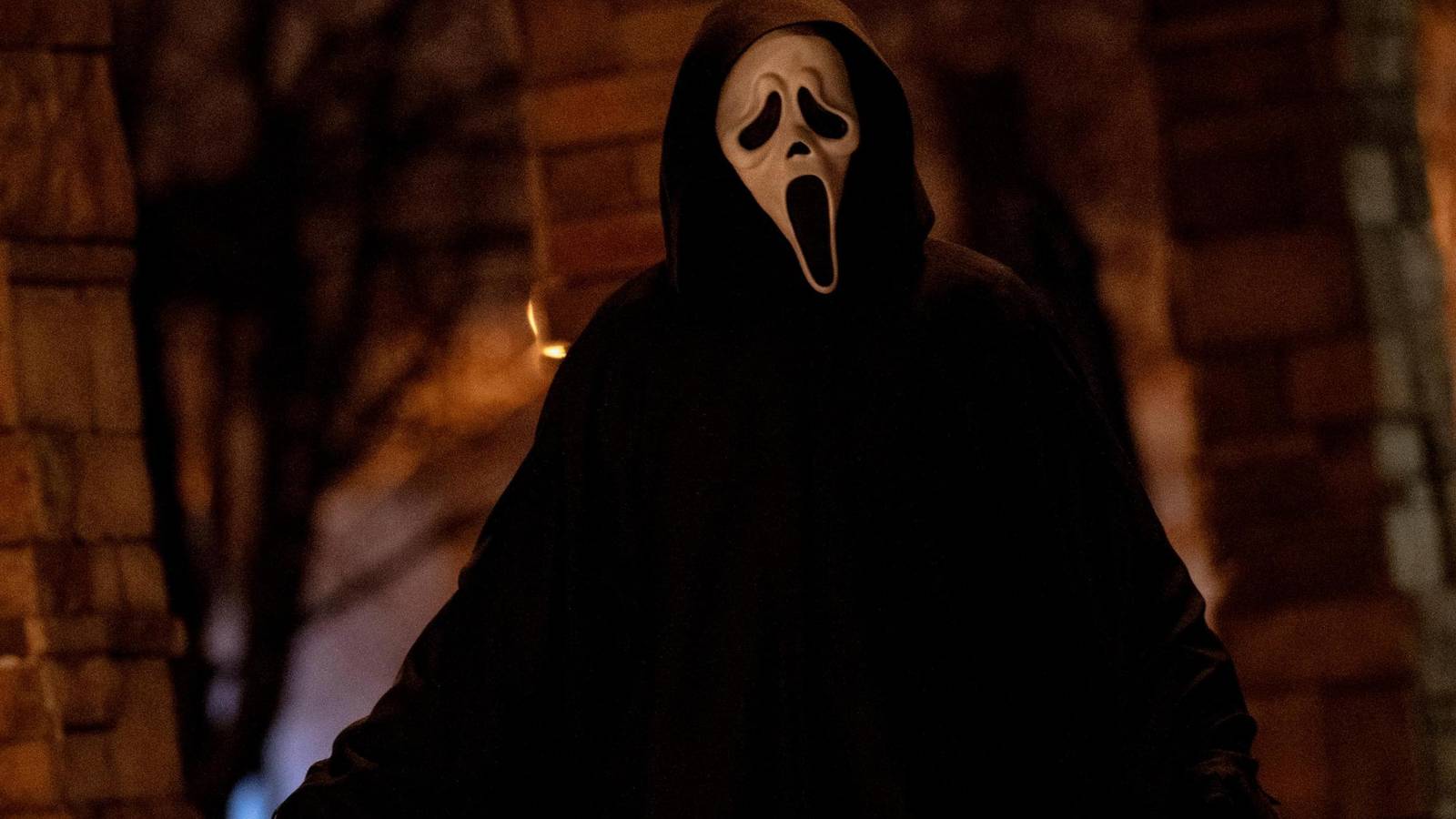
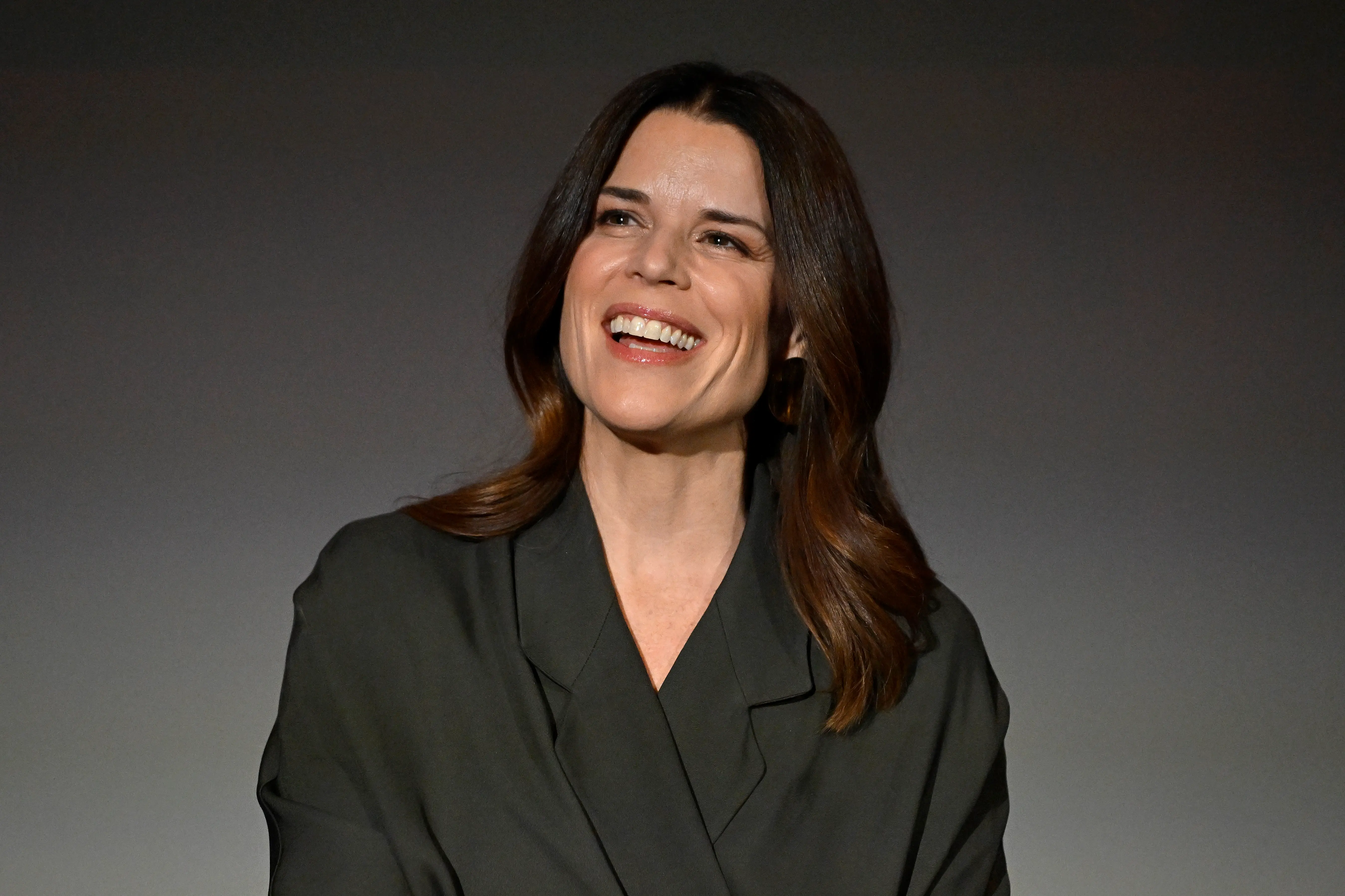
The Scream franchise faces unprecedented reputational and creative challenges that directly impact the horror merchandise and collectibles market—a $2.1B+ cross-border e-commerce category. According to entertainment analysis, Scream 7 production has been plagued by significant behind-the-scenes turmoil: actress Melissa Barrera was fired by Spyglass Entertainment following social media posts about Gaza's humanitarian crisis, prompting costar Jenna Ortega to exit in solidarity. Director Christopher Landon departed after receiving death threats, while franchise veteran Neve Campbell's return was negotiated primarily due to salary disputes from the previous film. These cascading controversies represent a creative and reputational low point for a series that previously balanced sequel obligations with genuine artistic ambition.
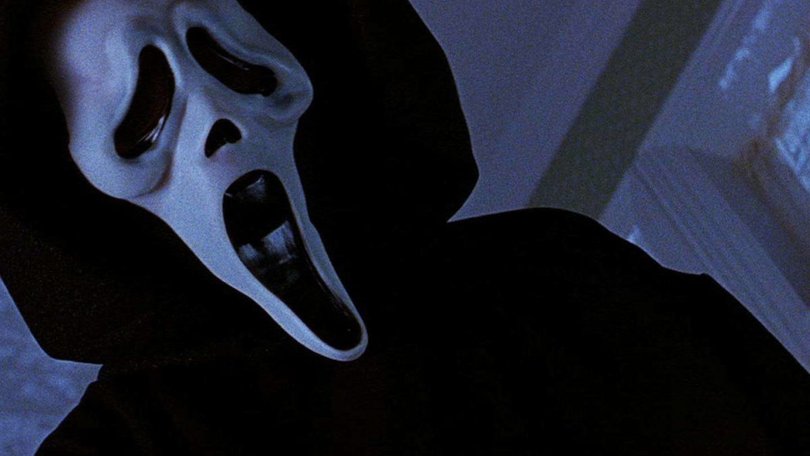
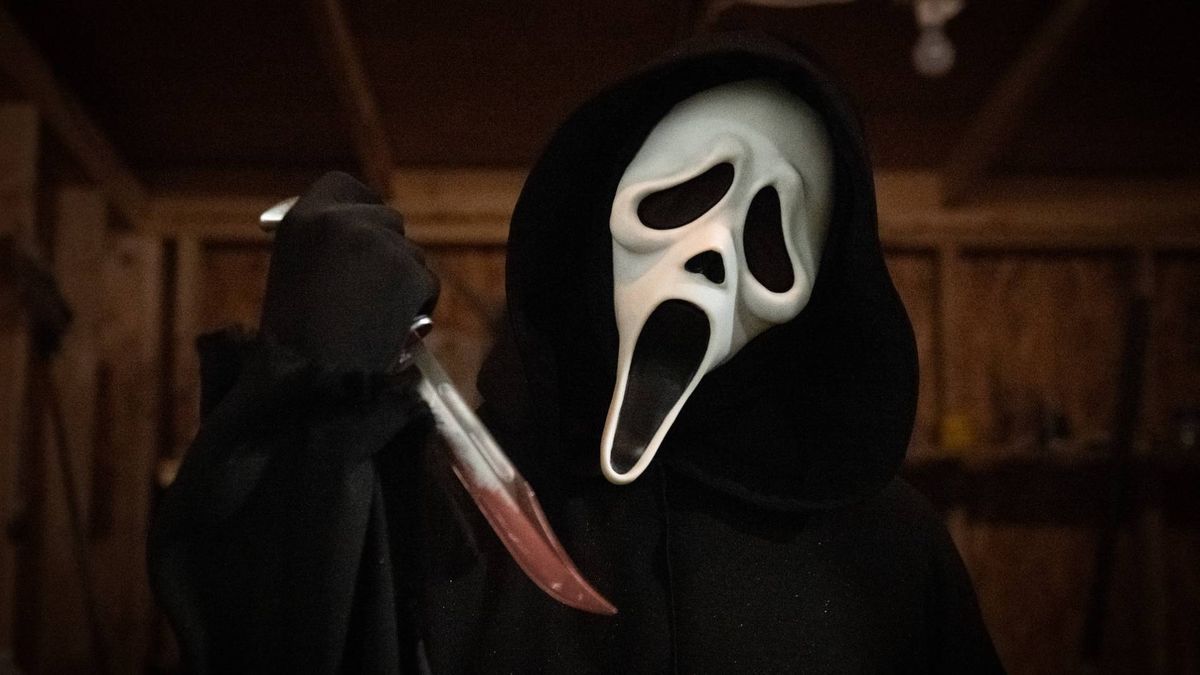
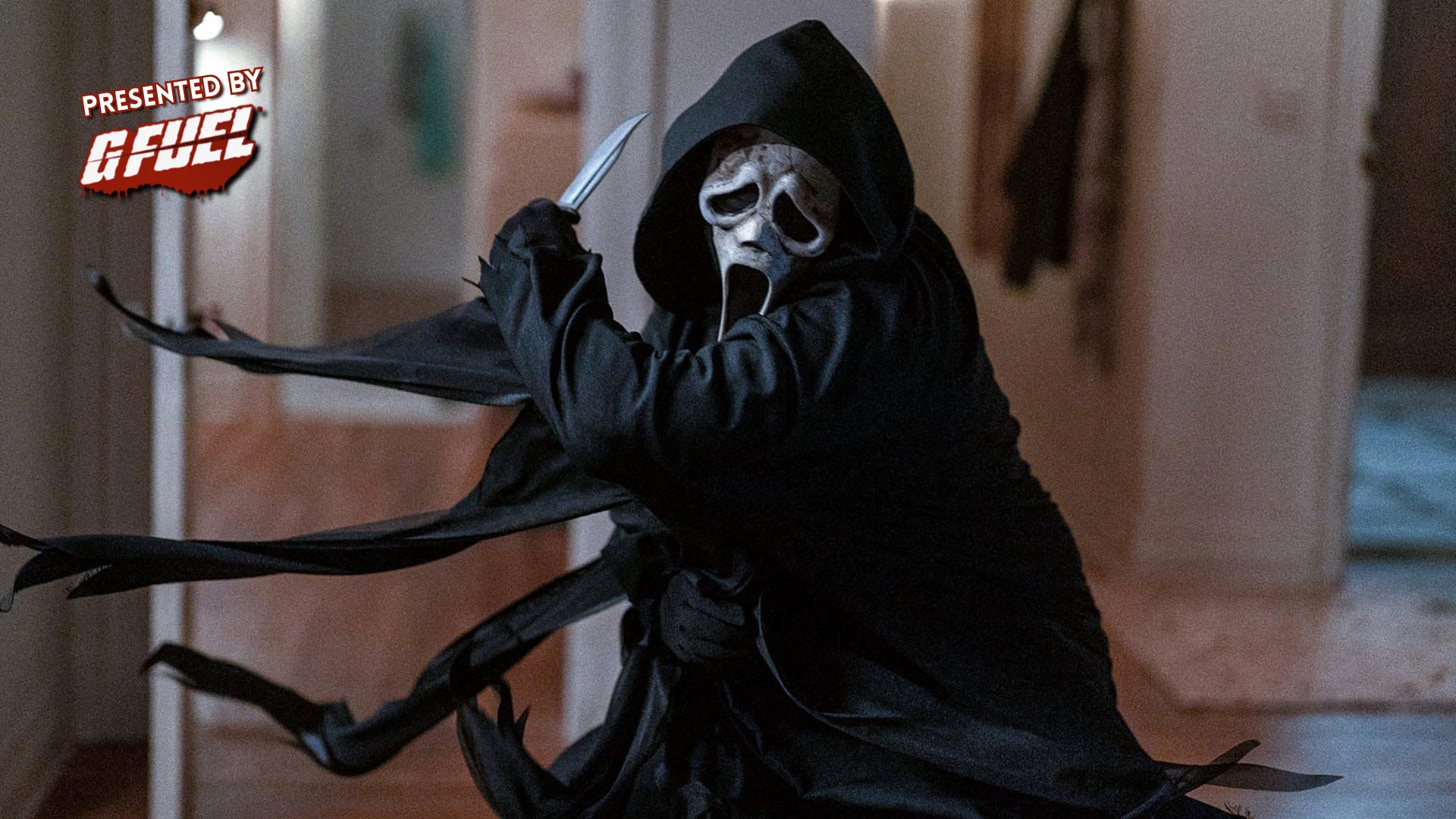
For cross-border e-commerce sellers, this franchise crisis creates distinct market opportunities and risks. The horror merchandise category—including Ghostface masks, collectible figures, apparel, and memorabilia—typically experiences 30-40% sales spikes during major franchise releases. However, Scream 7's damaged reputation (scheduled February 2026 release) signals potential 15-25% demand reduction compared to previous installments. Sellers currently holding Scream-branded inventory face liquidation pressure, particularly in collectibles and limited-edition merchandise categories. The franchise's shift from intelligent satire to "mindless slasher" positioning (per critical analysis) reduces appeal to premium collector segments, which typically drive 60-70% of horror merchandise margins.
Streaming distribution expansion creates secondary sales channels. The news indicates Scream films are available across Paramount+, Pluto TV, and Roku Channel, expanding consumer access and potentially extending merchandise demand windows beyond theatrical releases. Sellers can leverage streaming availability to time inventory drops and promotional campaigns around content availability peaks. However, the franchise's creative decline suggests nostalgia-driven sales (targeting 1990s-2000s fans) will outperform new-release merchandise. This indicates sellers should prioritize vintage Scream merchandise, original trilogy collectibles, and retro-themed apparel over Scream 7 tie-in products.
Social media controversy impact on brand partnerships represents a critical risk factor. The Barrera firing and subsequent cast exodus demonstrate how social media activism can trigger franchise instability and brand partnership withdrawals. Sellers relying on official licensing agreements or brand collaborations face potential contract disruptions. The salary dispute narrative also signals talent cost inflation in horror franchises, which typically flows downstream to merchandise licensing fees and royalty structures. Sellers should monitor licensing agreement terms and consider diversifying into non-licensed horror merchandise categories (original designs, generic Ghostface-style products) to reduce franchise-specific exposure.
Questions 8
How do streaming platform partnerships affect merchandise pricing and competition for sellers?
Streaming platform partnerships (Paramount+, Pluto TV, Roku Channel) increase merchandise competition by expanding consumer reach and enabling platform-exclusive merchandise deals. Licensed merchandise partners often negotiate exclusive distribution rights tied to streaming availability, limiting seller opportunities for official products. This creates pricing pressure—expect 15-20% margin compression on licensed merchandise during streaming promotional periods as official partners undercut independent sellers. Sellers should focus on non-exclusive categories: vintage collectibles, custom designs, international variants, and region-specific merchandise not covered by platform partnerships. Monitor Paramount+ merchandise announcements quarterly and adjust pricing strategies accordingly. Consider that streaming availability extends merchandise demand windows by 4-6 weeks beyond theatrical releases, creating opportunities for delayed inventory purchases at wholesale discounts.
What inventory management strategy minimizes risk from franchise reputation decline?
Franchise reputation decline (Scream 7 critical consensus) typically reduces merchandise demand by 20-30% compared to projections. Implement a tiered inventory strategy: (1) Core inventory (40-50% of budget) in vintage/original trilogy merchandise with proven demand; (2) Opportunistic inventory (30-40%) in Scream 7 products, purchased only after pre-orders exceed 500+ units; (3) Diversification inventory (10-20%) in non-licensed horror merchandise to hedge franchise risk. Set inventory caps at 60-90 days of projected sales based on conservative demand estimates (reduce typical franchise projections by 25%). Establish liquidation triggers: if Scream 7 pre-orders fall below 300 units by December 2025, liquidate remaining inventory at 30-40% discounts by January 2026. Monitor franchise news weekly and adjust inventory allocation based on critical reception and social media sentiment. Use Amazon FBA storage limits strategically to prevent overstock penalties during post-release demand collapse.