


Nigeria's Bold Military Intervention Reshapes West African Regional Security Dynamics
- Strategic military deployment signals emerging geopolitical realignment in West African conflict prevention






















Overview
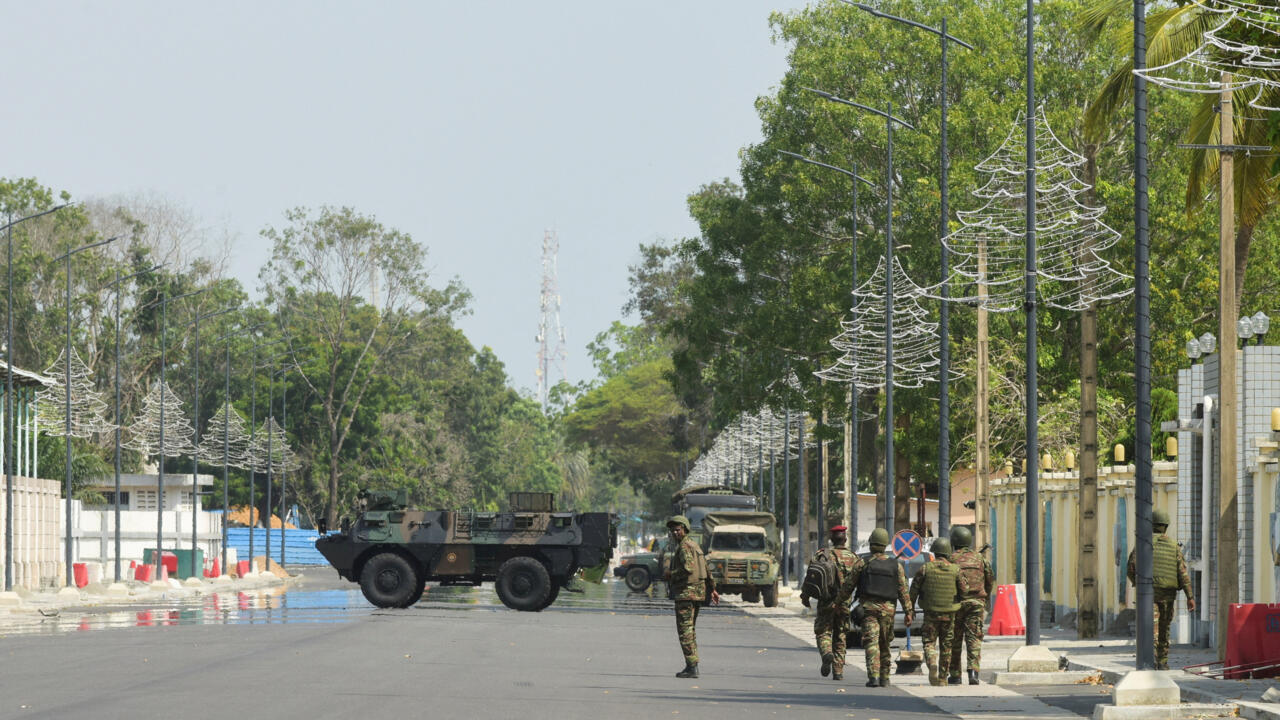
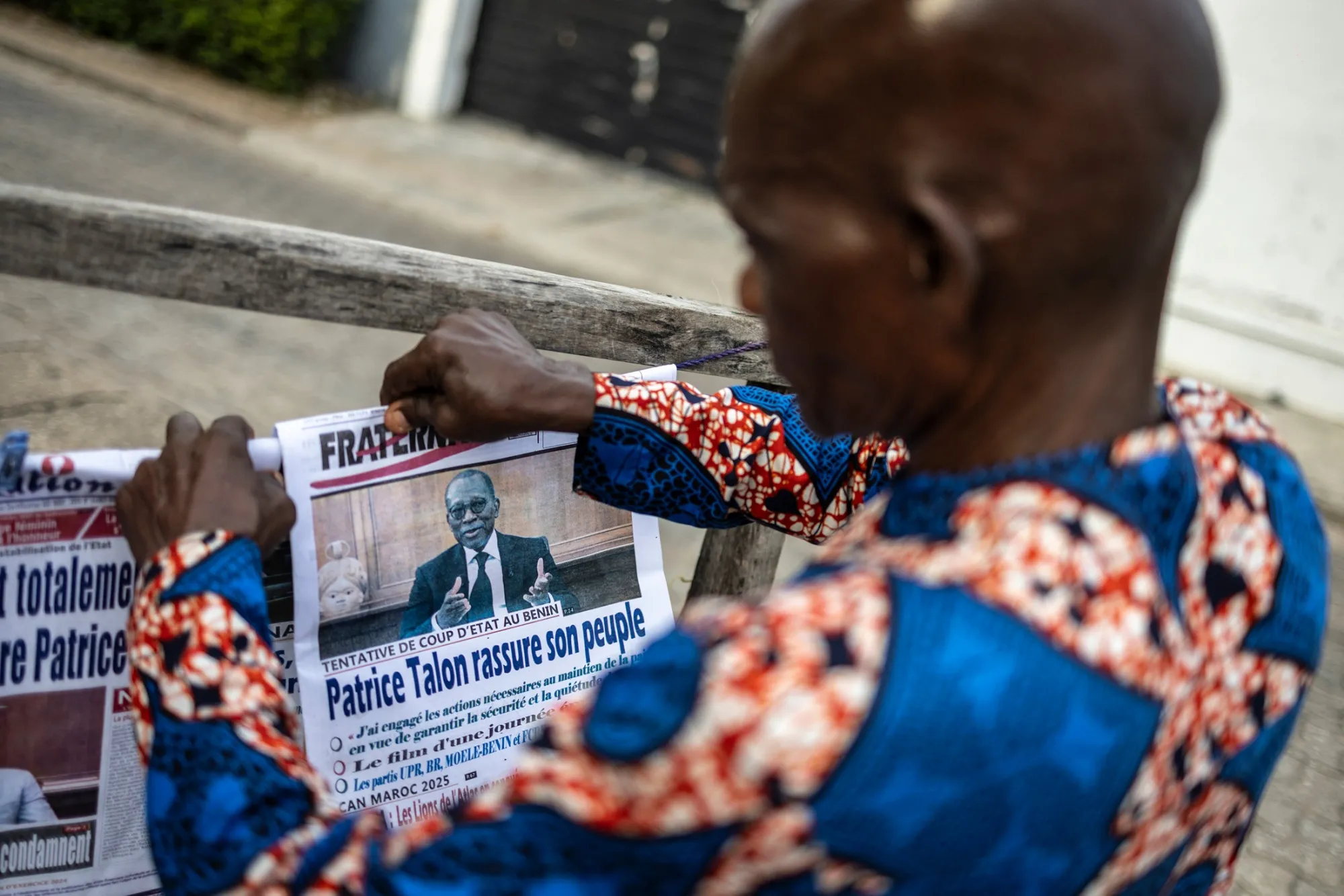
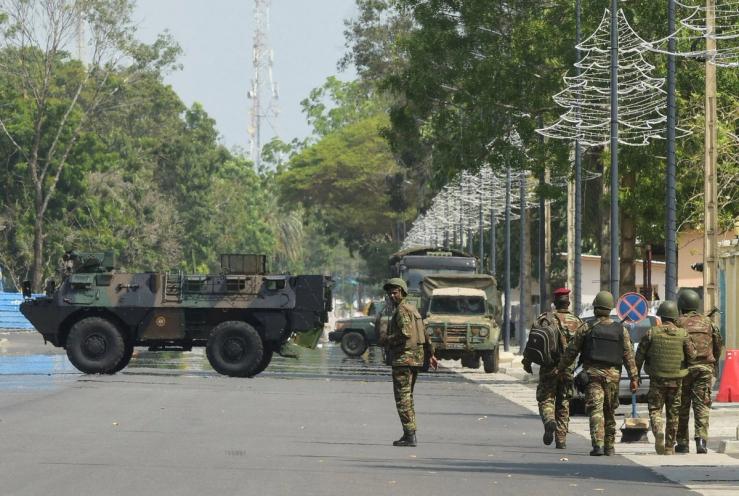
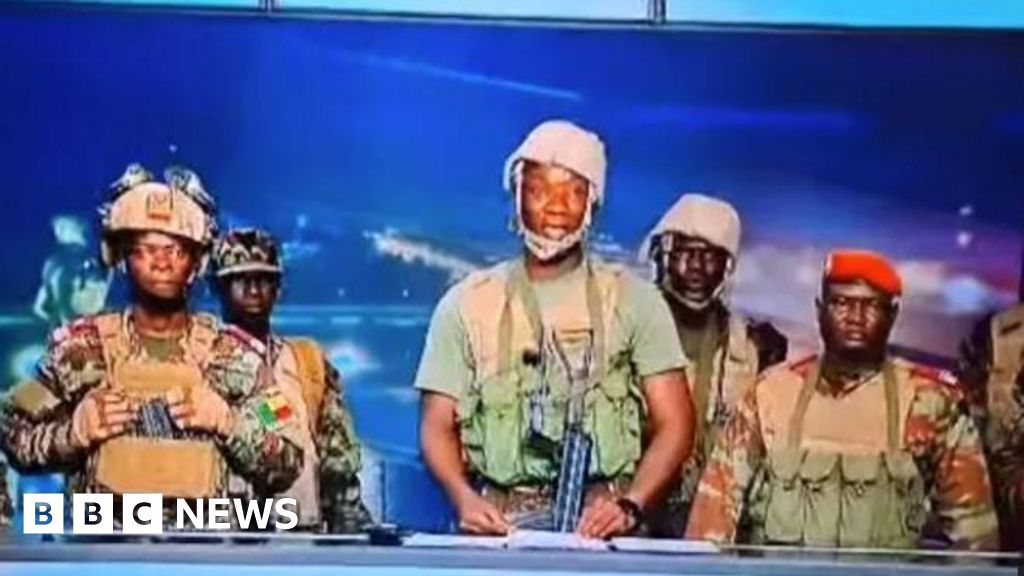
Nigeria's unprecedented military intervention in Benin marks a critical inflection point in regional geopolitical strategy, revealing a proactive approach to preventing potential political instability in West Africa. By dispatching fighter jets and troops to quash a potential coup attempt against President Patrice Talon, Nigerian President Bola Tinubu has demonstrated a significant shift from passive regional diplomacy to direct military engagement.
Regional security dynamics are undergoing a fundamental transformation, with Nigeria positioning itself as a decisive stabilization force. This intervention represents the country's first foreign military operation in nearly a decade, signaling a more assertive stance in managing regional tensions. The strategic deployment, coordinated through the Economic Community of West African States (ECOWAS), highlights the growing importance of preemptive military diplomacy in mitigating potential political crises.
The geopolitical calculus extends beyond immediate coup prevention, touching on broader regional security challenges. Benin's proximity to jihadist-affected territories makes this intervention particularly significant. By acting swiftly, Nigeria is effectively creating a preventative buffer zone that could help contain potential terrorist infiltration and political destabilization. This approach suggests a sophisticated understanding of the interconnected nature of regional security threats, where political instability can rapidly create power vacuums exploitable by extremist groups.
The intervention also reveals a nuanced strategic approach: military action is being used not as a blunt instrument, but as a carefully calibrated tool of regional governance. By supporting Benin's democratically elected government, Nigeria is reinforcing institutional stability and sending a clear message about the unacceptability of unconstitutional power transfers in the region.
Ultimately, this action represents more than a single military intervention—it's a potential blueprint for how regional powers might proactively manage political volatility, using coordinated, multilateral approaches that prioritize prevention over reaction.
Questions 3
How does this intervention impact regional geopolitics?
The intervention establishes Nigeria as a proactive stabilization force in West Africa. By supporting Benin's democratically elected government, Nigeria is reinforcing institutional stability and creating a precedent for multilateral approaches to managing political volatility.
What makes this military intervention significant?
This is Nigeria's first foreign military operation in nearly a decade, signaling a more assertive approach to regional security. It demonstrates a shift from passive diplomacy to active conflict prevention, coordinated through the ECOWAS regional bloc.