

Middle East Oil Crisis Reshapes Cross-Border Shipping Costs | Sellers Face 8-15% Logistics Surge
- Crude prices could exceed $100/barrel in disruption scenarios, increasing air freight costs 12-18% and ocean freight 6-10% for cross-border sellers within 30-60 days


Overview
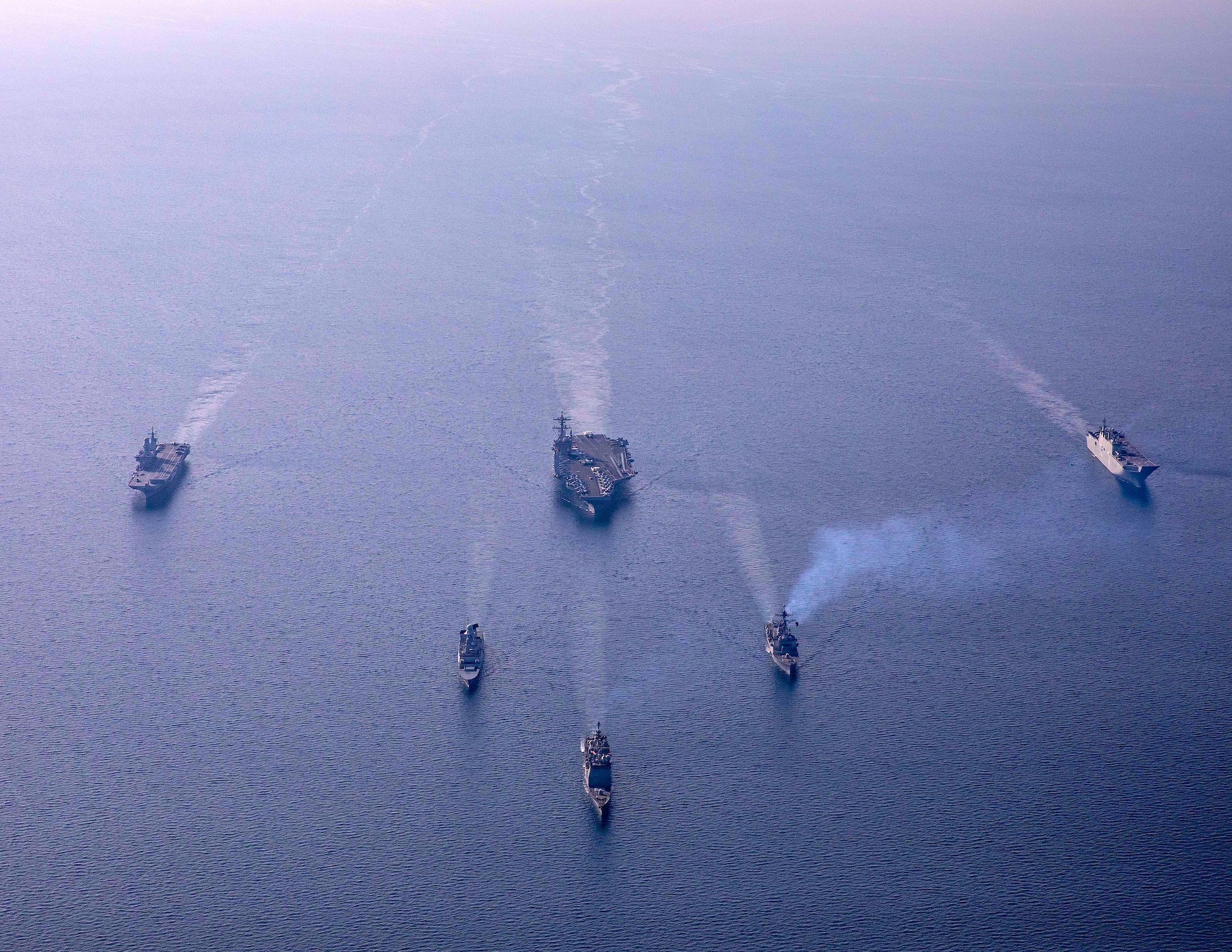
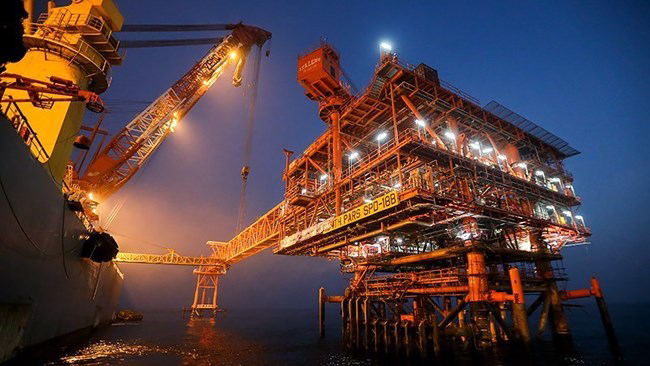
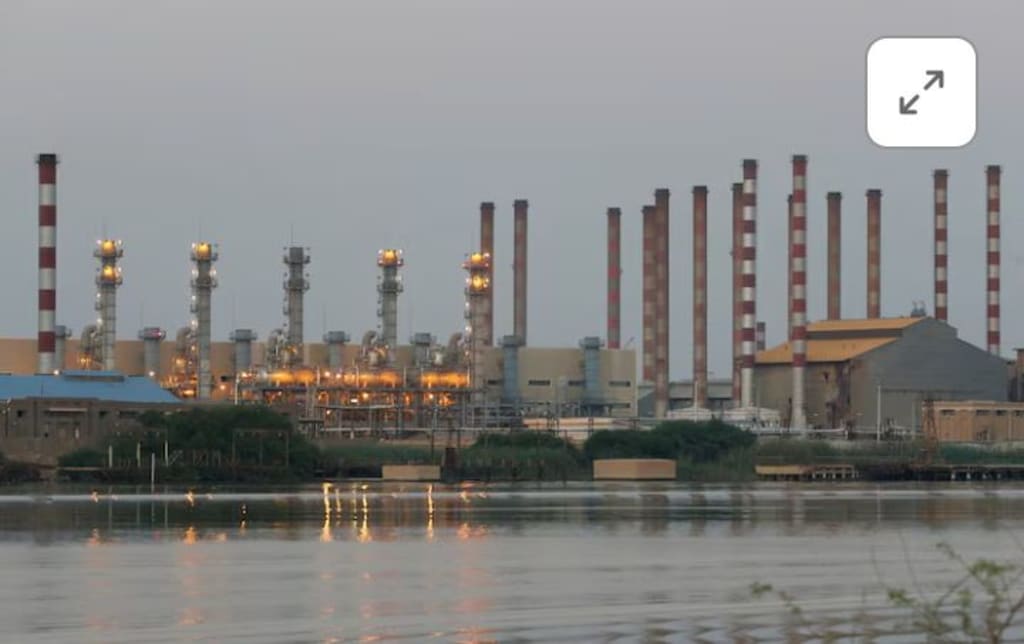
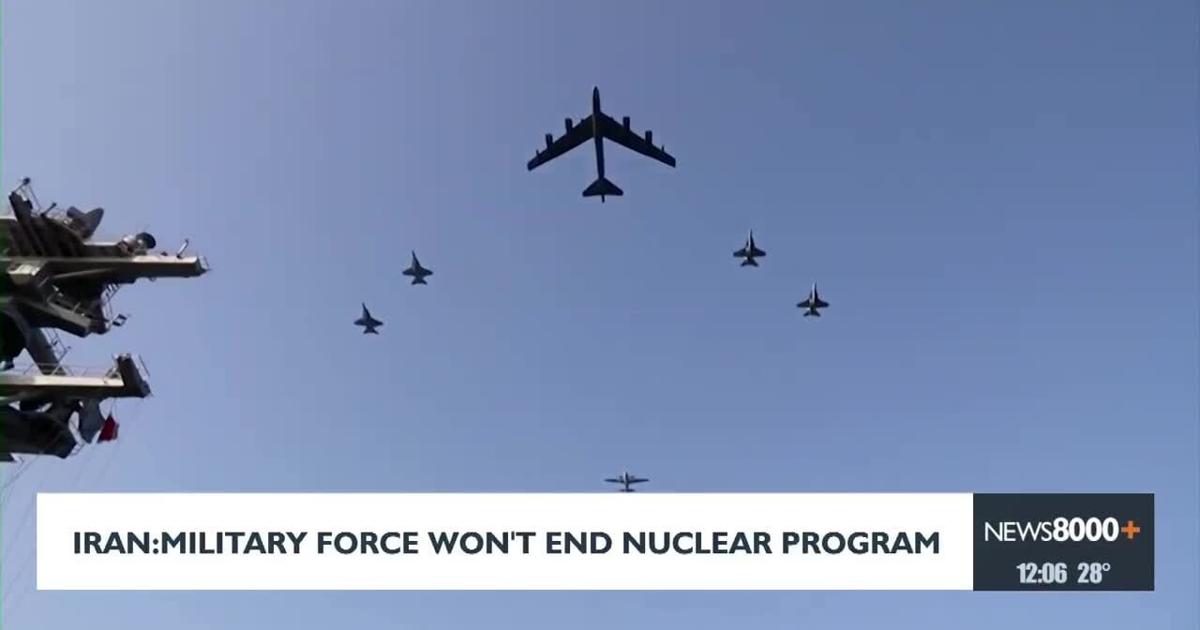
The February 28, 2025 escalation in Middle East tensions following US and Israeli military strikes on Iran creates immediate logistics cost pressures for cross-border e-commerce sellers globally. Iran's 208-209 billion barrels of proven reserves (12% of global supply) and daily exports of 1.3-1.5 million barrels—primarily to China—make it a critical energy supplier. With 90% of Iranian crude transiting through the Strait of Hormuz (a 50-kilometer chokepoint handling 20 million barrels daily, roughly one-fifth of global consumption), any infrastructure disruption directly impacts shipping costs for sellers on Amazon, eBay, Shopify, and other cross-border platforms.
JPMorgan Chase analysis indicates crude prices could surge beyond $100 per barrel in severe disruption scenarios, compared to current market levels. This translates directly to increased logistics expenses: air freight costs typically rise 12-18% per price spike, while ocean freight increases 6-10%. For sellers shipping 1,000+ units monthly via air freight, this represents $200-400 additional monthly costs. Sellers relying on time-sensitive air freight for electronics, fashion, and perishables face the greatest margin compression. Ocean freight delays through the Strait of Hormuz could extend delivery times by 5-10 days, directly impacting Amazon seller ratings, Buy Box eligibility, and customer satisfaction metrics on major platforms.
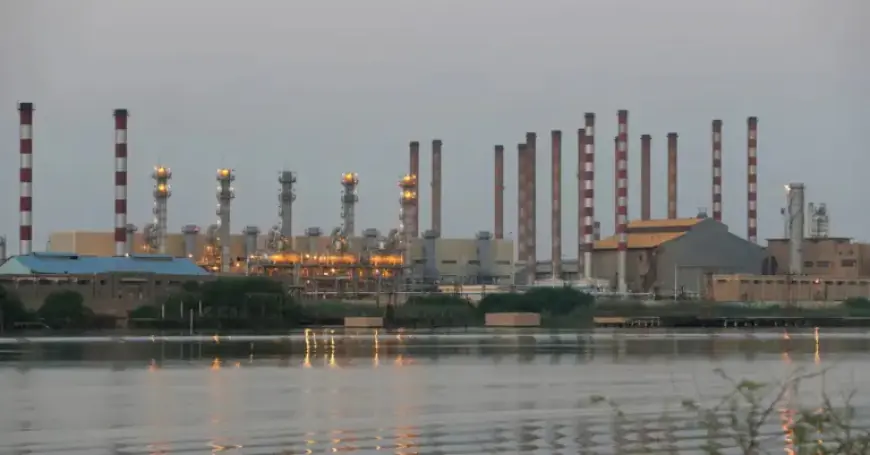
Historical precedent demonstrates immediate market impact without permanent outages. The 1980-88 Iran-Iraq War removed up to 4 million barrels from global markets, while the 2019 Saudi Abqaiq facility strike eliminated 5.7 million barrels, triggering sharp crude price spikes. Current global oil markets operate with limited spare capacity, creating heightened sensitivity to disruptions. Tanker insurance premiums increase during tension periods, slowing shipping and creating bottlenecks. Sellers should immediately audit their logistics providers' exposure to Hormuz-dependent routes and evaluate alternative sourcing strategies. The competitive advantage shifts toward sellers with diversified 3PL networks, pre-positioned inventory in destination markets, and products with lower shipping-cost sensitivity (lower-weight, higher-margin items). Small sellers with single-supplier dependencies face the highest risk of margin compression and delivery delays affecting platform performance metrics.
Immediate actions include reviewing inventory positioning, locking in shipping rates before further escalation, and considering temporary price increases for air-freight-dependent categories. Strategic adjustments over 1-6 months should focus on shifting 20-30% of inventory to regional 3PL providers, evaluating alternative marketplaces with lower logistics dependencies, and prioritizing product categories with higher margins to absorb cost increases. Monitor geopolitical developments daily, as even tension announcements (without actual disruptions) trigger immediate insurance premium increases and shipping delays.
Questions 7
Should I shift my sourcing away from China during this crisis?
Partial sourcing diversification is prudent but complete China exit is premature. Iran's 1.3-1.5 million daily barrel exports primarily serve China, creating direct supply chain exposure for sellers sourcing from Chinese manufacturers. However, China-to-US/EU shipping routes don't depend exclusively on Hormuz—alternative routes through Suez Canal and around Africa exist, though they add 2-3 weeks to transit times. Strategic approach: (1) Maintain 70% China sourcing for non-time-sensitive categories; (2) Shift 20-30% of air-freight-dependent products to Vietnam, India, or Indonesia (lower oil-price sensitivity, faster alternative routes); (3) Evaluate nearshoring for US sellers (Mexico, Central America) to reduce shipping distance and cost exposure. Vietnam and India offer 5-15% lower sourcing costs than China while reducing Hormuz dependency. Avoid panic sourcing from premium suppliers; instead, negotiate longer lead times (60-90 days) with existing Chinese suppliers to access lower-cost production. Monitor geopolitical developments before committing to sourcing changes, as rapid de-escalation could reverse cost pressures.
Which product categories are most vulnerable to shipping cost increases?
Air-freight-dependent categories face the highest vulnerability: electronics, fashion accessories, small appliances, and perishables. These categories typically rely on expedited shipping to meet customer delivery expectations and maintain Amazon Buy Box eligibility. Ocean-freight categories (furniture, bulk goods, heavy items) experience lower percentage cost increases but longer delays. High-margin, low-weight products (jewelry, electronics accessories, cosmetics) absorb cost increases better than low-margin, heavy items. Sellers in time-sensitive categories should prioritize regional inventory positioning and consider temporary price increases of 5-8% to maintain margins. Perishable sellers face additional risk from extended delivery times affecting product quality.