


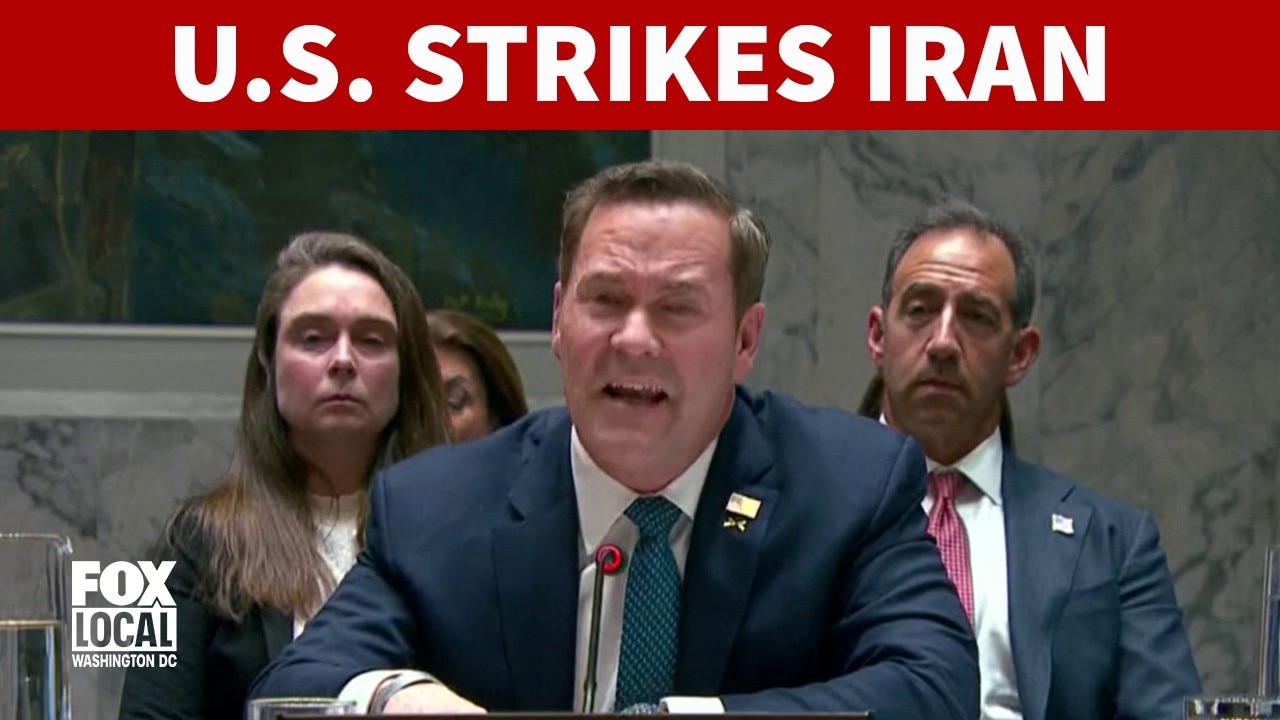
Middle East Supply Chain Collapse | Critical Logistics Disruption for Cross-Border Sellers
- 1,000+ flight cancellations, 7-country airspace closures, 90,000+ daily passengers stranded at Dubai/Abu Dhabi/Doha hubs affecting $2B+ monthly e-commerce logistics corridor









































)



Overview
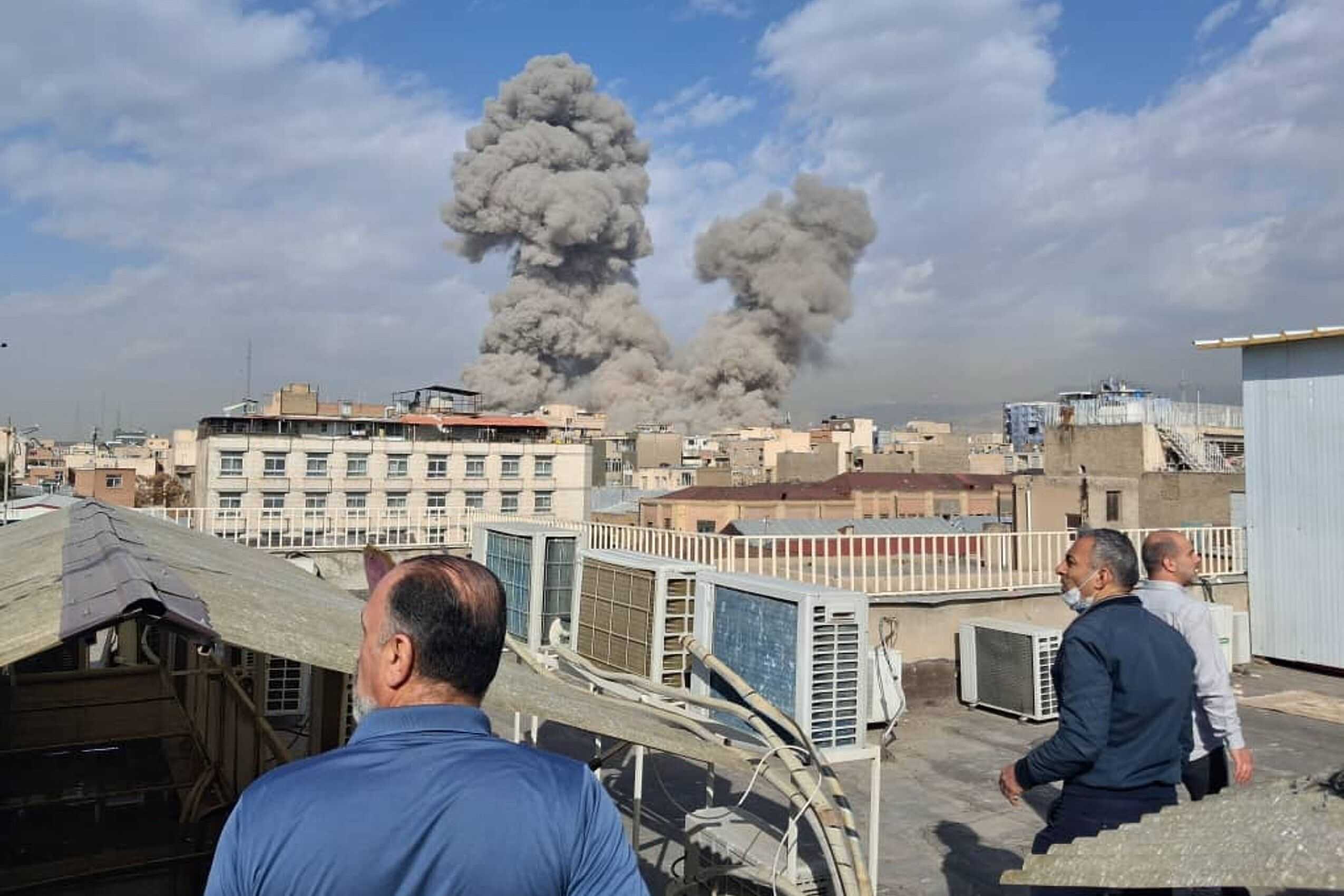
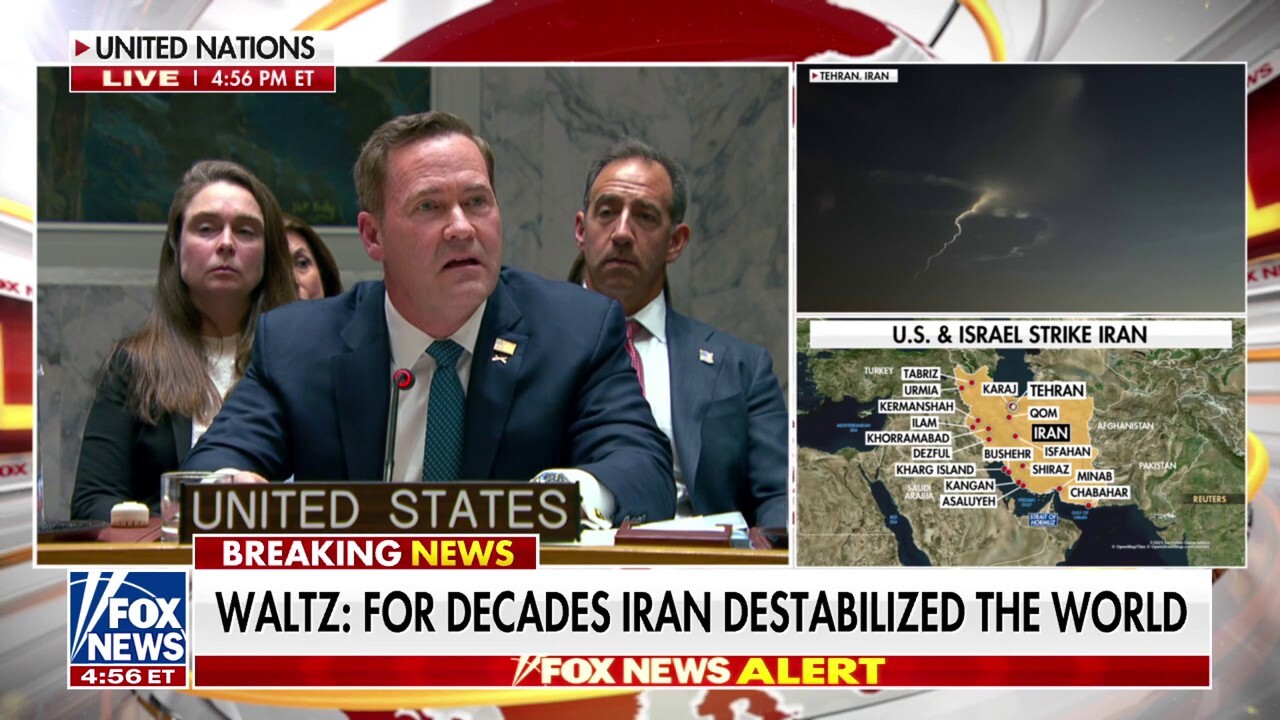
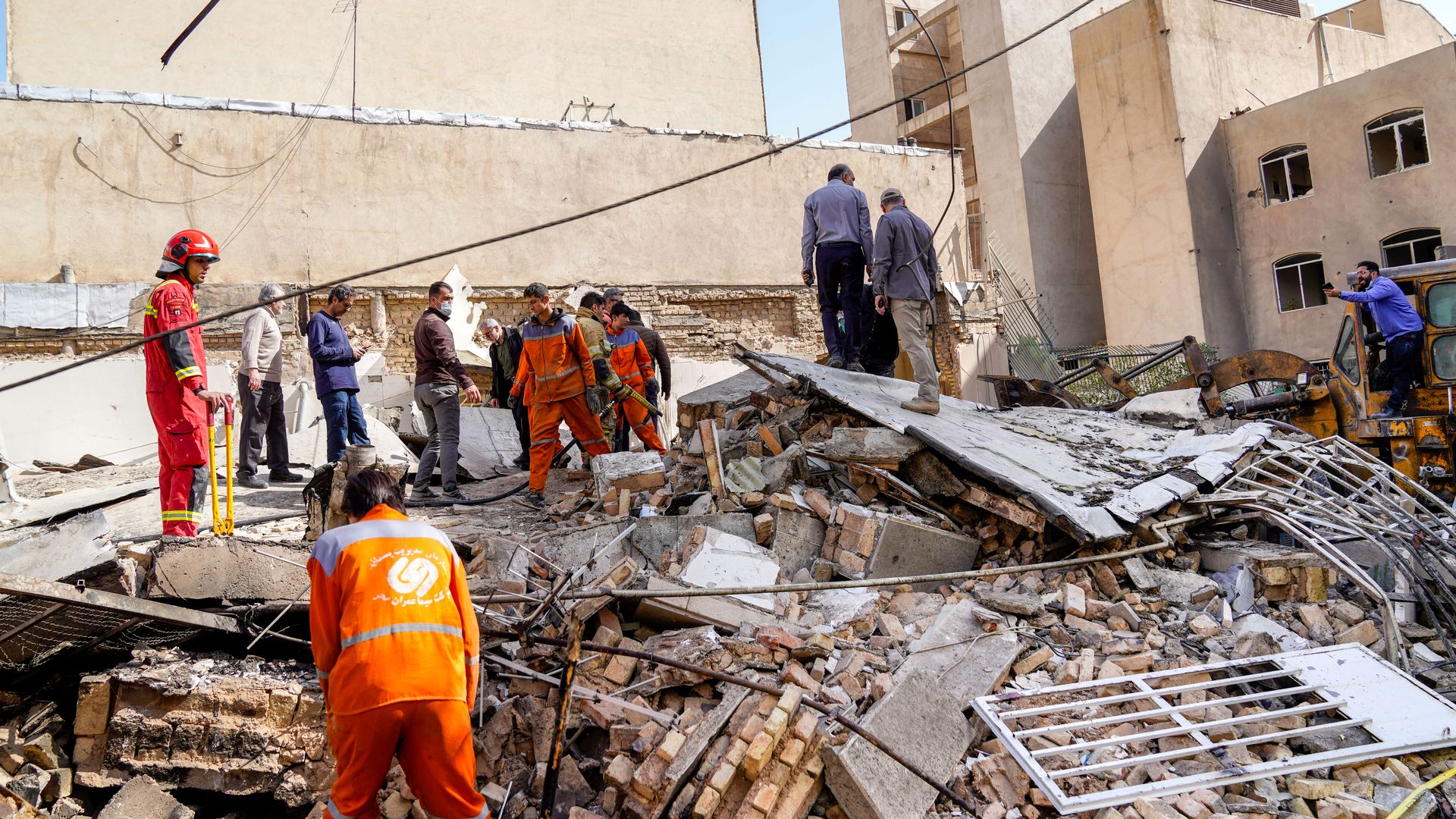
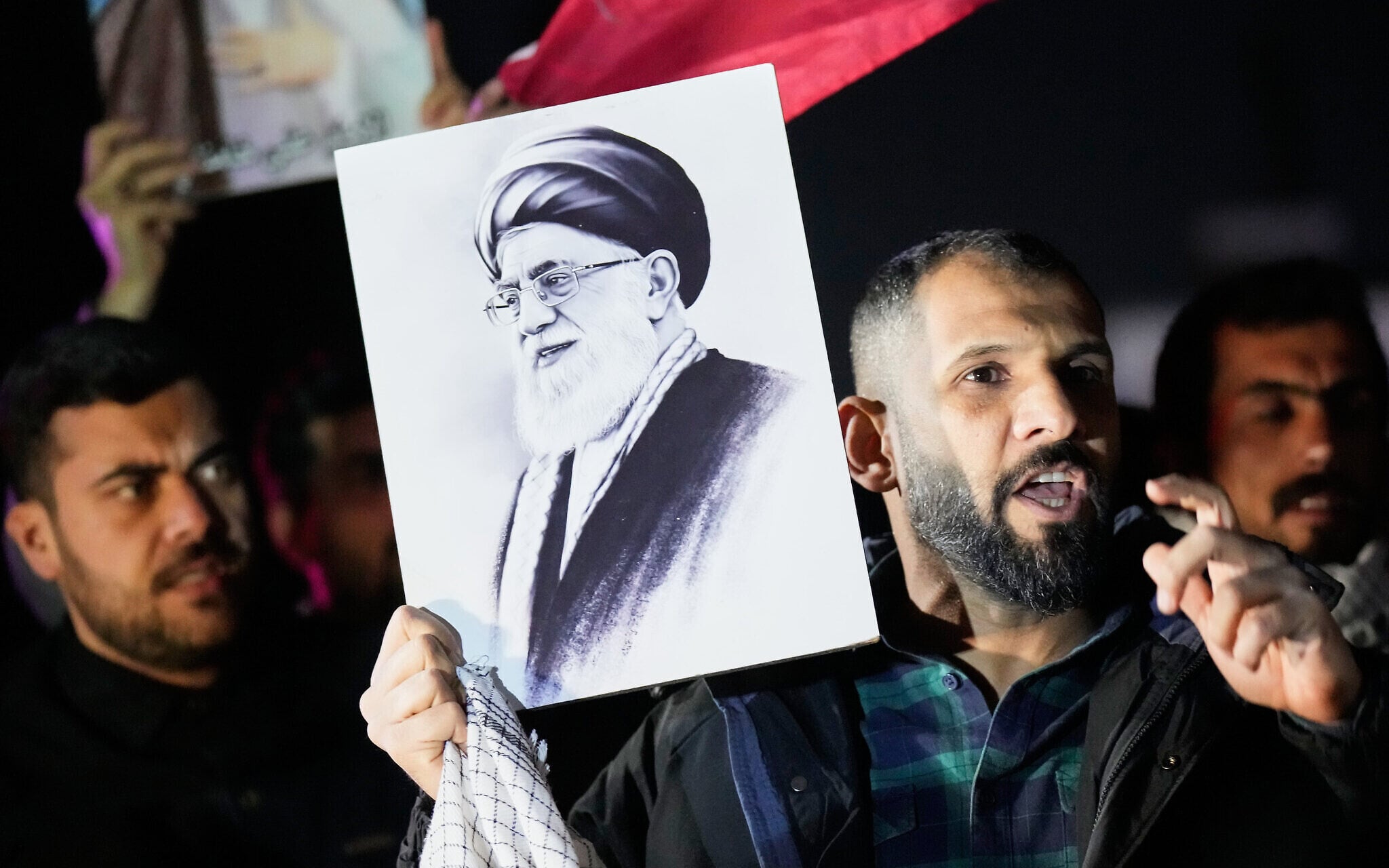
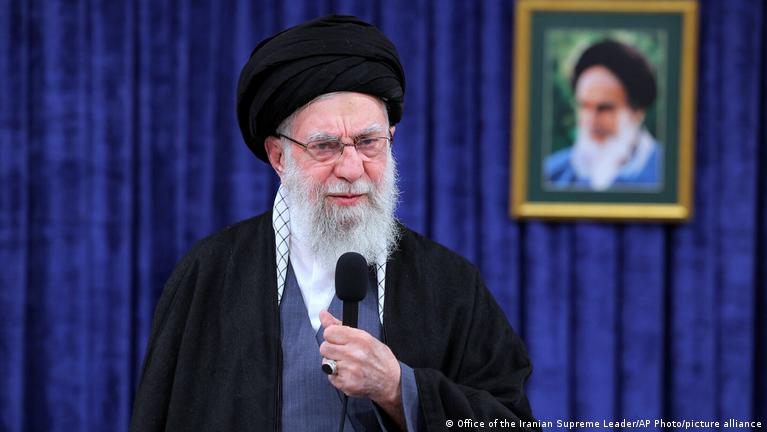
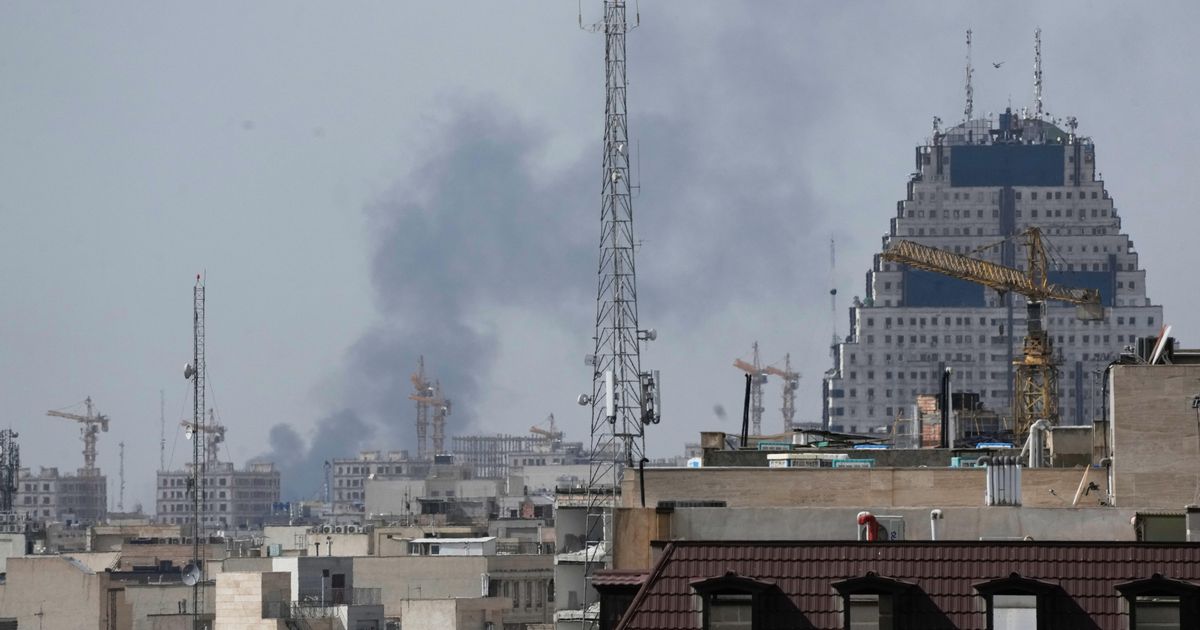
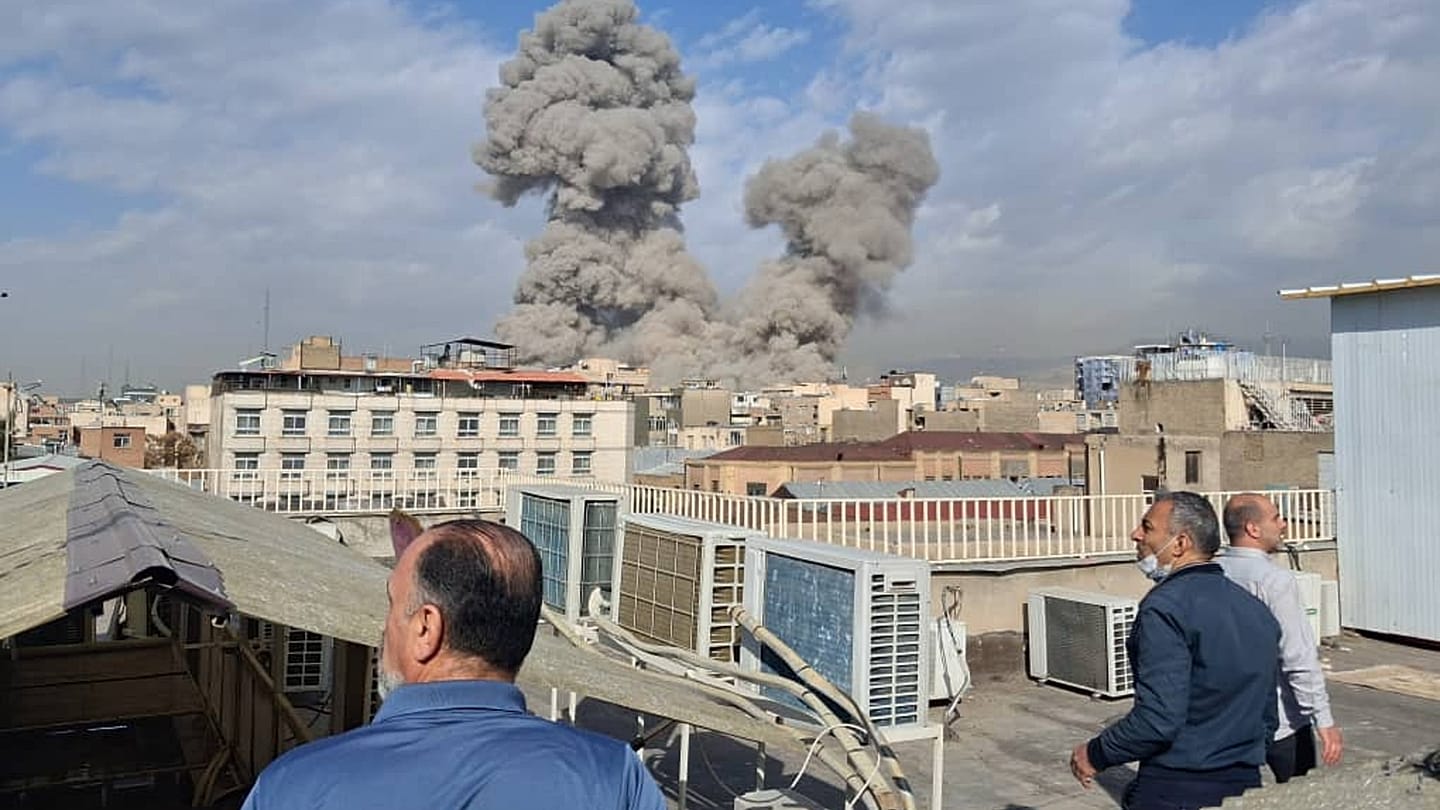
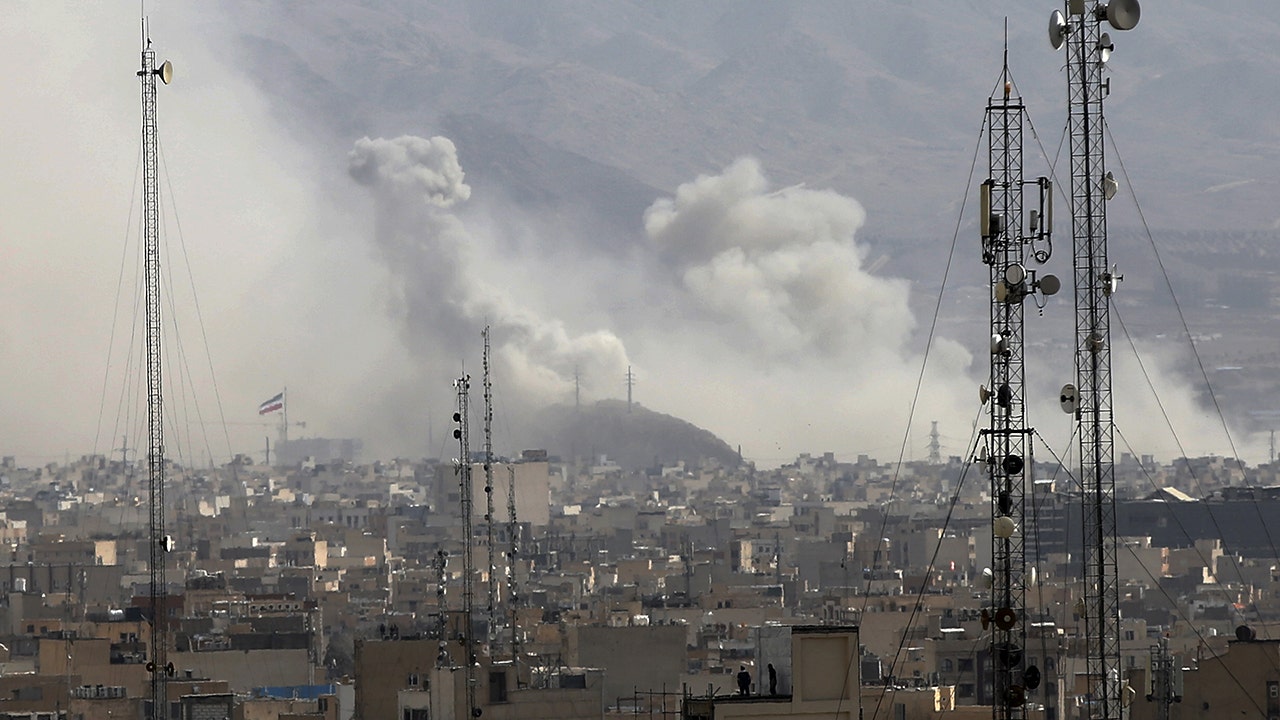
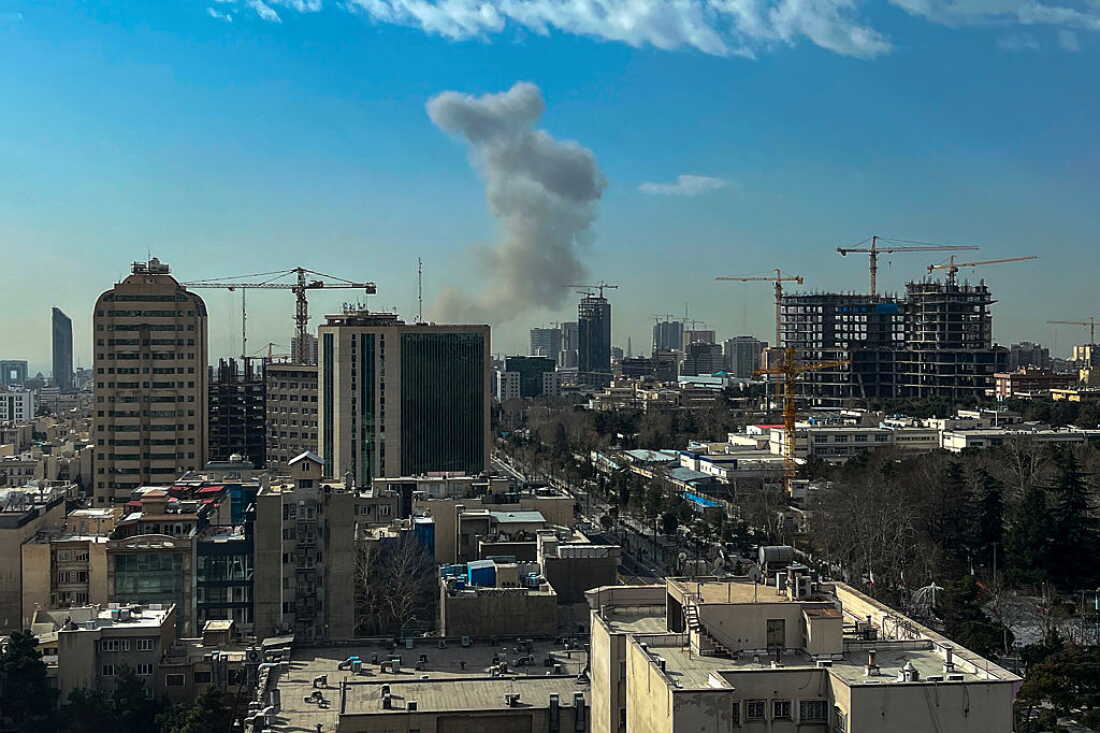
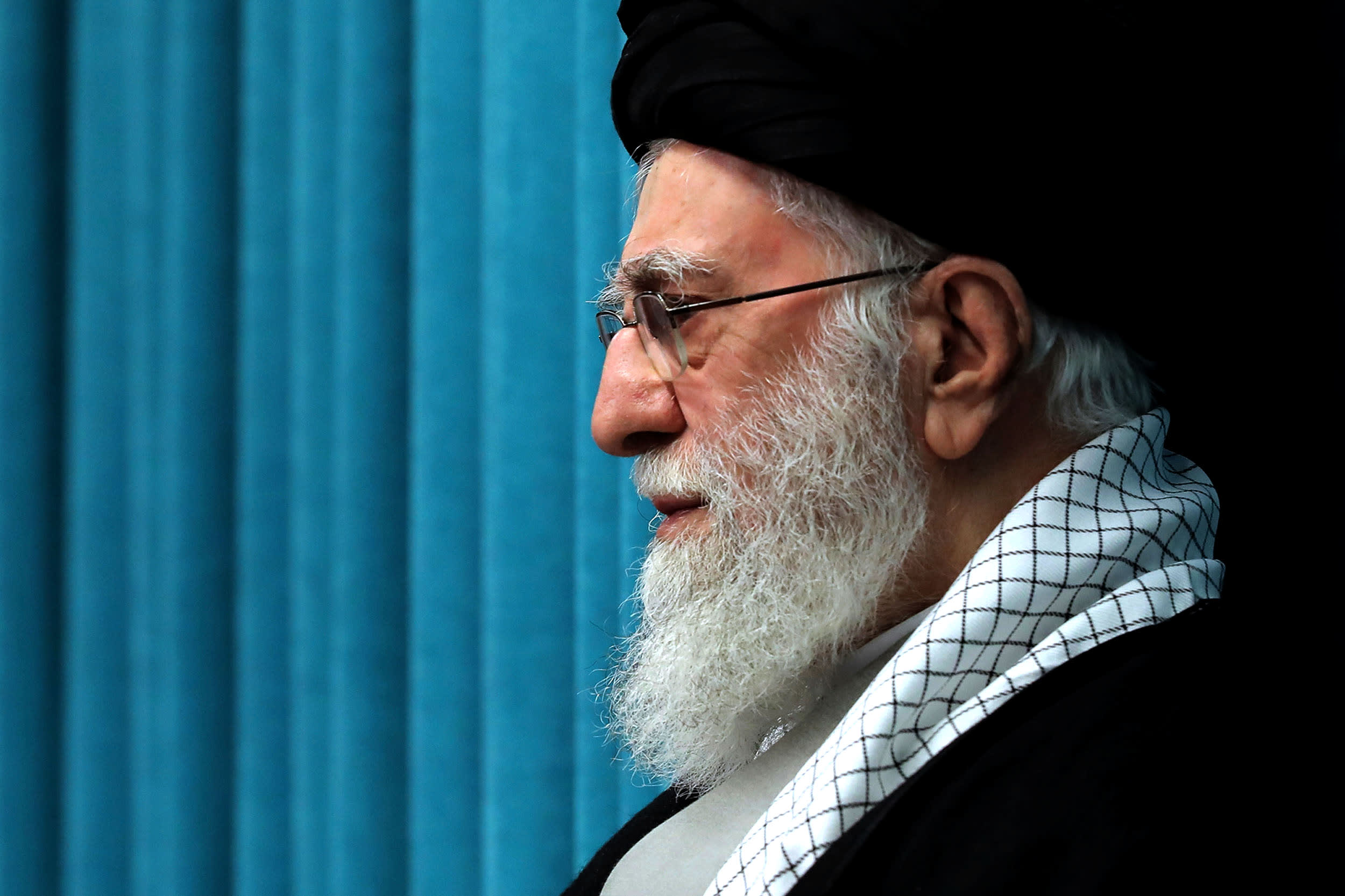
The February 28, 2026 US-Israeli military strikes on Iran represent a critical supply chain crisis for cross-border e-commerce sellers, with immediate operational impacts exceeding those of typical geopolitical disruptions. The confirmed death of Iran's Supreme Leader Ayatollah Ali Khamenei has triggered cascading logistics failures across the Middle East's three primary aviation hubs—Dubai, Abu Dhabi, and Doha—which collectively process 90,000+ passengers daily and serve as critical transshipment nodes for 40-50% of Asia-to-Europe e-commerce logistics flows.
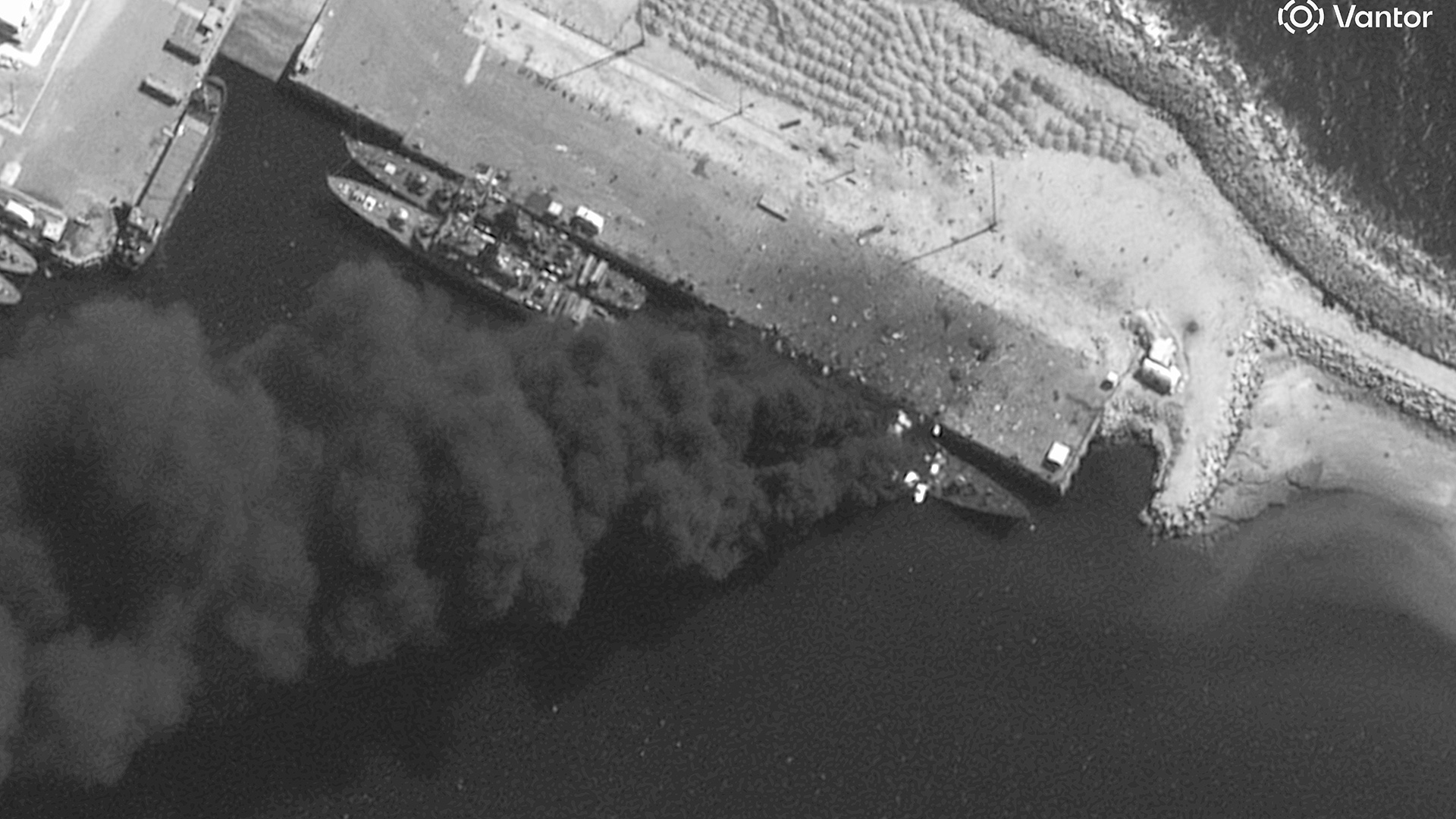
Immediate Logistics Impact: Major airspace closures across seven countries (Israel, Qatar, Syria, Iran, Iraq, Kuwait, Bahrain) plus partial UAE closure have forced cancellation of 1,000+ flights by Emirates, Qatar Airways, and Etihad. These three carriers handle approximately 60-70% of cross-border e-commerce air freight through the region. For sellers relying on Middle Eastern routing corridors, expect 7-14 day shipping delays on air freight and 15-21 day delays on sea freight rerouted around the region. Dubai airport damage from Iranian drone operations has reduced cargo capacity by an estimated 30-40%, creating immediate bottlenecks for time-sensitive shipments (electronics, perishables, fashion).
Payment Processing & Market Access Uncertainty: The leadership transition in Iran—with a temporary governance council replacing the deceased Supreme Leader—creates immediate uncertainty around sanctions compliance and payment gateway availability. Sellers with Iranian suppliers or customers face potential payment processing delays through Stripe, PayPal, and 2Checkout, which maintain strict Iran sanctions screening protocols. The EU's existing extensive sanctions against Iran's regime and Revolutionary Guards, combined with Trump's 2018 withdrawal from the nuclear deal, suggest potential tightening of OFAC compliance requirements. Sellers should anticipate 5-10 business day delays on Iran-connected transactions and potential account freezes if payment processors flag transactions as high-risk.
Strategic Sourcing Implications: The conflict creates a 60-90 day window of opportunity for sellers to diversify sourcing away from Iran-dependent supply chains. Electronics, textiles, and petrochemical-derived products (plastics, chemicals) sourced from Iran face immediate supply uncertainty. Sellers should accelerate sourcing transitions to Vietnam, India, and Indonesia for electronics/textiles, and to Saudi Arabia/UAE for petrochemical products. Insurance costs for Middle East logistics are projected to increase 15-25% during the conflict period, creating margin compression for sellers with high regional exposure. The temporary leadership council's governance uncertainty suggests this disruption could extend 90-180 days, making it a strategic inflection point for supply chain restructuring rather than a short-term disruption.
Questions 7
How much will shipping costs increase due to this conflict?
Air freight costs through Middle Eastern hubs are projected to increase 20-35% due to capacity constraints and insurance premium increases. Sea freight rerouting around the region adds 15-21 days to transit times and increases costs 8-12% due to longer routes and fuel surcharges. Insurance costs for Middle East logistics are rising 15-25% as underwriters price in geopolitical risk. For a seller shipping 1,000 units monthly via air freight, expect additional costs of $3,000-5,000 monthly. Sea freight alternatives add $1,500-2,500 monthly but extend lead times significantly. The cost-benefit analysis favors sea freight for non-time-sensitive categories (home goods, apparel) and alternative air routing (Istanbul, Cairo) for time-sensitive items (electronics, fashion).
Should I shift my sourcing away from Iran-dependent suppliers?
Yes, the 60-90 day leadership transition window creates strategic opportunity to diversify sourcing. Electronics and textiles sourced from Iran should transition to Vietnam, India, or Indonesia, which offer comparable pricing (within 5-8%) and faster, more reliable shipping. Petrochemical-derived products (plastics, chemicals) should shift to Saudi Arabia or UAE suppliers. The conflict creates a 15-25% increase in Middle East logistics insurance costs, making Iran-dependent sourcing economically uncompetitive for 6+ months. This is not a temporary disruption—the leadership uncertainty suggests 90-180 day supply chain restructuring is necessary. Sellers should begin supplier qualification immediately to avoid Q2 inventory shortages.