

Dubai Airport Closure Disrupts Global Air Cargo | Cross-Border Sellers Face 3-7 Day Delays
- Over 1,000 flights canceled affecting 90,000+ daily passengers; Emirates, Qatar Airways, Etihad suspended; sellers using Gulf air freight routes experience cost increases and delivery delays
)











Overview
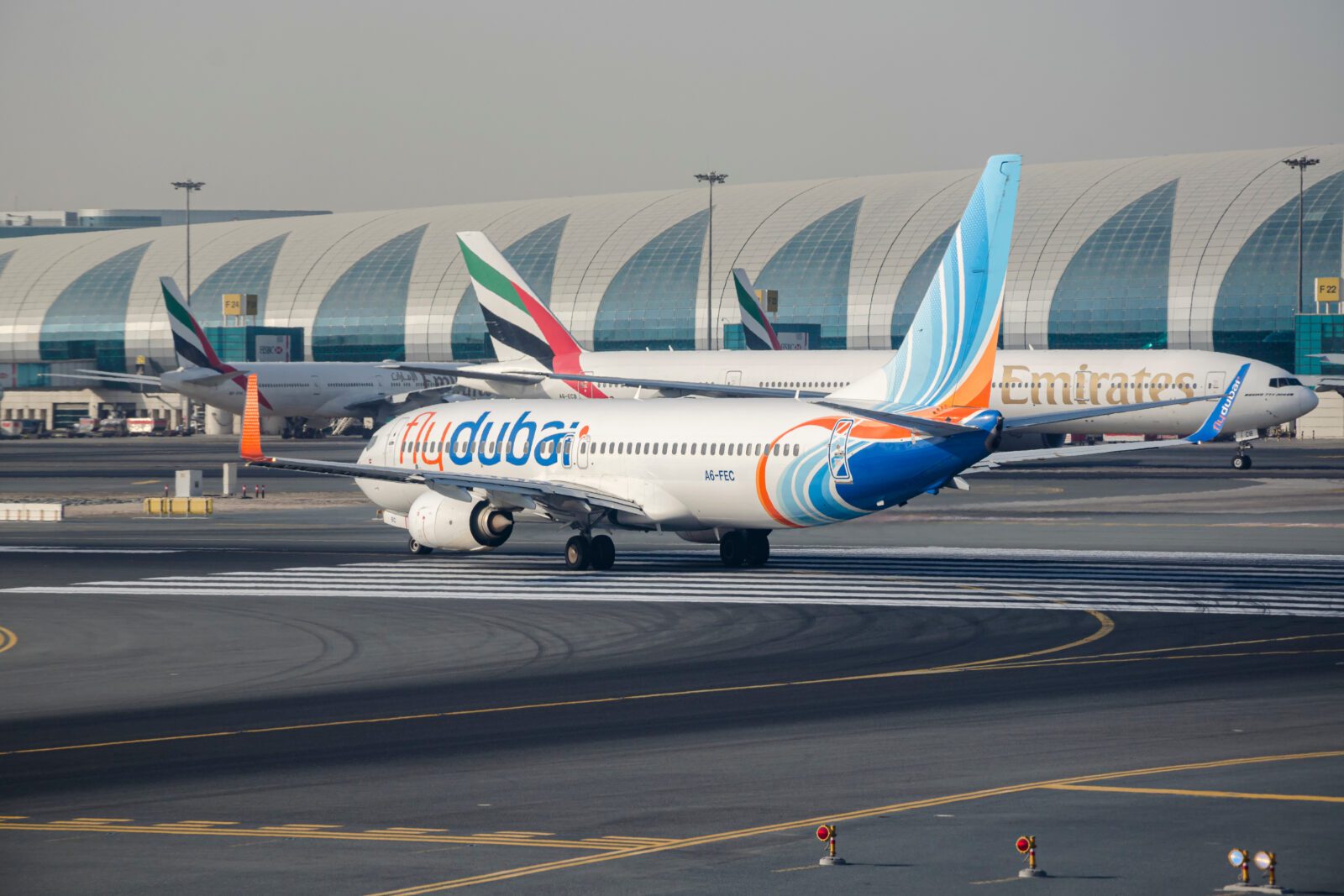
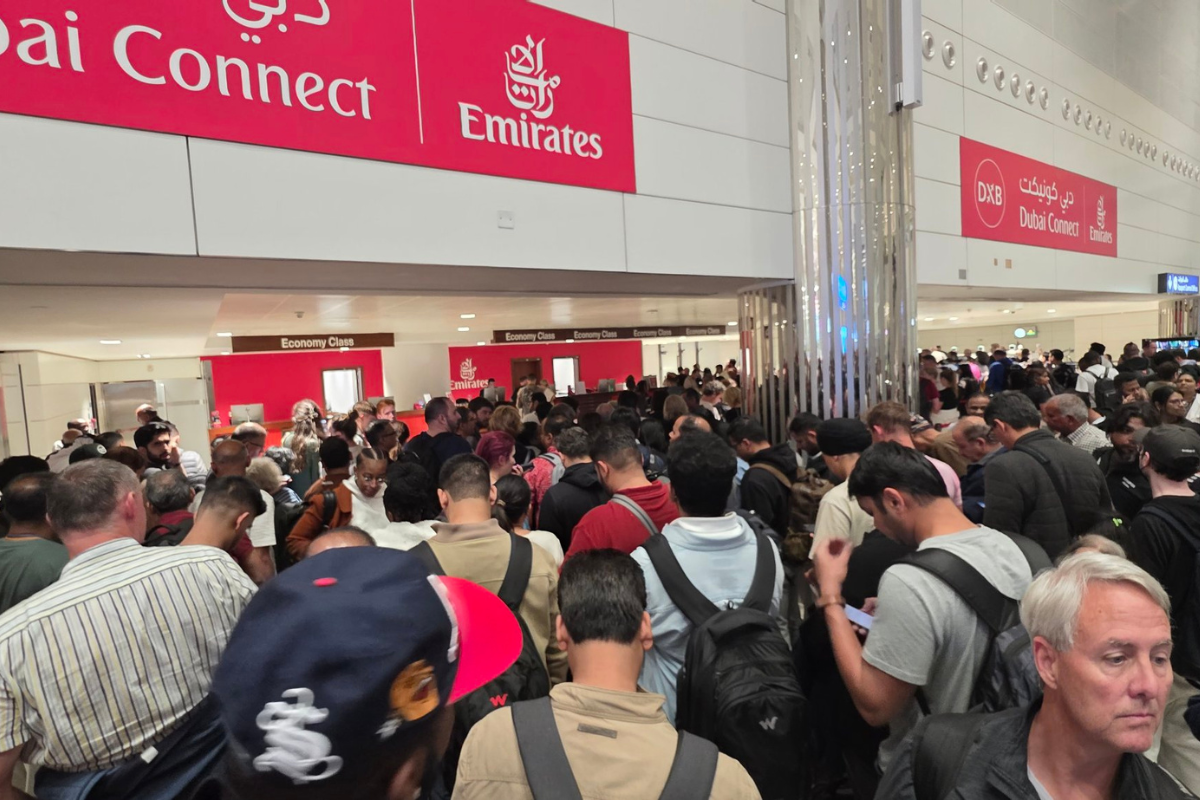
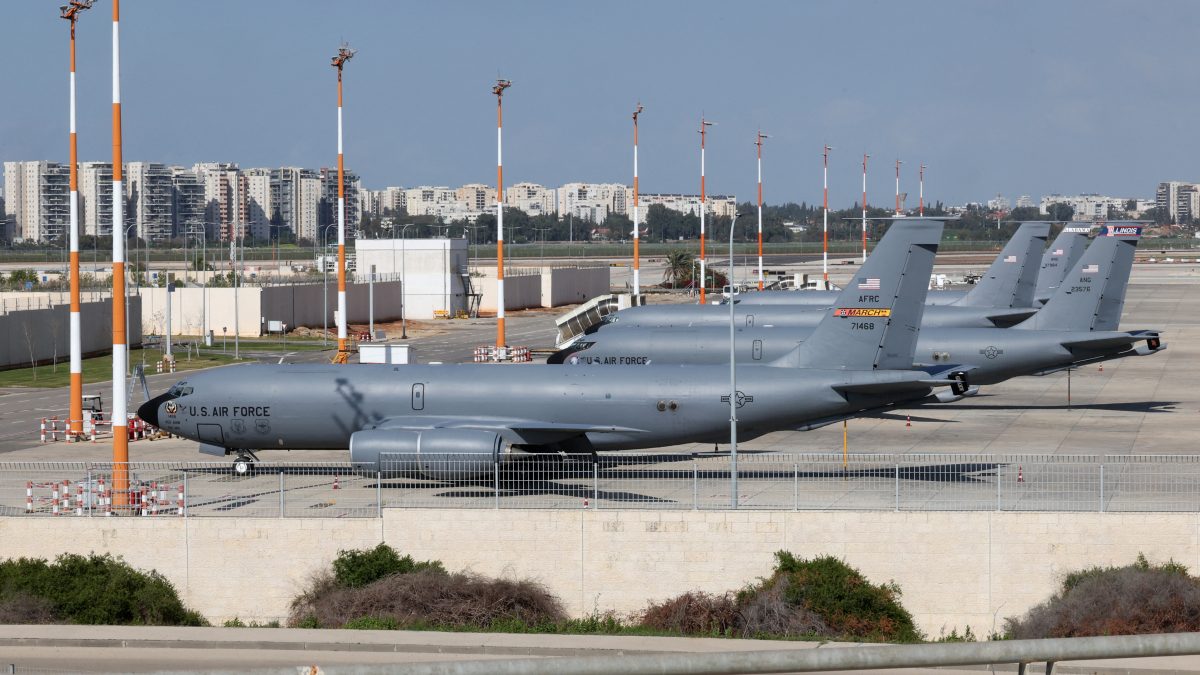
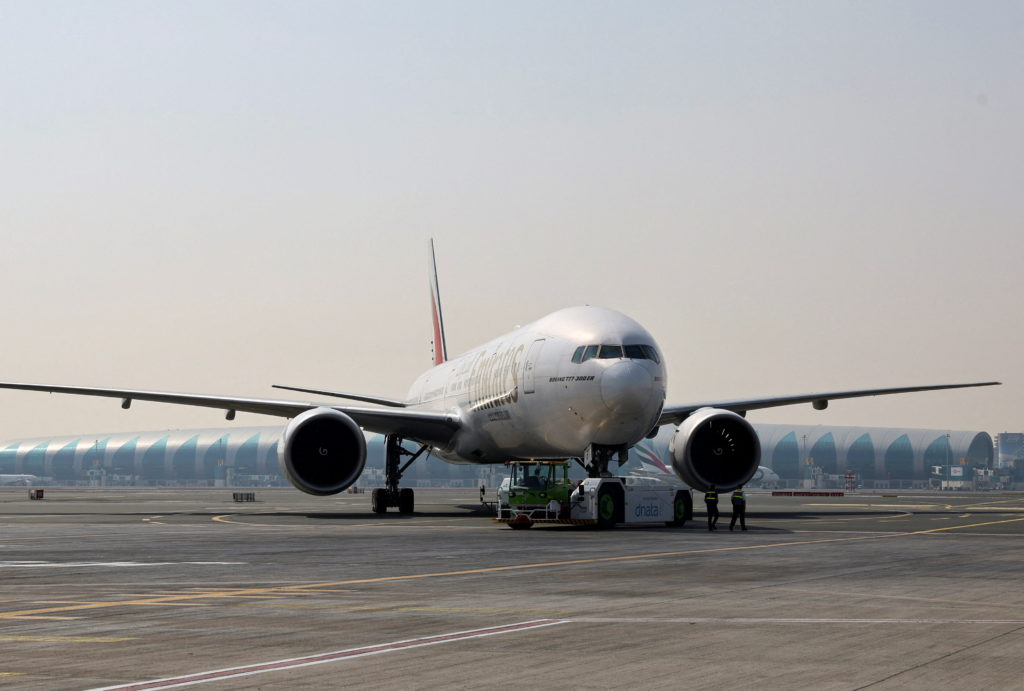
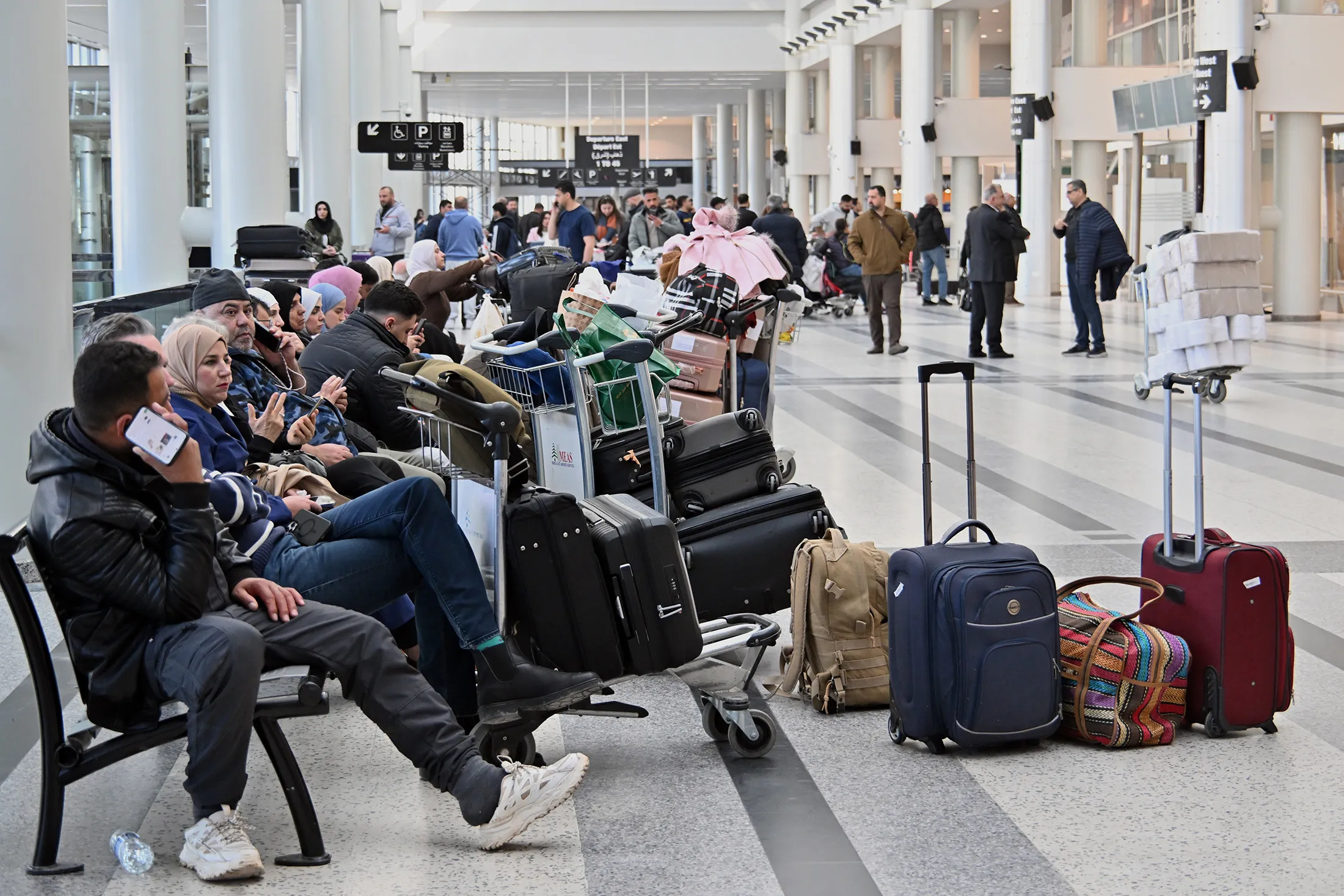
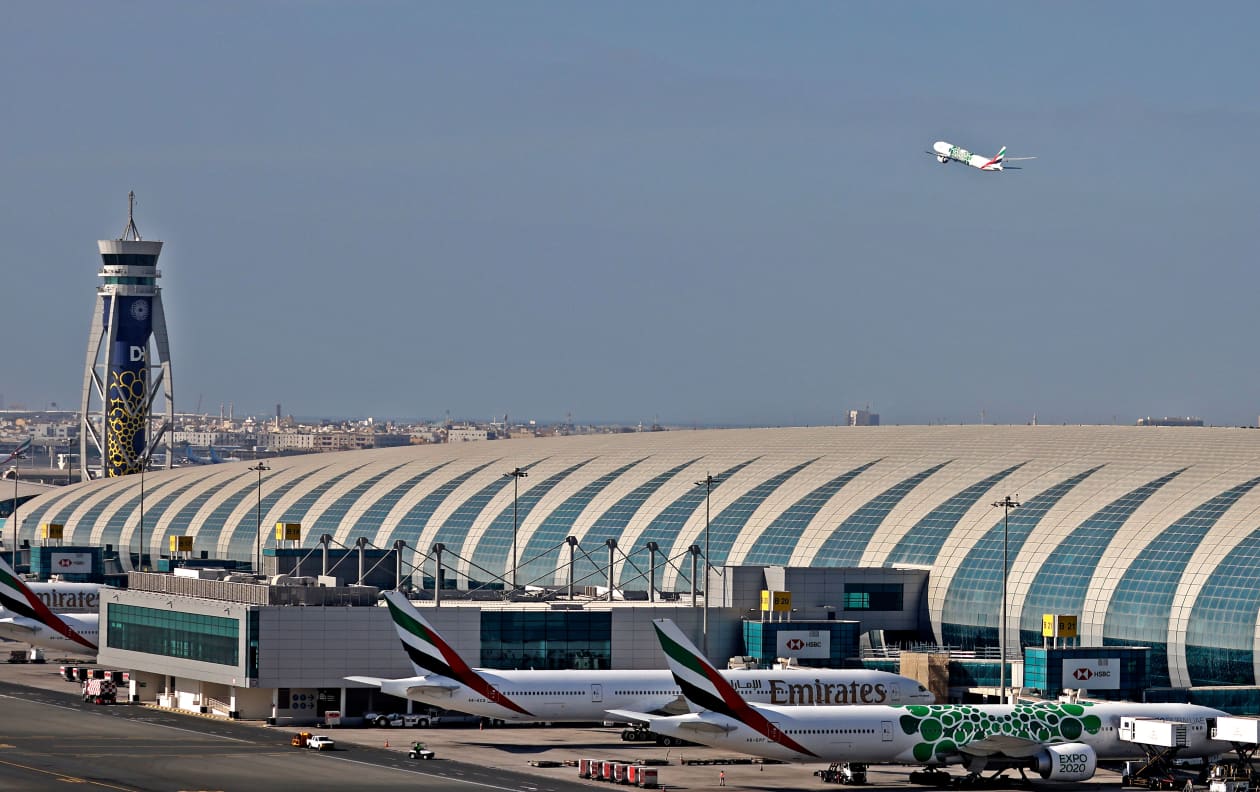
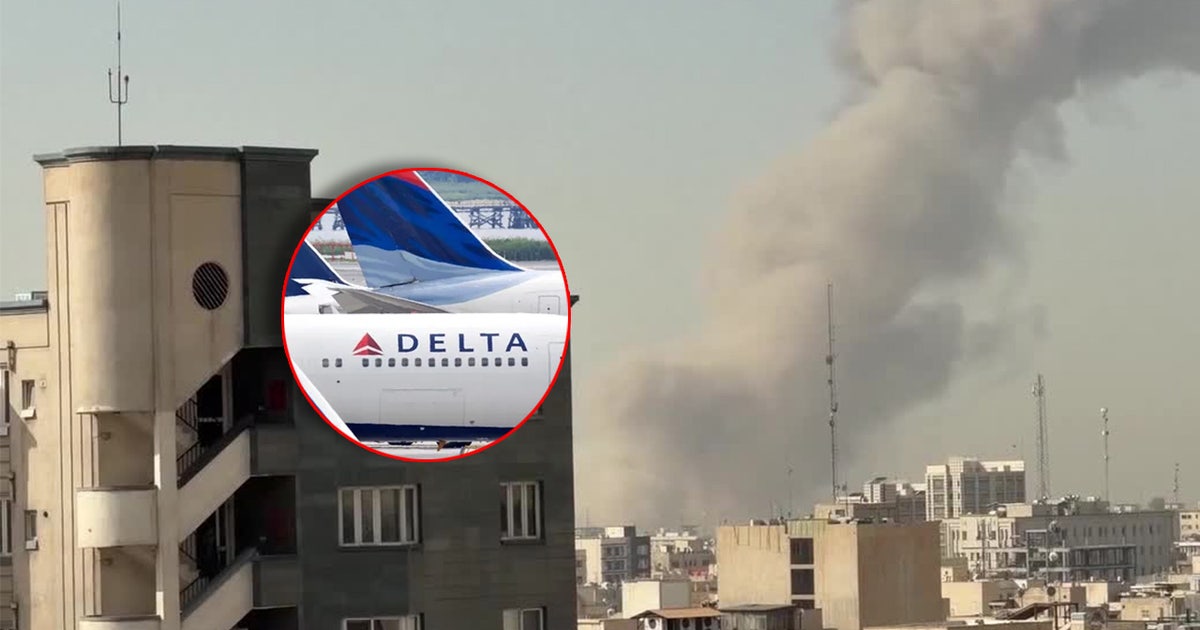
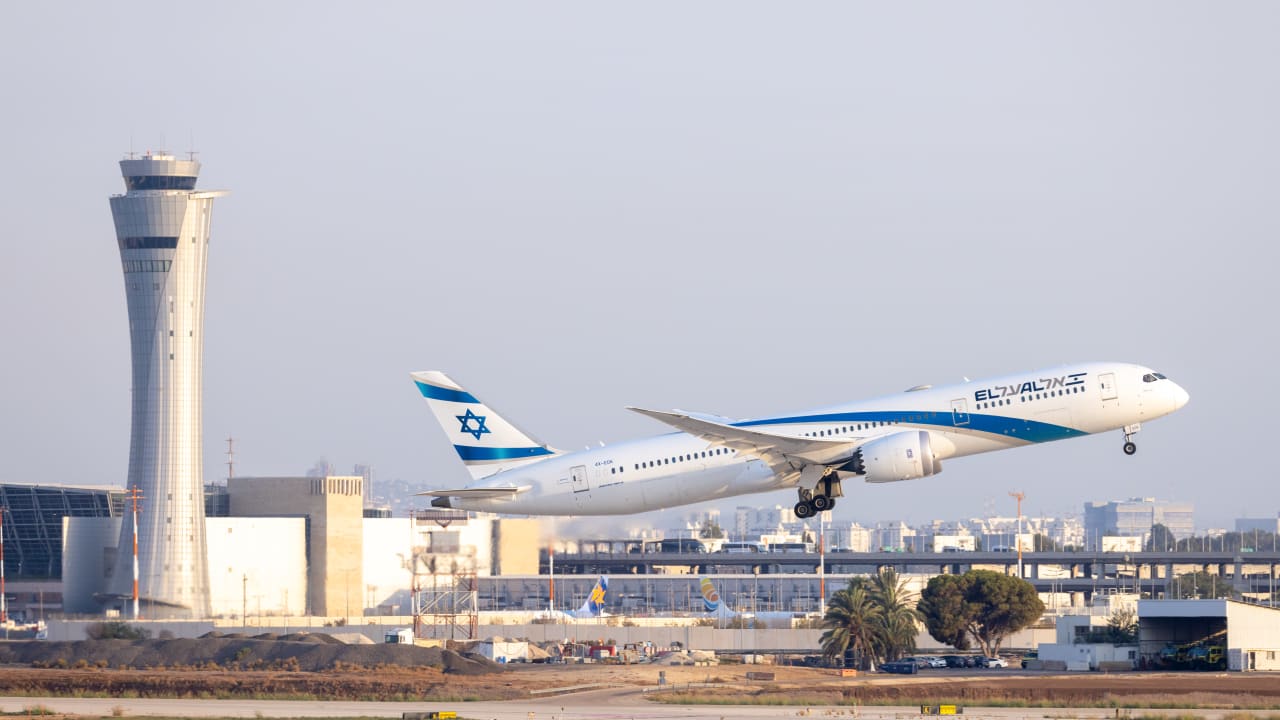
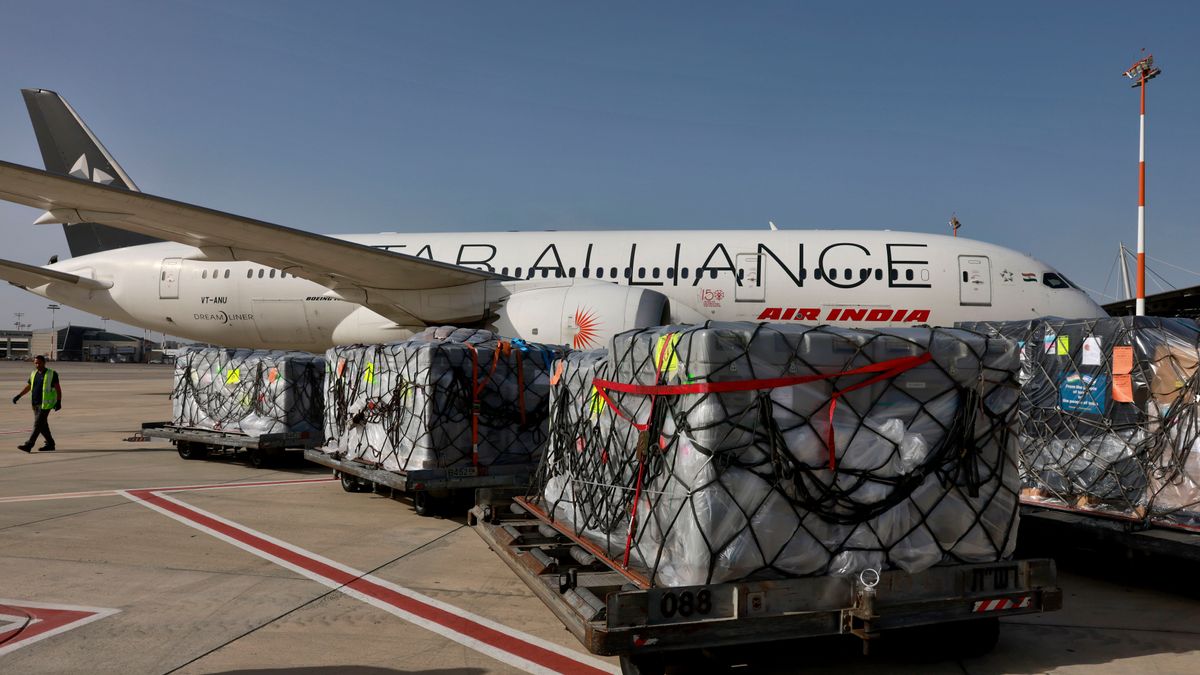
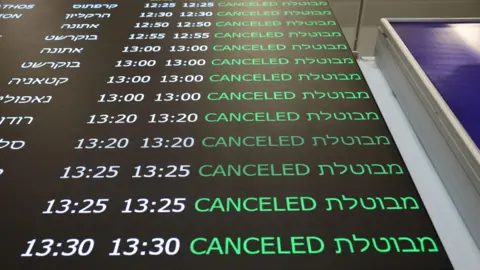
The Middle East aviation crisis of February 28, 2026, represents a critical disruption to global cross-border e-commerce logistics networks. Following military strikes on Iran, seven countries closed their airspace while the UAE implemented partial closures, forcing the shutdown of three critical aviation hubs: Dubai International Airport (world's busiest for international flights), Abu Dhabi International Airport, and Hamad International Airport in Doha. Over 1,000 flights were canceled, stranding hundreds of thousands of travelers and disrupting air cargo operations that are essential to cross-border sellers.
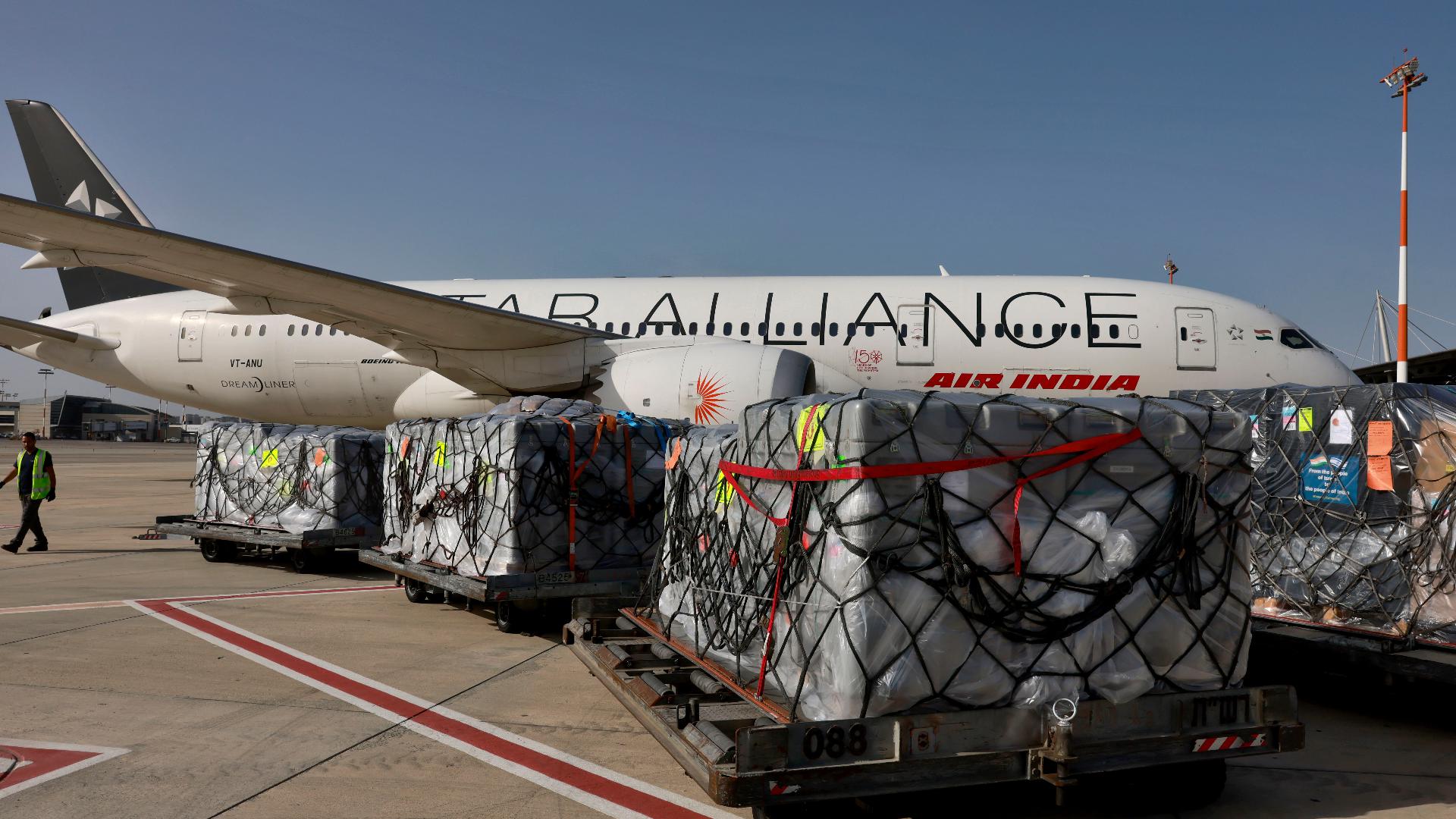
For e-commerce sellers, the immediate impact centers on air freight disruptions through the Gulf region's critical logistics corridor. Dubai International Airport and Doha's Hamad International typically handle approximately 90,000 passengers daily across Emirates, Qatar Airways, and Etihad operations—representing a significant portion of Asia-Europe-Americas air cargo capacity. Sellers relying on express air freight for time-sensitive shipments (electronics, fashion, perishables, high-value items) face 3-7 day delays until partial airspace reopenings occur within 24-36 hours, with historical precedent suggesting potential 12-day extended disruptions. The rerouting of flights southward over Saudi Arabia increases fuel consumption and operational costs, which airlines will likely pass to shippers through temporary surcharges of 8-15% on air freight rates.
Specific seller segments face differentiated impacts based on sourcing and fulfillment strategies. Small-to-medium sellers (SMBs) using air freight for inventory replenishment to Amazon FBA warehouses in Europe and North America experience the highest vulnerability, as they lack alternative logistics networks and cannot absorb cost increases. Sellers shipping from Asia (China, Vietnam, India) to Middle East distribution hubs for re-export face inventory bottlenecks and potential stockouts in downstream markets. Conversely, sellers with established sea freight networks or alternative routing through Istanbul, Athens, and Rome experience competitive advantages during this window. The disruption creates arbitrage opportunities for sellers with diversified logistics: those maintaining inventory in European or North American fulfillment centers can capture market share from competitors experiencing delivery delays.
The timing window for strategic action is critical—24-36 hours for partial reopenings, with full normalization potentially requiring 12+ days. Sellers should immediately audit active shipments routed through Dubai and Doha, contact freight forwarders for rerouting options, and communicate revised delivery timelines to customers. Those with inventory flexibility should accelerate shipments via alternative routes (sea freight to Europe, air freight via Istanbul) to maintain competitive delivery windows. Platform sellers on Amazon, eBay, and Shopify should monitor fulfillment center inventory levels and adjust pricing/promotions to reflect potential supply constraints. The crisis also signals structural vulnerability in Middle Eastern logistics infrastructure, suggesting long-term diversification away from Gulf hubs toward alternative corridors (Southeast Asia-Europe via Indian Ocean, direct China-Europe rail routes) as risk mitigation strategy.
Questions 8
How long will the Dubai airport closure impact cross-border sellers?
Aviation experts suggest partial airspace reopenings may occur within 24-36 hours once military operations are better defined, with full normalization potentially requiring 12+ days based on historical precedent. A similar 2025 incident lasted 12 days, indicating extended disruption is possible. Sellers should prepare for 3-7 day delays for shipments currently in transit through affected hubs. The immediate action window is critical—sellers have 24-36 hours to reroute shipments before alternative routes become congested. Those with inventory in transit should communicate revised delivery timelines to customers immediately. Monitoring official carrier statements (Emirates, Qatar Airways, Etihad) and airport authority updates is essential for real-time logistics adjustments.
Which seller segments have competitive advantages during the aviation crisis?
Sellers with diversified logistics networks—particularly those maintaining inventory in European or North American fulfillment centers—gain competitive advantages during the disruption. Sellers using sea freight routes or alternative air corridors (Istanbul, Athens, Rome) experience minimal delays while competitors face 3-7 day supply gaps. Large sellers with established 3PL relationships can negotiate priority rerouting, while SMBs using standard freight forwarders face longer delays. Sellers with inventory flexibility can accelerate shipments via alternative routes to capture market share from competitors experiencing stockouts. Platform sellers on Amazon can adjust pricing and promotions to reflect supply constraints, while those with inventory bottlenecks may lose Buy Box eligibility due to extended delivery times.